
PREMIER SALT LAKE CITY STAMPED CONCRETE CONTRACTOR
Nela Concrete installs stamped, stained, and decorative concrete for homeowners across Salt Lake City. Every pattern and color is chosen from a real sample before the slab is placed.
Professional Installation Practices
High-Quality Materials
Backed by Experience & Local Trust
PREMIUM STAMPED CONCRETE FINISHES
Stamped concrete gives a patio, driveway, or walkway the character of natural stone, brick, or timber for a fraction of what those materials cost to install and maintain. Done properly, the finished surface is difficult to distinguish from the material it replaces.
The finish itself is decided long before the truck arrives. Pattern, base color, accent color, and joint placement all change how the surface reads once it has cured and fully dried.
That is why we pour a sample rather than handing you a brochure. Photographs flatten texture and shift color, and nobody should commit to a permanent finish they have only seen on a screen or on someone else's driveway.
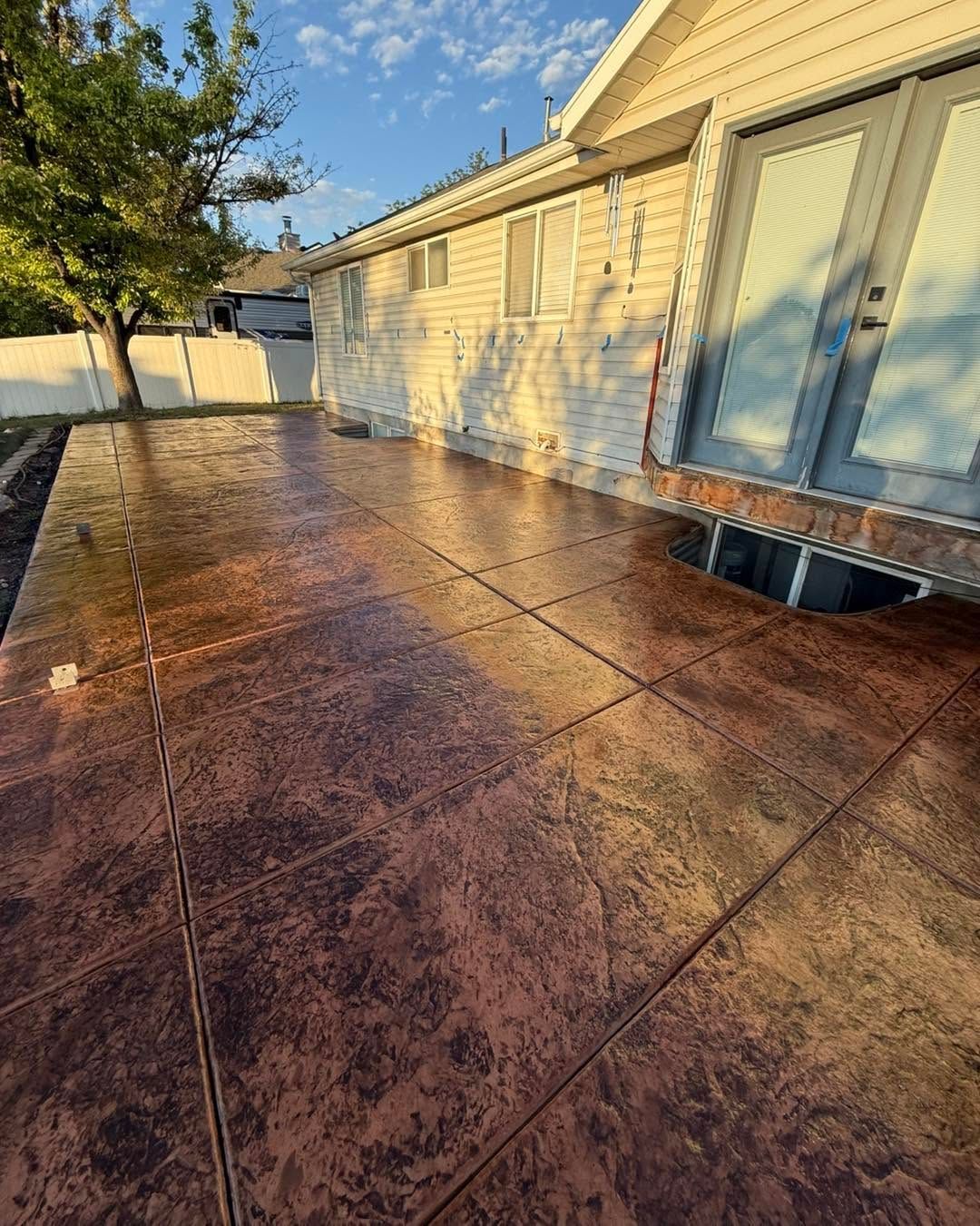
STAMPED AND DECORATIVE CONCRETE FINISHES WE INSTALL
Decorative work covers several distinct methods, and they can be combined. These are the finishes we install most often for homeowners across Salt Lake County and Utah County.
Stamped Concrete
Textured mats pressed into the fresh surface to replicate flagstone, slate, cobblestone, brick, or wood plank across the whole slab.
Stained Concrete
Acid or water based stain worked into cured concrete, producing mottled, variegated tones that read closer to natural stone than paint.
Integral Colored Concrete
Pigment mixed through the concrete itself rather than applied on top, so the color runs full depth and will not wear away at the surface.
Exposed Aggregate
The top paste washed back to reveal the stone within the mix, giving natural texture and strong grip on slopes and pool surrounds.
Borders, Bands, and Insets
A contrasting stamped or saw cut border framing a plain field, which is the most economical way to lift an ordinary slab.
HOW TO CHOOSE A PATTERN AND COLOR
Decorative concrete is the one service where the decision matters as much as the workmanship. At Nela Concrete, we walk these five points with every homeowner before a pattern is selected.
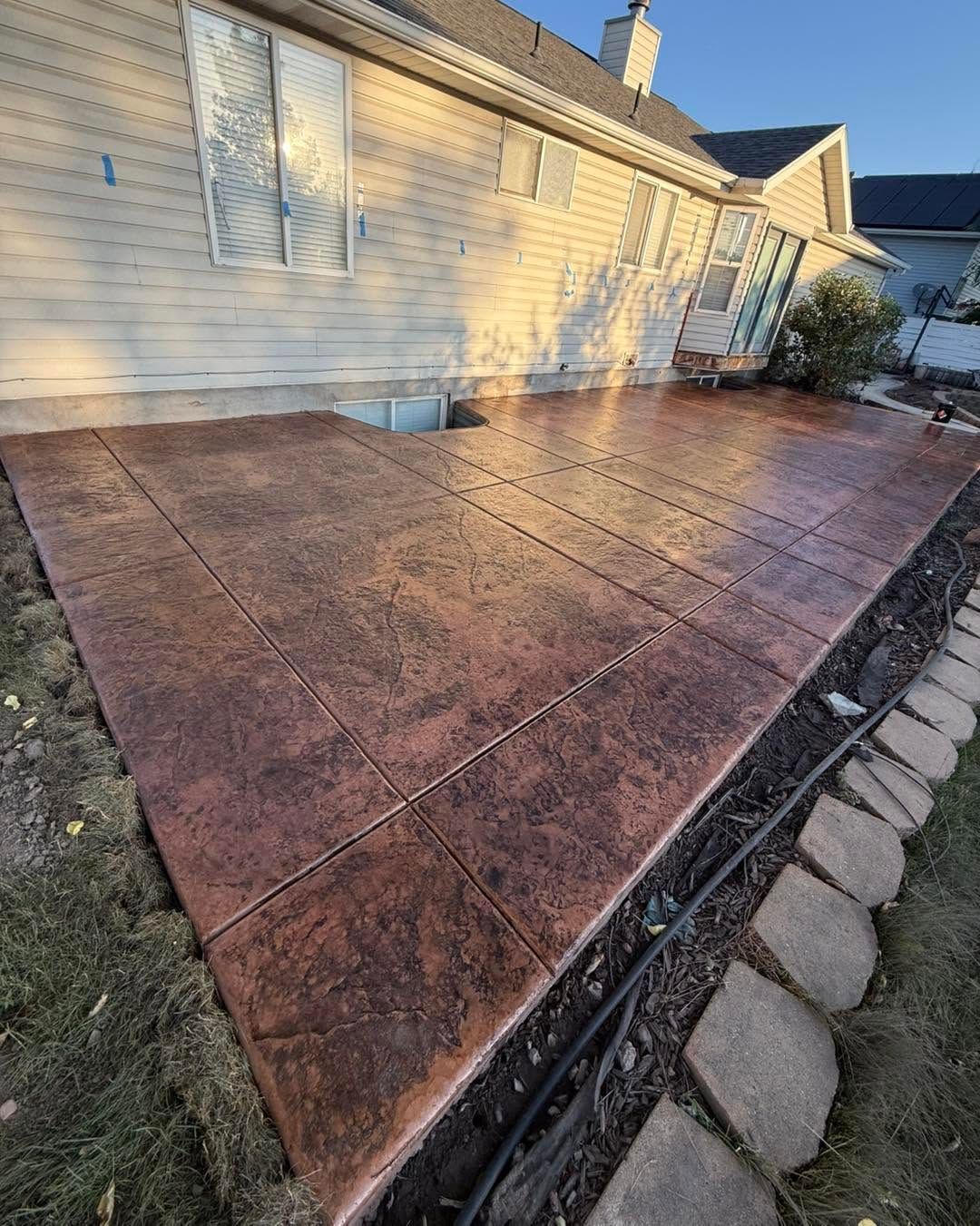
Matching the Existing Materials
The strongest results echo a material already on the property, whether stone, brick, or roof line.
Pattern Scale and Proportion
Large format patterns overwhelm a small patio, while fine detail is lost across a wide driveway.
Base and Accent Color
A base color with a release accent gives the tonal depth that makes concrete read as stone.
Viewing Conditions
Color shifts between wet and dry and shade and daylight, so samples are reviewed outdoors.
Maintenance Expectations
Richer color and higher sheen need resealing more often, so the finish should match your upkeep tolerance.
OUR STAMPED CONCRETE INSTALLATION PROCESS
Decorative work carries one stage no plain pour has, which is the finish selection. Everything else follows the same disciplined sequence as our structural work.
Step 1
Design Consultation
We look at the house, the surrounding materials, and the space itself, then narrow the pattern and color range to a short list worth seeing.
Step 2
Sample and Selection
We produce a sample in your chosen pattern and colors so you can view it on site, in daylight, wet and dry, before anything is committed.
Step 3
Estimate and Scheduling
You receive a detailed estimate covering the pattern, the colors, the sealer, and the square footage, then we book the pour.
Step 4
Base, Pour, and Stamping
The base is prepared and the slab placed, then the pattern is stamped within the working window while the surface is still receptive.
Step 5
Wash, Seal, and Walkthrough
We wash back the release agent, apply the sealer, and walk the finished surface with you to explain the resealing cycle it will need.
WHY CHOOSE NELA CONCRETE FOR DECORATIVE WORK
Stamping is a timing craft. The pattern has to go in while the surface is still receptive, and a crew that misjudges that window leaves shallow relief, blurred edges, and inconsistent color across the slab.
We treat the sample as part of the job rather than a favor. You see the actual pattern and the actual colors on your own property, outdoors, before we place a single yard of concrete.
Among decorative concrete contractors in Utah, sealing is where most stop explaining. We tell you what your finish will need and when, because a stamped surface left unsealed loses its color within a few seasons and looks tired long before the concrete itself does.
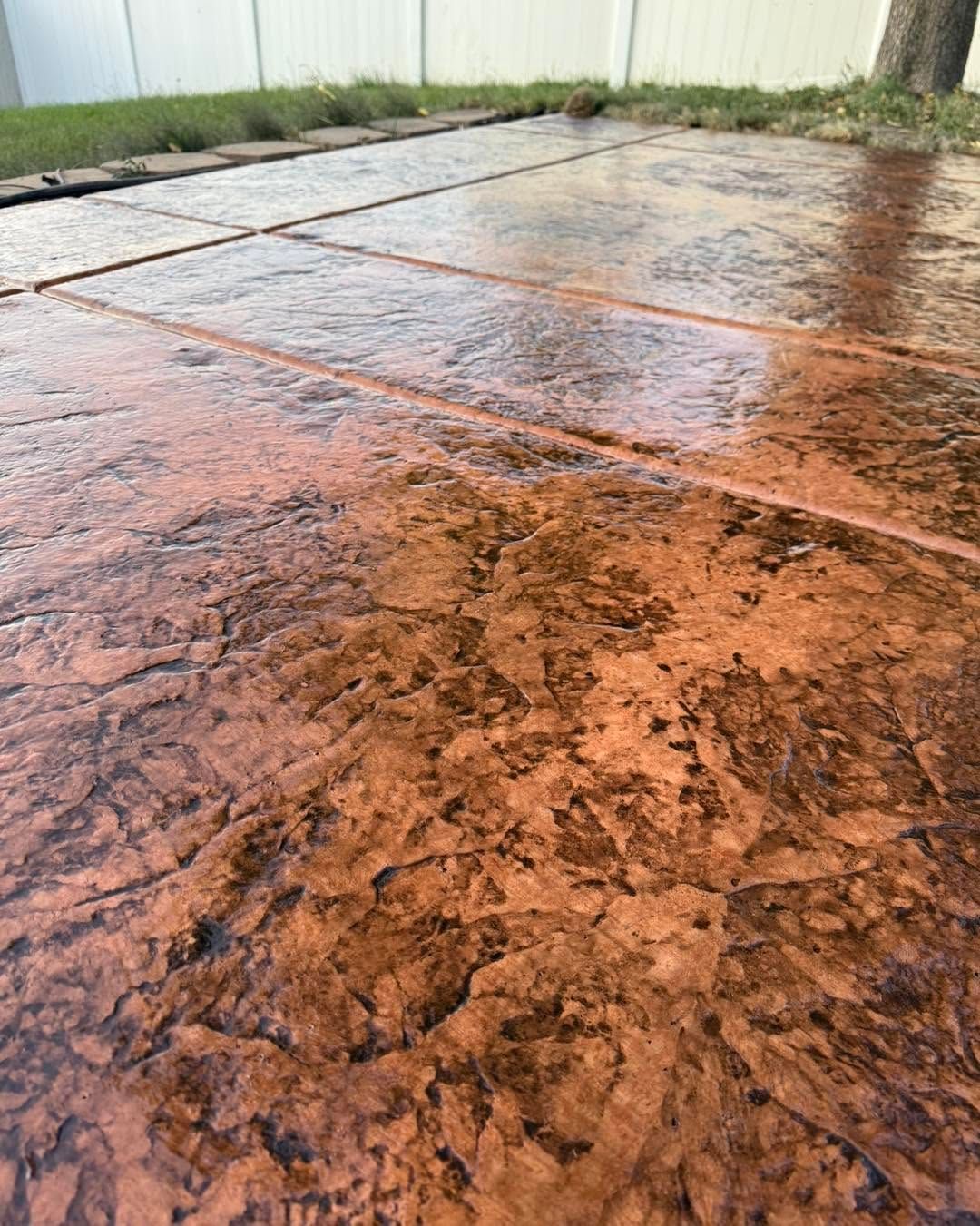
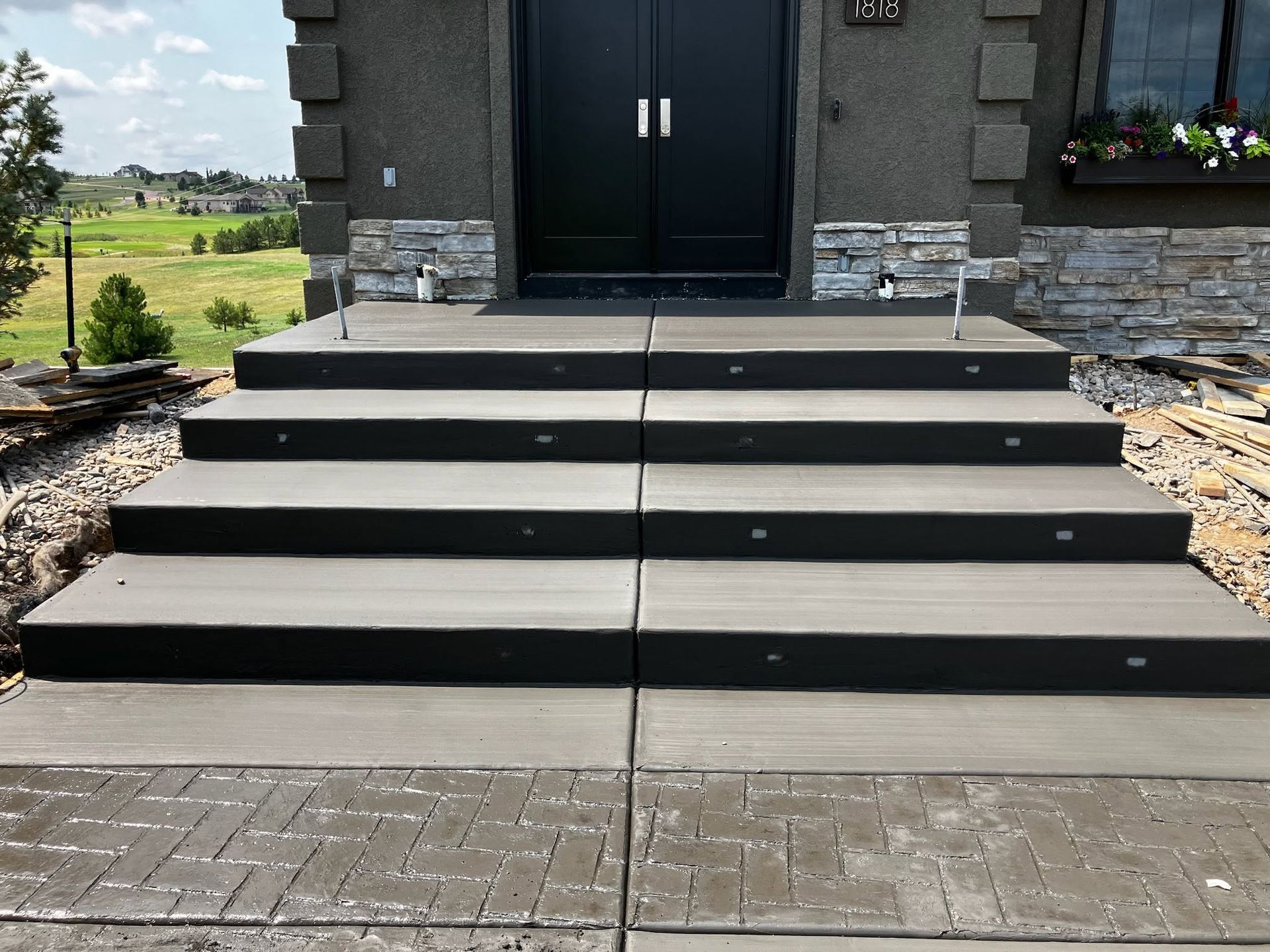
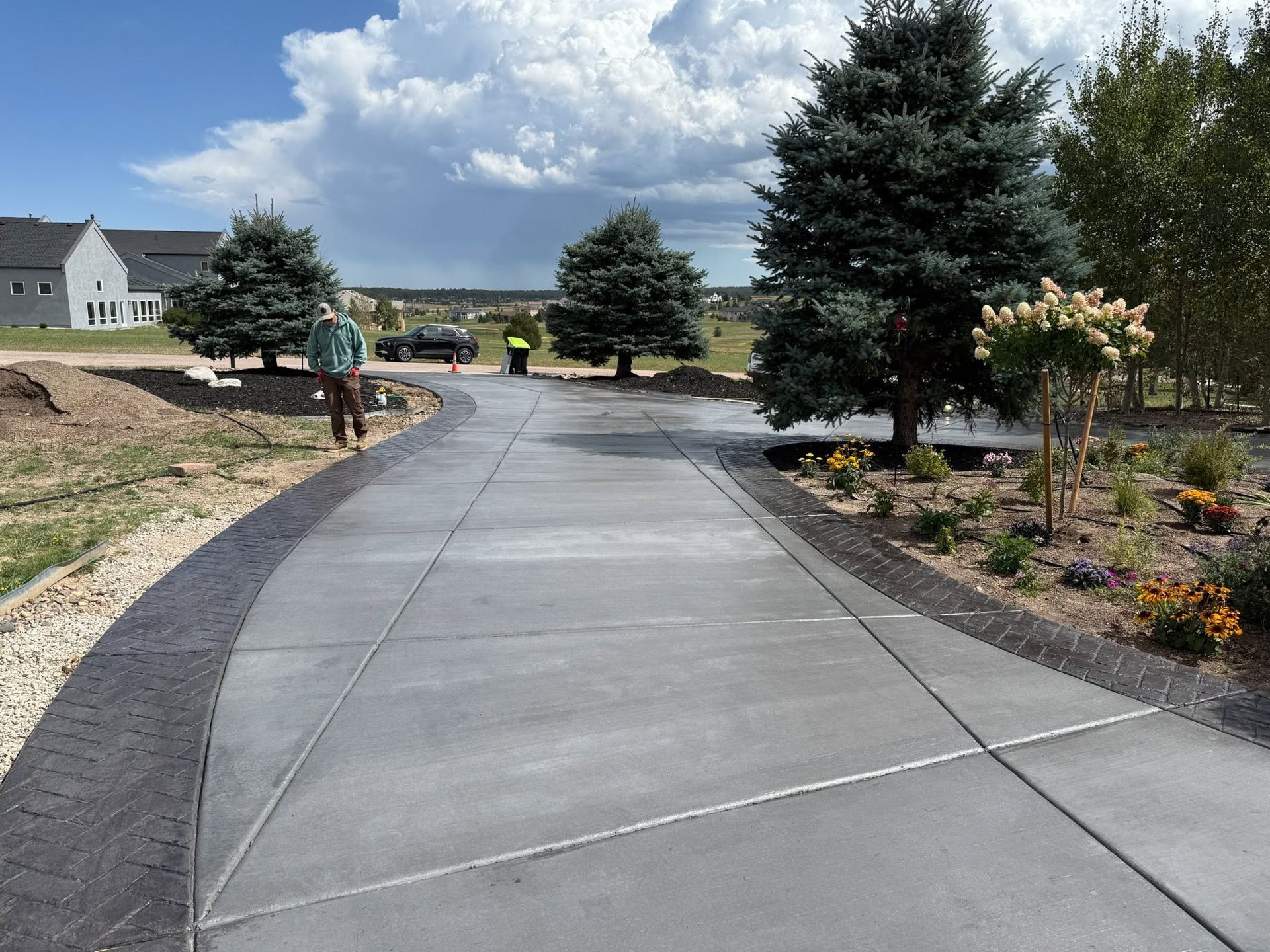
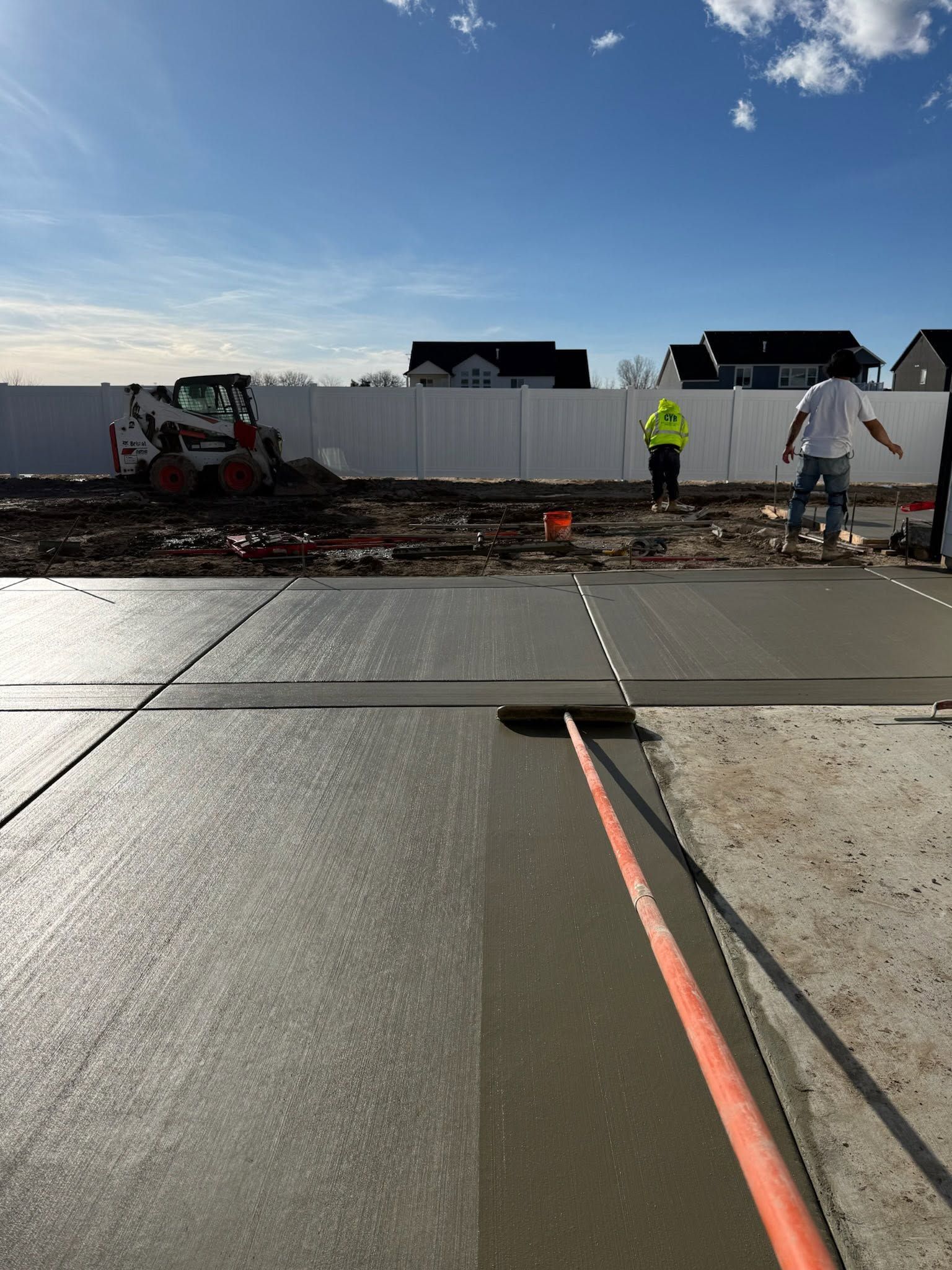
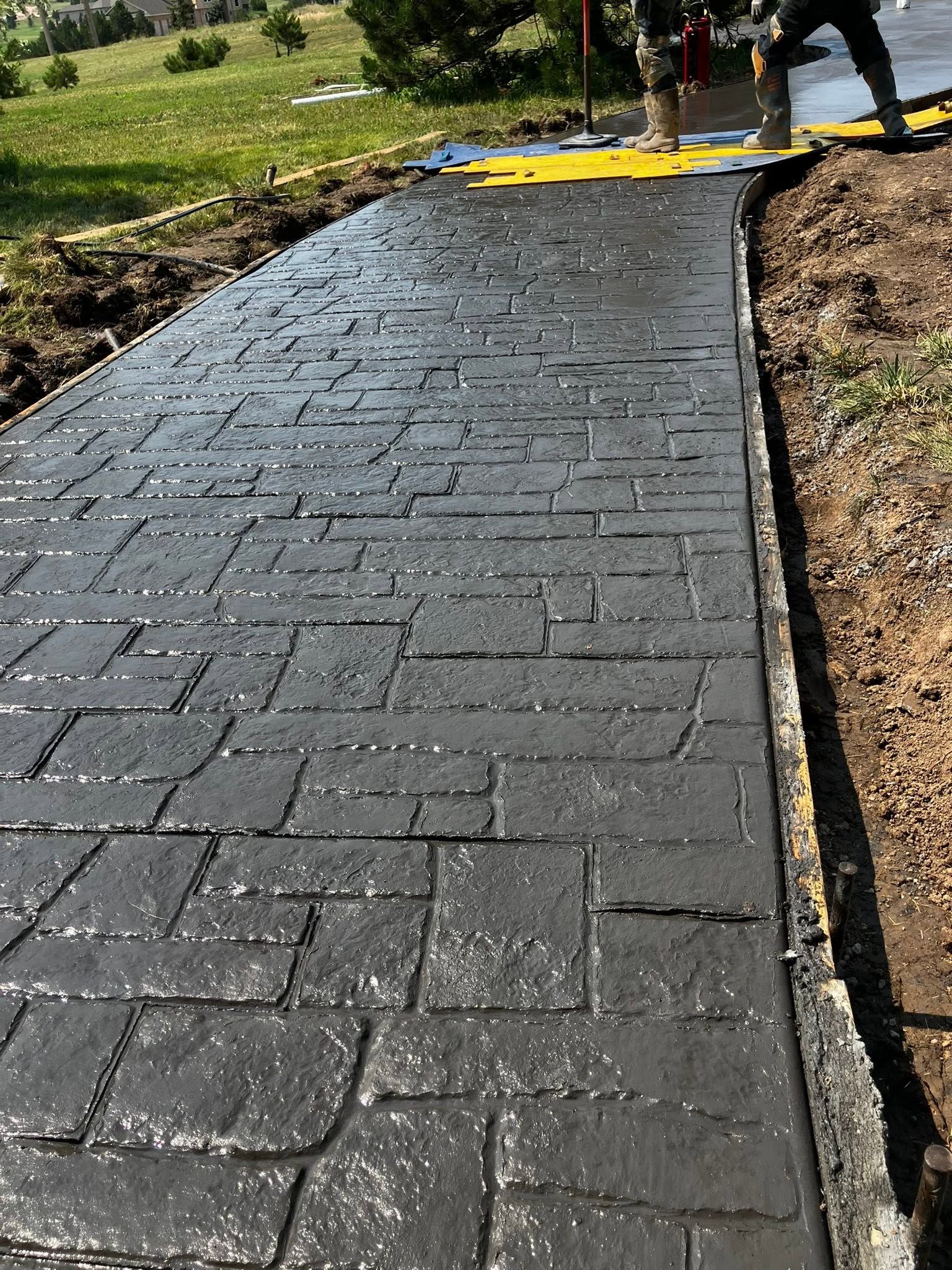
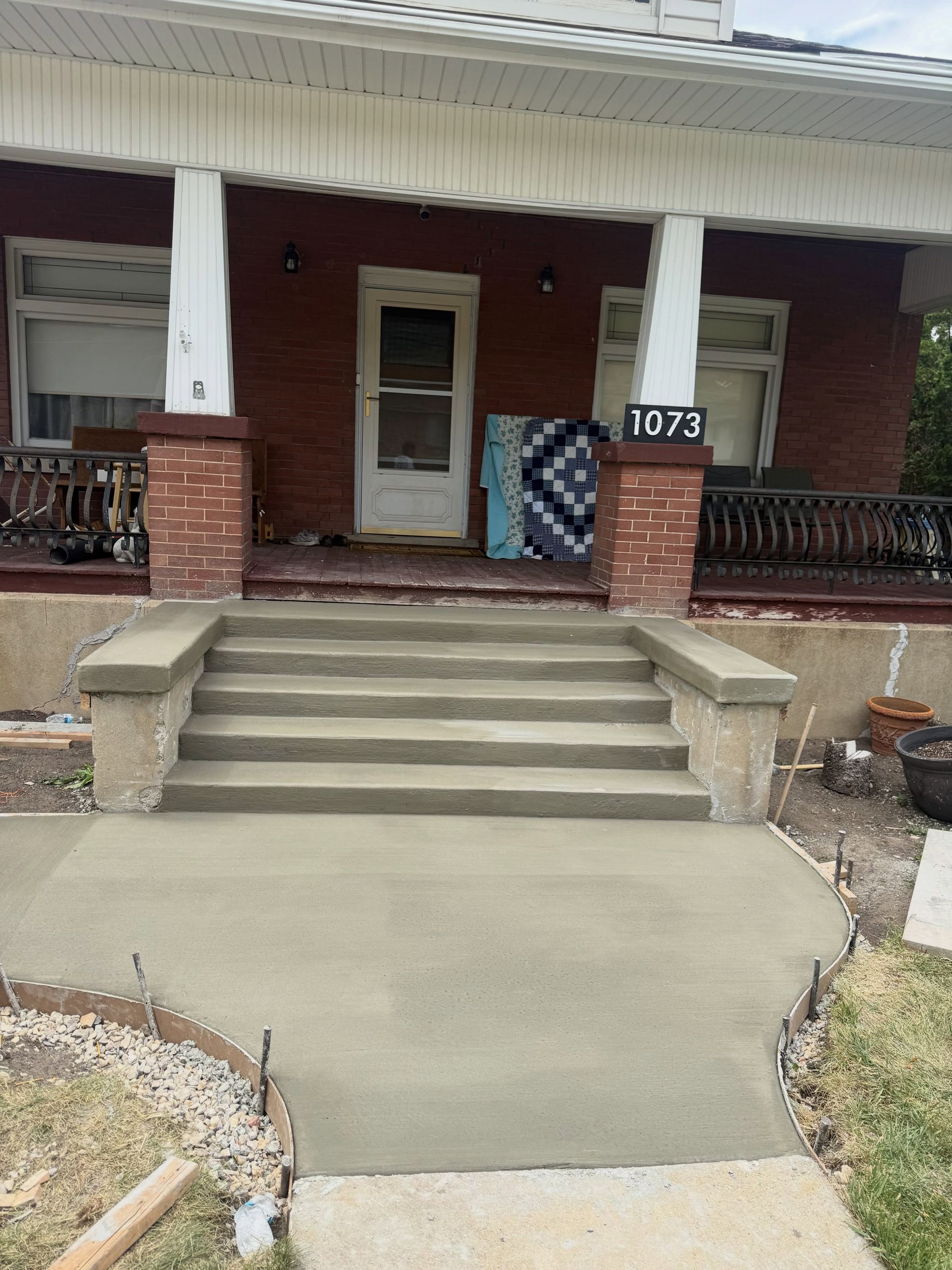
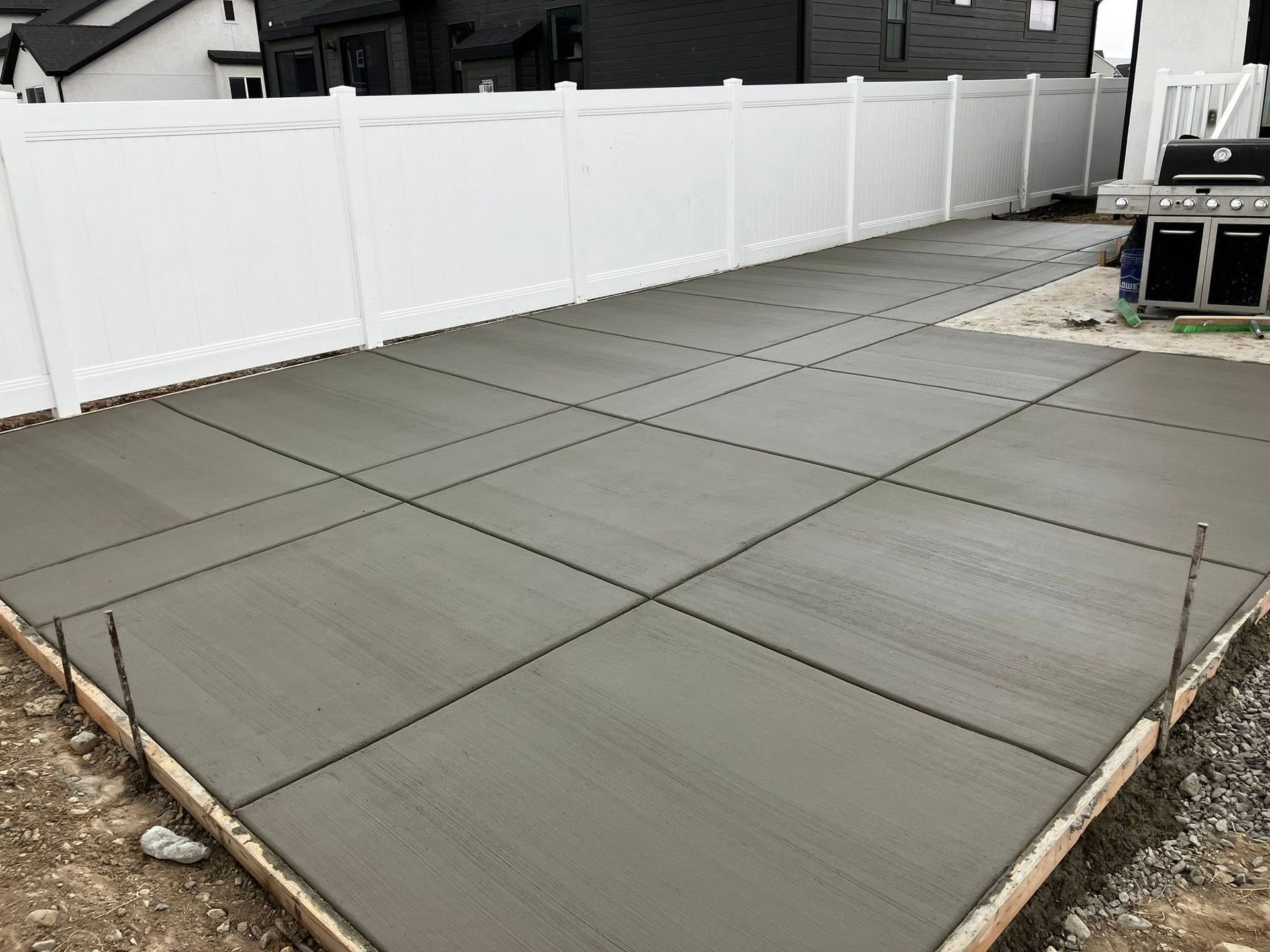
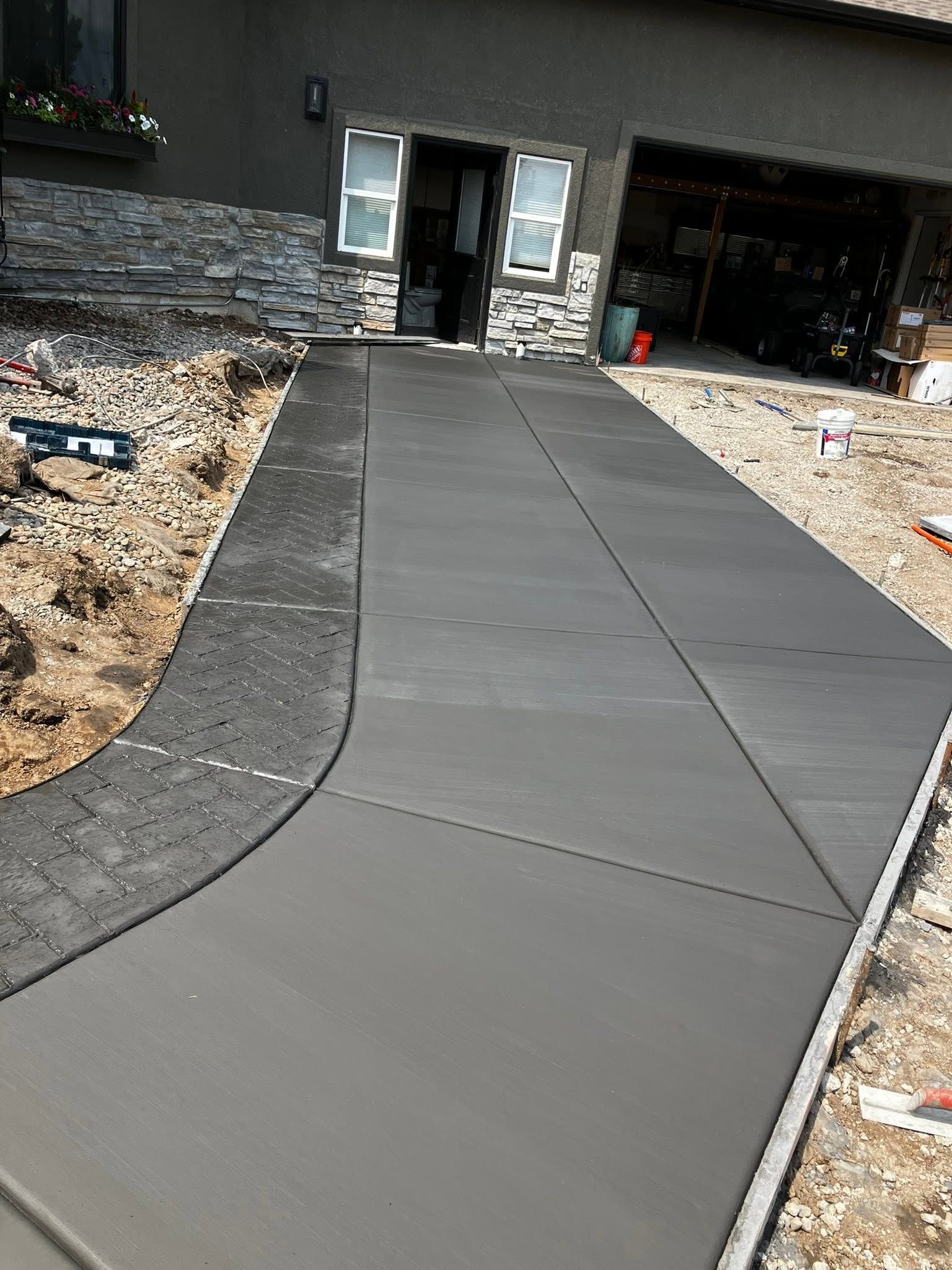
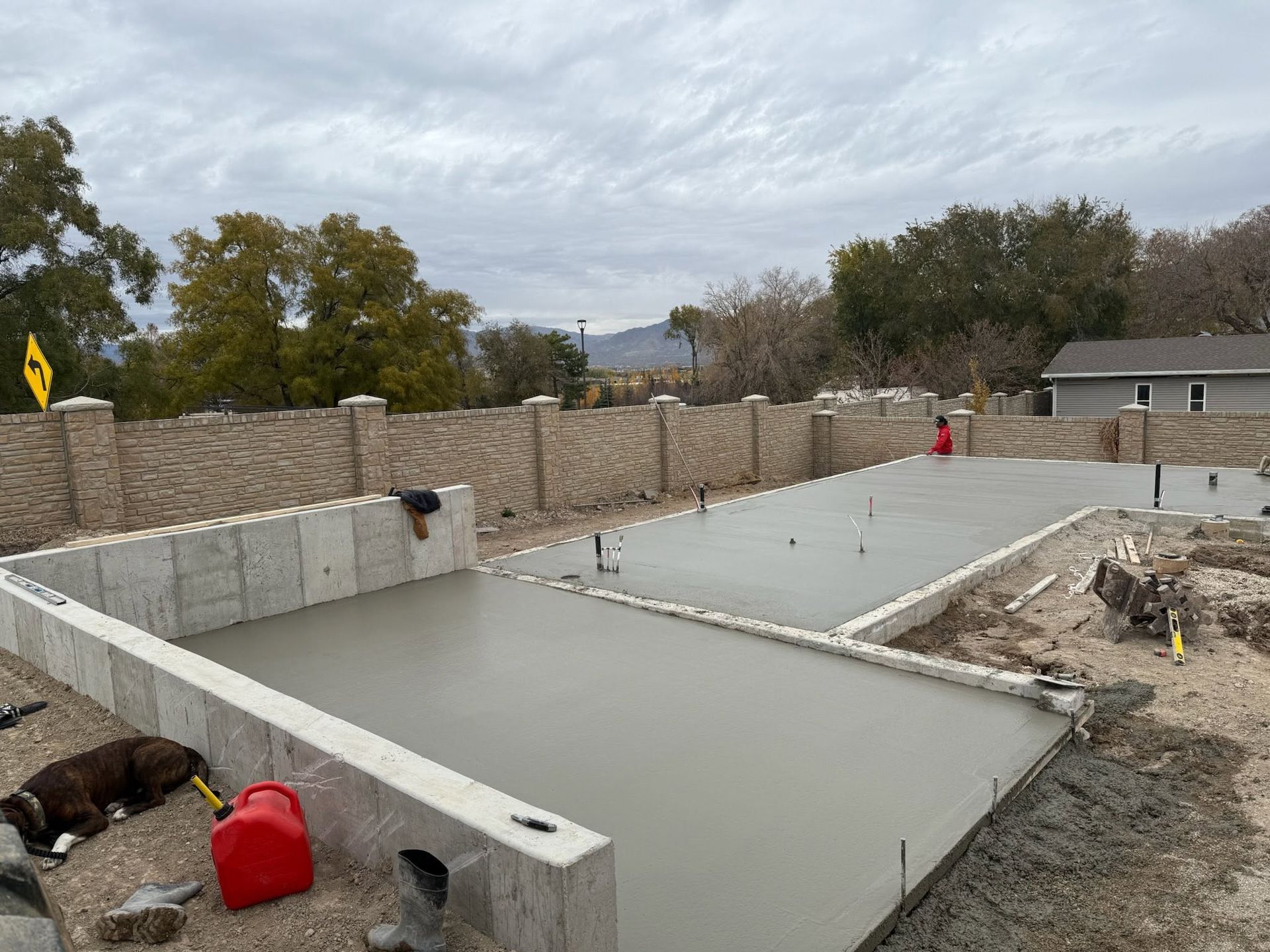
Explore Our Recent Projects
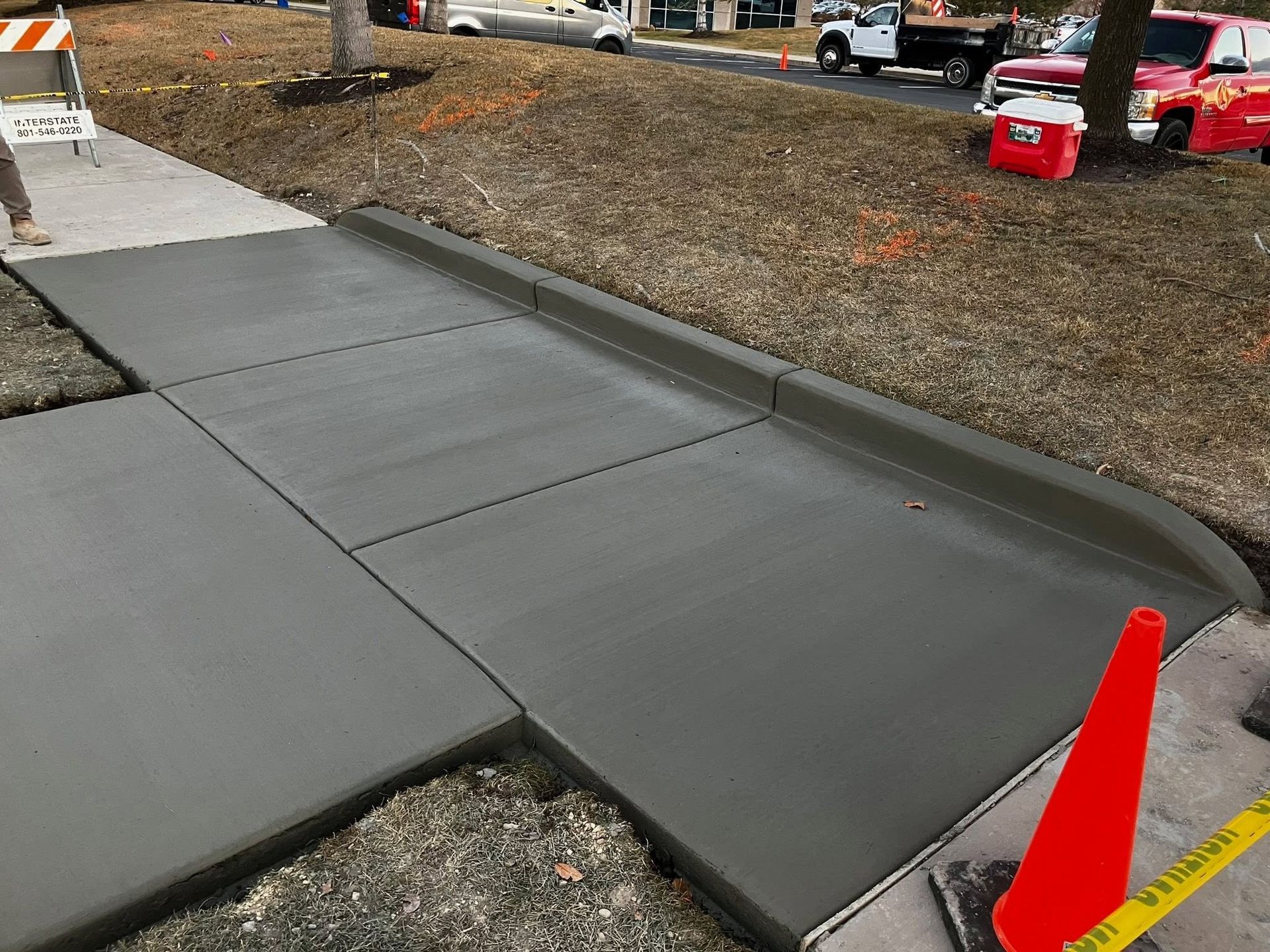
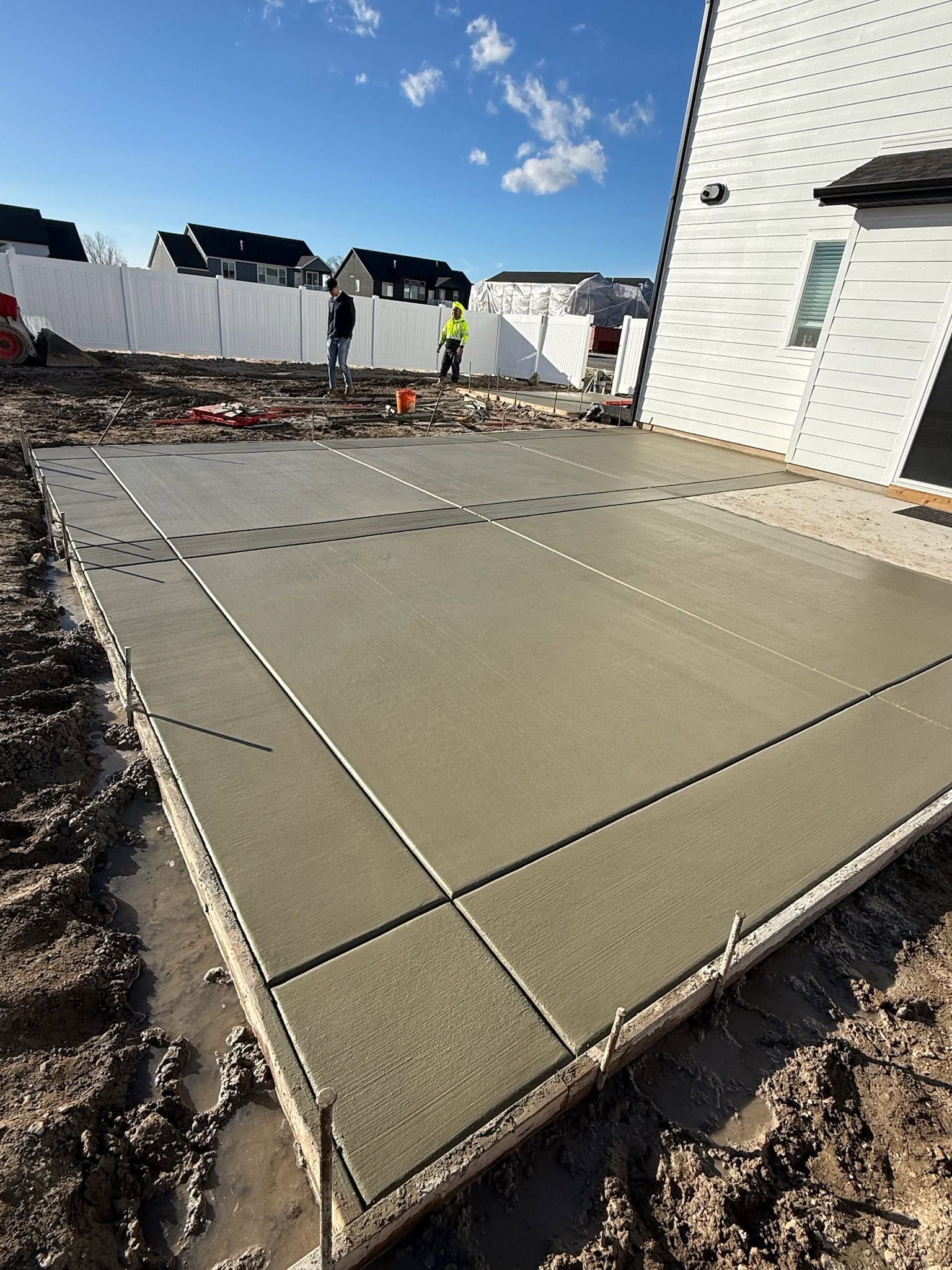
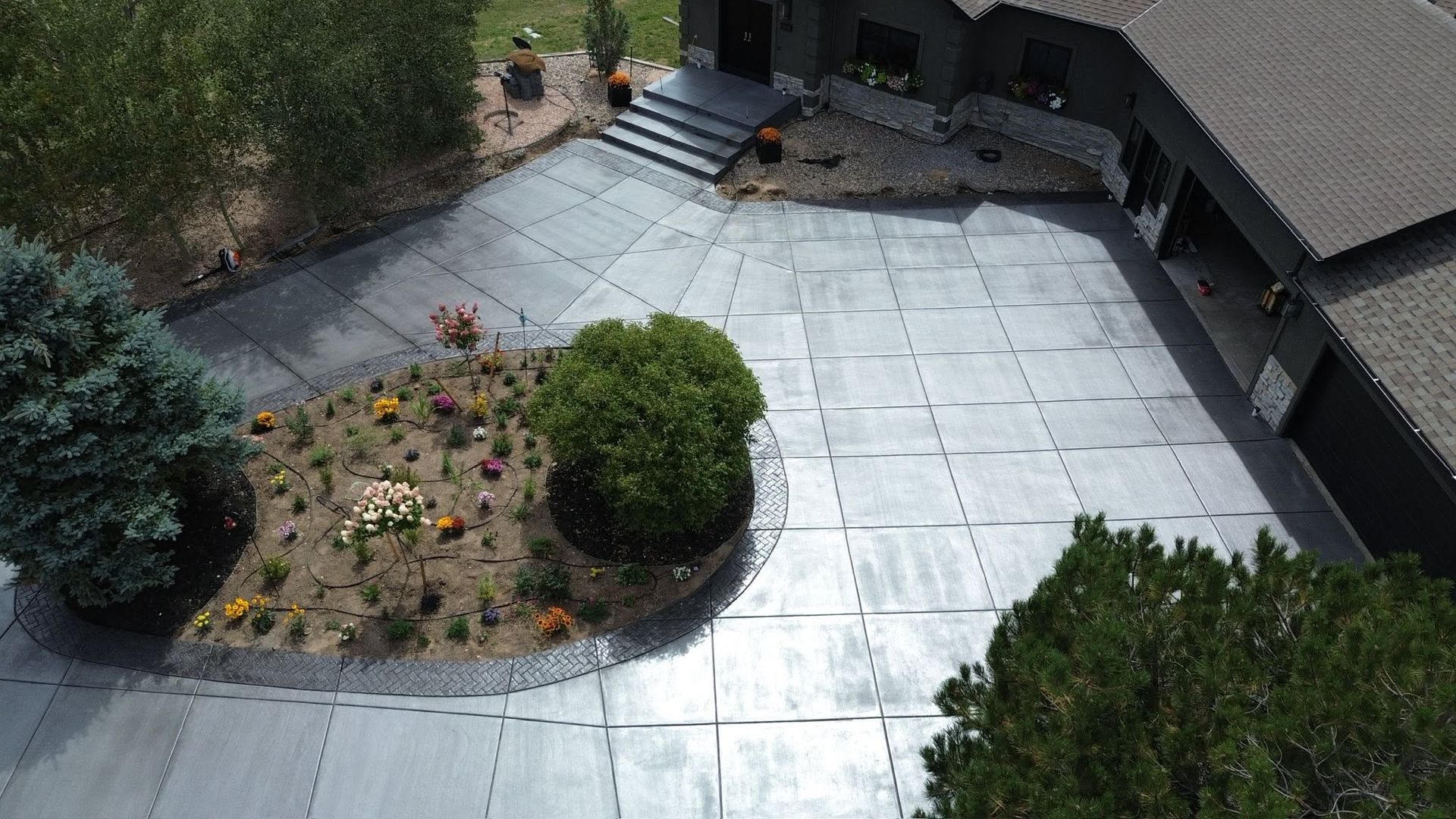
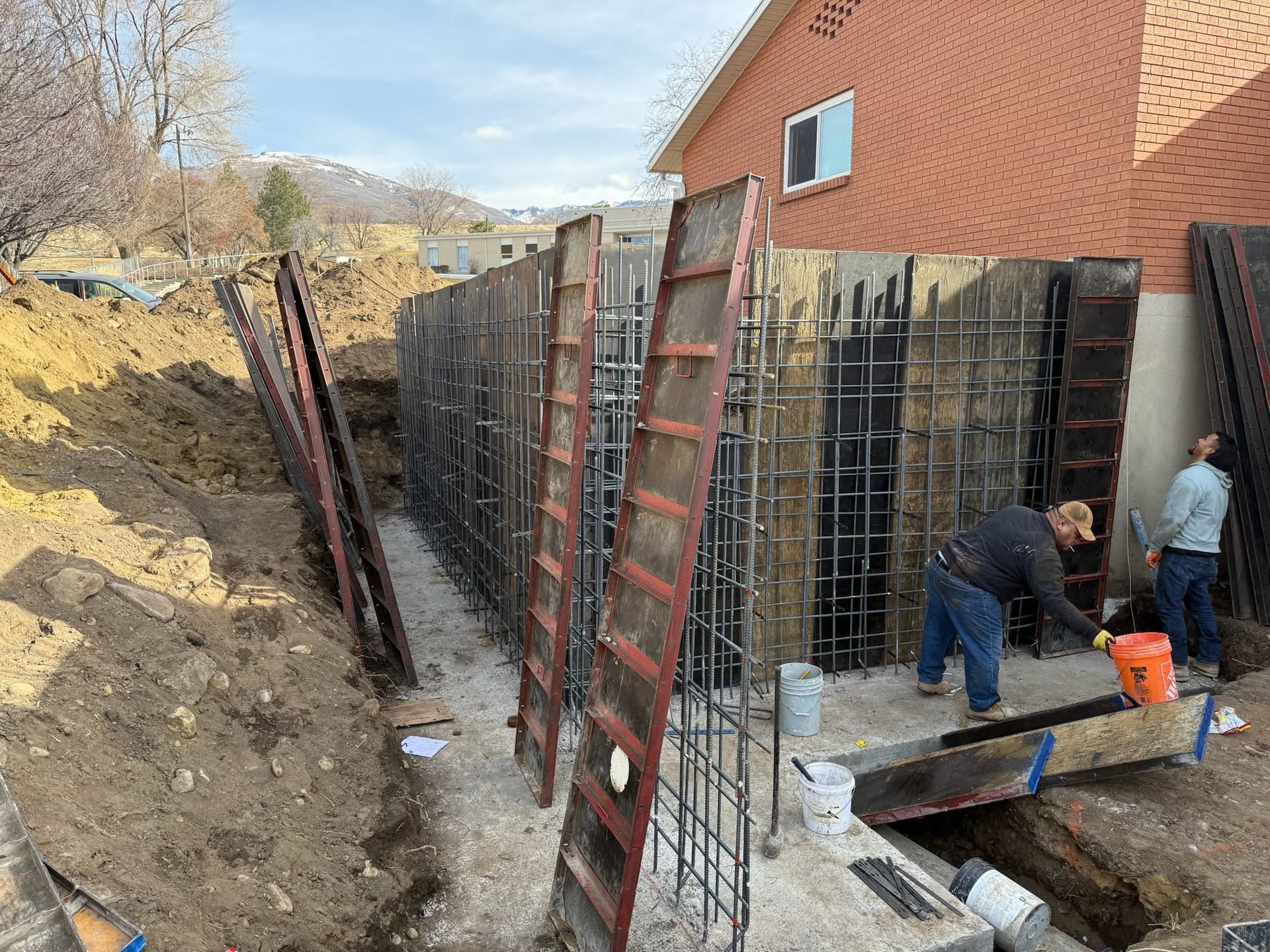
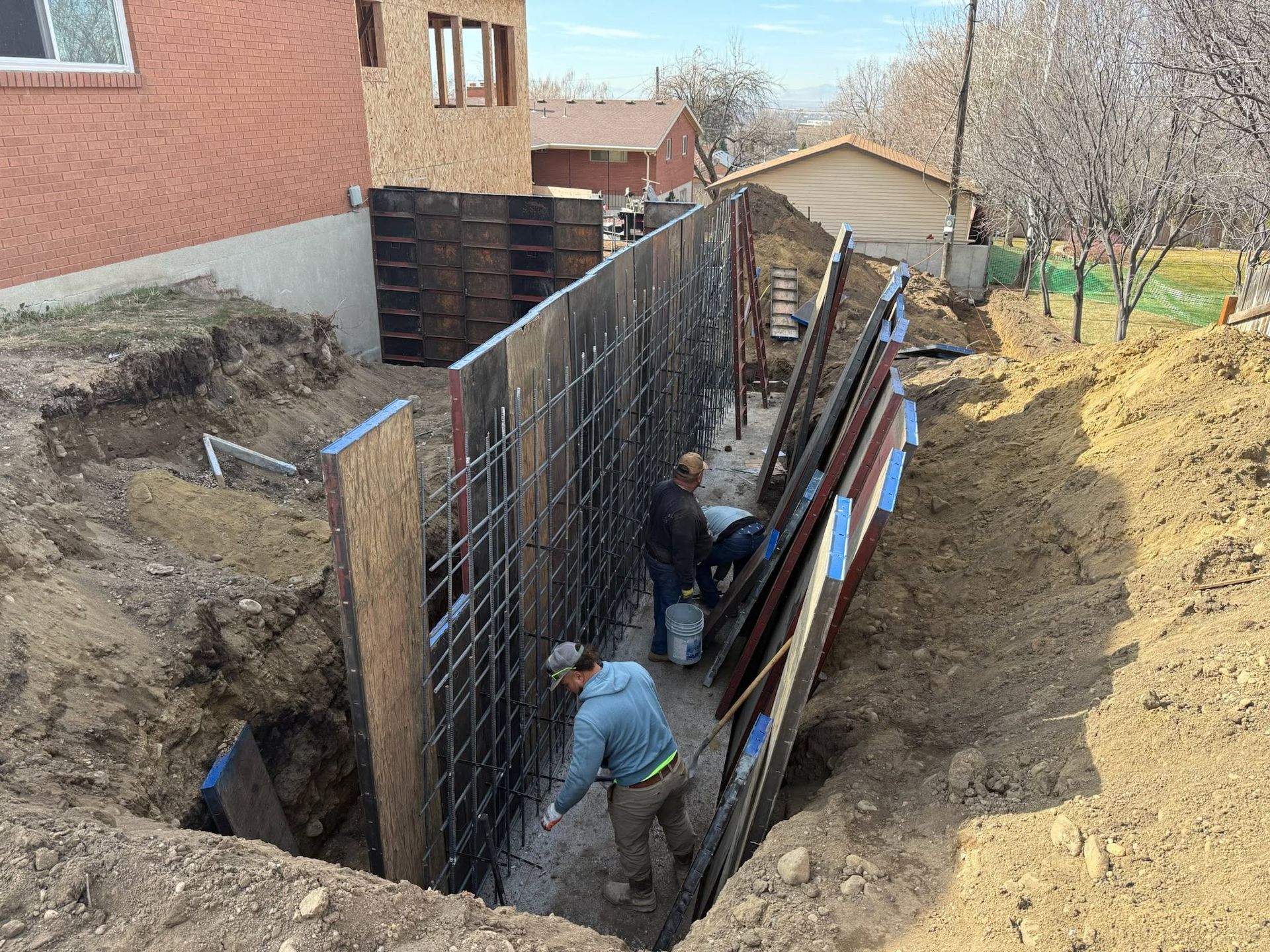
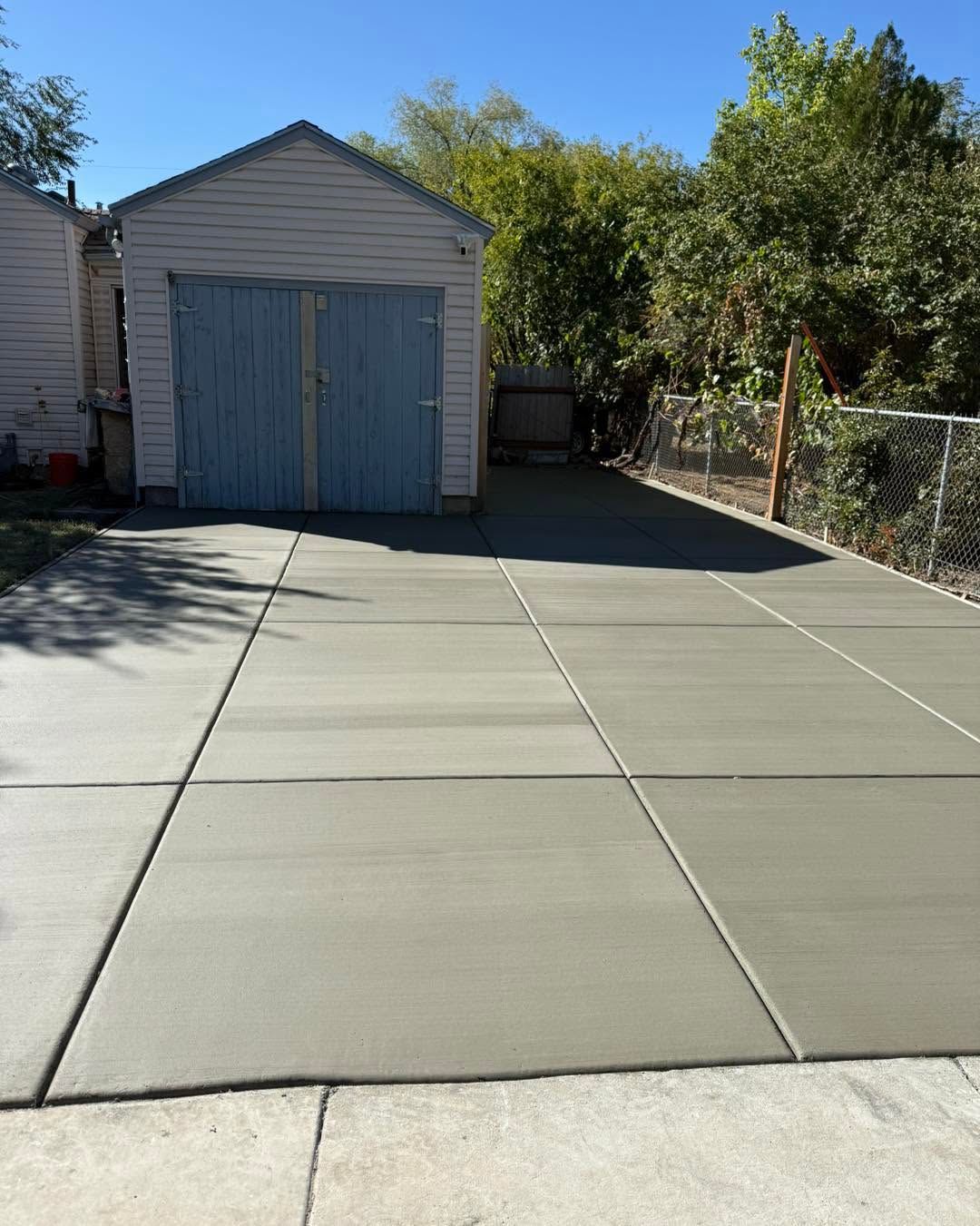
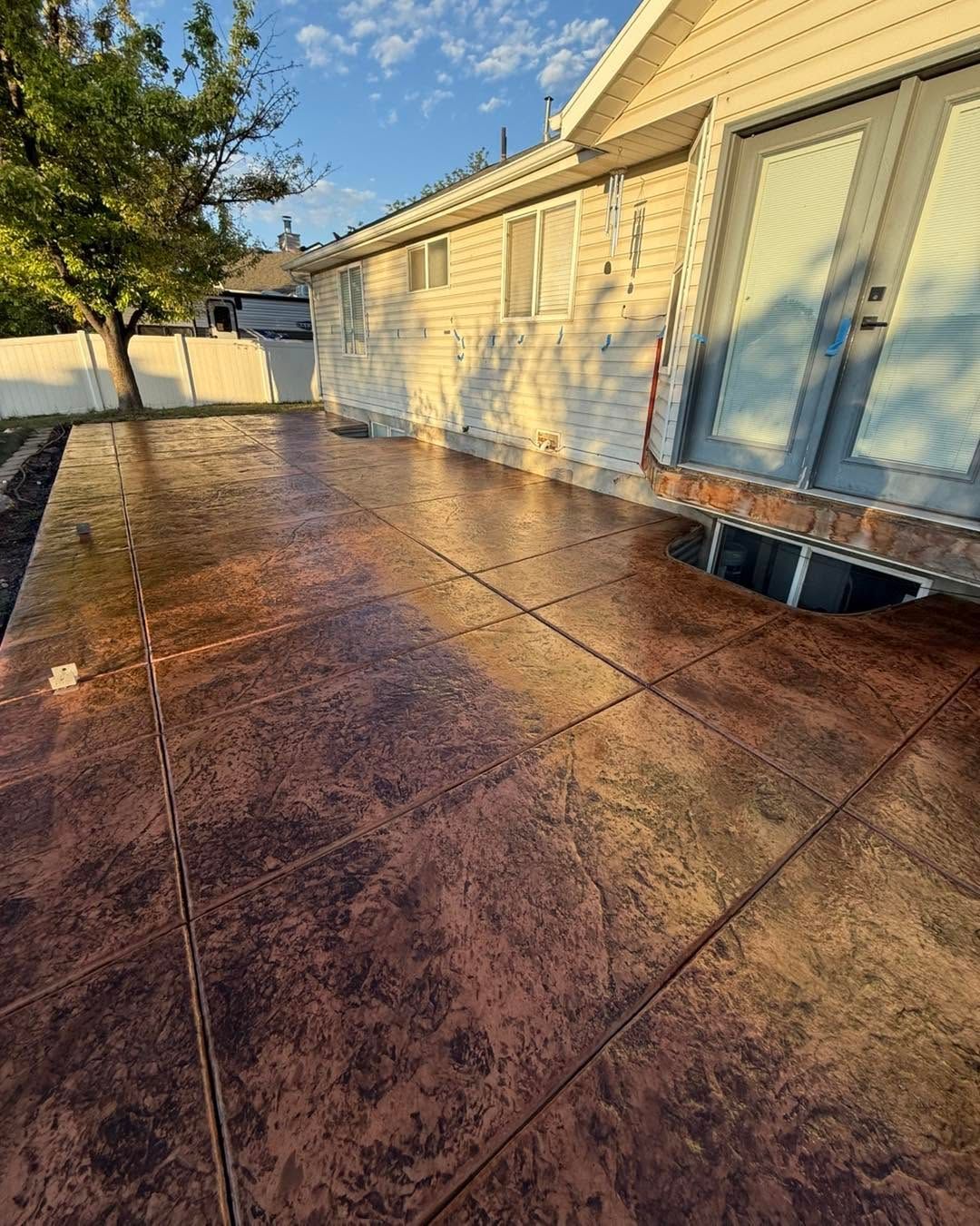
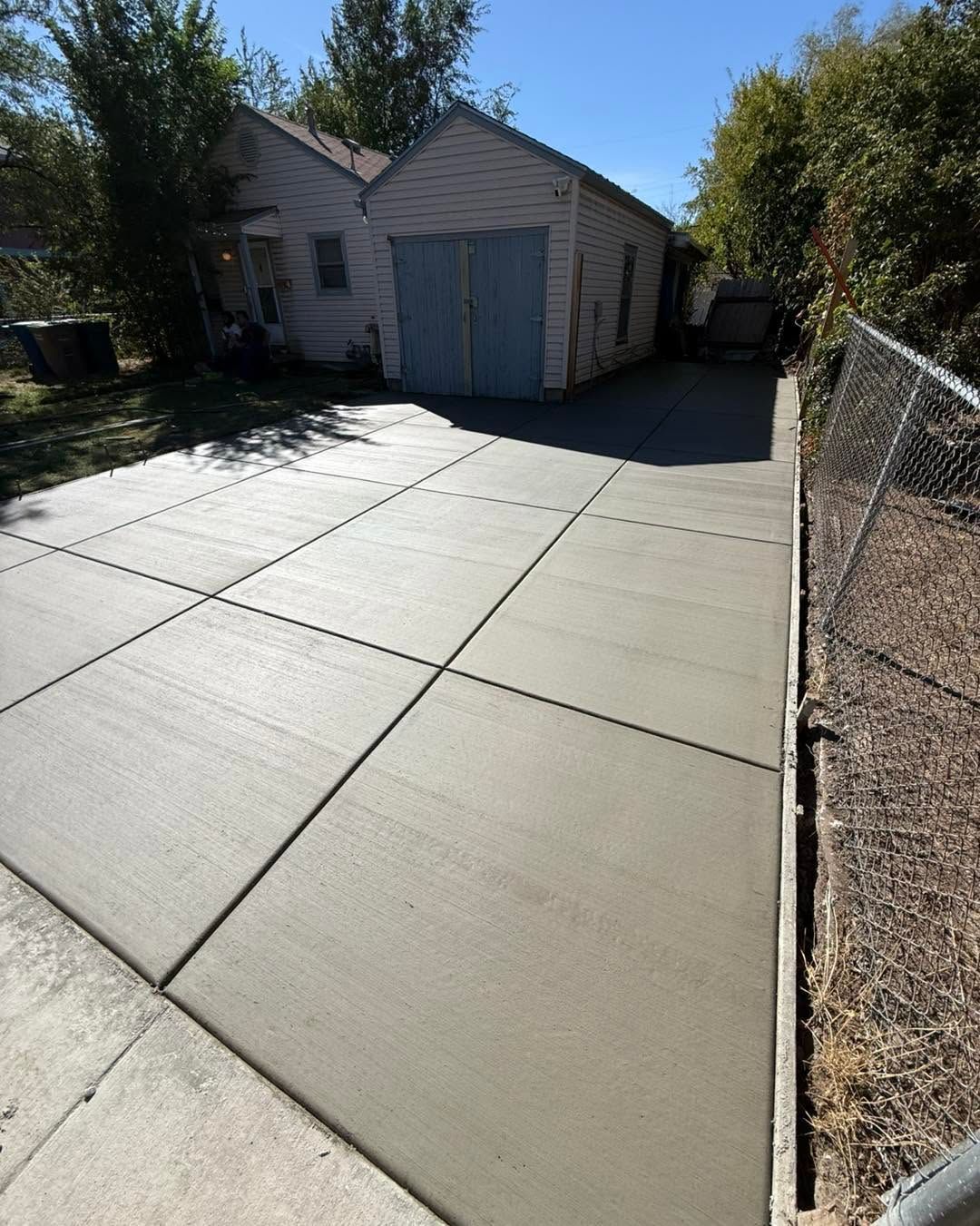
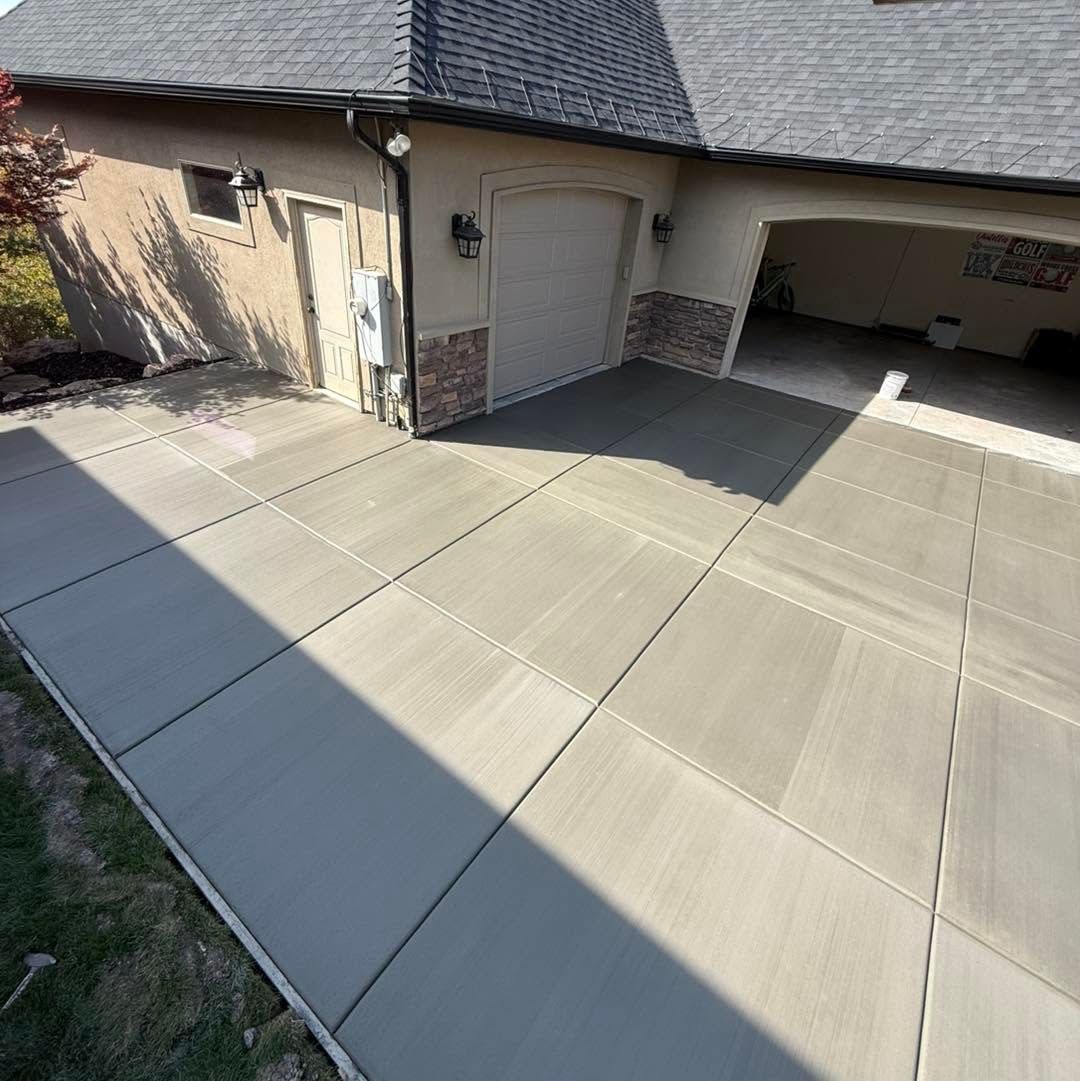
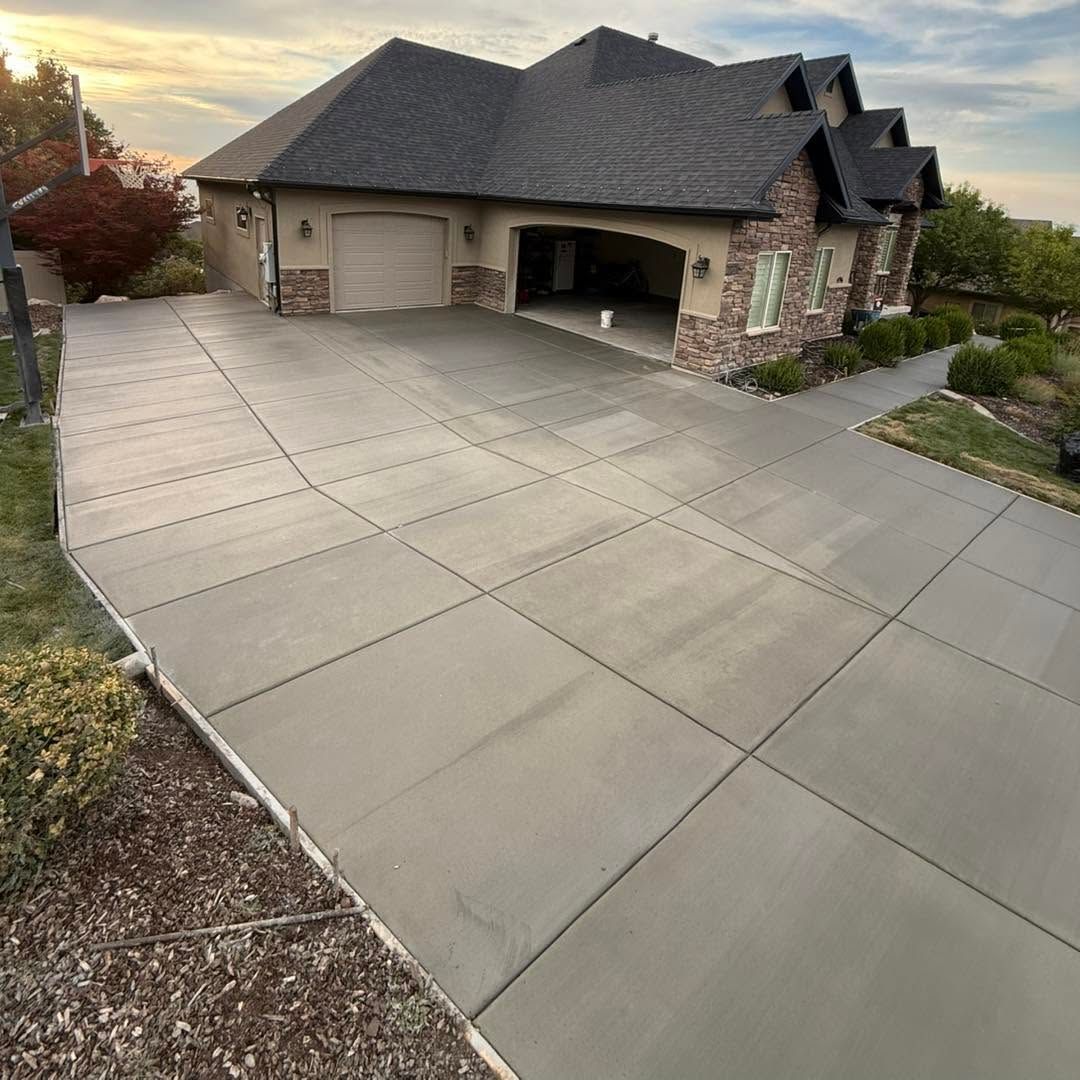
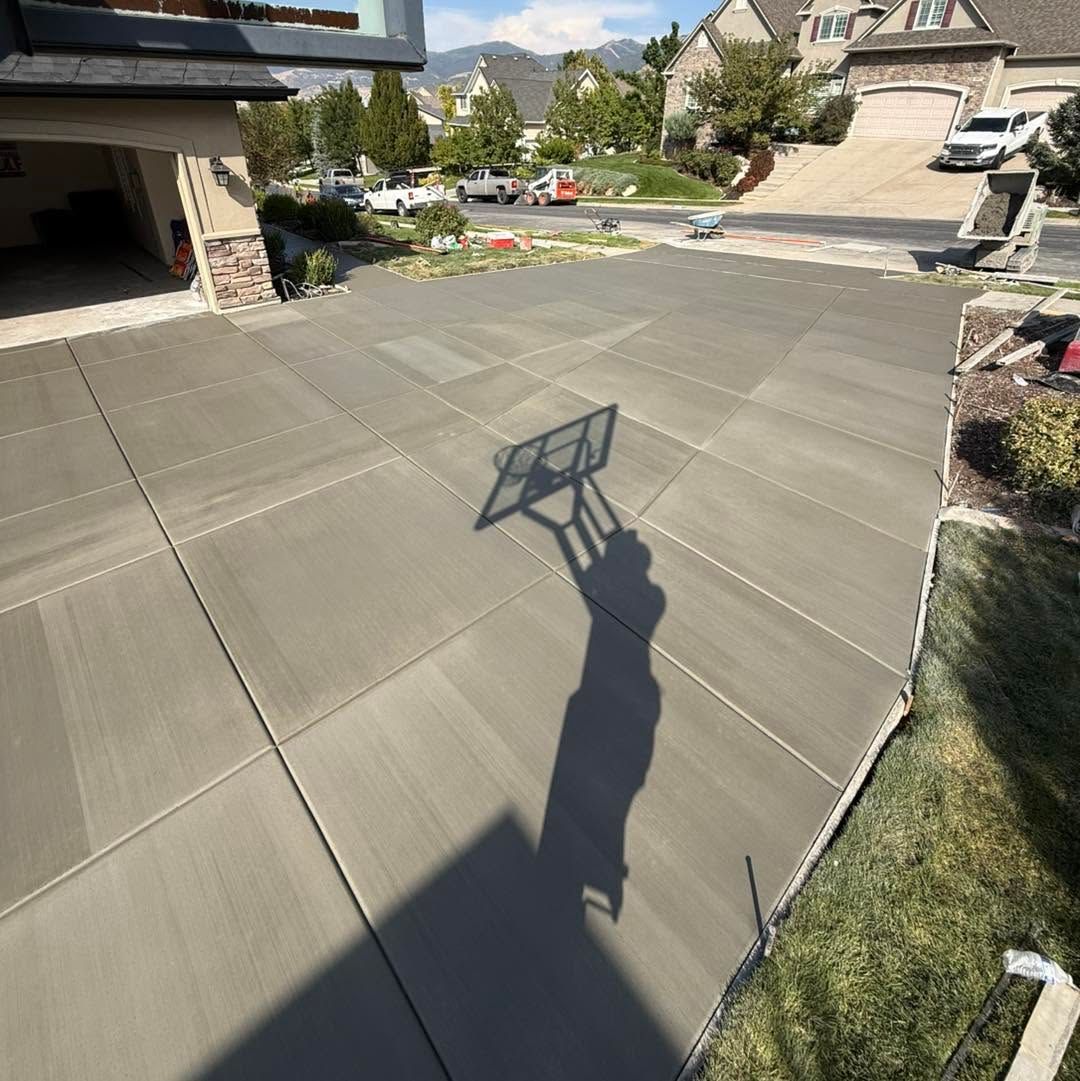
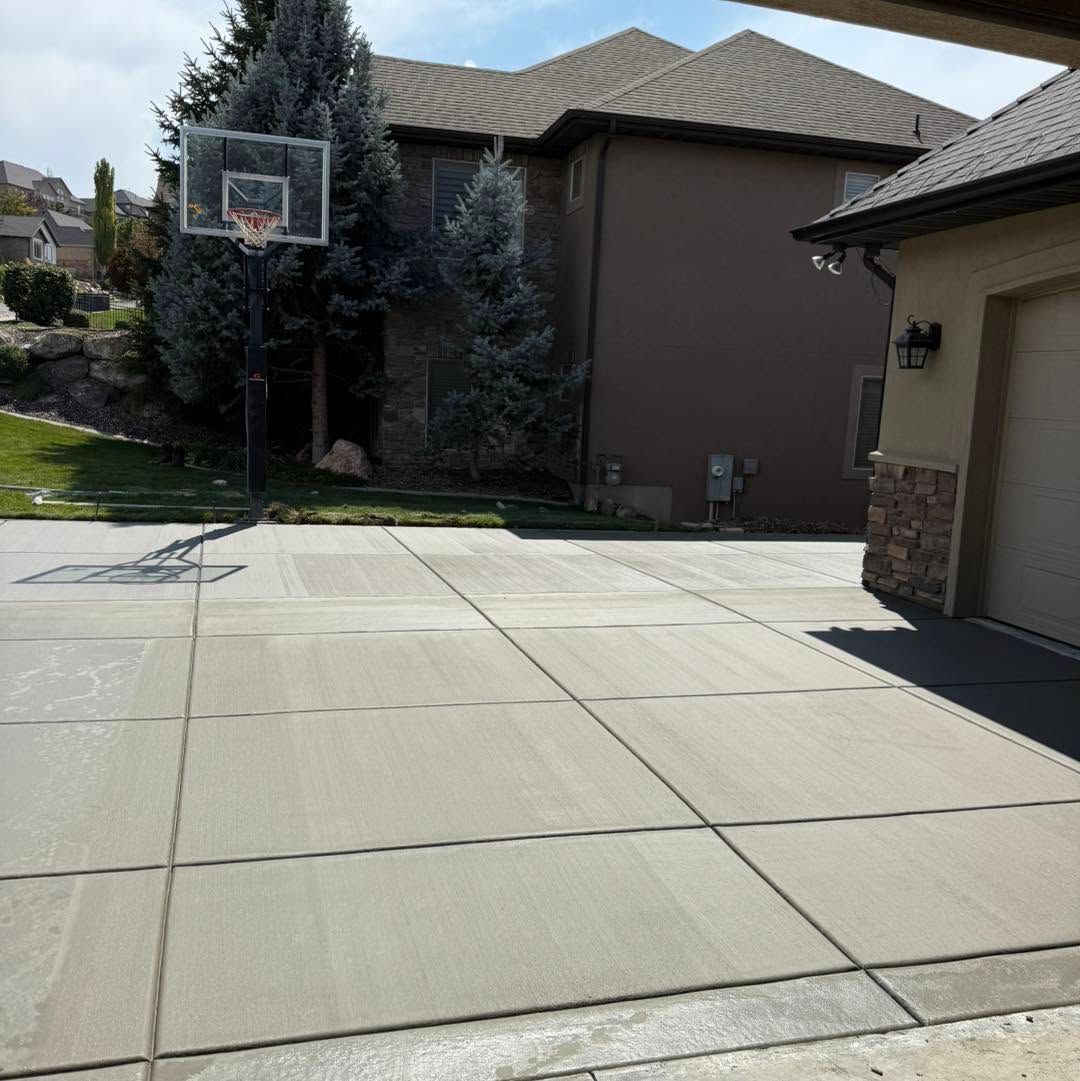
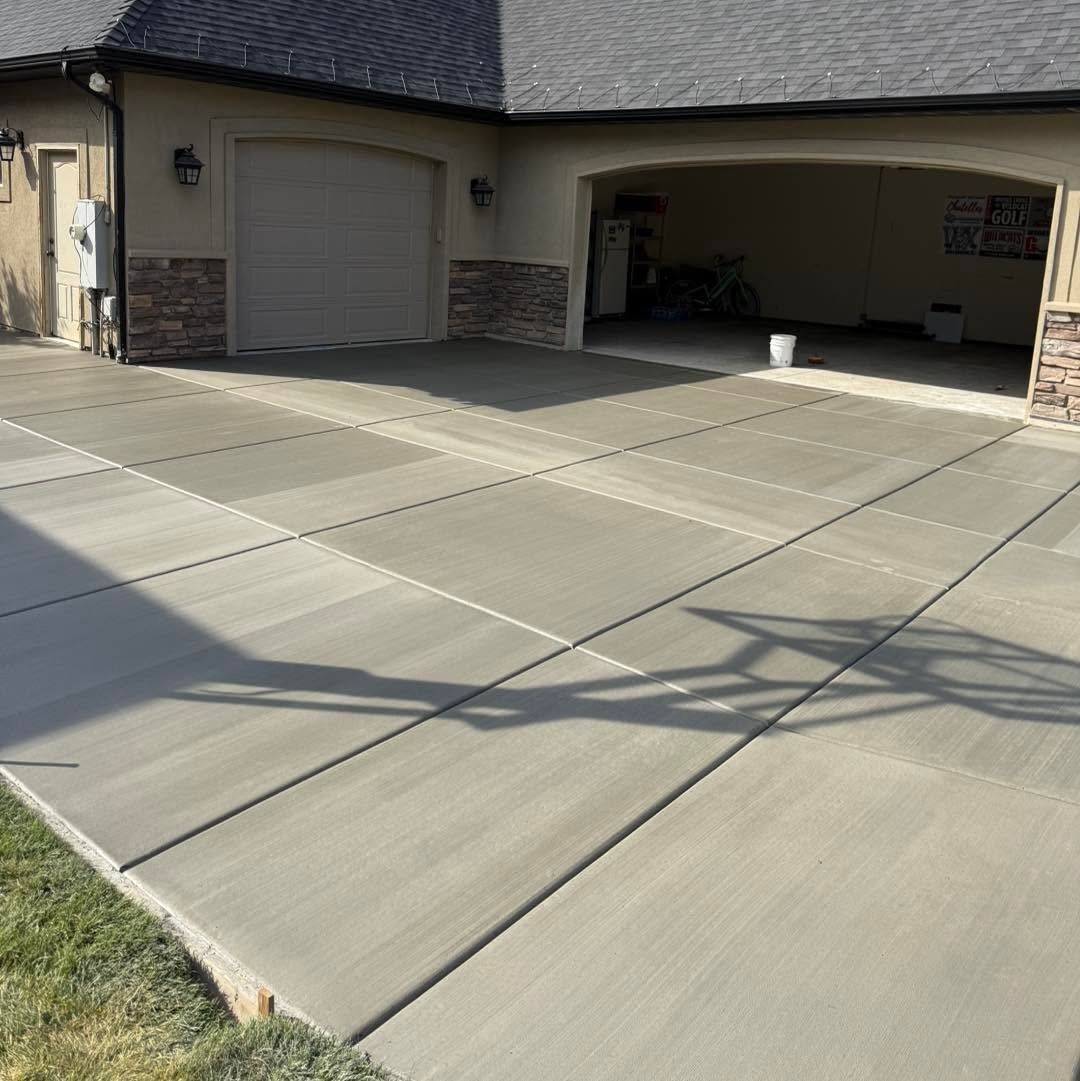
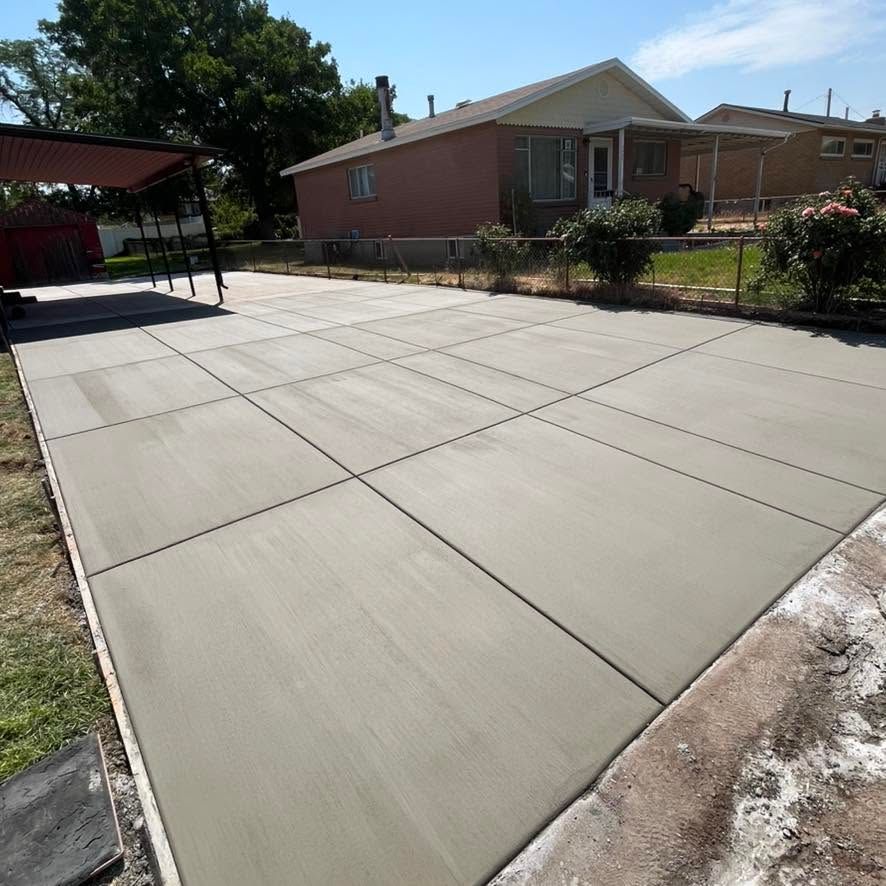
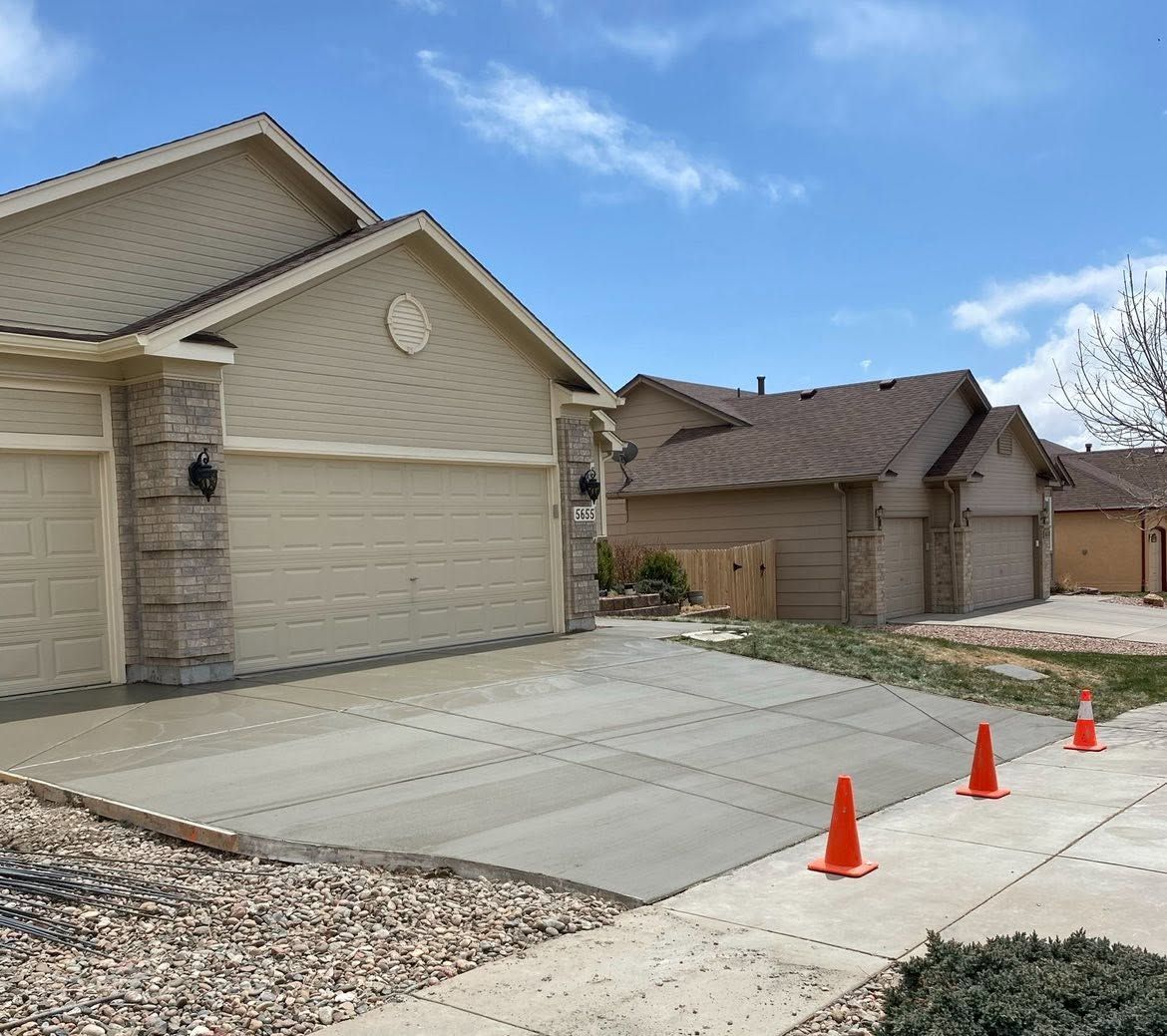
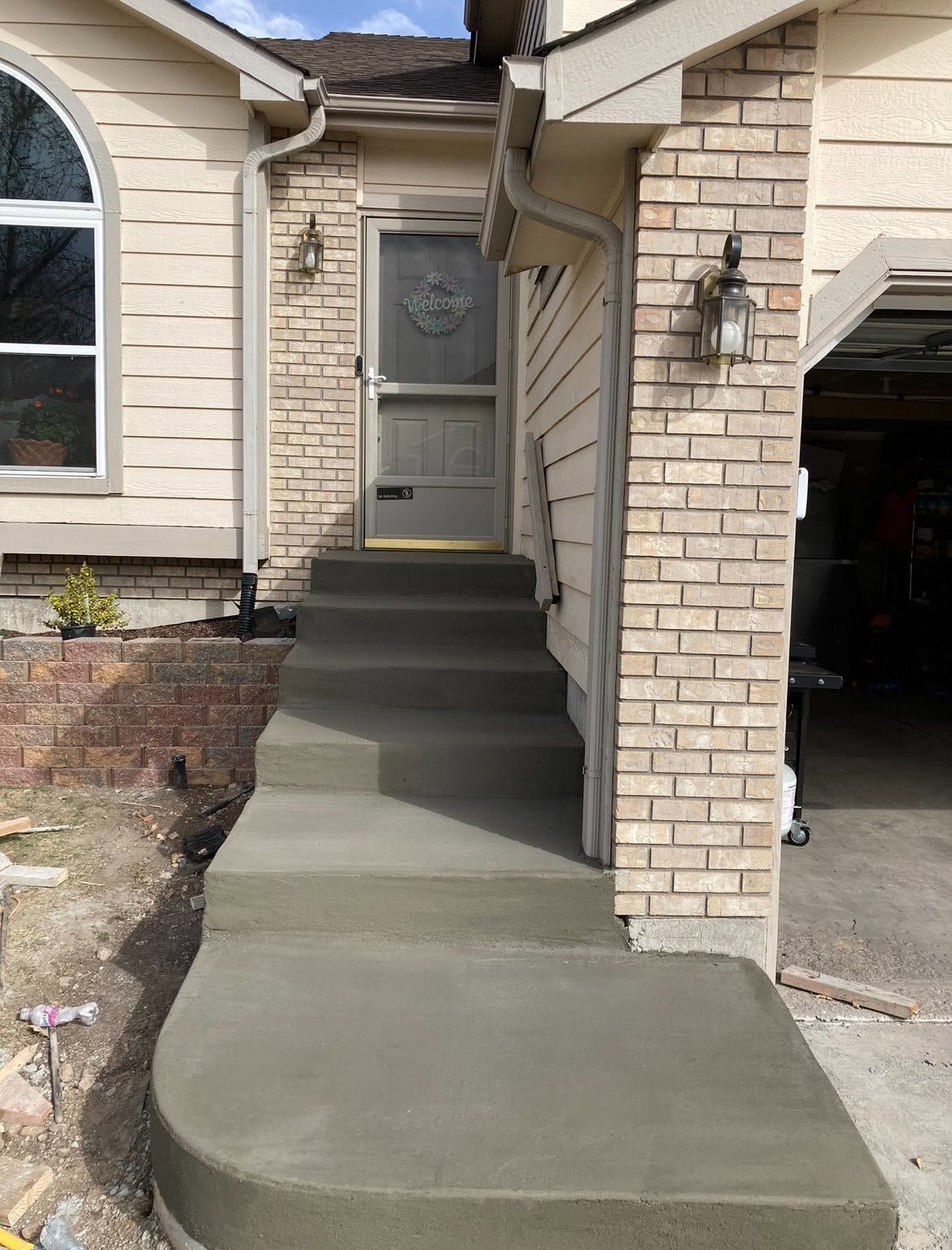
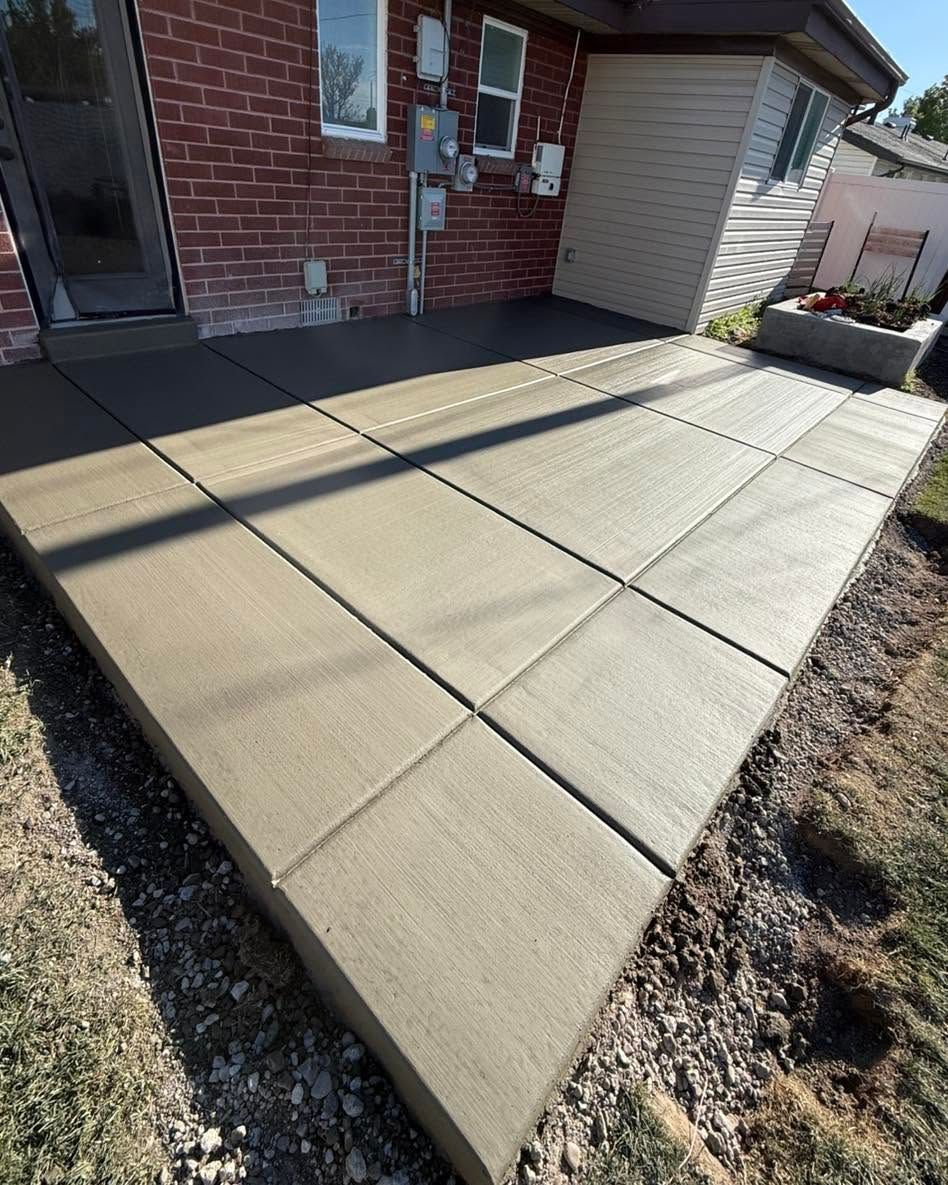
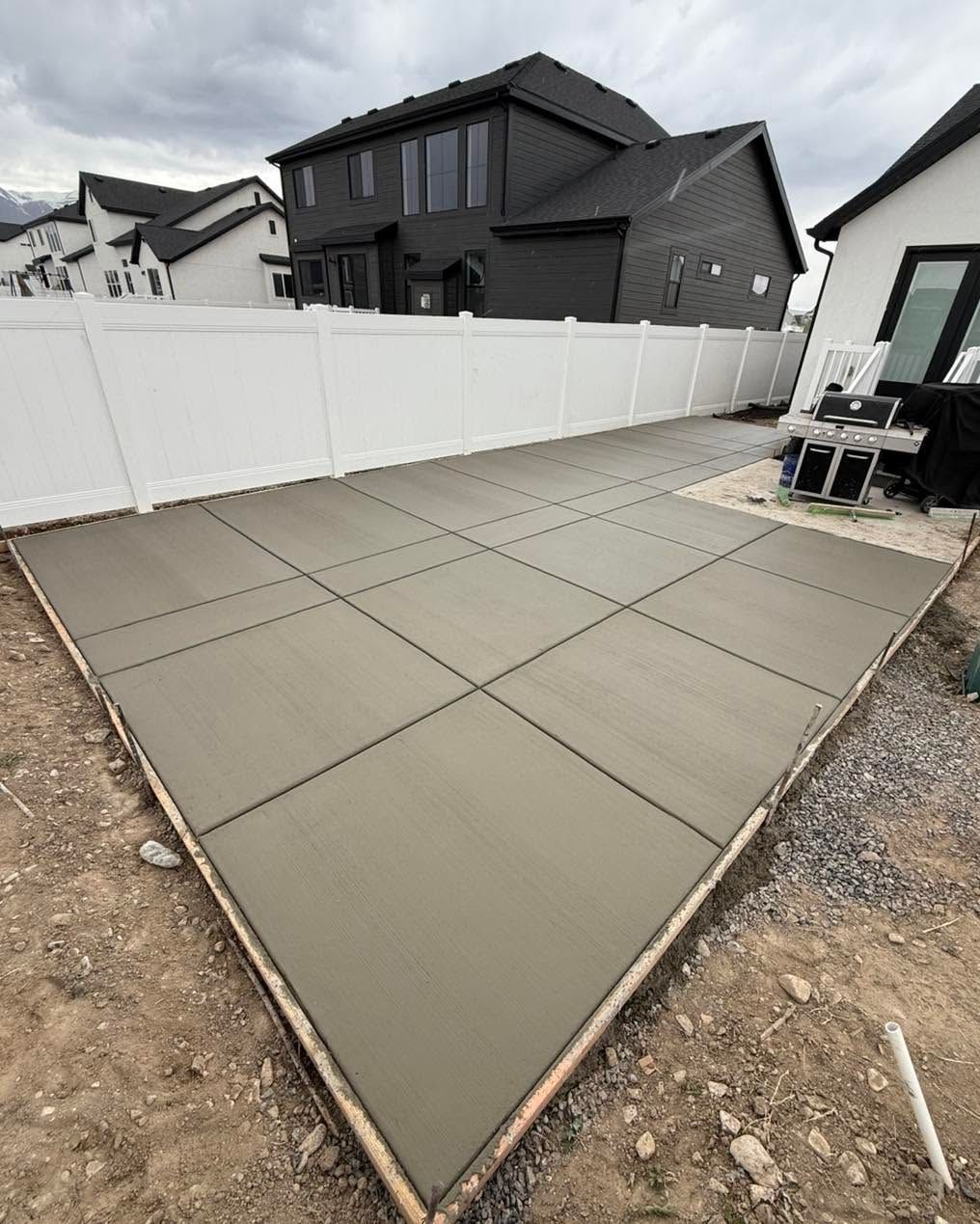
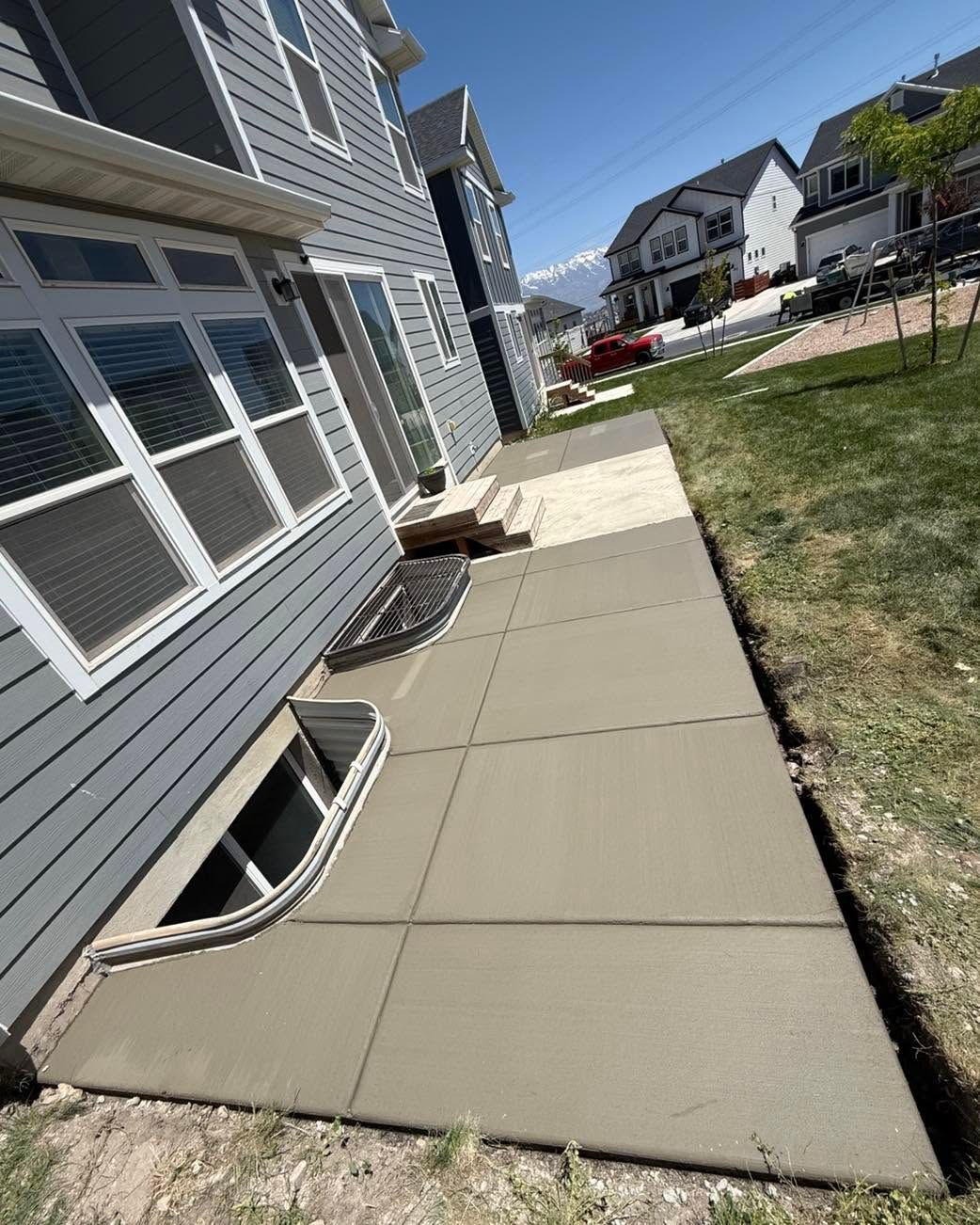
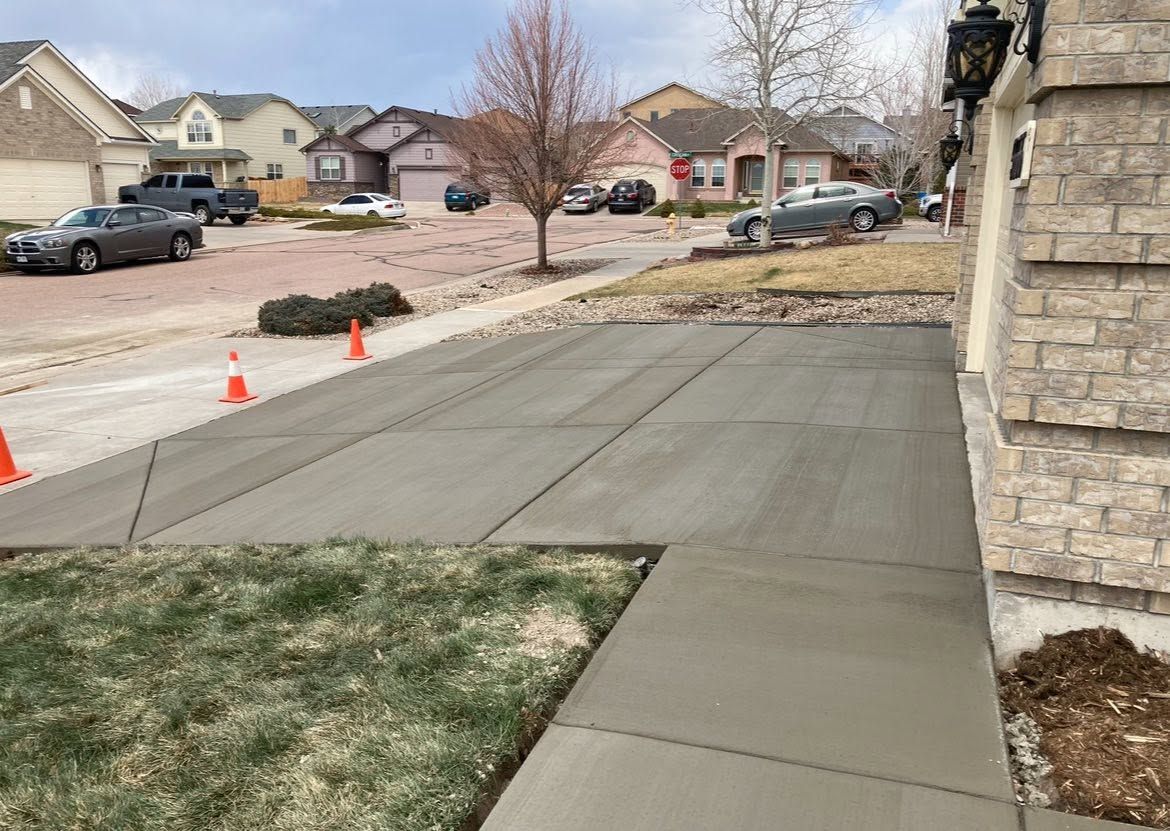
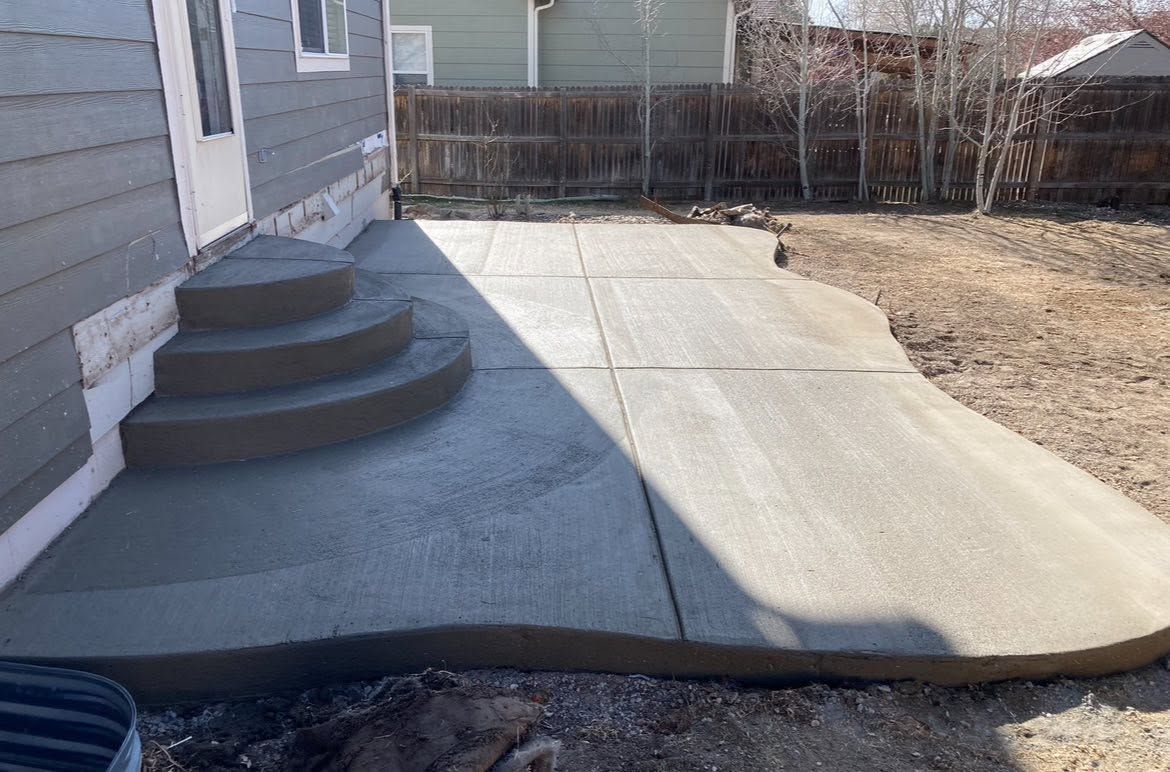
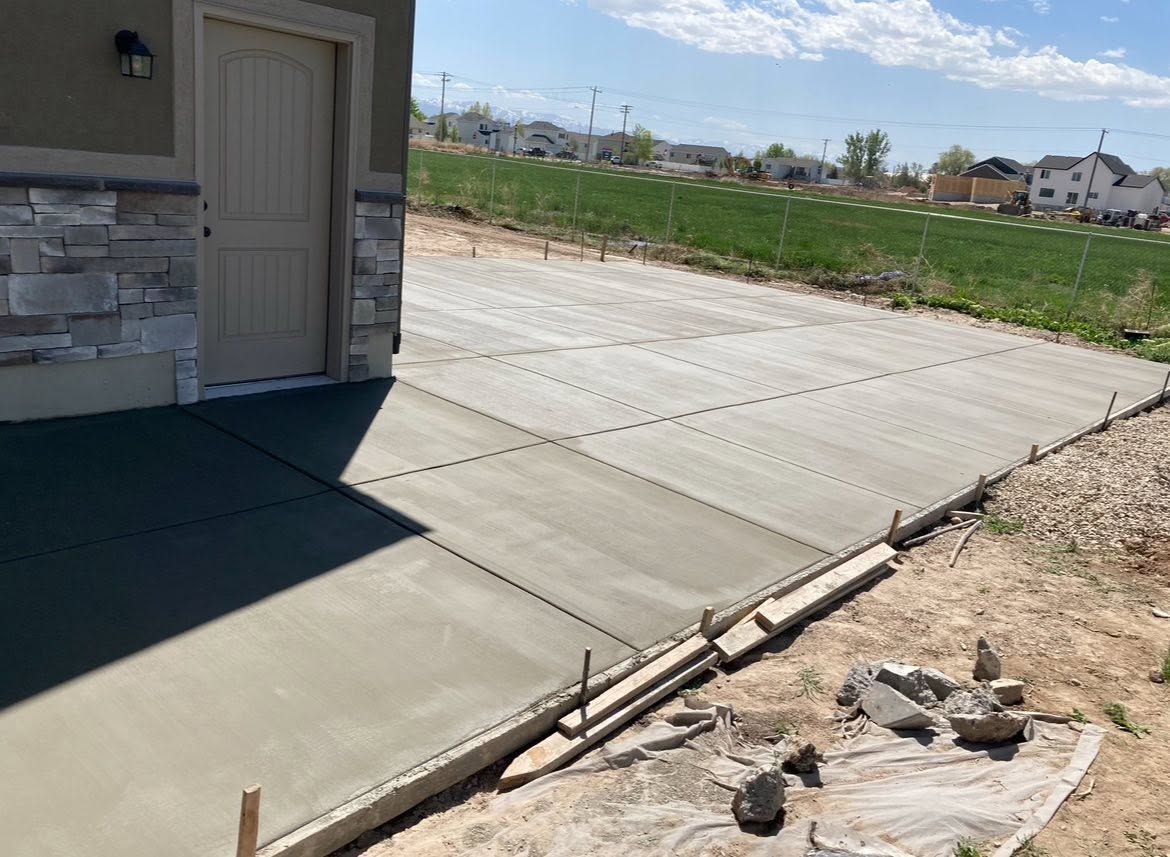
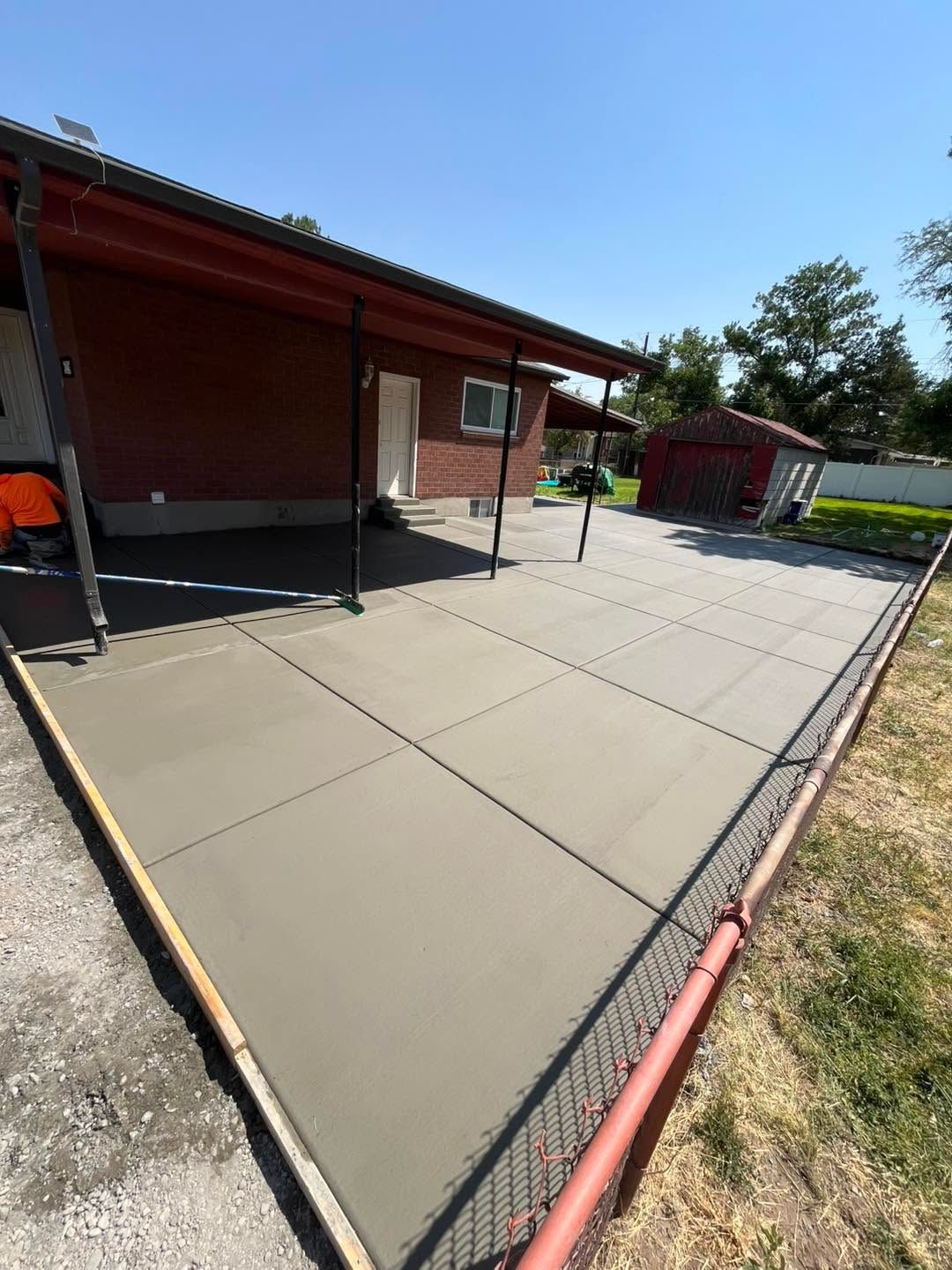
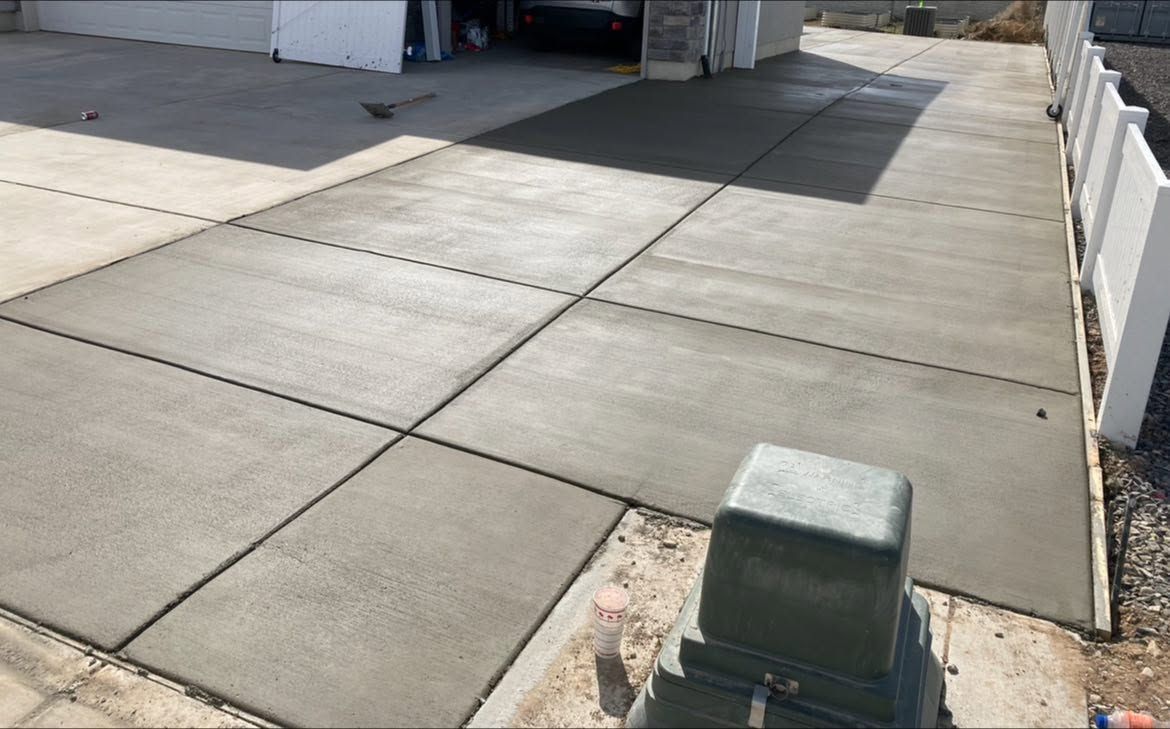
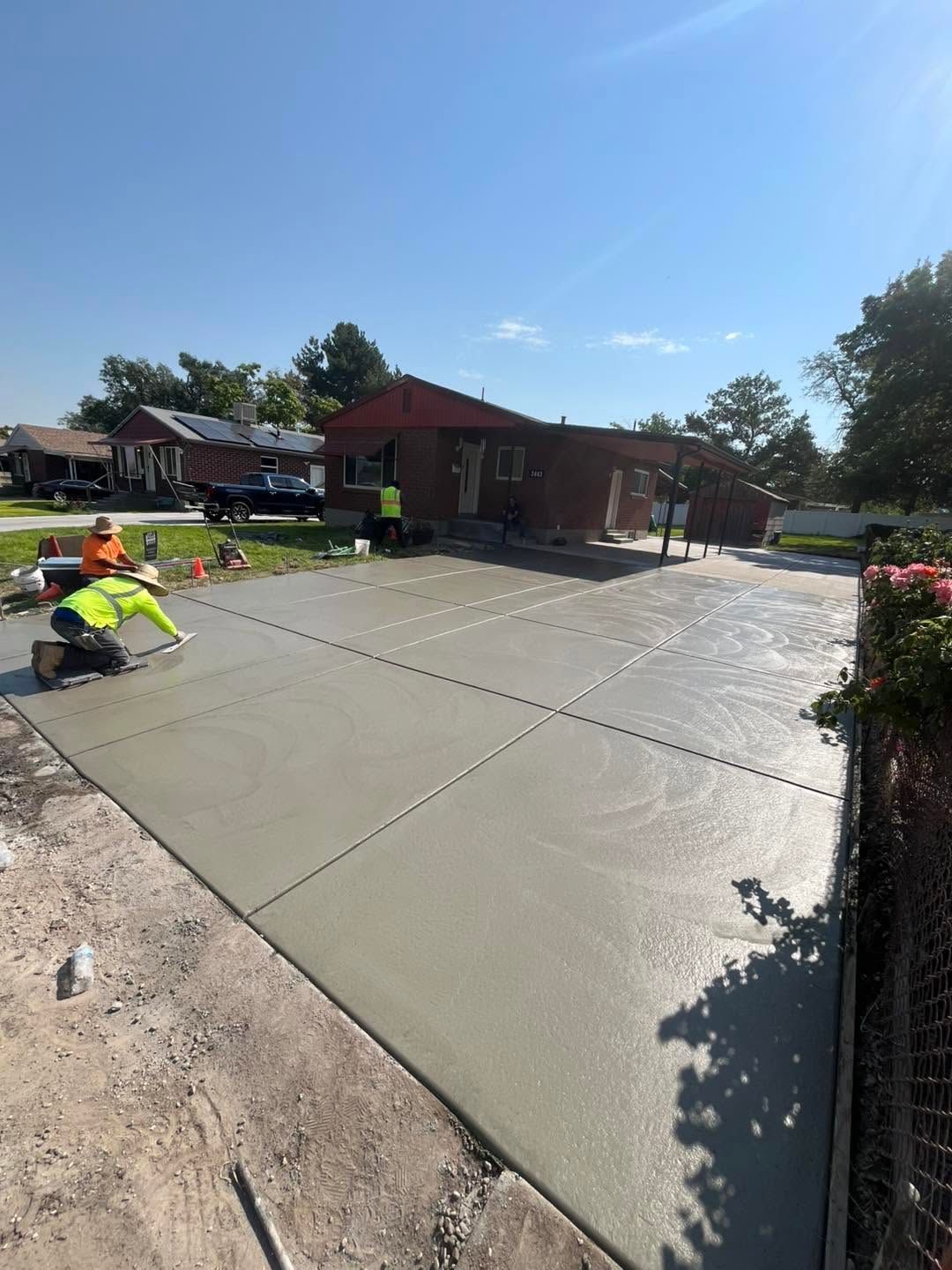
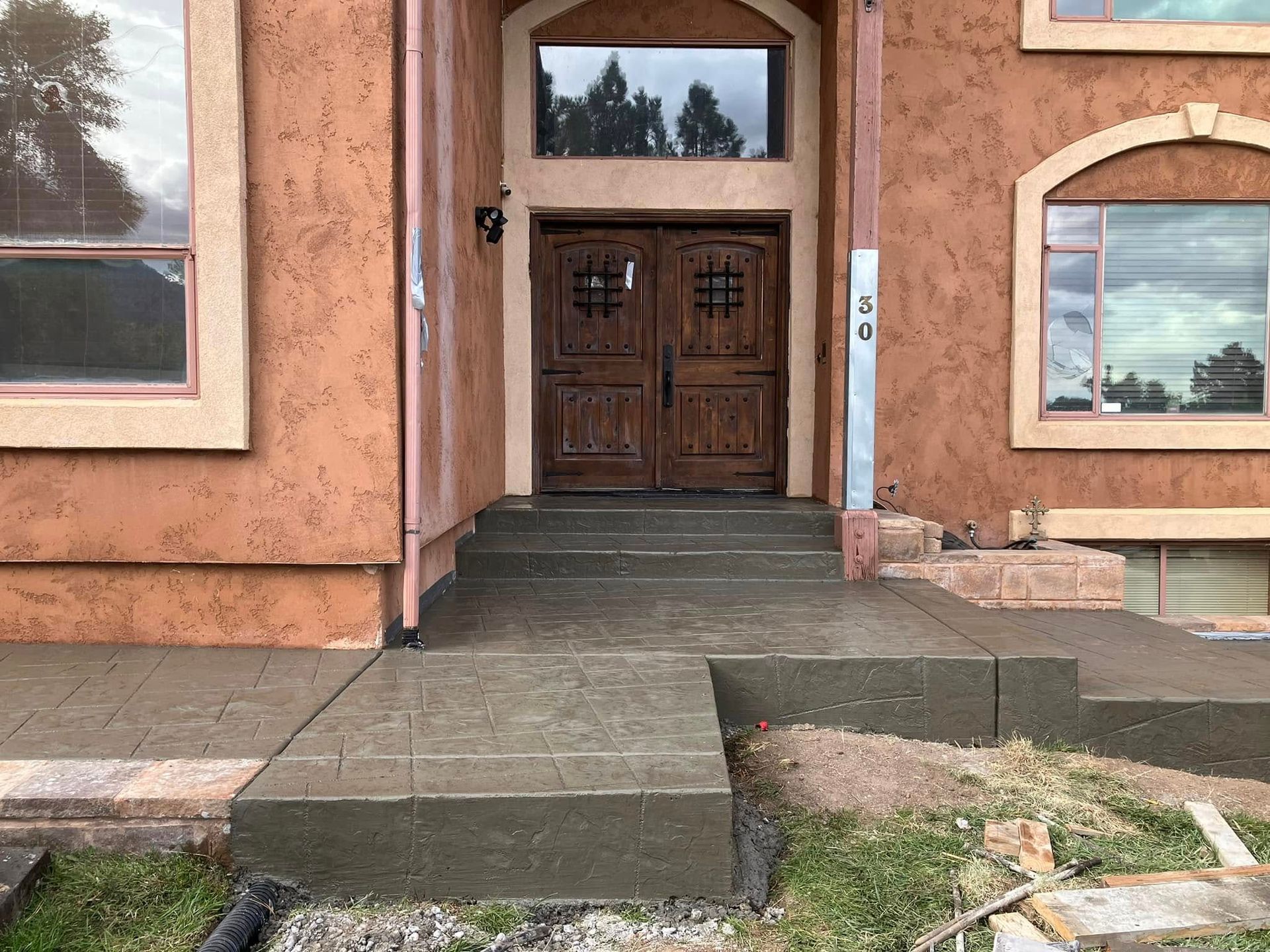
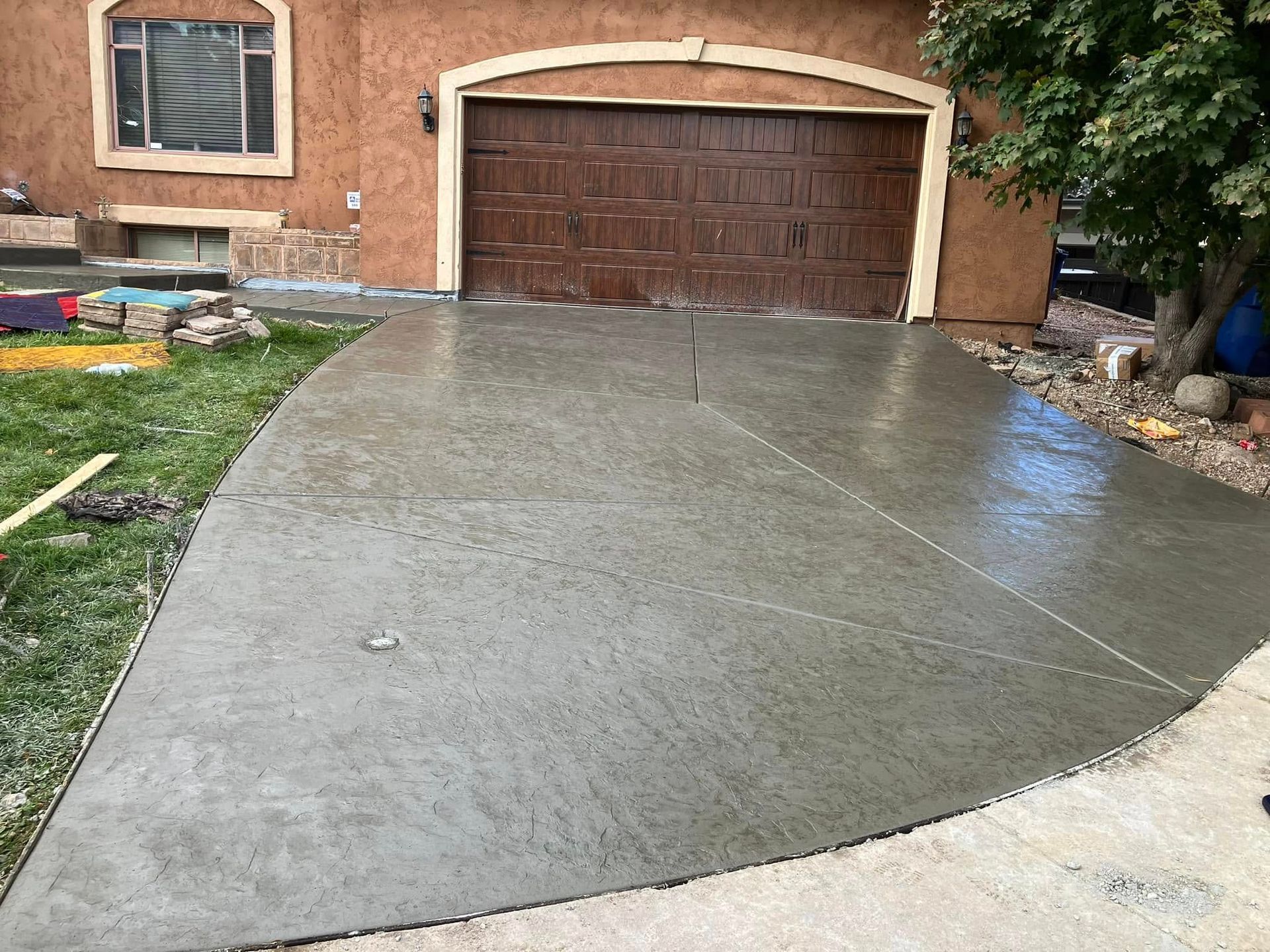
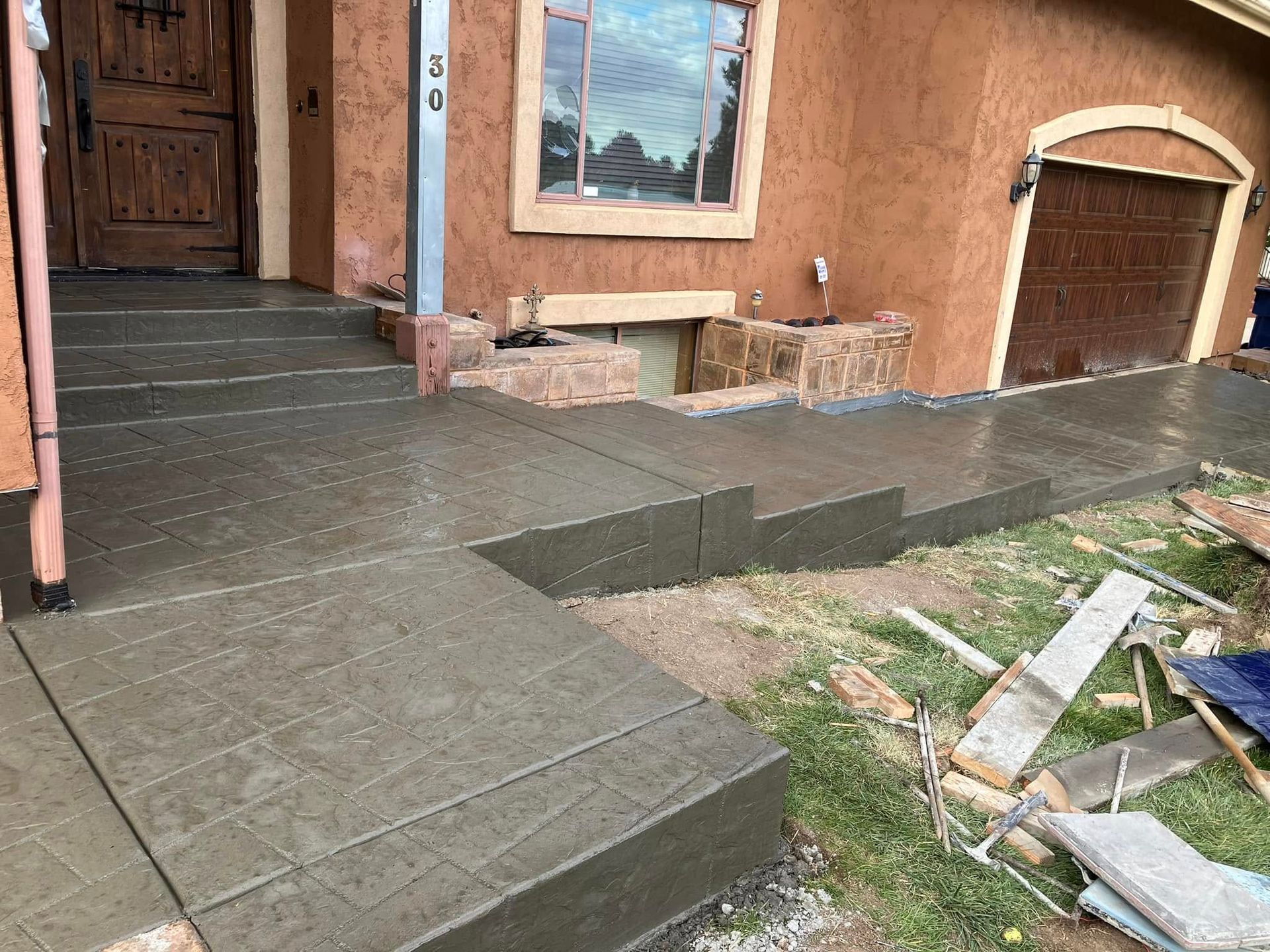
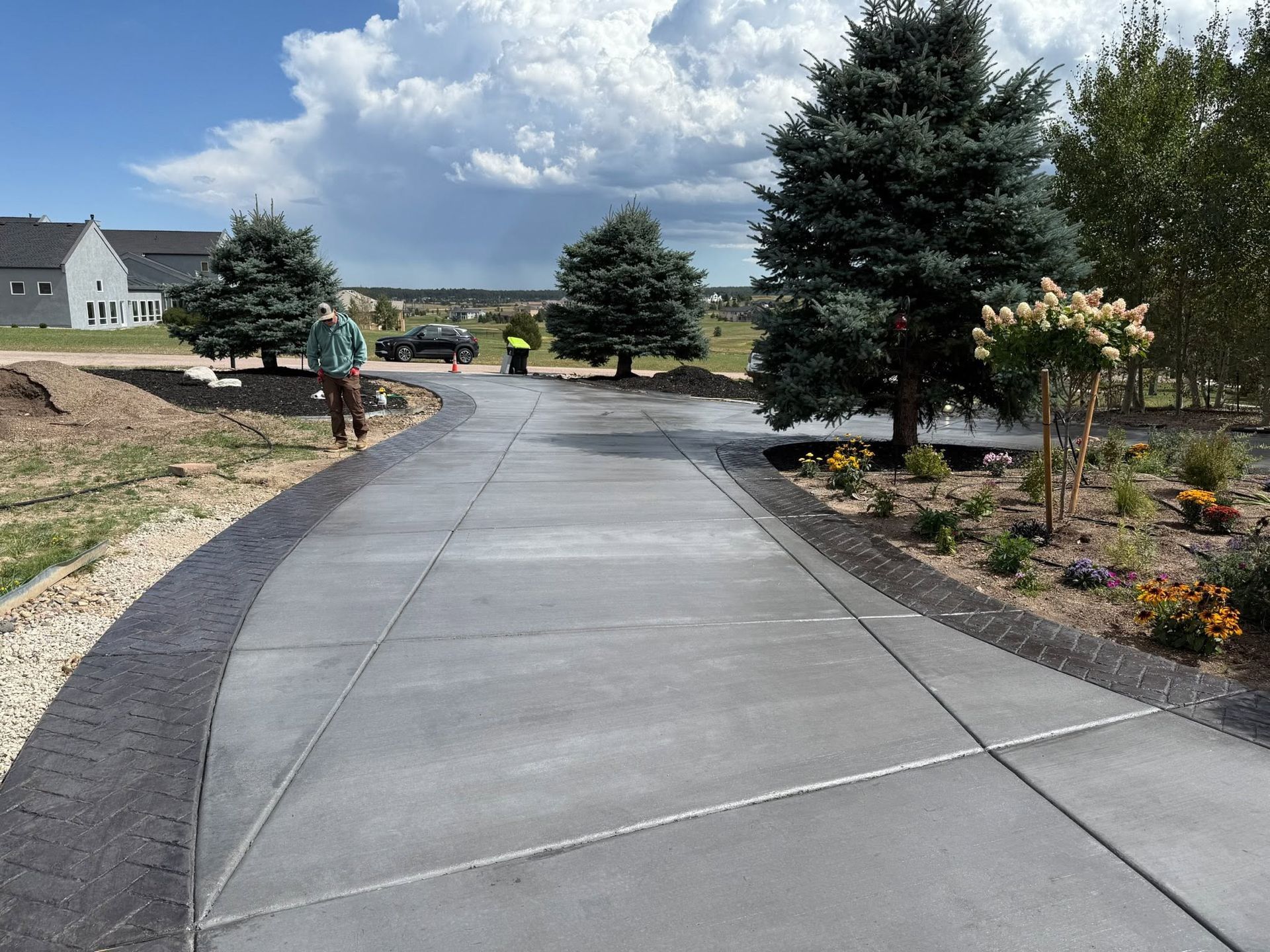
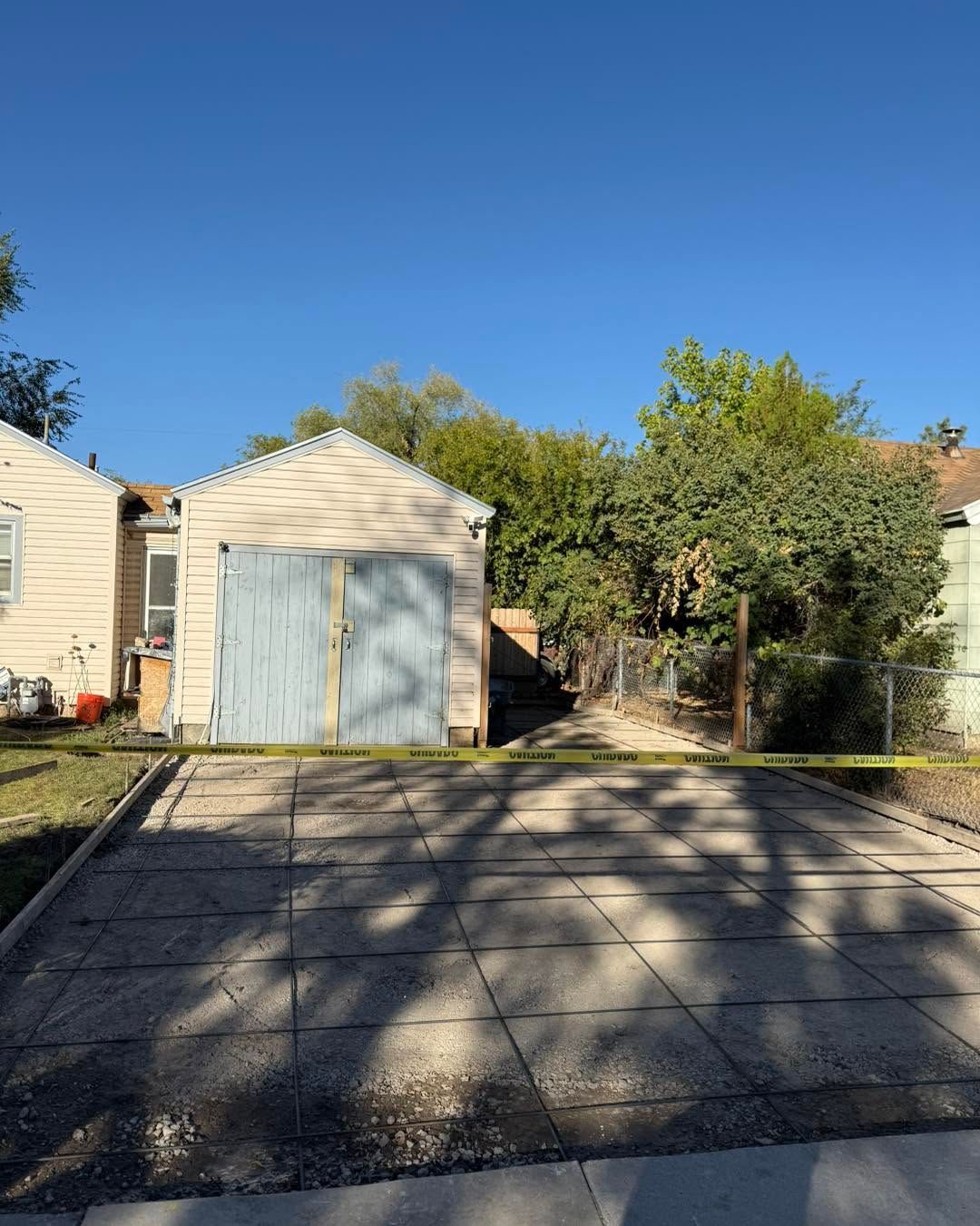
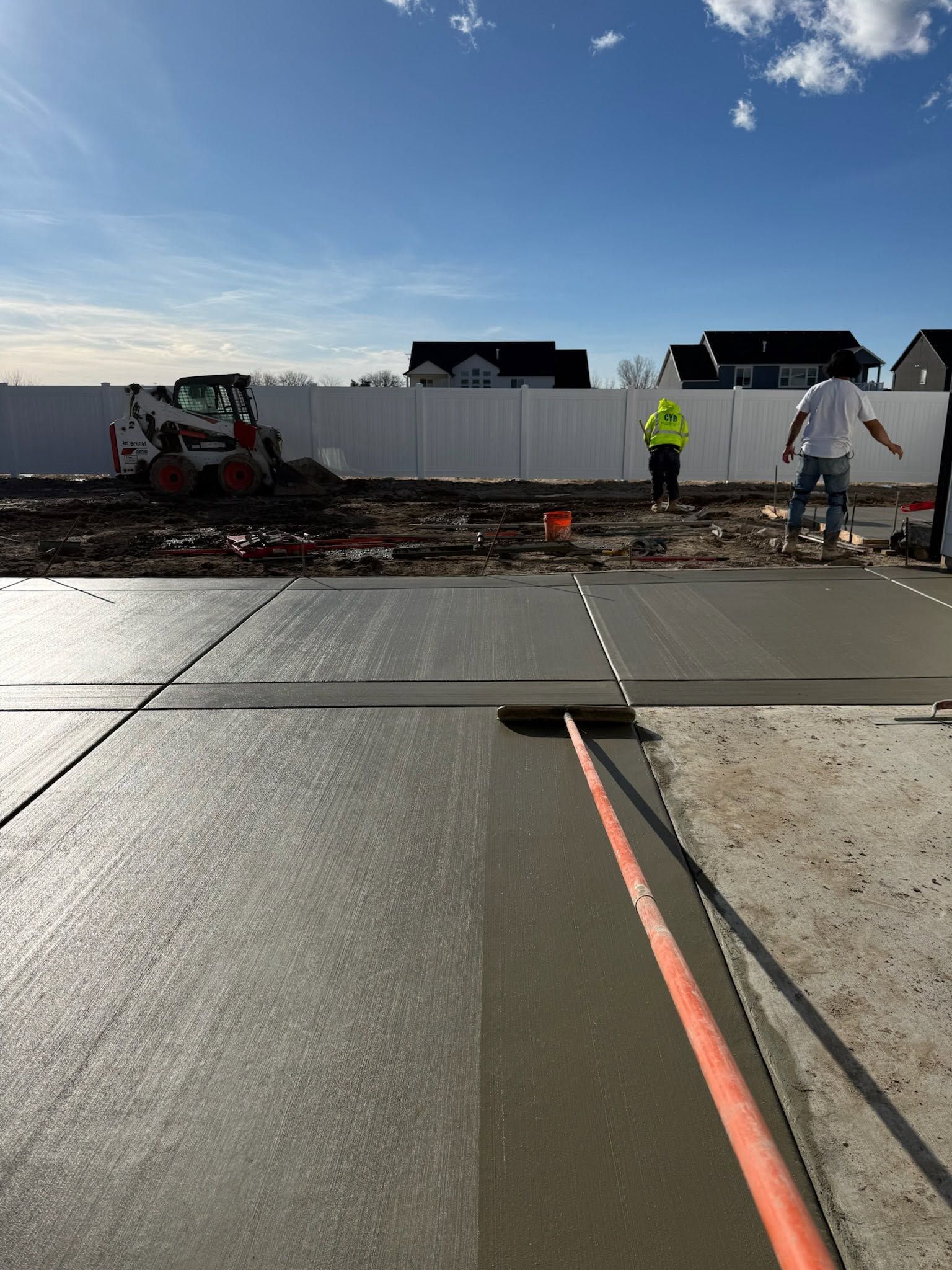
Stamped, stained, and decorative work completed across Salt Lake City and the surrounding areas. Browse the patterns and colors for inspiration, then tell us what you have in mind.


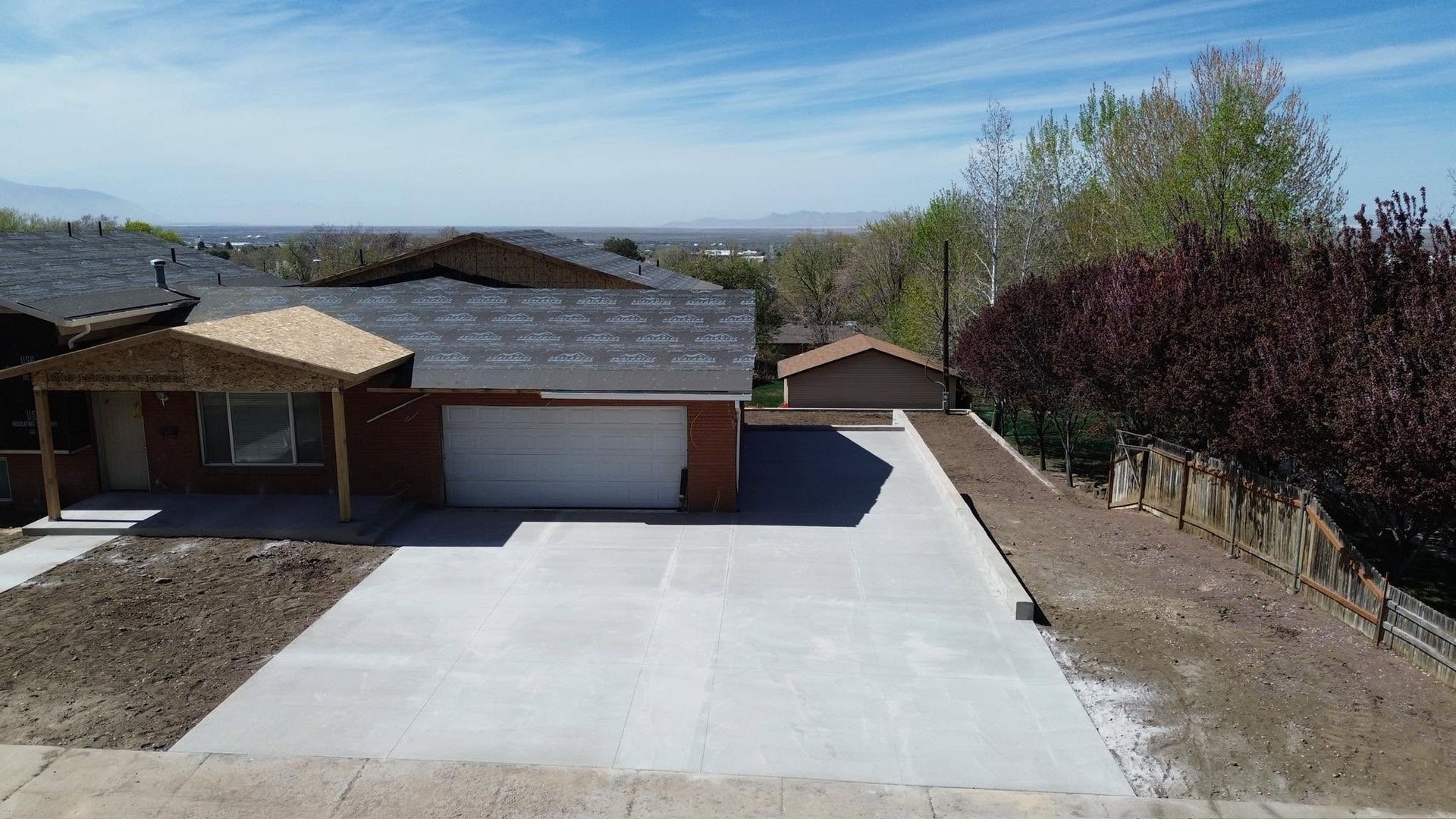
Areas We Serve
Nela Concrete proudly installs stamped and decorative concrete throughout Salt Lake County and Utah County. Click below to explore our complete service area coverage and see whether we work in your location.
FREQUENTLY ASKED QUESTIONS
Decorative concrete raises more questions than any other finish, because the decisions are permanent once the slab is poured. Below are the ones homeowners ask us most often.
Is stamped concrete cheaper than pavers or natural stone?
Generally yes on installation, and usually yes over time. Stamped concrete needs no joint sand, gives weeds nowhere to establish, and does not shift individually the way set pavers can. Natural stone carries both a higher material cost and a higher installation cost. The honest tradeoff is that a damaged paver can be lifted and swapped, while a damaged stamped slab is repaired as a section. For most Utah properties the lower ongoing maintenance makes concrete the better value.
Does stamped concrete crack?
Every concrete slab moves as it cures and as temperatures cycle through the year, and control joints exist to decide where that movement shows. On stamped work we place joints along pattern lines wherever possible so they read as part of the design rather than as a fault. Fine cracking at those joints is normal. Wide or displaced cracking is a different matter and traces back to base preparation, reinforcement, or joints cut too late rather than to the stamping itself.
How long does stamped concrete last?
The concrete itself lasts as long as any other properly placed slab, which is decades. The color and the sealer are what need attention. A well maintained stamped surface holds its appearance for many years, while one that is never resealed will fade and dull noticeably within a few seasons, particularly on the sun exposure and freeze cycles we get along the Wasatch Front. The finish is durable, but it is not maintenance free and we would rather say so upfront.
How often does stamped concrete need resealing?
Most exterior stamped surfaces in this climate need resealing every two to three years, and driveways carrying vehicle traffic often sit at the shorter end of that. Utah conditions are harder on sealer than most, since strong sun degrades it from above while repeated freezing and deicing salt attack it from the surface. You will see the signal yourself when the color starts looking flat and water stops beading. We explain the specific cycle for your finish at the walkthrough.
Is stamped concrete slippery when wet?
It can be, particularly on shaded north facing surfaces that stay damp, around pools, and anywhere that ices over in winter. The finish texture, the sealer product, and any grip additive all affect it. Where the surface is around water or in permanent shade we specify a slip resistant additive in the sealer as standard. Exposed aggregate is the better choice where traction is the primary concern, and we will tell you when that is the case.
What is the difference between stamped, stained, and colored concrete?
Stamping is texture, created by pressing mats into the fresh surface to form the pattern. Staining is color applied to concrete that has already cured, producing mottled variation that sits into the surface. Integral color is pigment mixed through the concrete before it is placed, so the color runs full depth. They solve different problems and are often combined, with integral color providing the base tone and a release color adding the highlight that gives stamped work its depth.
Can you stamp over my existing concrete?
Not directly, since stamping requires fresh concrete. What can sometimes be done is a decorative overlay, which is a thin layer bonded over the existing slab and then stamped or textured. Overlays only work where the existing concrete is structurally sound, level, and free of significant cracking, because whatever is underneath eventually shows through. If the slab is cracked or settled, replacement gives a far better result. We assess which applies at the site visit.
Can decorative concrete go on a driveway?
Yes, and it is a strong upgrade on the surface that shapes a property's first impression. Driveways carry vehicle weight and see more deicing salt than a patio, so we specify thicker slab, appropriate reinforcement, and a harder wearing sealer, and we recommend a shorter resealing cycle. Patterns with deeper relief hold up better under traffic than very fine detail. The cost sits above a standard driveway, and the visual difference is considerable.
Will the color fade over time?
Some softening is normal and most homeowners find it improves the look, since a slightly weathered finish reads more like natural stone than a brand new one does. Significant fading is a sealer problem rather than a color problem. Integral color runs full depth and cannot wear away, while surface applied color relies on the sealer above it for protection. Keeping the sealer maintained is what preserves the appearance.
How long before I can use a stamped surface?
Foot traffic is generally fine after about twenty four hours, though sealing usually happens a few days later once the surface has dried sufficiently, and we ask you to stay off it during that window. For a stamped driveway, vehicles need a full seven days at minimum and closer to two weeks for anything heavy. Furniture on a stamped patio should wait until the sealer has fully cured. We give exact dates at the walkthrough.
Can you match a stamped finish to my existing decorative concrete?
We can usually get close and we will tell you honestly how close before you commit. The pattern can be matched if the mat is still available, and color can be adjusted toward the existing surface. What cannot be recreated is the weathering, so a new section will read fresher than an older one for the first year or two. Where an exact match matters, resealing the whole area after the new work helps considerably in evening out the appearance.
What is the best time of year to pour stamped concrete in Utah?
Late spring through early fall gives the best window, and stamped work is more weather sensitive than a plain pour. Stamping has to happen inside a specific window while the surface is receptive, and both heat and cold shorten it, so very hot dry days and cold overnight temperatures both complicate the job. Sealing also needs dry conditions and moderate temperatures to cure properly. We schedule decorative work around the forecast more carefully than any other service.
Why should I choose Nela Concrete for stamped and decorative work?
Because we show you the finish before we pour it. You see the actual pattern and the actual colors on your own property in daylight rather than choosing from photographs, and we tell you what the surface will need in maintenance rather than leaving you to discover it. New inquiries typically hear back within thirty to sixty minutes. We are licensed and insured, our Google rating sits at five stars, and the owner is accountable on every job.