
TRUSTED SALT LAKE CITY CONCRETE PATIO CONTRACTOR
Nela Concrete designs and installs concrete patios for homeowners across Salt Lake City. Every patio is shaped around your yard, your home, and how you plan to use the space.
Professional Installation Practices
High-Quality Materials
Backed by Experience & Local Trust
CUSTOM CONCRETE PATIOS DESIGNED FOR OUTDOOR LIVING
A patio is where a backyard becomes usable. It is the space for morning coffee, summer dinners, and the evenings your family will remember, and the right one feels like a natural extension of the house rather than a slab dropped behind it.
We start with how you want to use the space, then work backward to size, shape, and placement. Sun exposure, access from the kitchen or living room, the view you want to face, and room for future additions all shape the plan. The finished patio should feel comfortable underfoot, sit level, and drain away from the home. Those details decide whether the space gets used every week or only when guests visit.
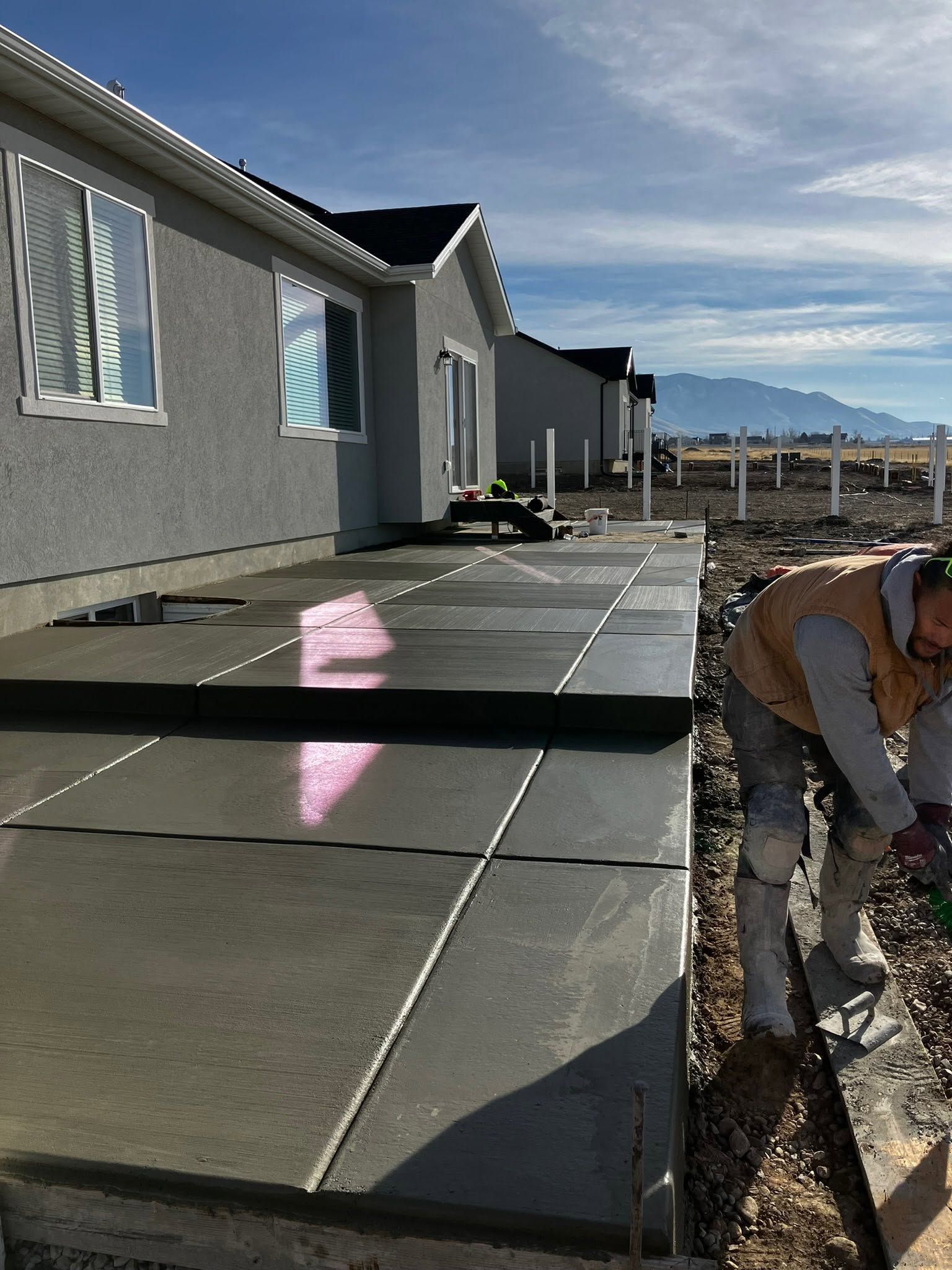
PATIO STYLES AND FINISH OPTIONS
Concrete offers far more range than most homeowners expect. These are the finishes we install most often across Salt Lake City, each with a different look, price point, and maintenance rhythm.
Broom Finish
The classic choice. Clean, understated, naturally slip resistant, and the most economical way to get a durable patio surface.
Stamped Concrete
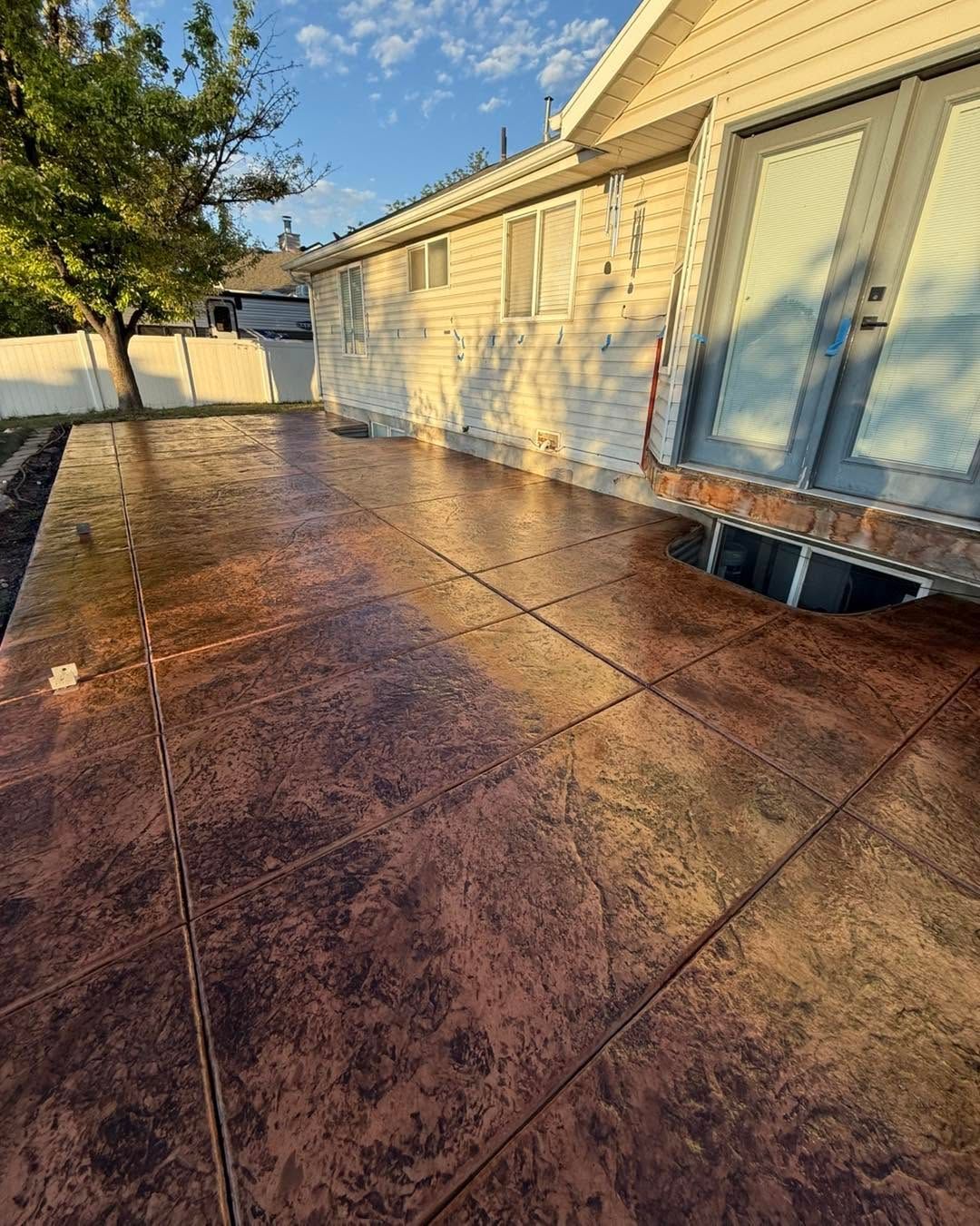
Patterns that read as flagstone, slate, brick, or wood plank, giving the look of natural materials at a fraction of the cost.
Stained and Colored
Integral color or acid staining adds warmth and depth, and pairs well with stone accents or the existing tones of the home.
Exposed Aggregate
Washed to reveal the stone within the mix, creating texture and grip that handles wet weather and pool surrounds well.
Borders and Accents
A contrasting band, saw cut pattern, or stamped border frames the space and makes a simple patio feel deliberately designed.
WHAT TO THINK THROUGH BEFORE YOU POUR
Most patio regret comes down to decisions made before any concrete arrives. These are the five points we walk through with every homeowner during the site visit.
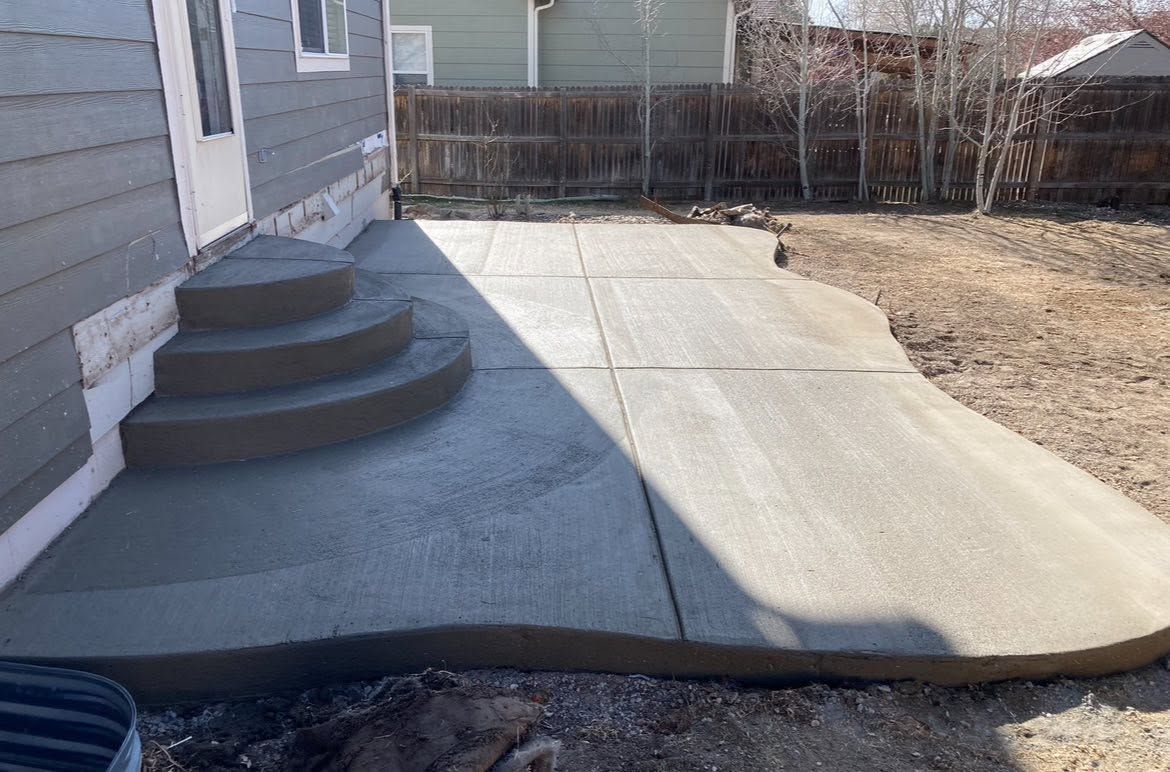
Size and Proportion
A patio needs room for furniture plus walking space around it, which is almost always larger than homeowners first picture.
Sun, Shade, and Orientation
West facing patios take hard afternoon sun through Utah summers, which decides where the seating, shade, and cover belong.
Access From the House
The best patios connect directly to a kitchen or living area.
Slope and Drainage
The surface must fall away from the foundation, and the existing yard grade decides how much excavation the job requires.
Room for What Comes Later
A hot tub, fire pit, pergola, or outdoor kitchen costs far less to plan for now than to add on later.
OUR CONCRETE PATIO INSTALLATION PROCESS
Patio work moves quickly once the plan is settled, and most projects are finished within a few days. Here is how each stage runs so you know what to expect in your yard.
Step 1
Design Conversation
We talk through how you want to use the space, the look you have in mind, and the furniture or features you want to accommodate.
Step 2
Layout and Marking
We mark the shape directly on the ground so you can see the real footprint and adjust the size before anything is committed.
Step 3
Estimate and Finish Selection
You receive a detailed estimate, and we bring samples so the pattern and color are chosen from the actual finish rather than a photograph.
Step 4
Excavation and Base Preparation
The area is excavated, graded to fall away from the home, and compacted to give the slab a stable foundation underneath.
Step 5
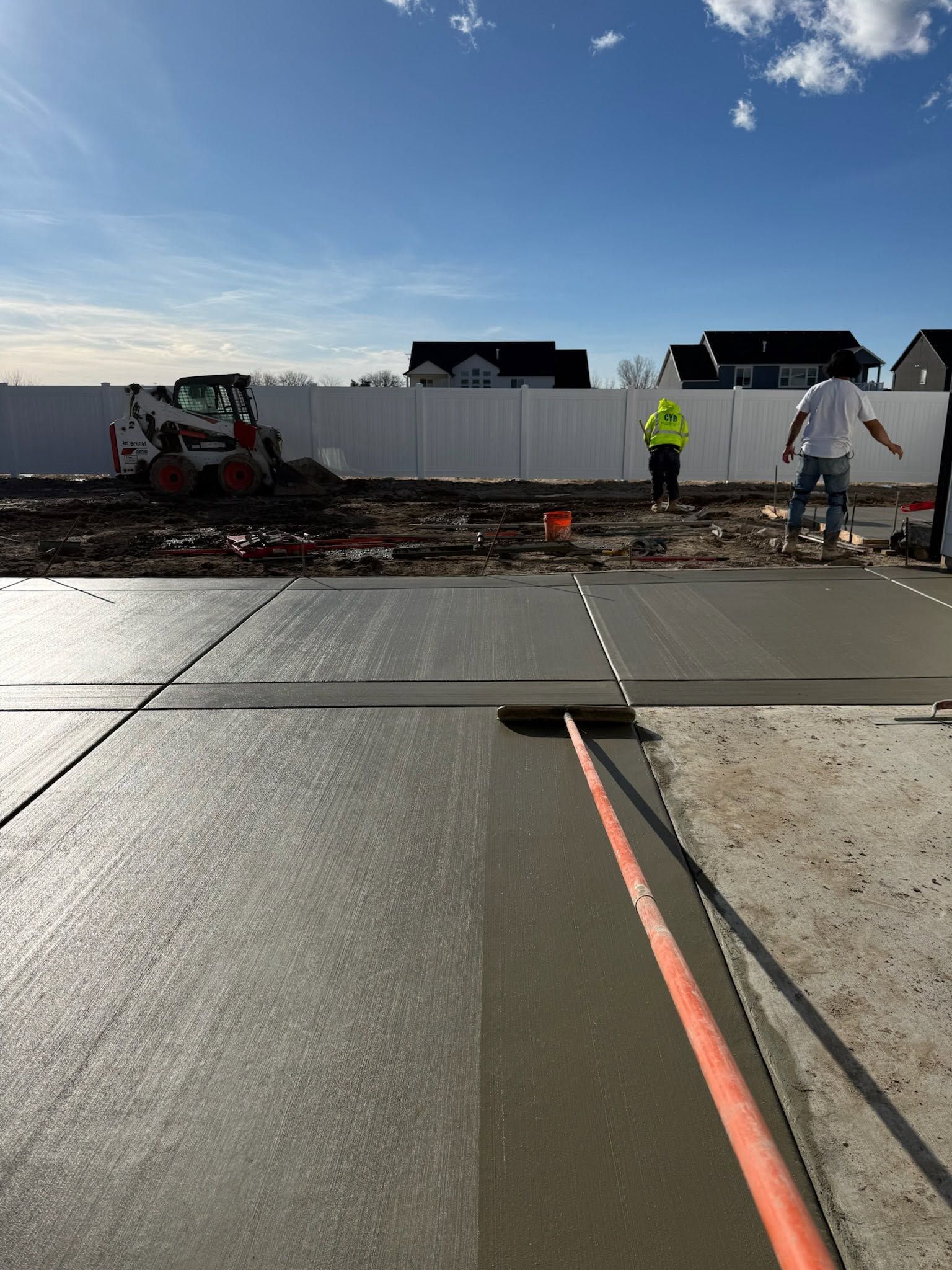
Pour, Finish, and Walkthrough
We place, finish, and joint the patio, then review curing times and early care with you before the crew clears the site.
WHY HOMEOWNERS TRUST NELA CONCRETE WITH THEIR BACKYARD
A patio is one of the few home improvements you live with every day, so the details matter more than the square footage. Getting the shape, the height, and the transition to the house right is what makes a space feel finished.
We mark the layout on site so you can walk the real footprint before anything is dug, bring finish samples to the estimate, and keep adjusting the plan until the space works the way you pictured it.
Among patio contractors in Salt Lake City, most estimates take a week. Ours usually reach you within one to two days, and the owner who prices your patio is the same person accountable for how it turns out.
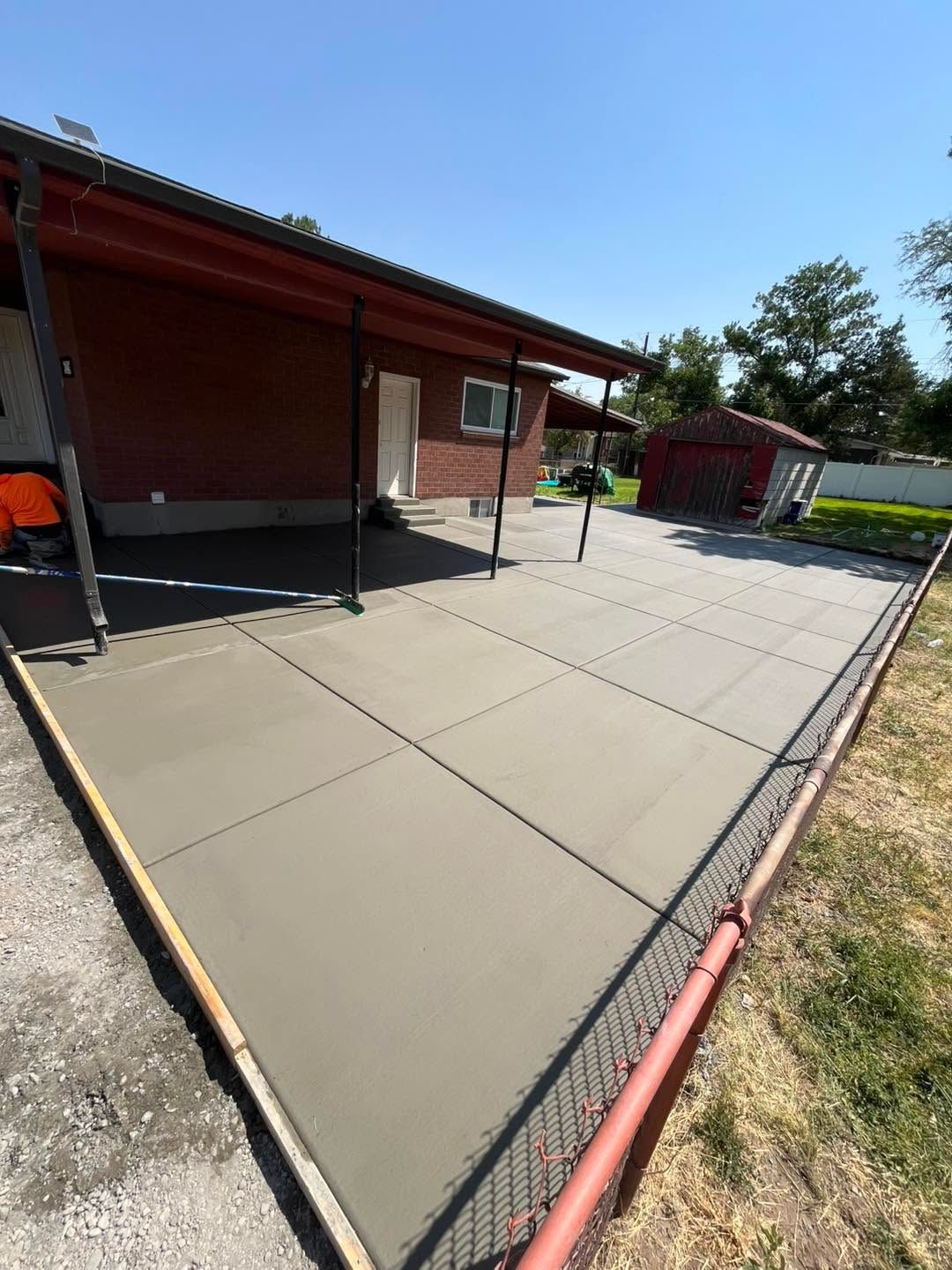
Explore Our Recent Projects
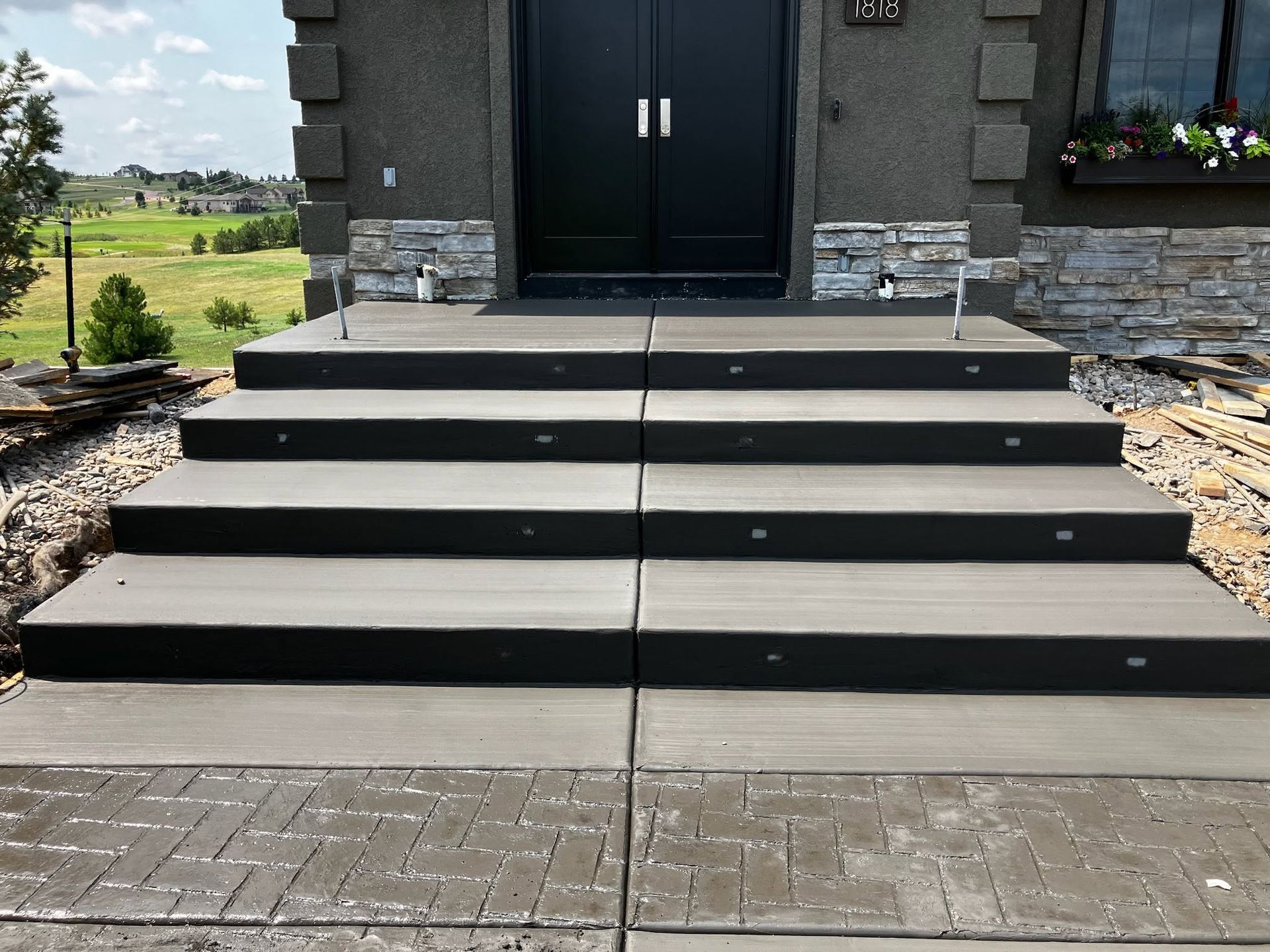
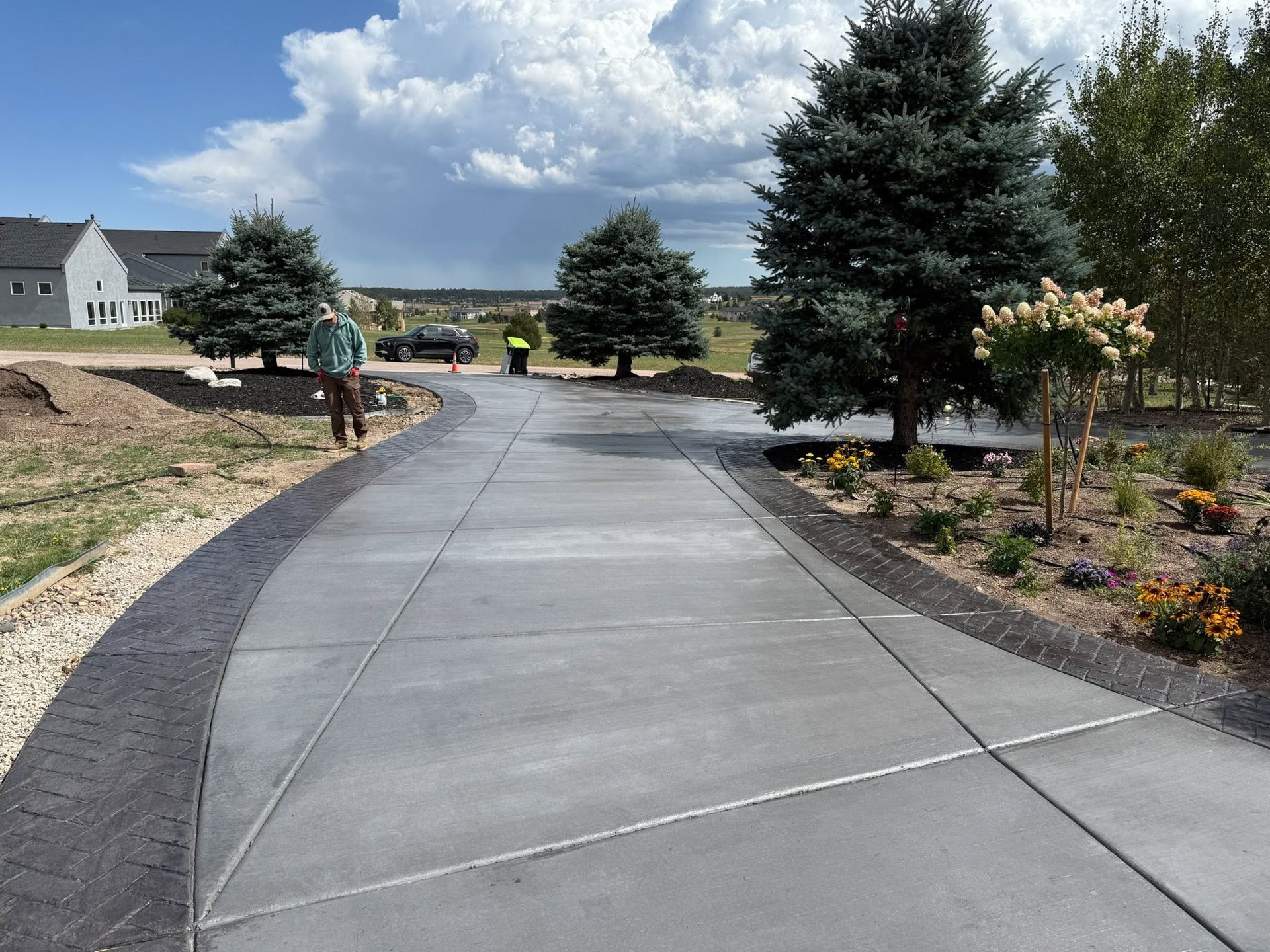
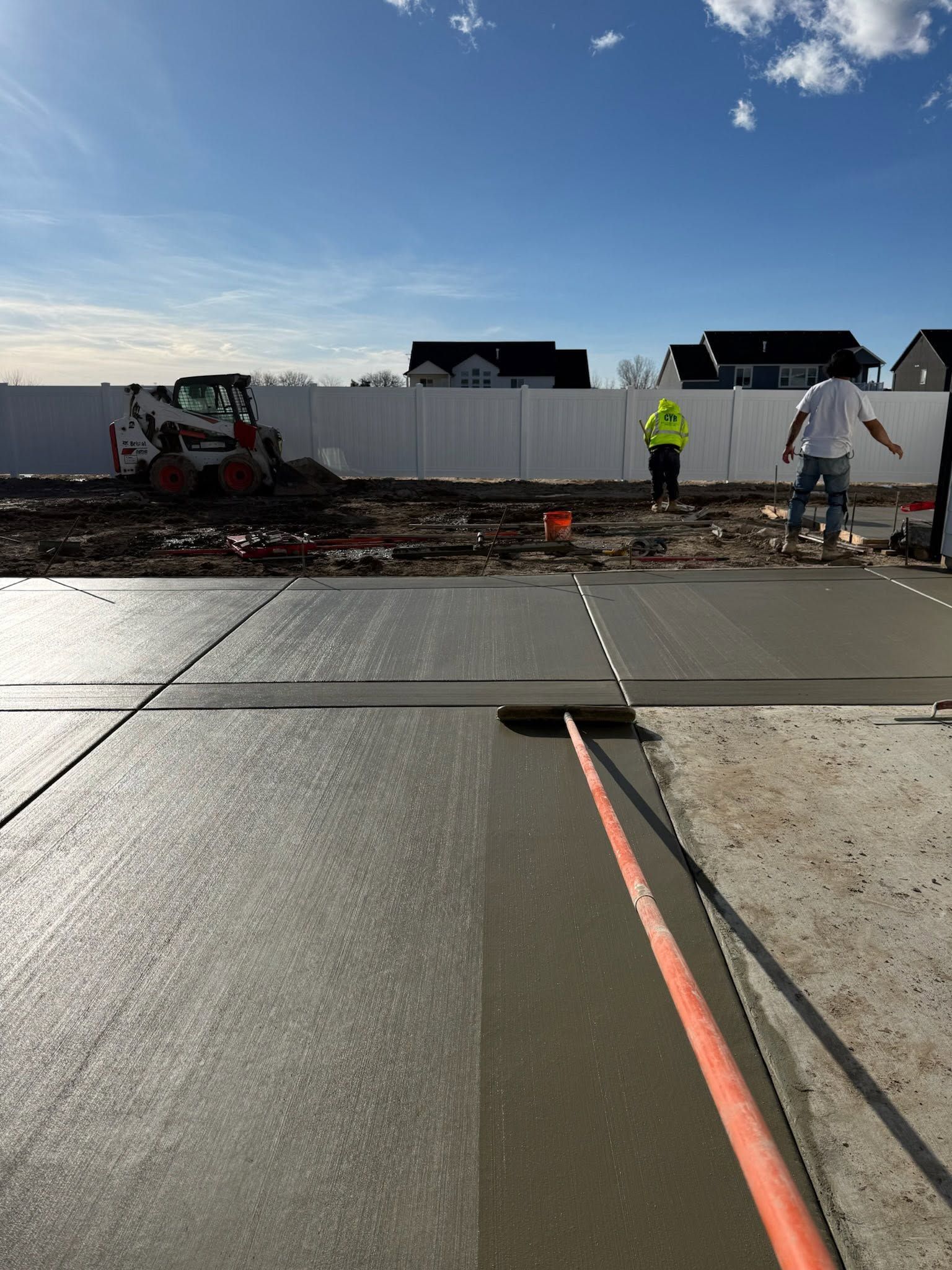
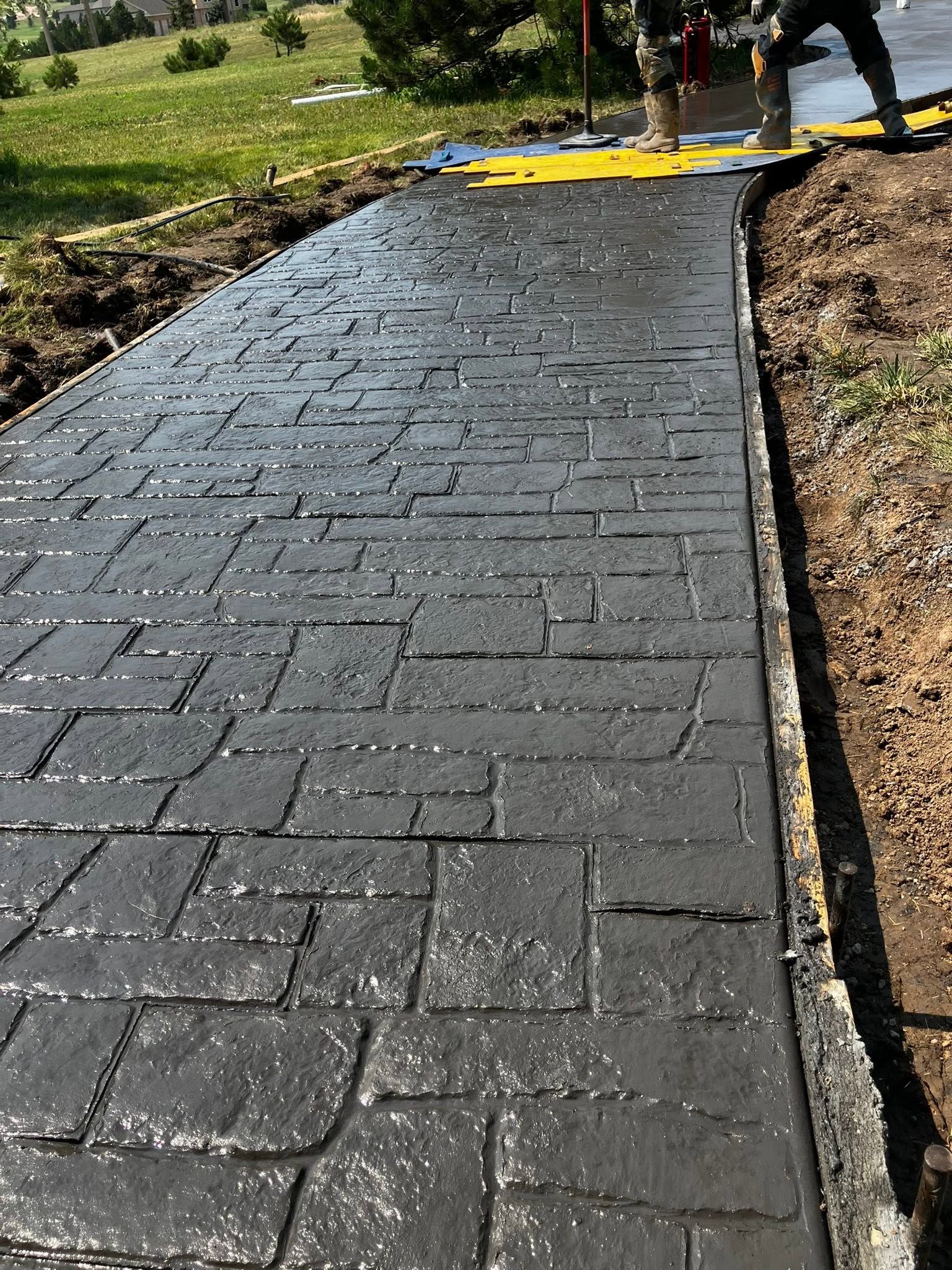
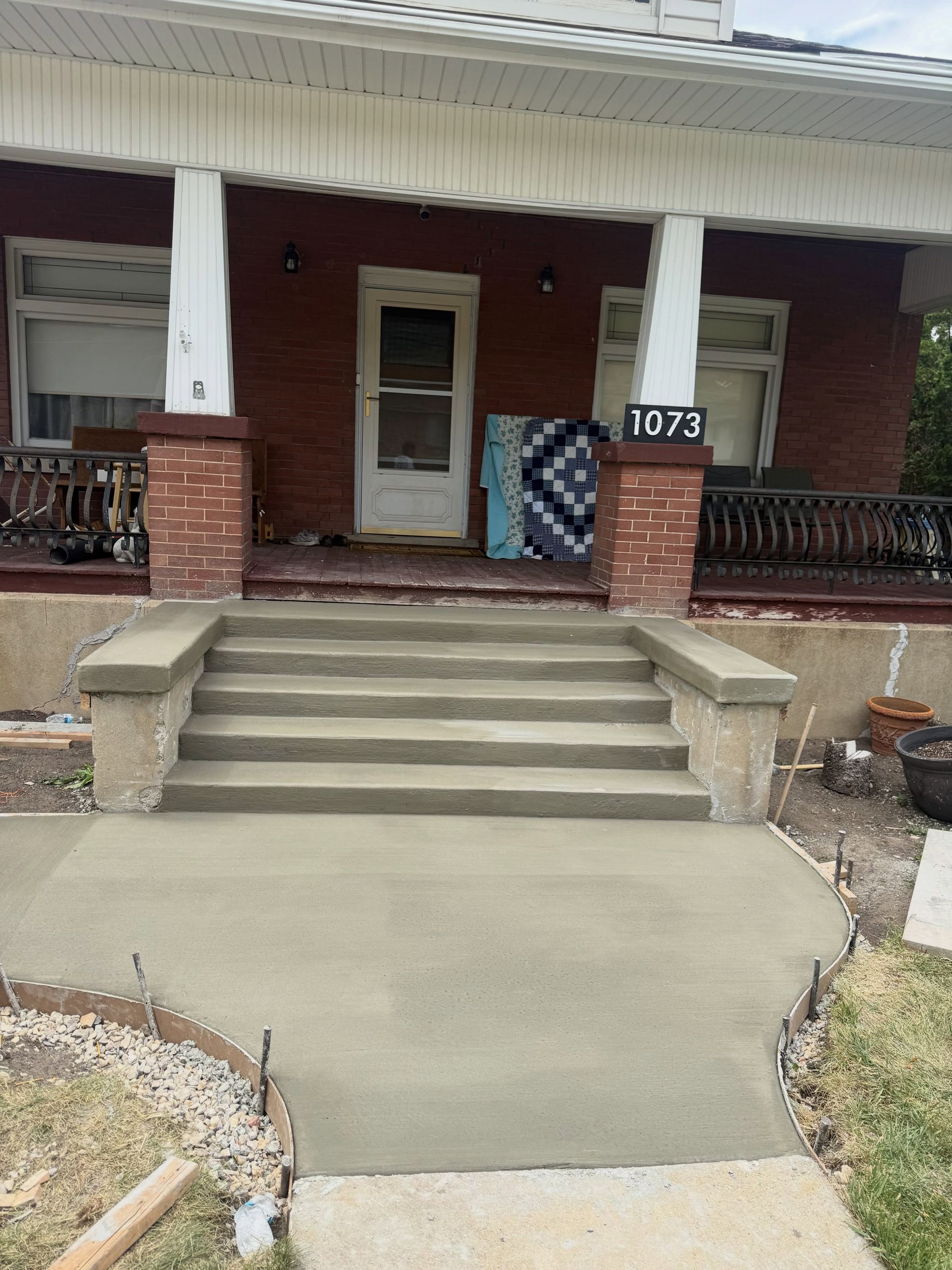
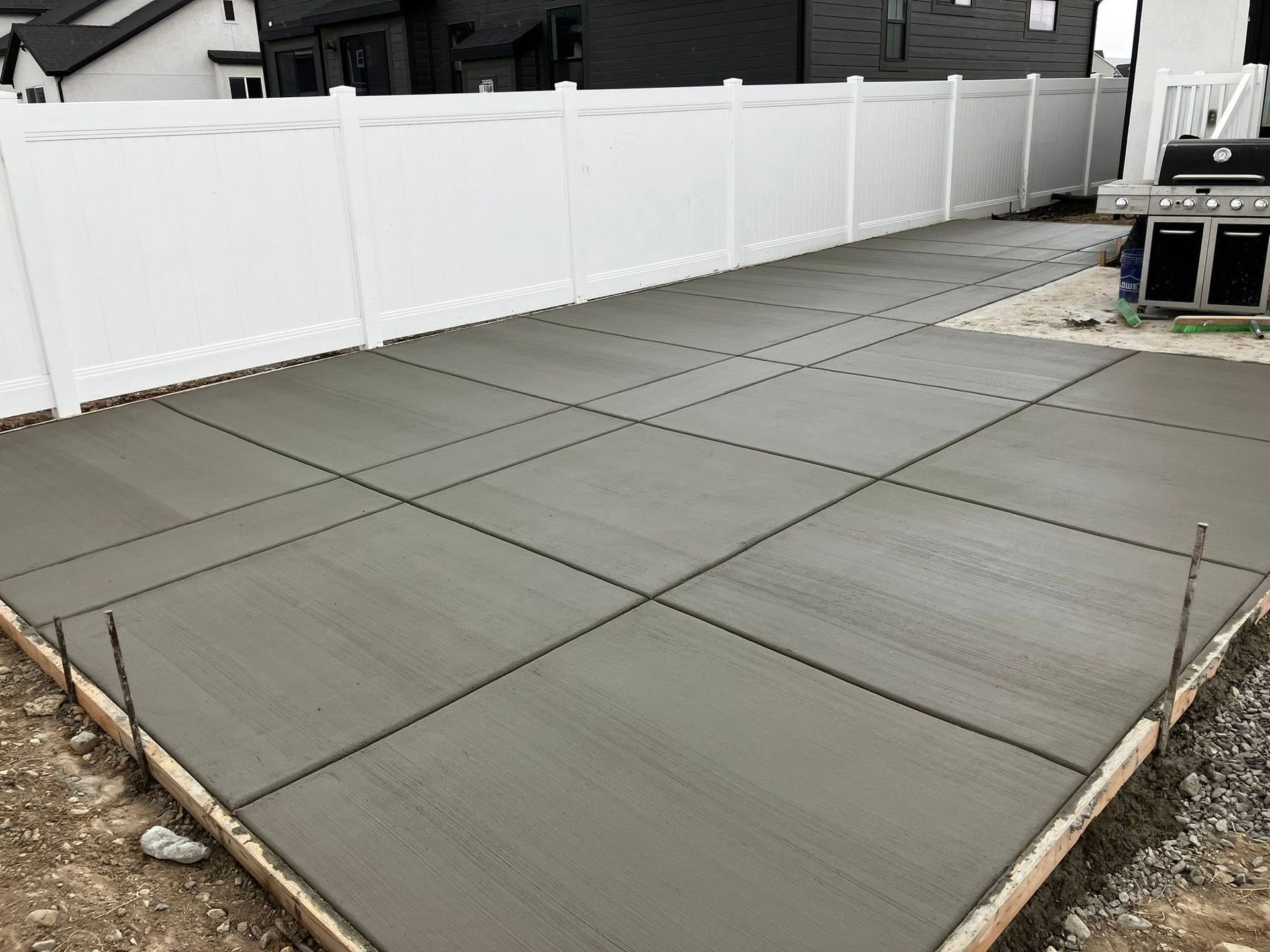
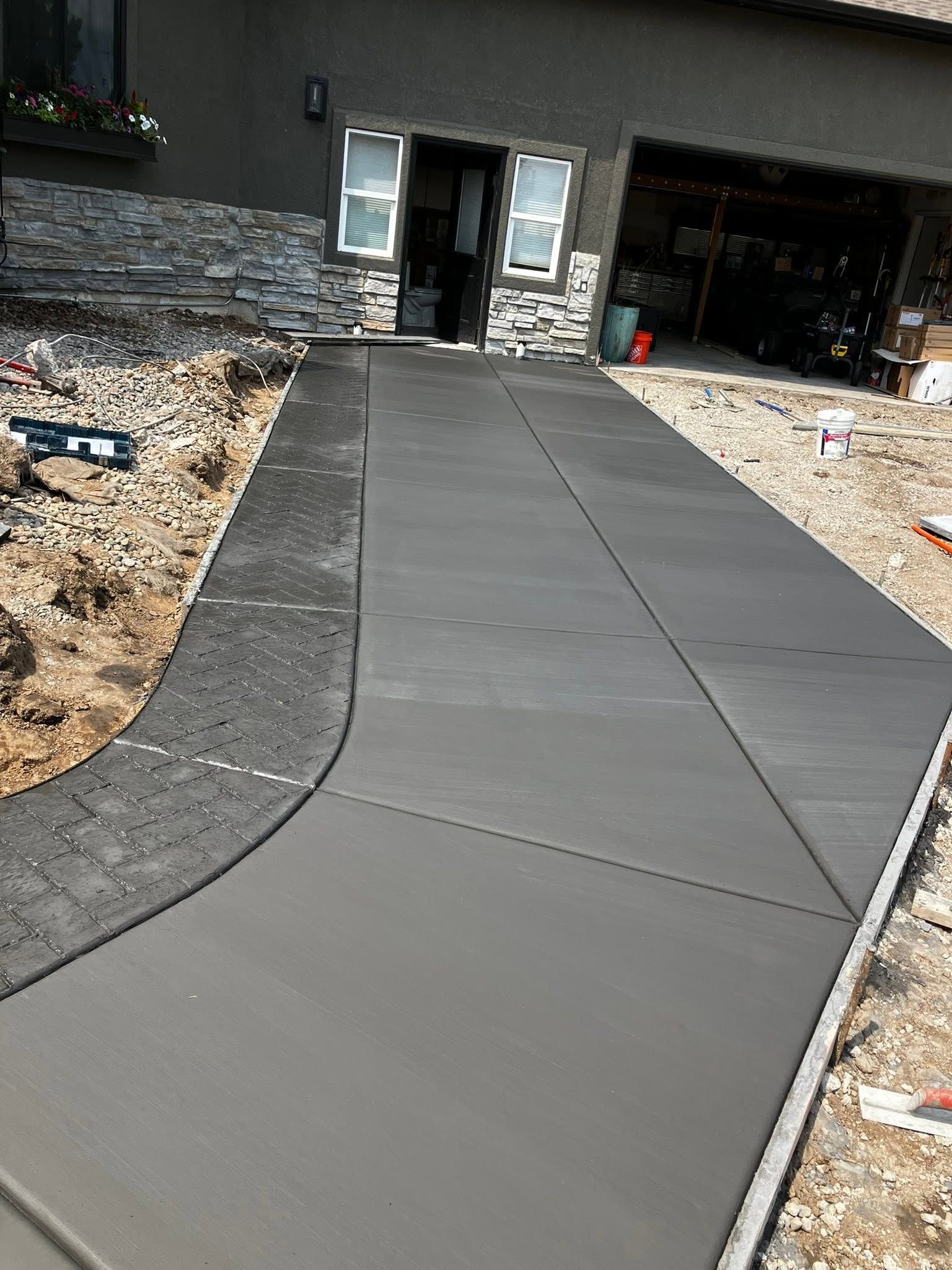
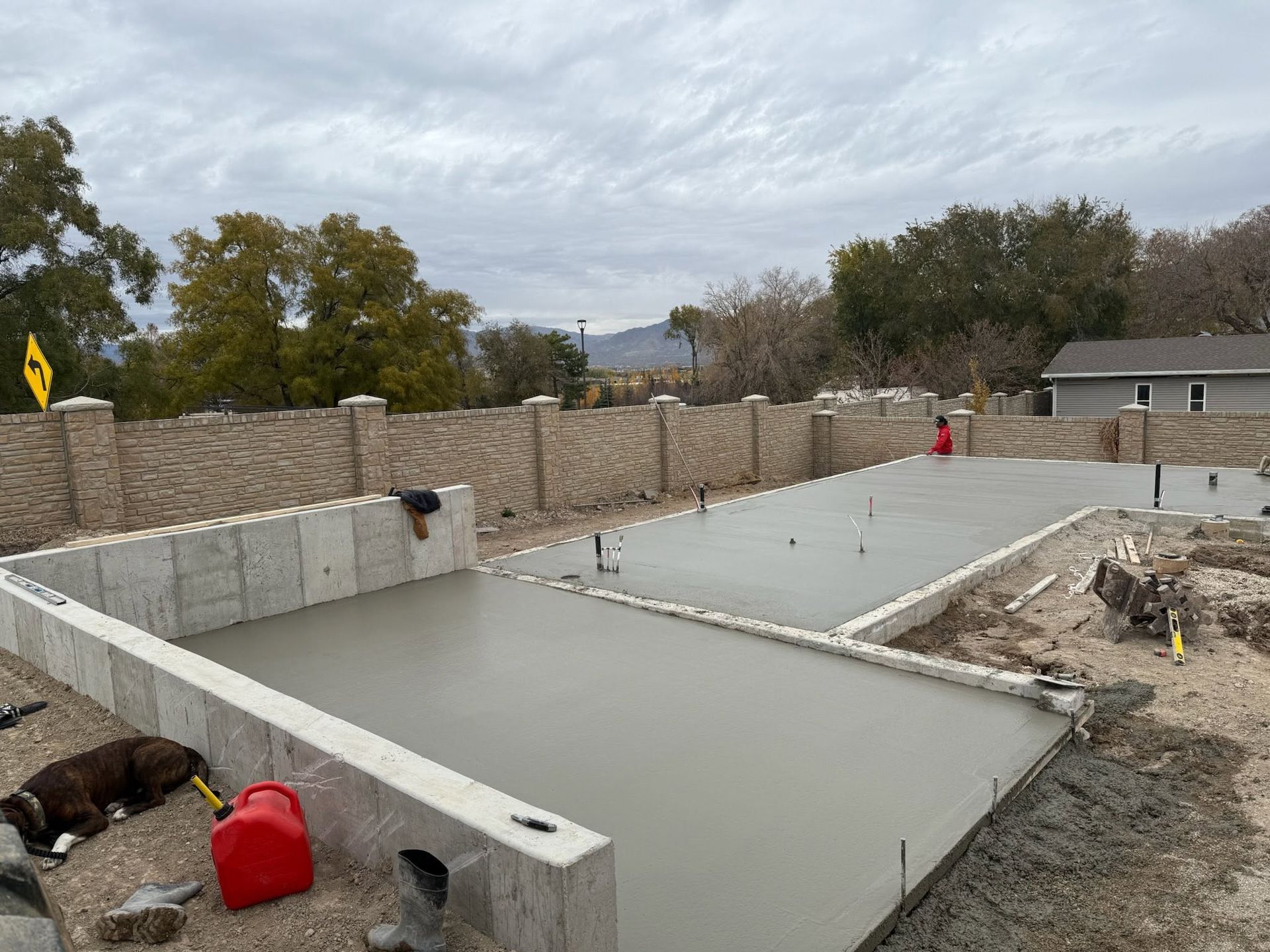
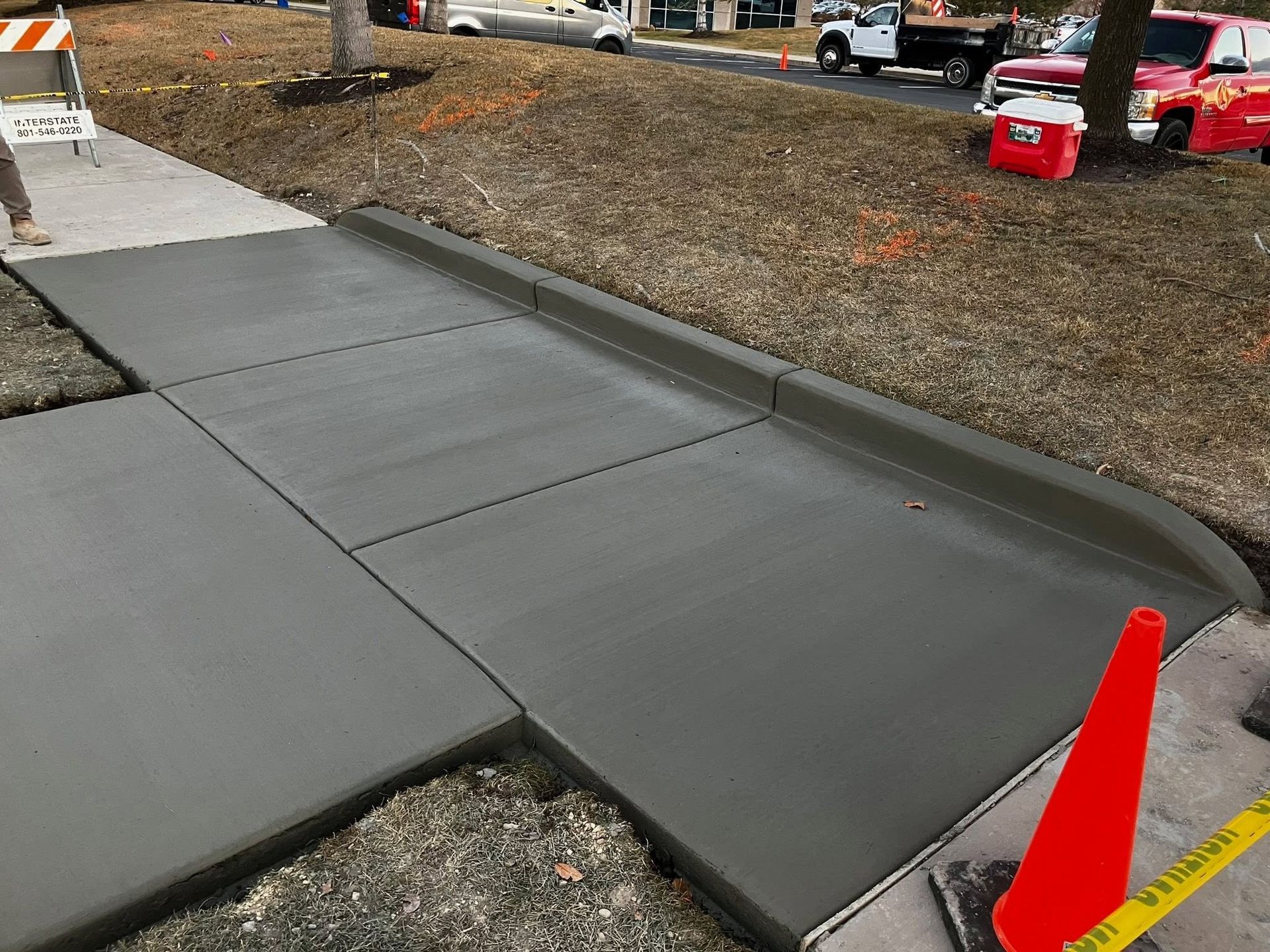
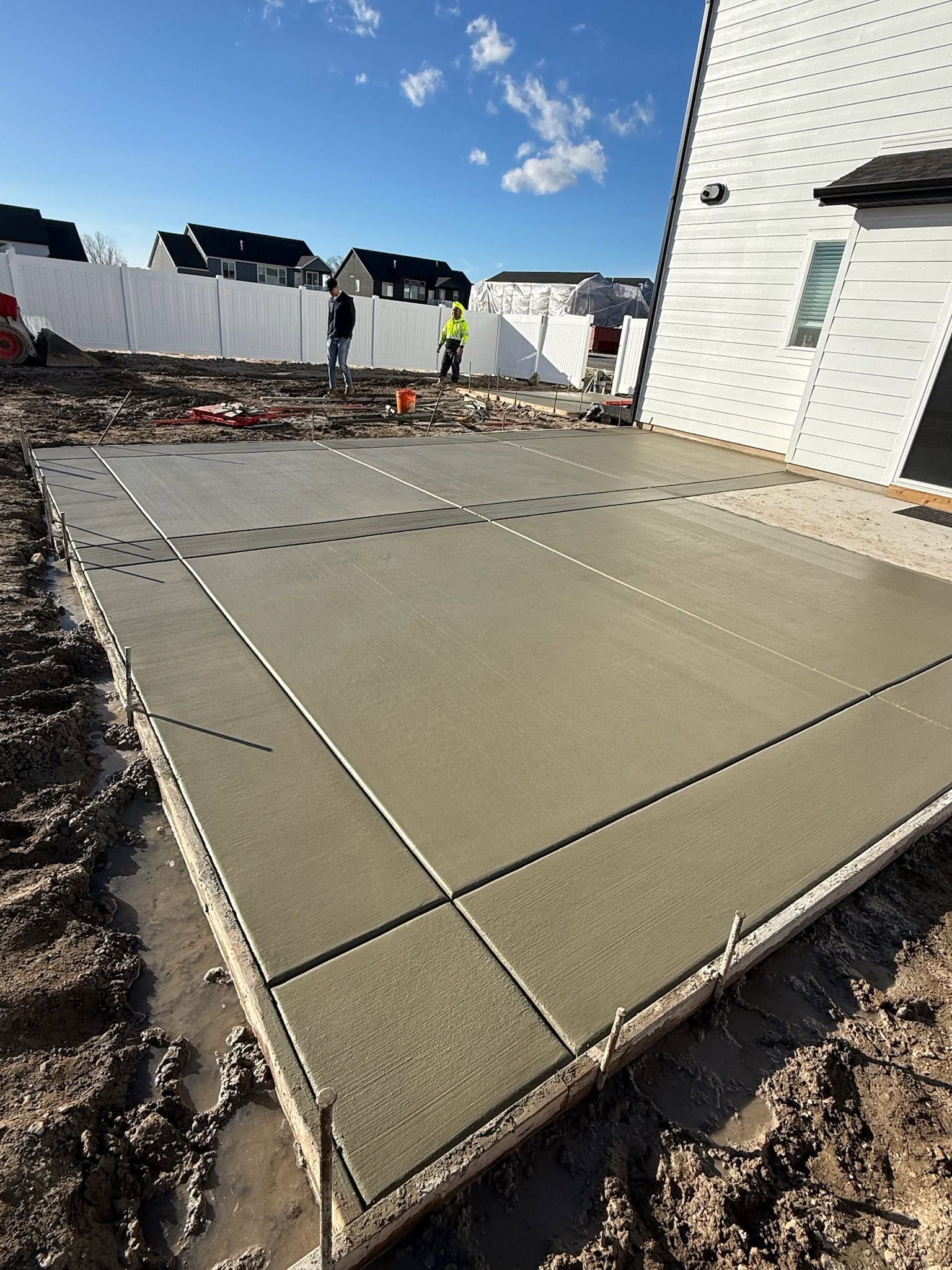
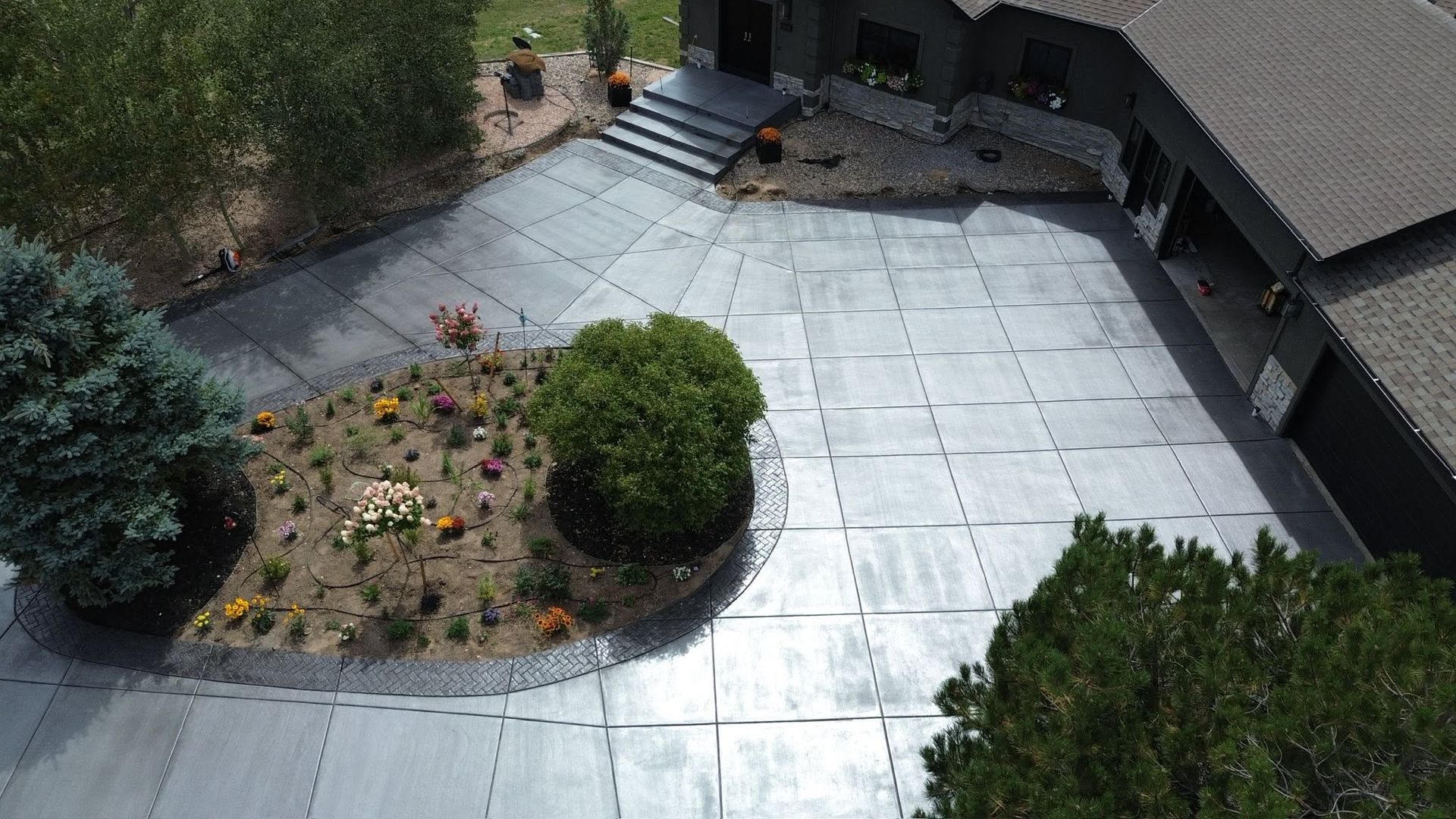
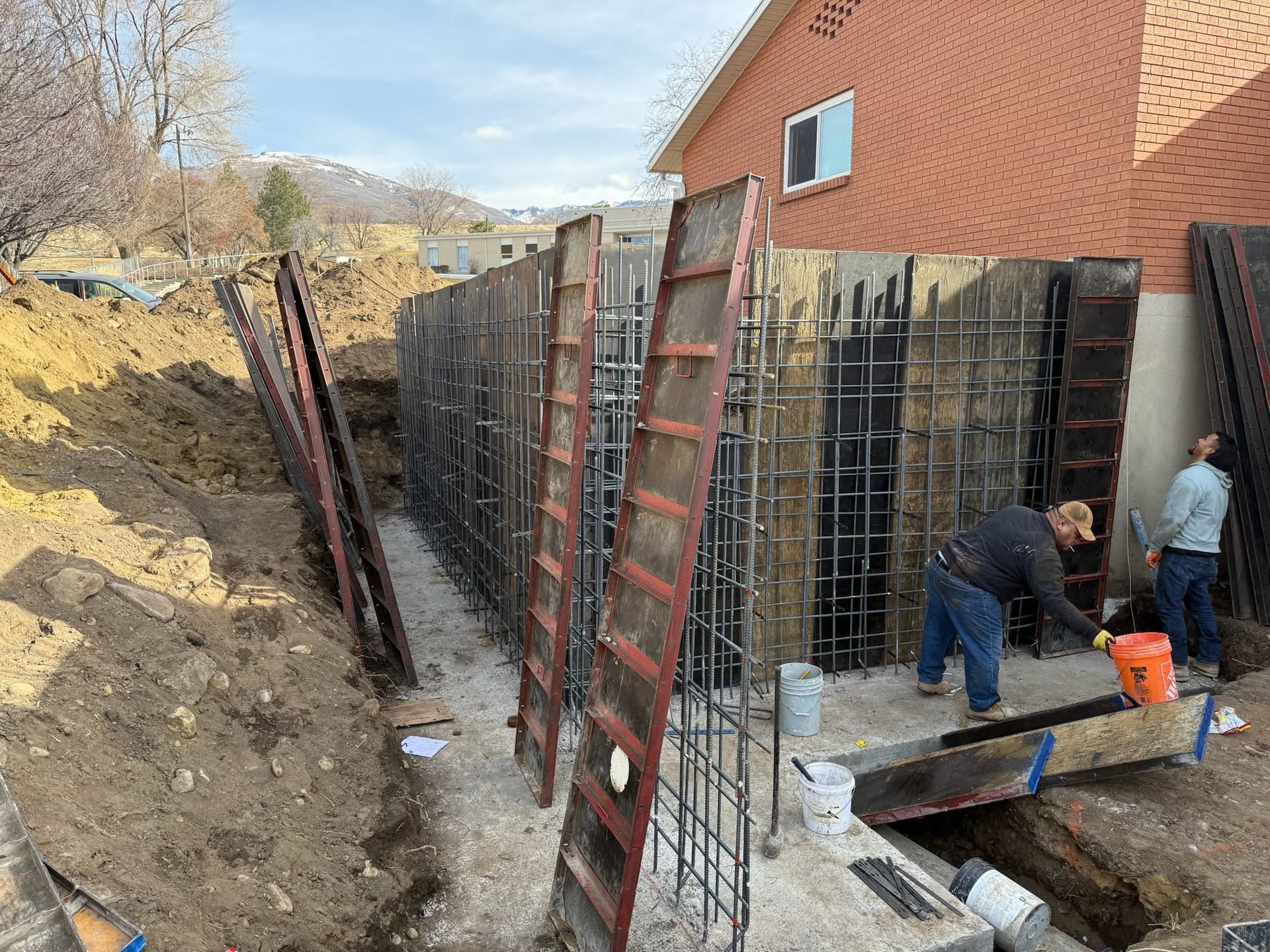
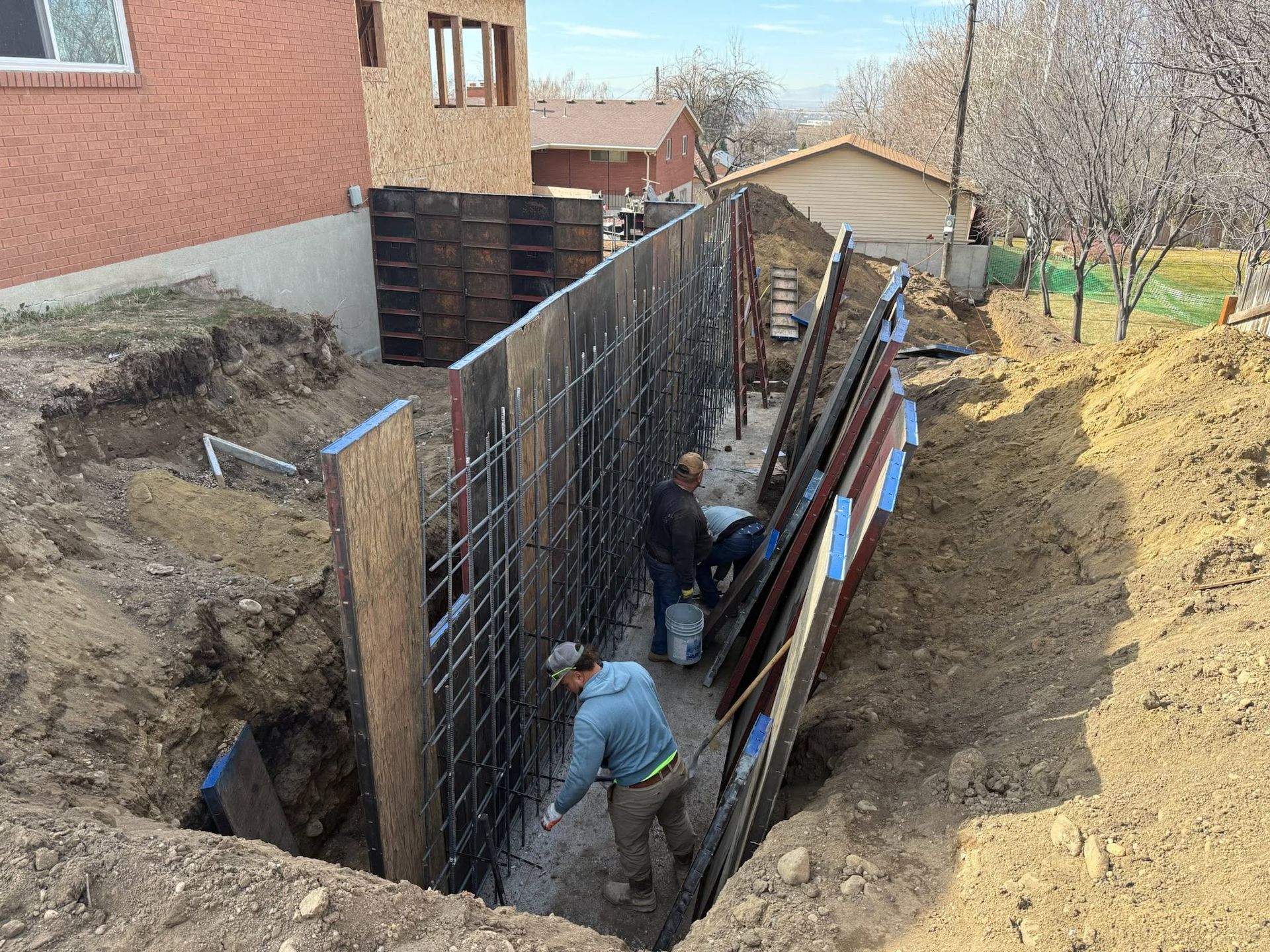
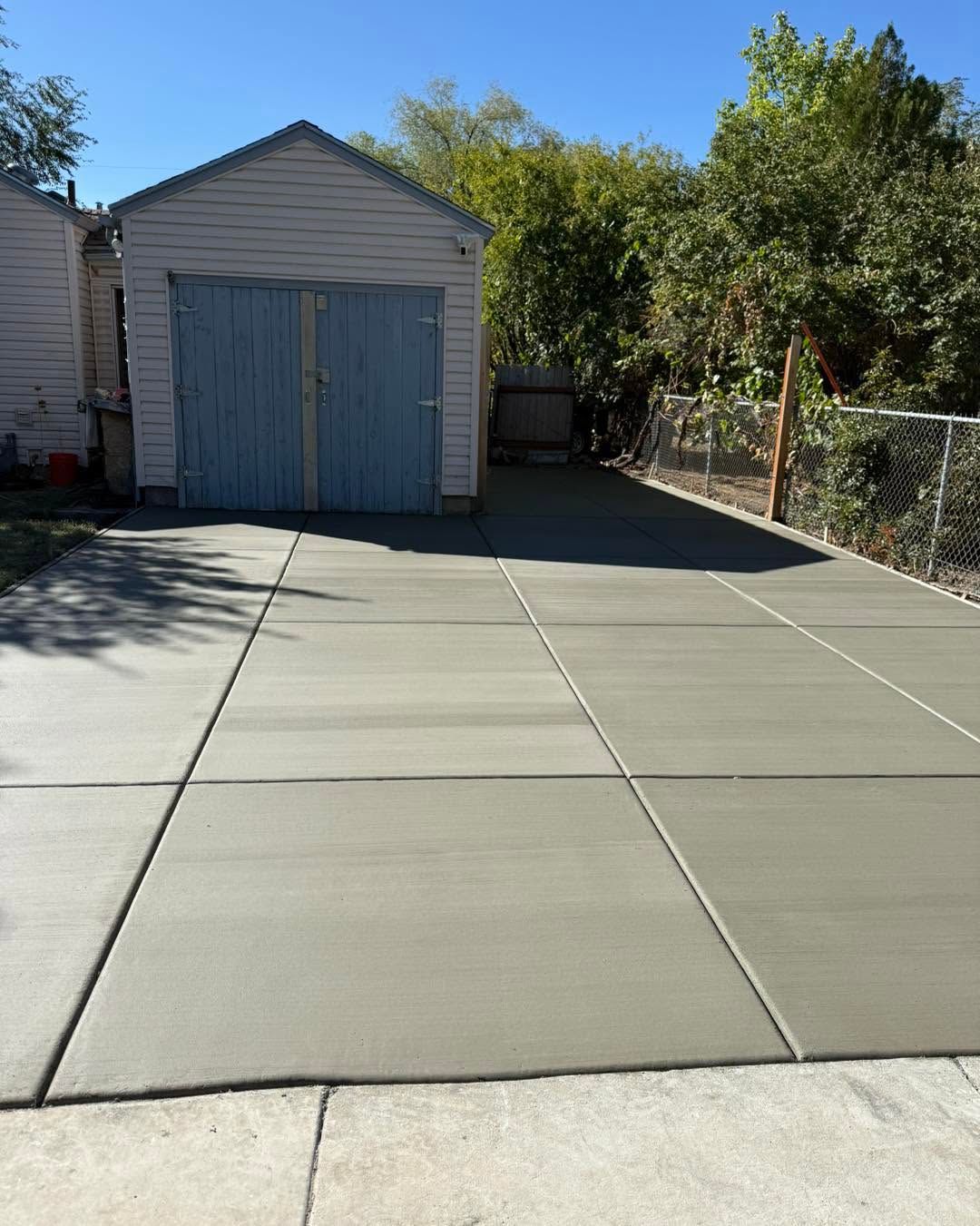
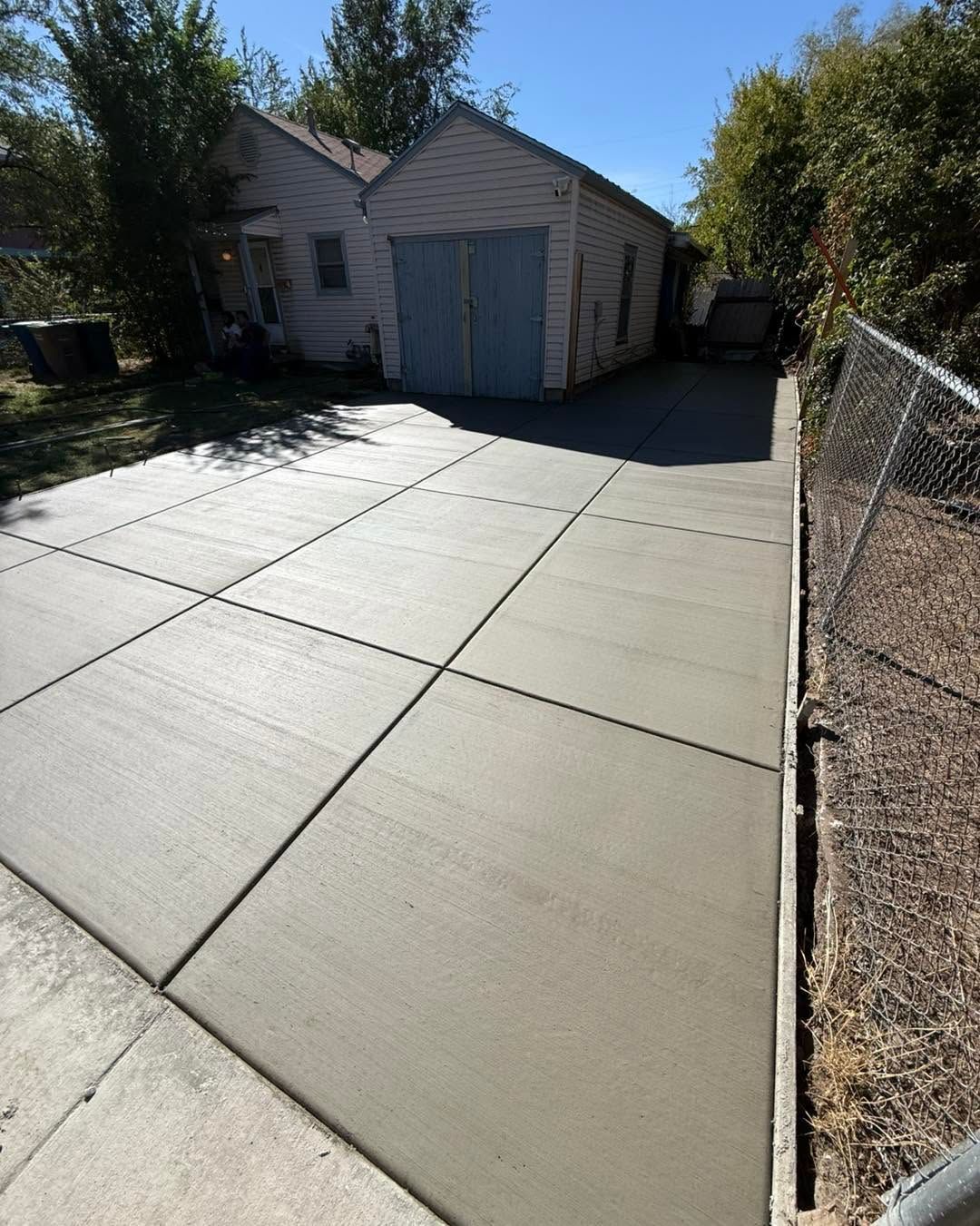
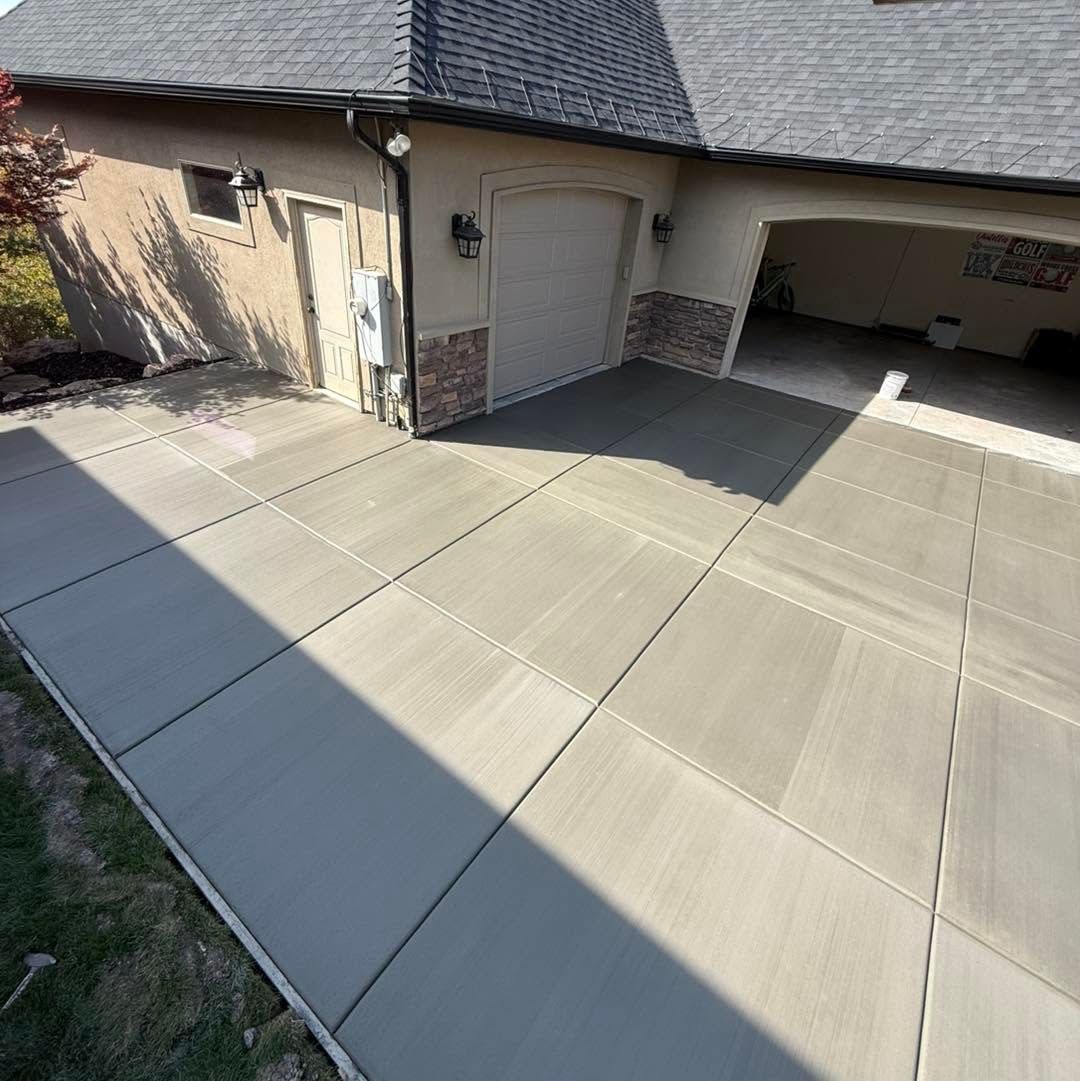
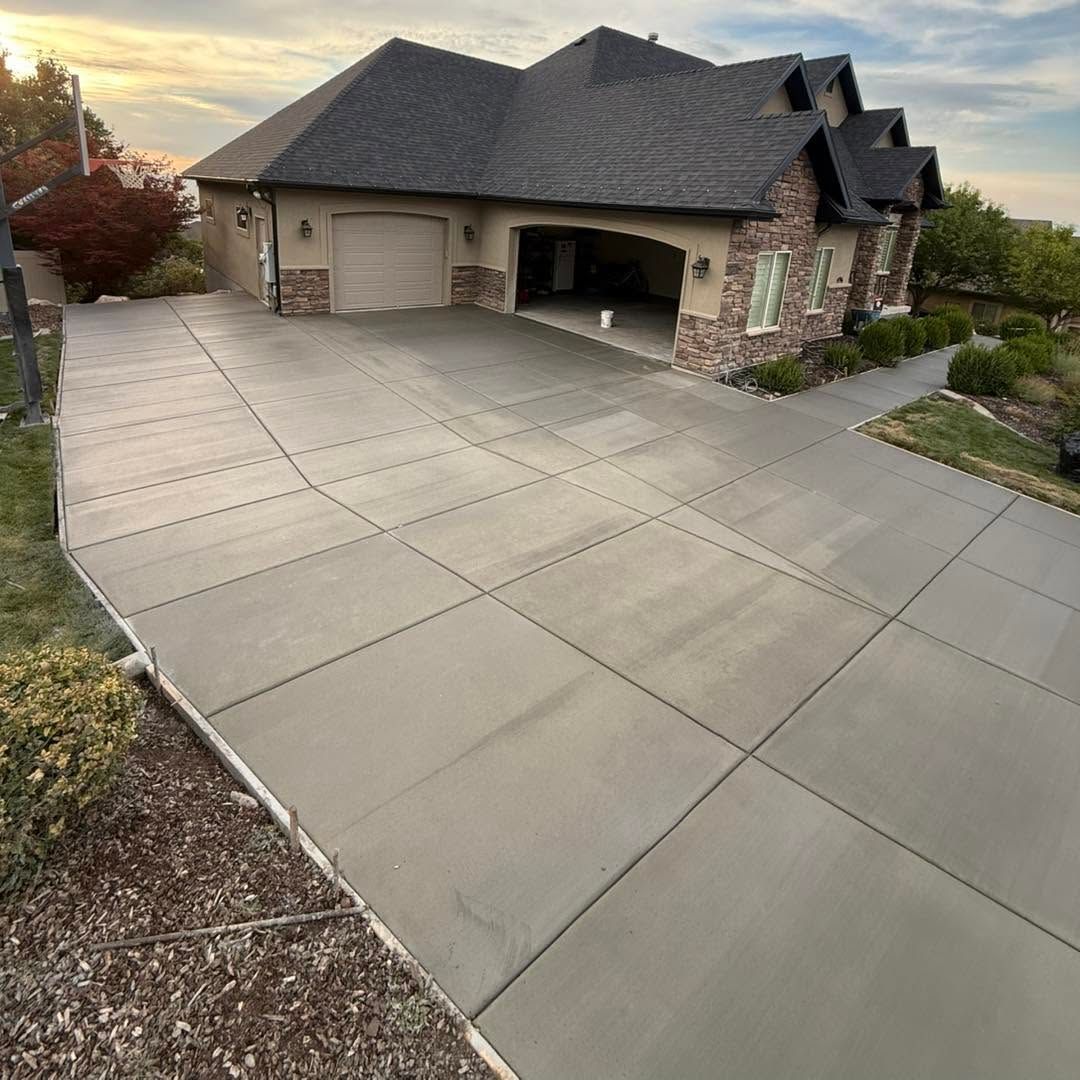
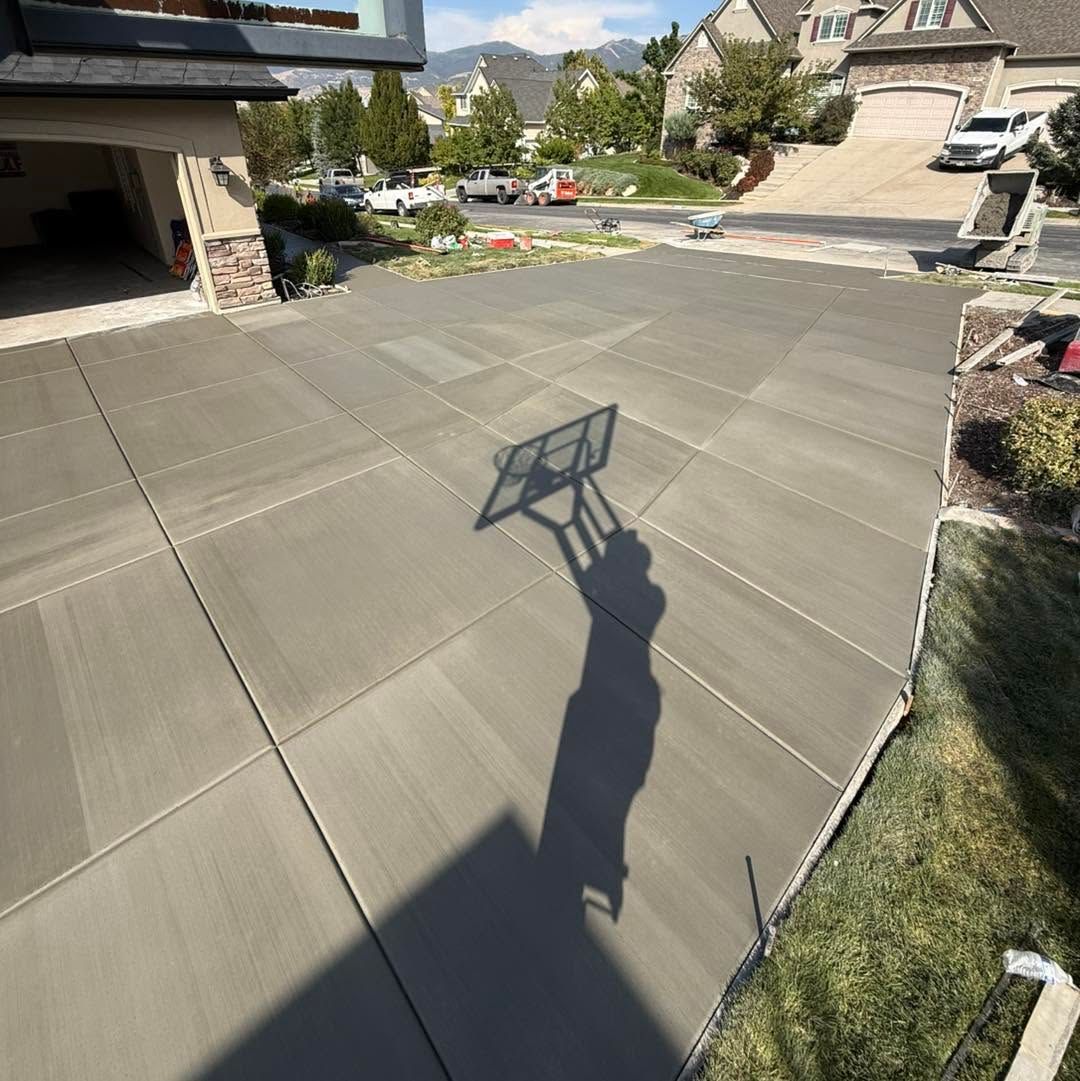
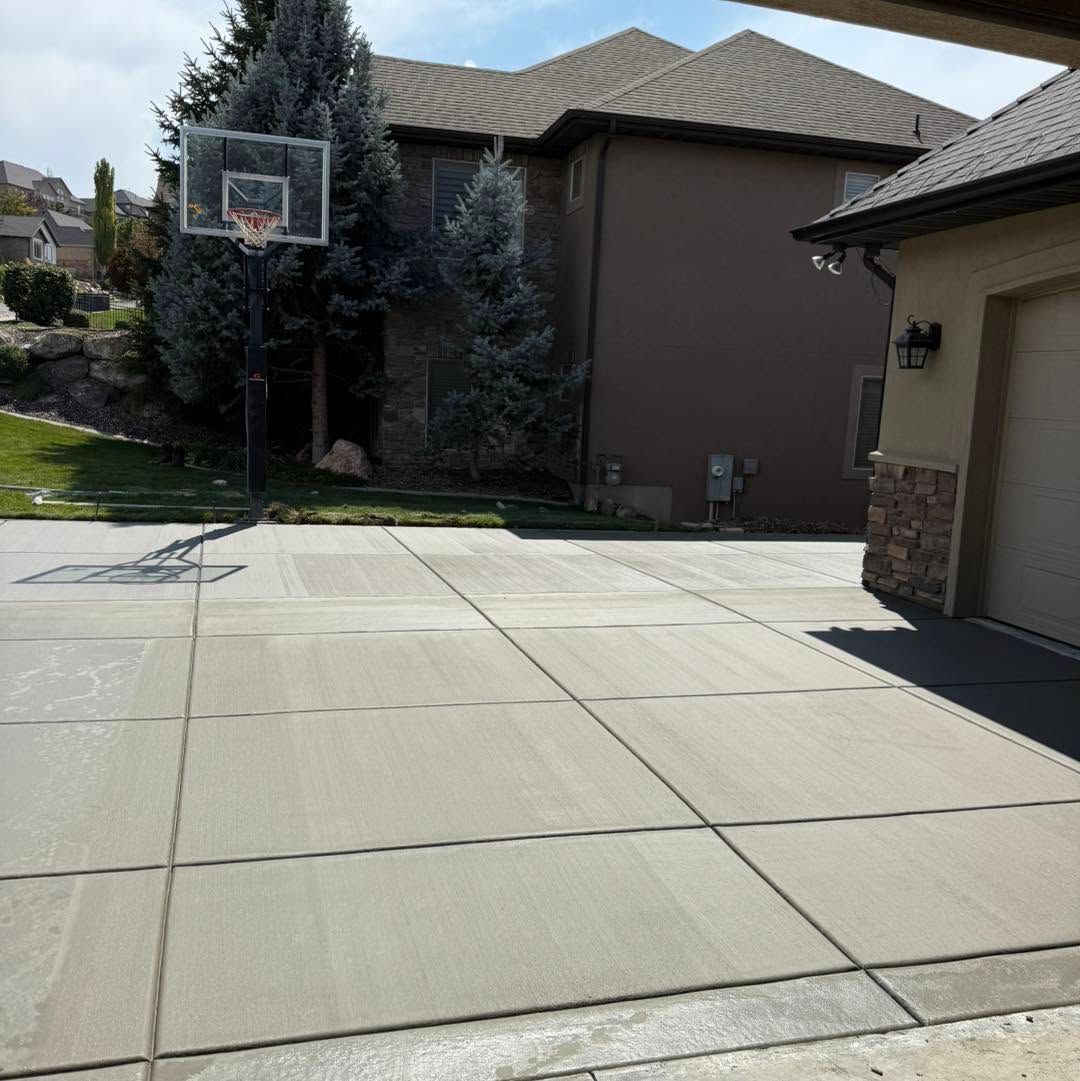
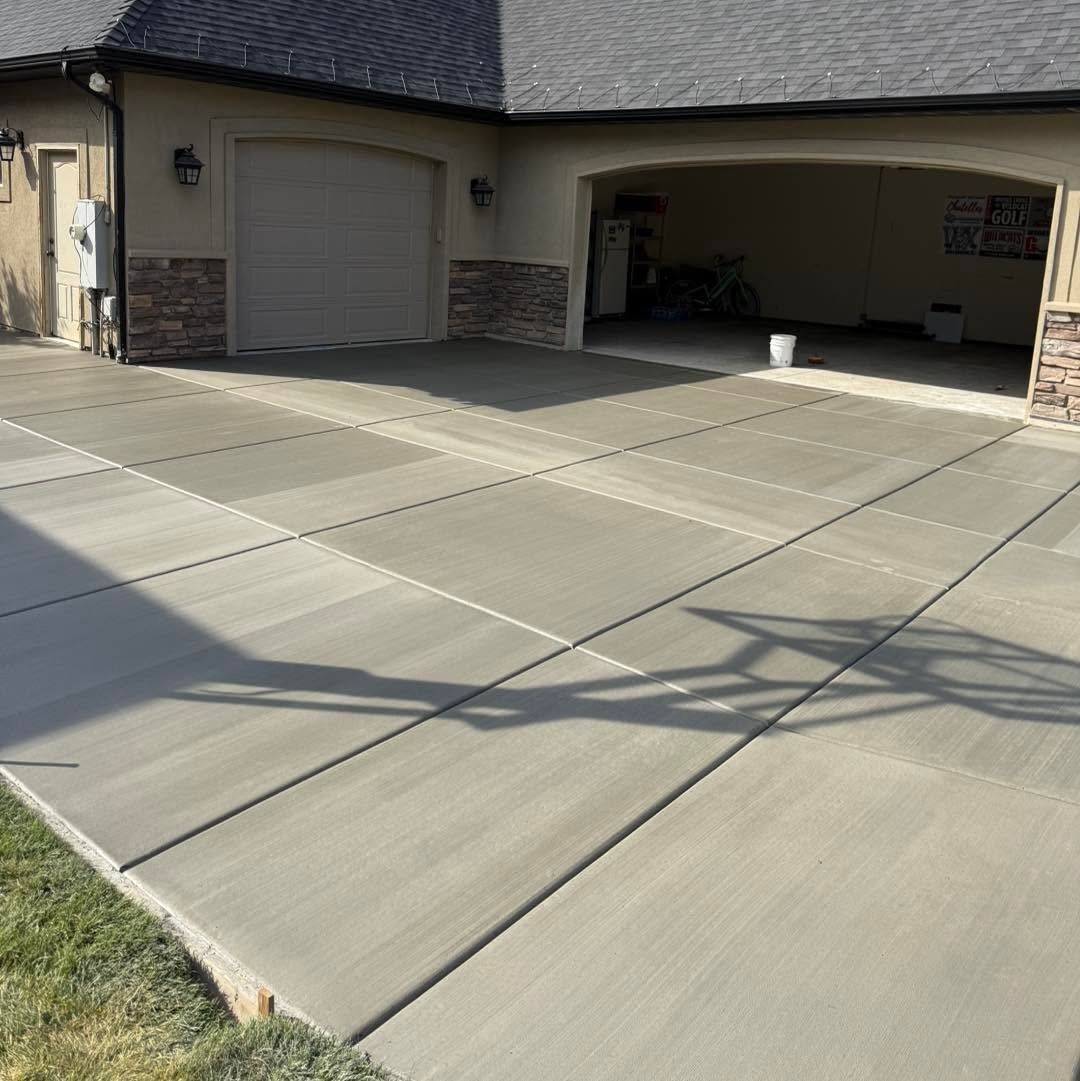
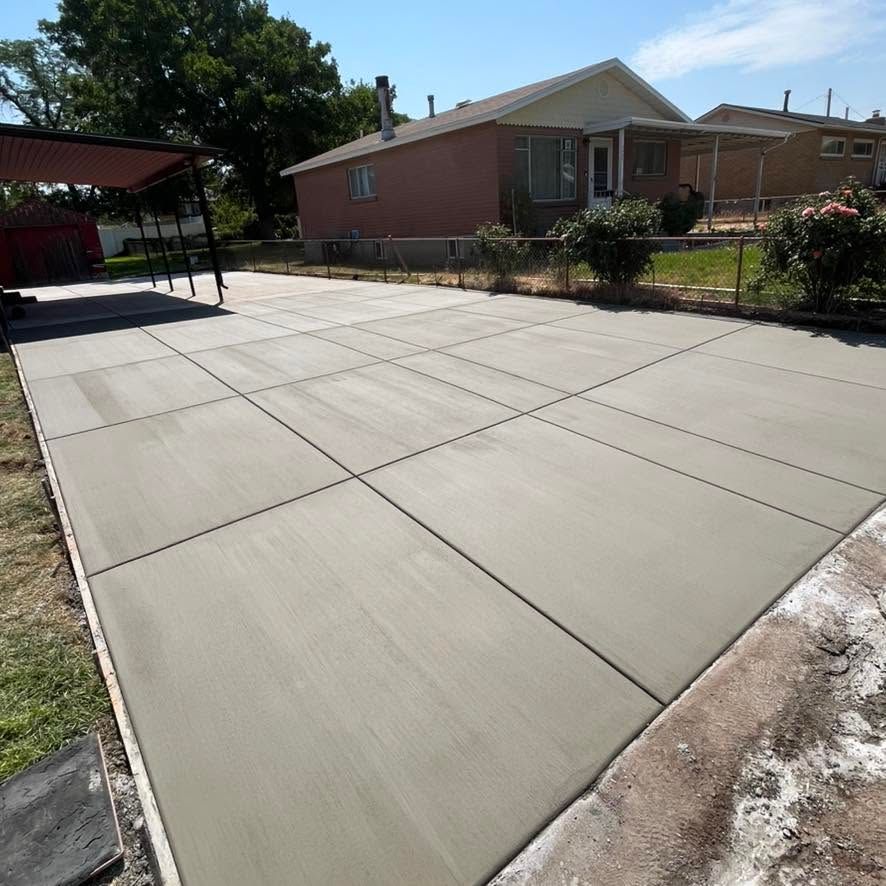
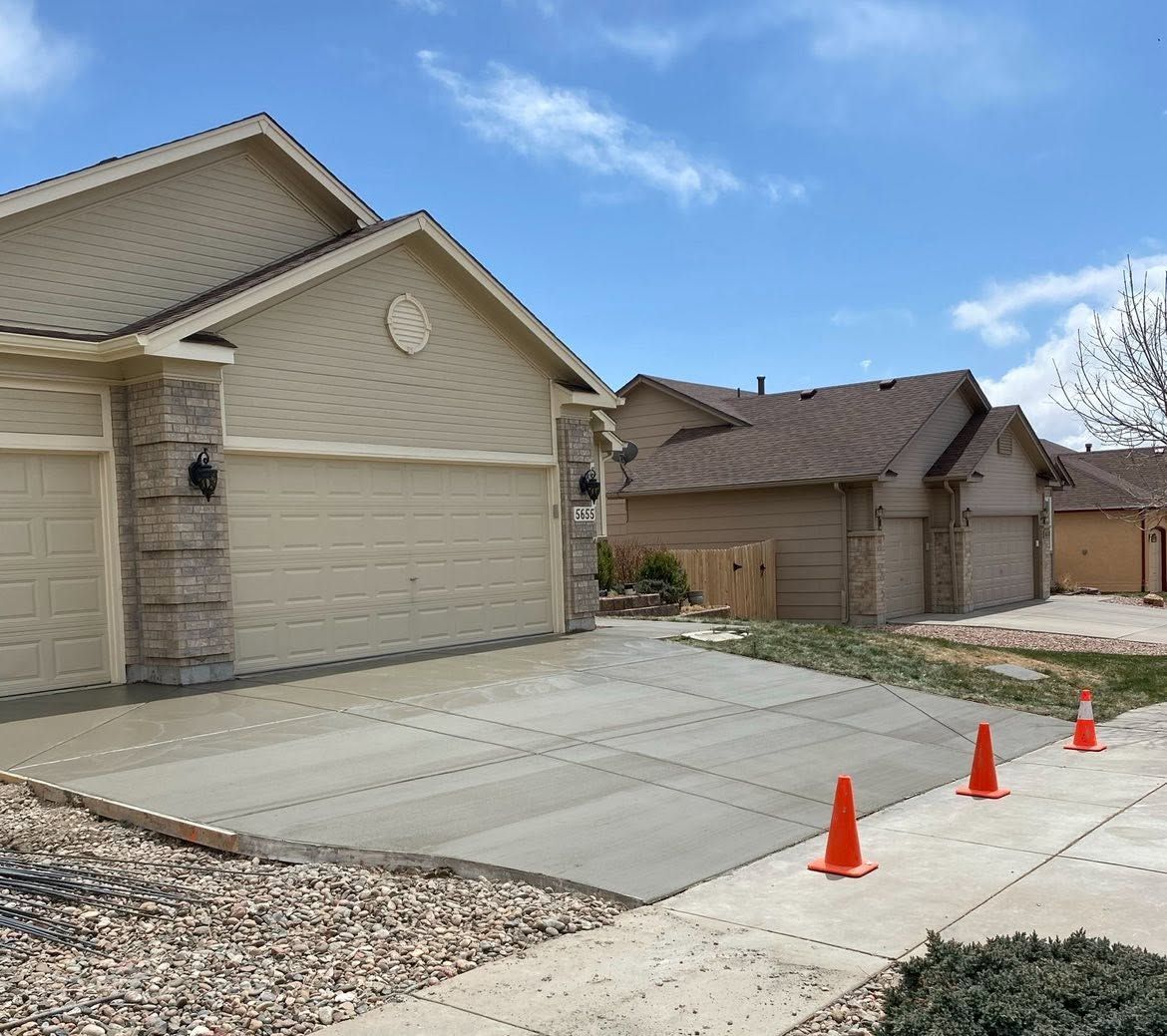
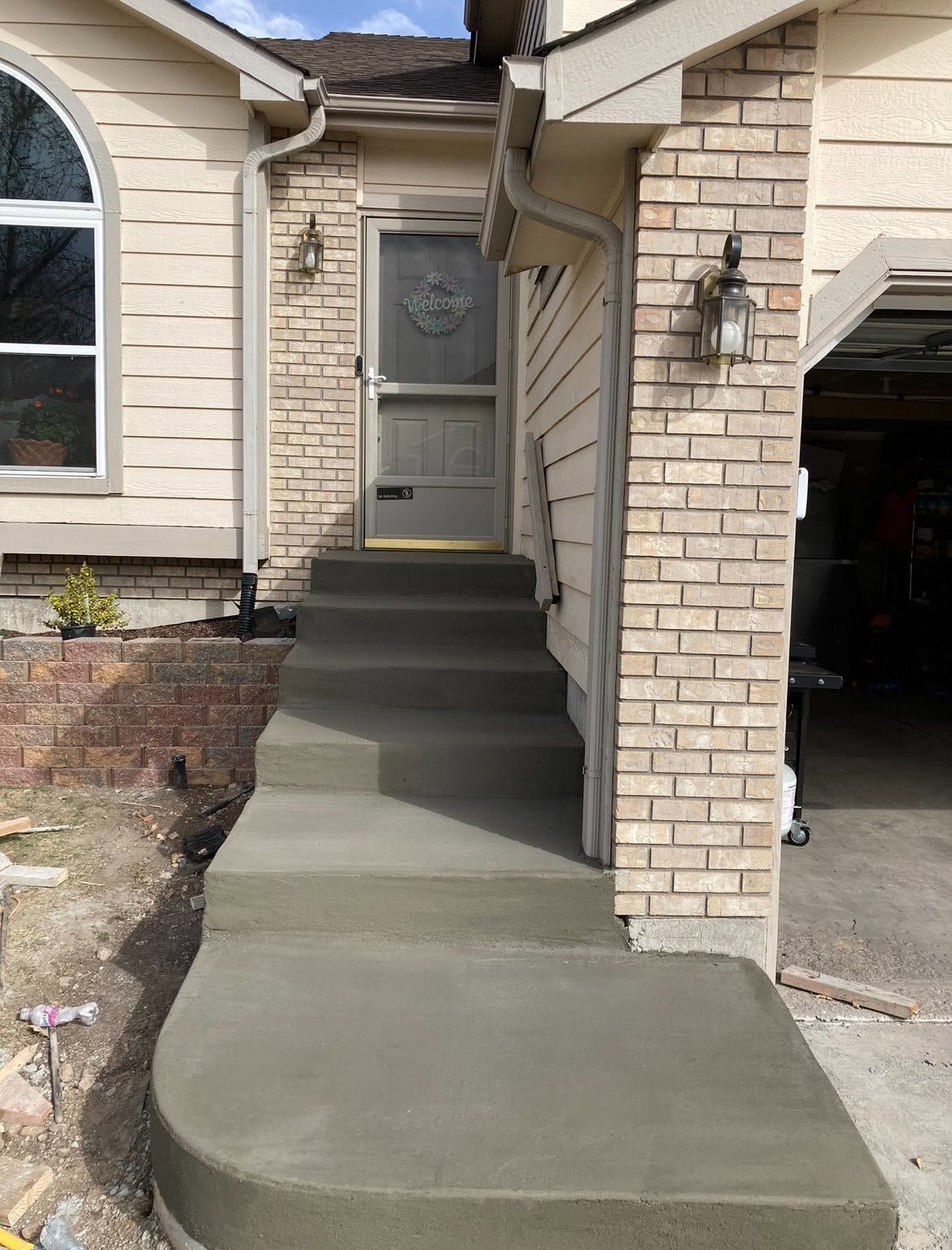
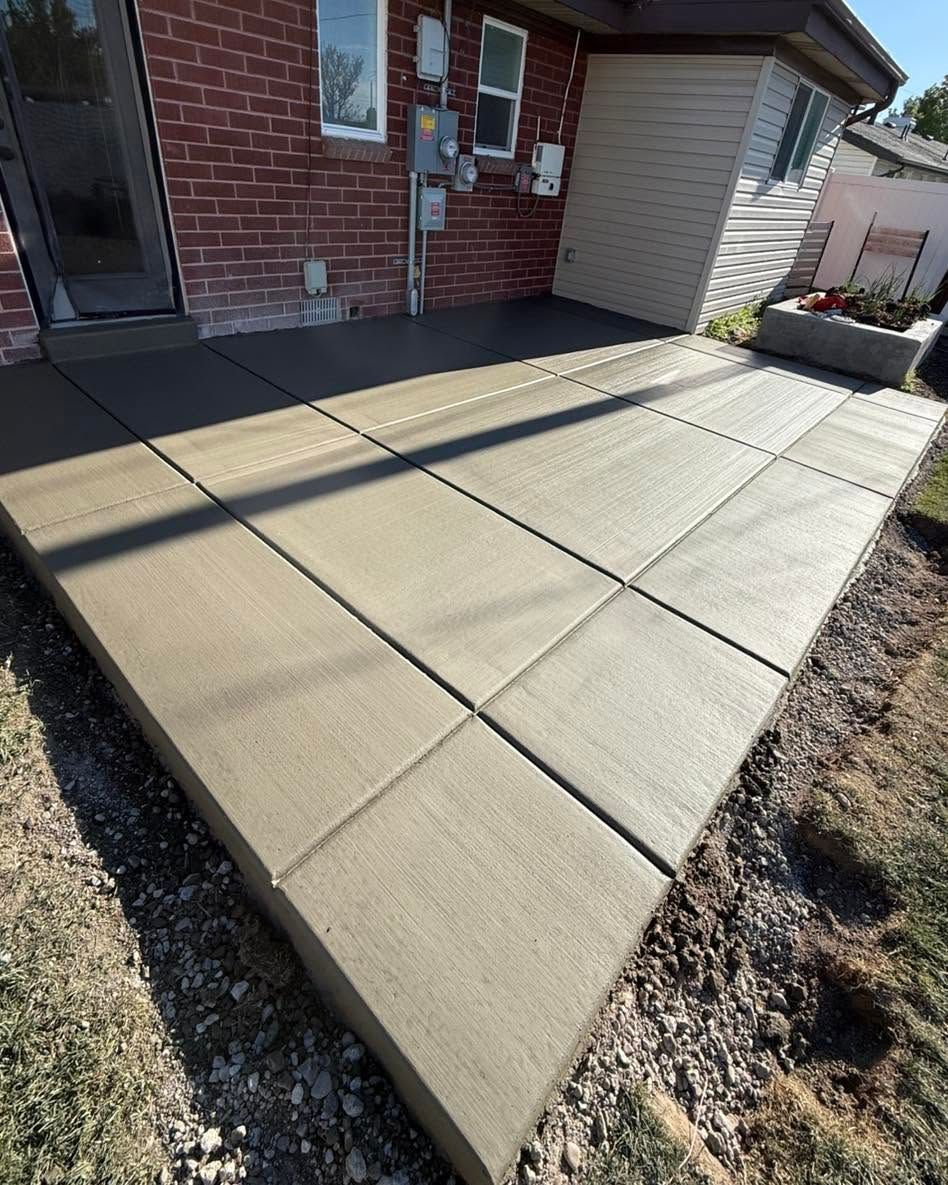
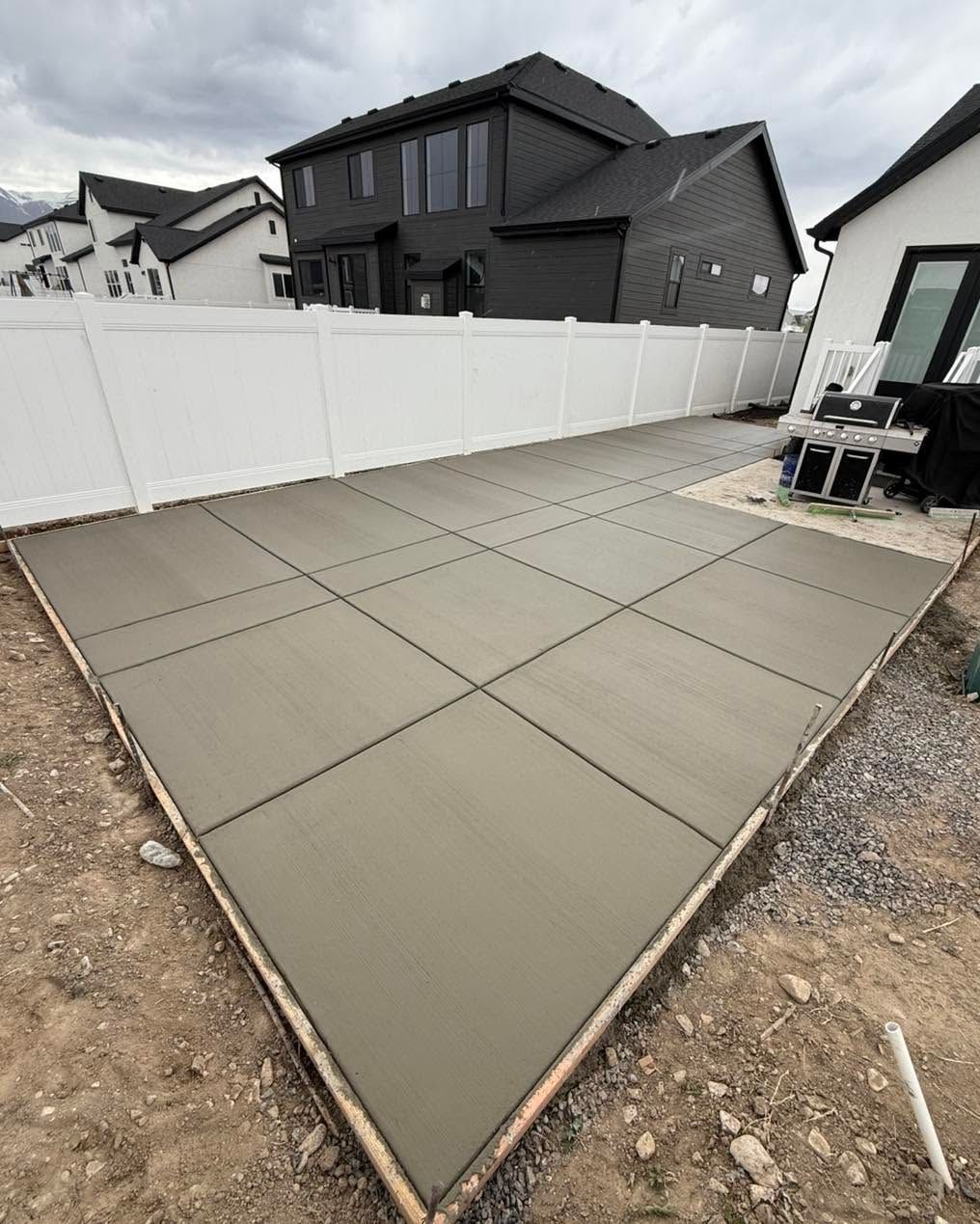
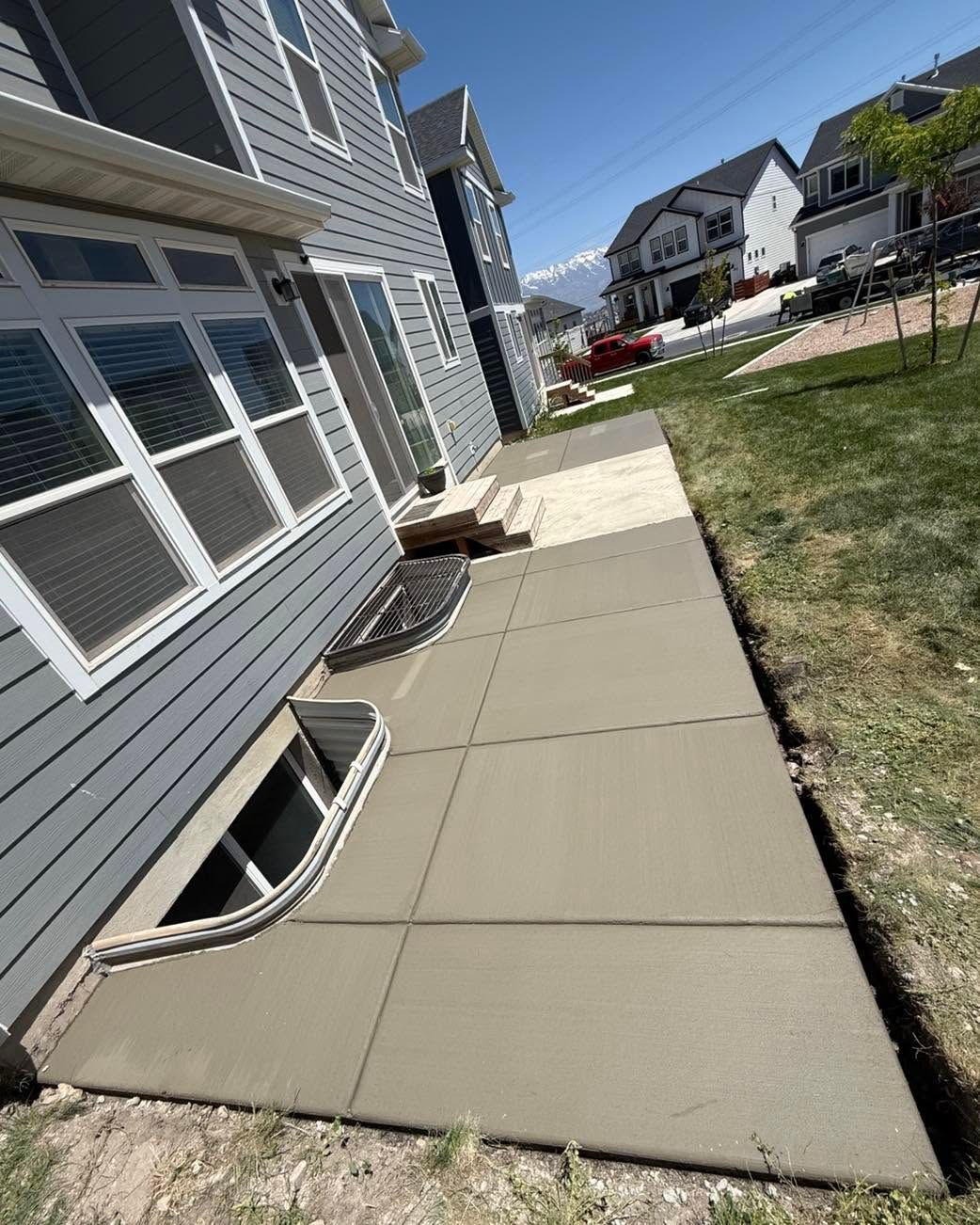
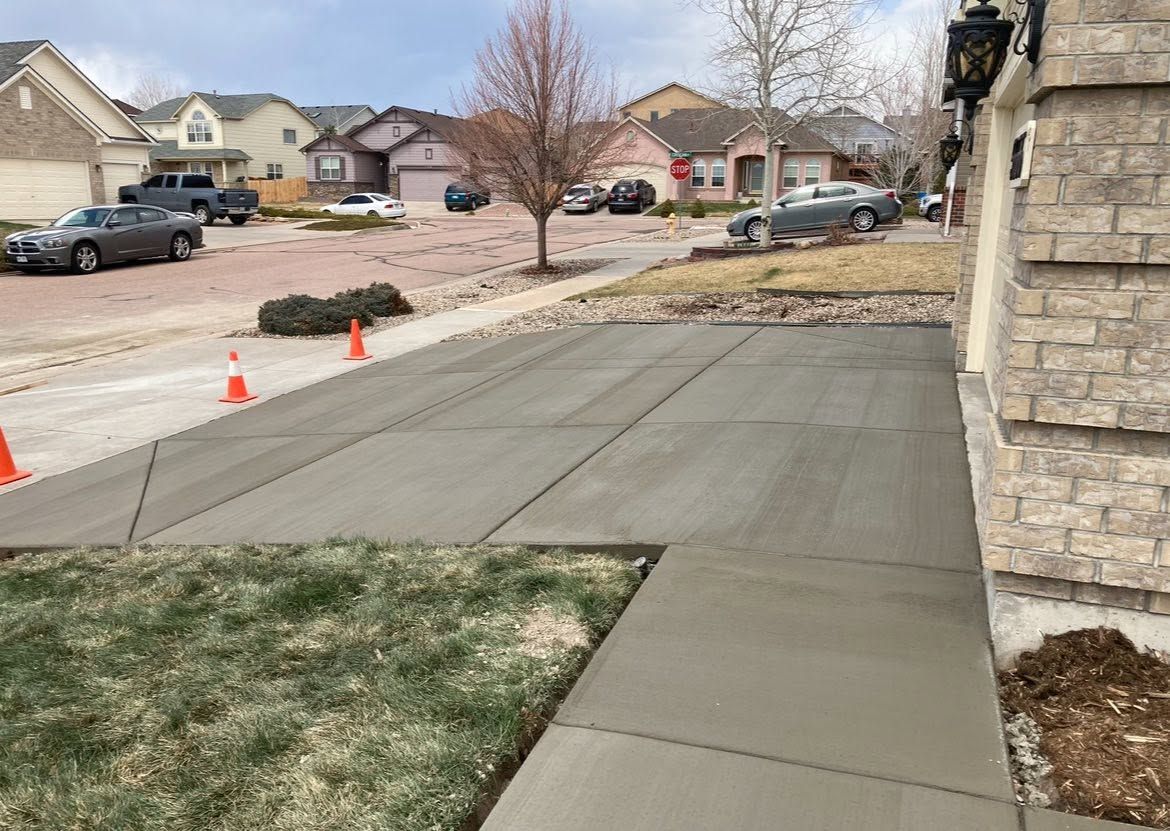
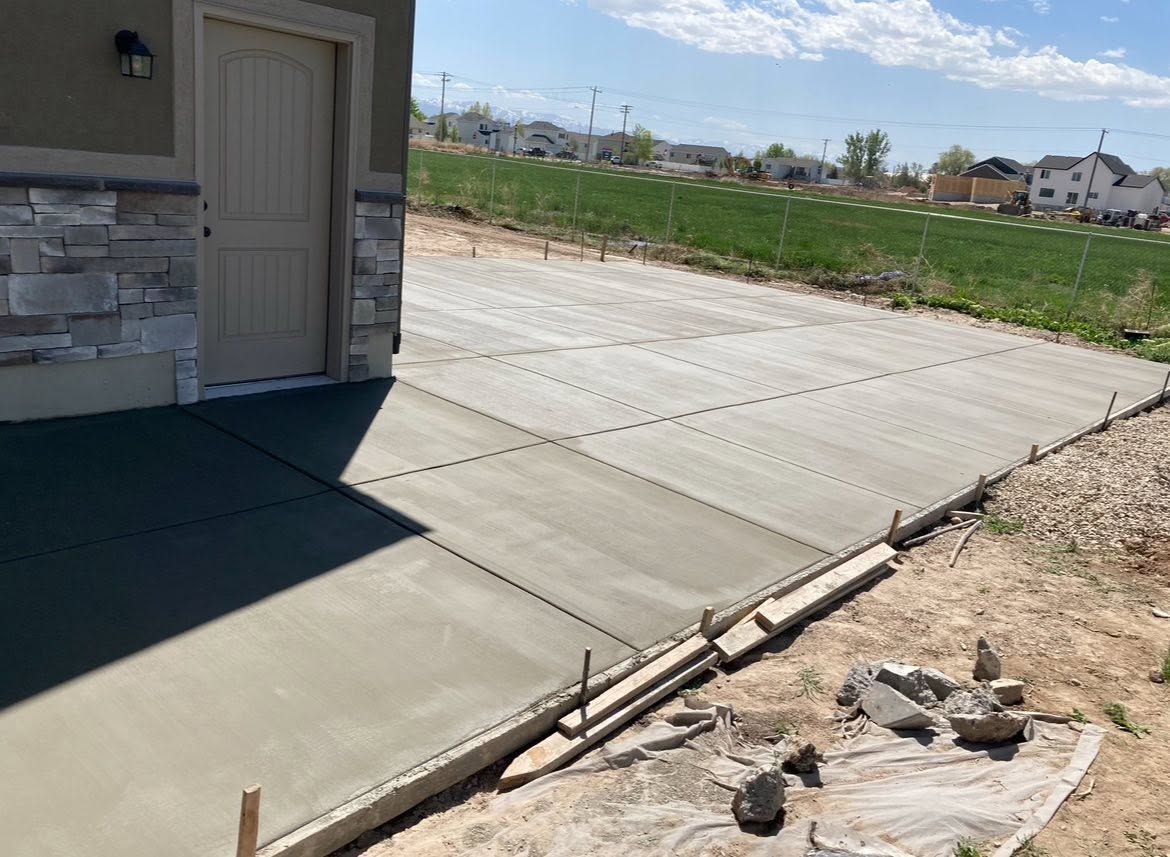
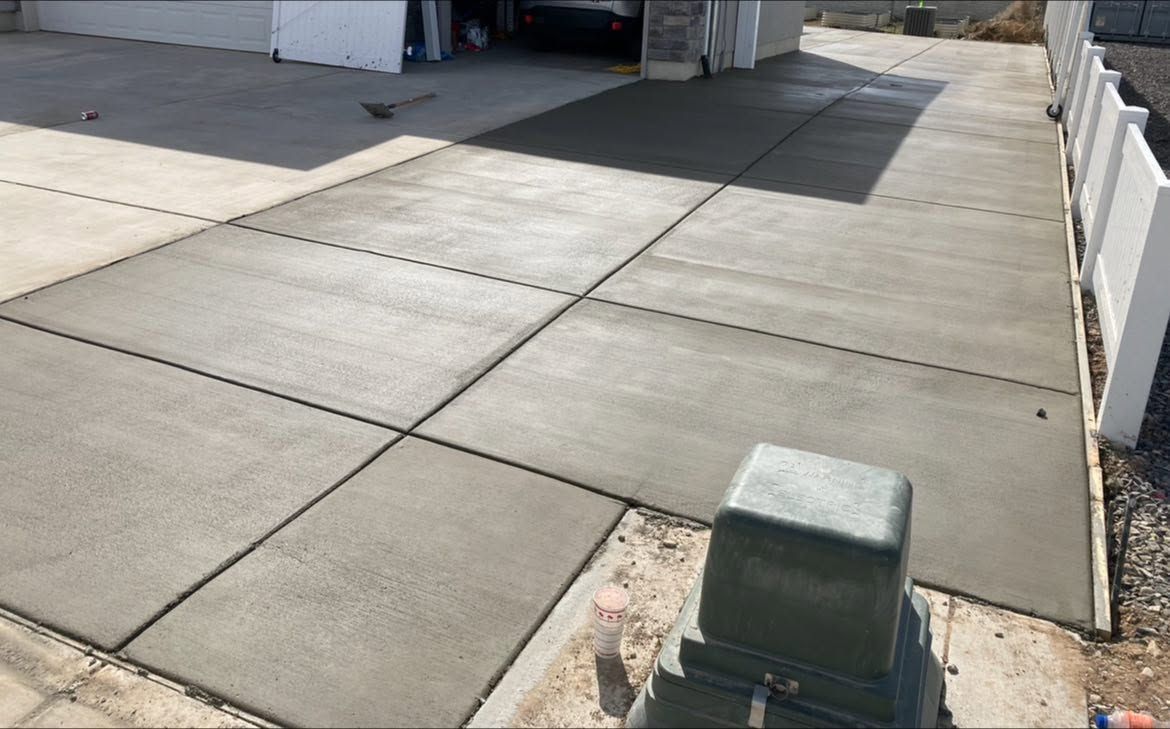
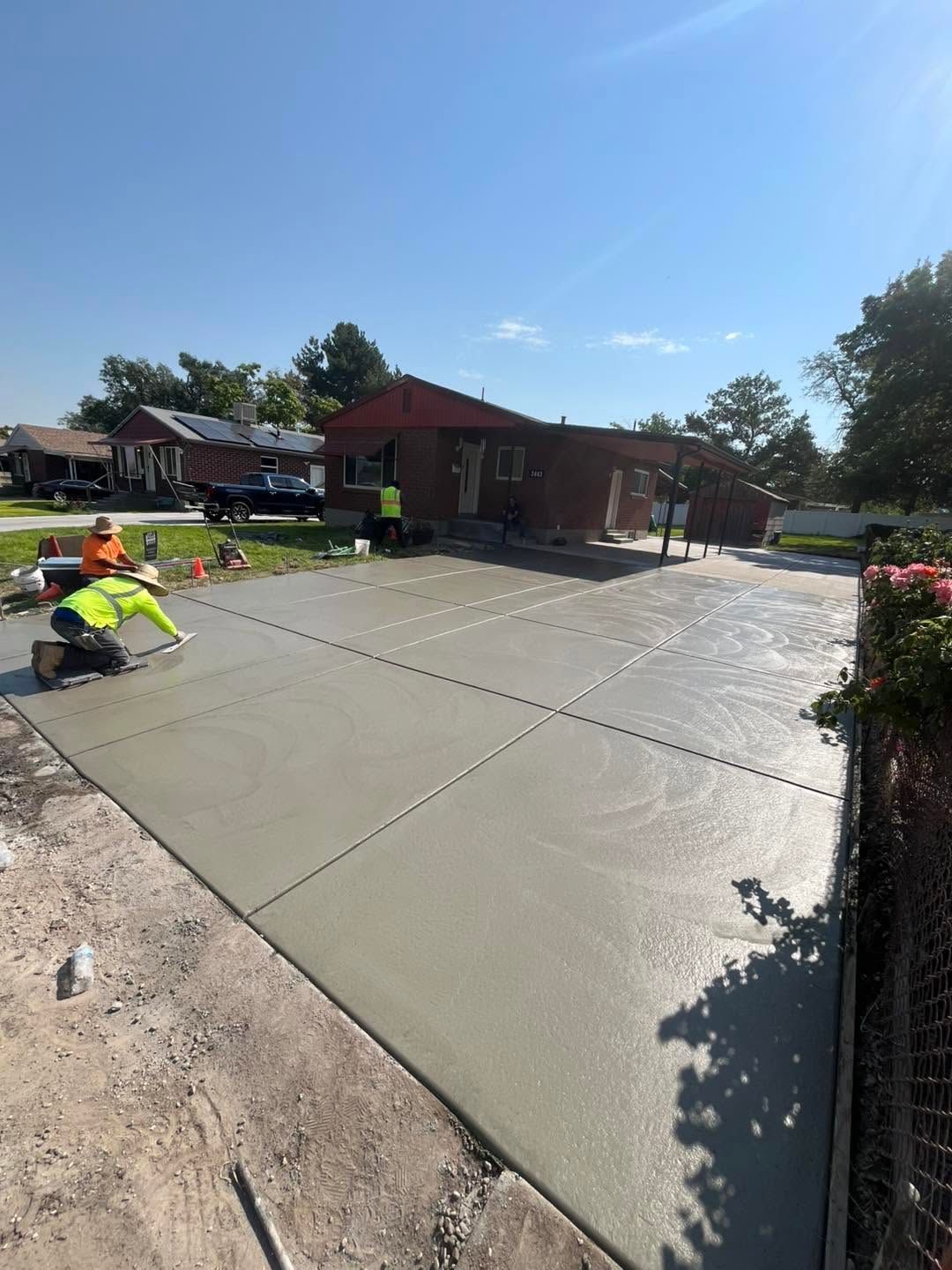
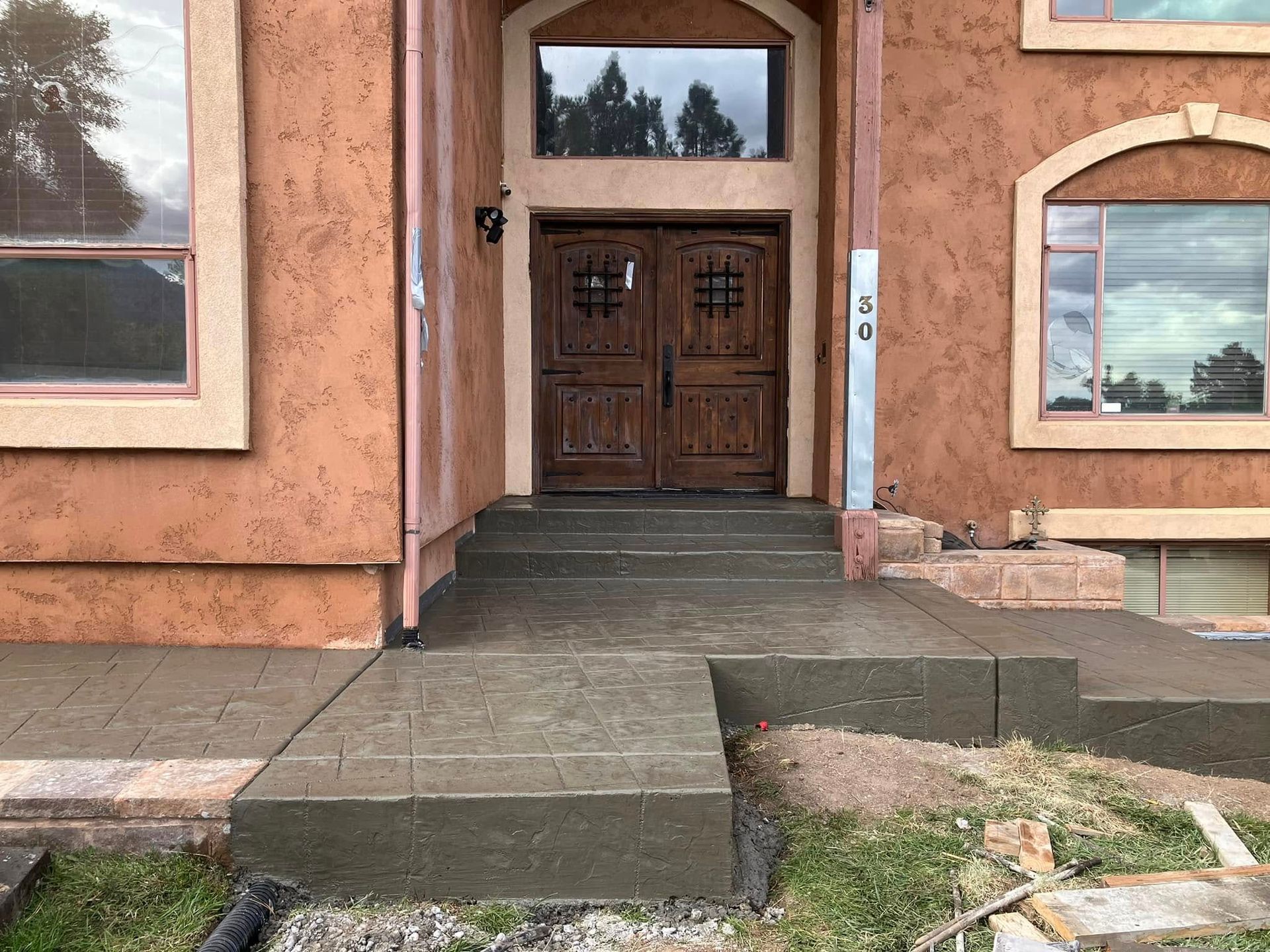
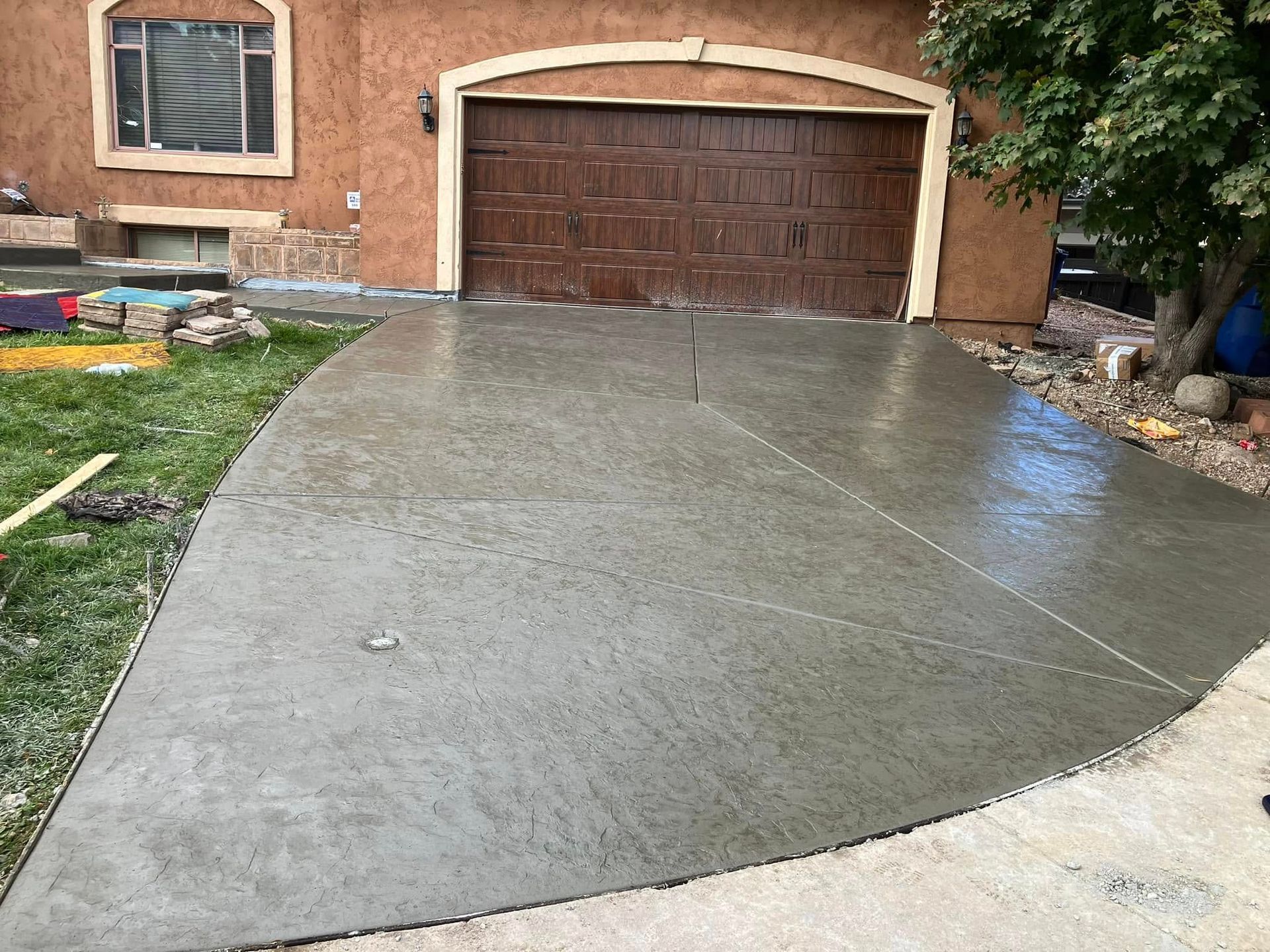
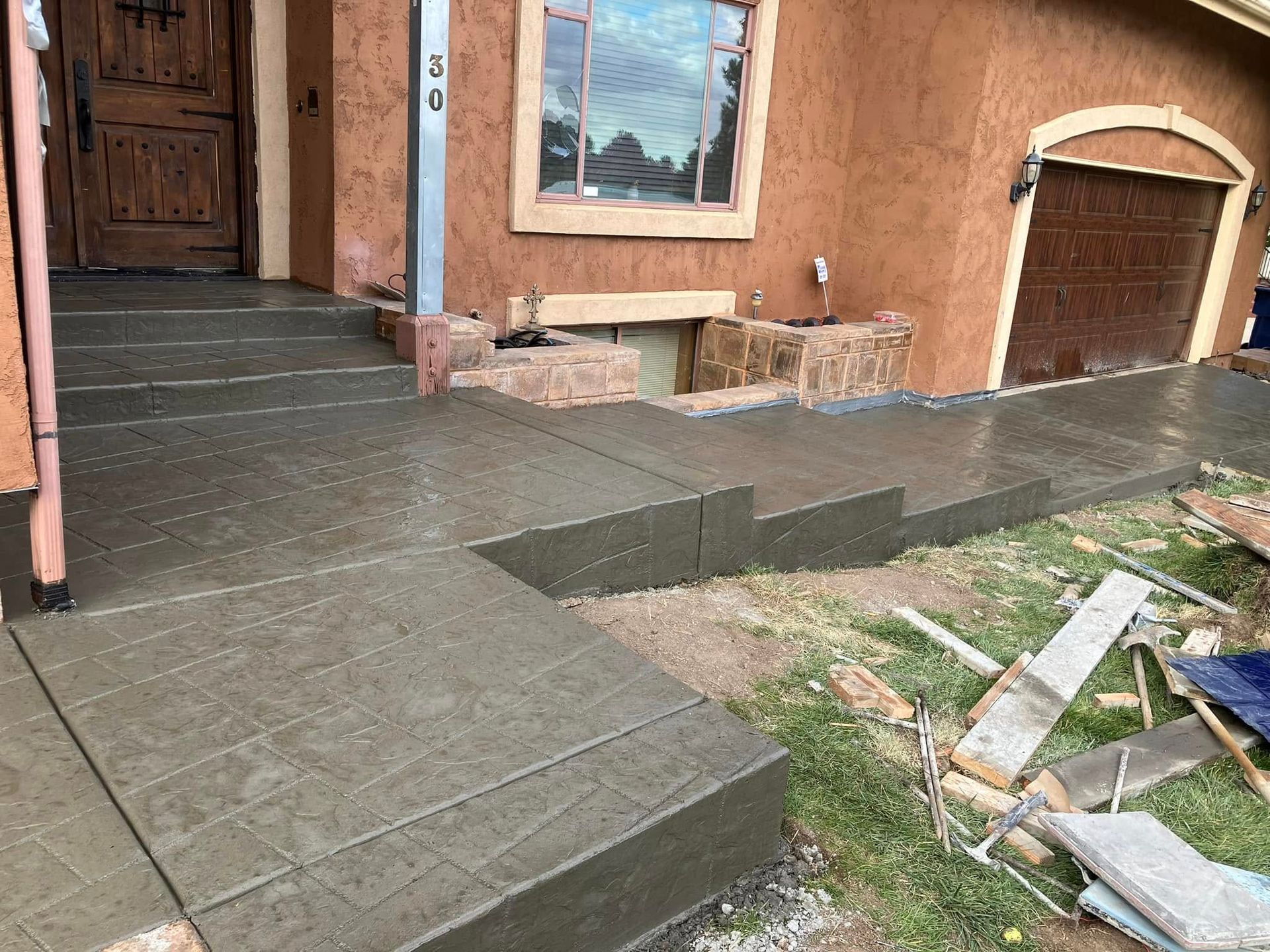
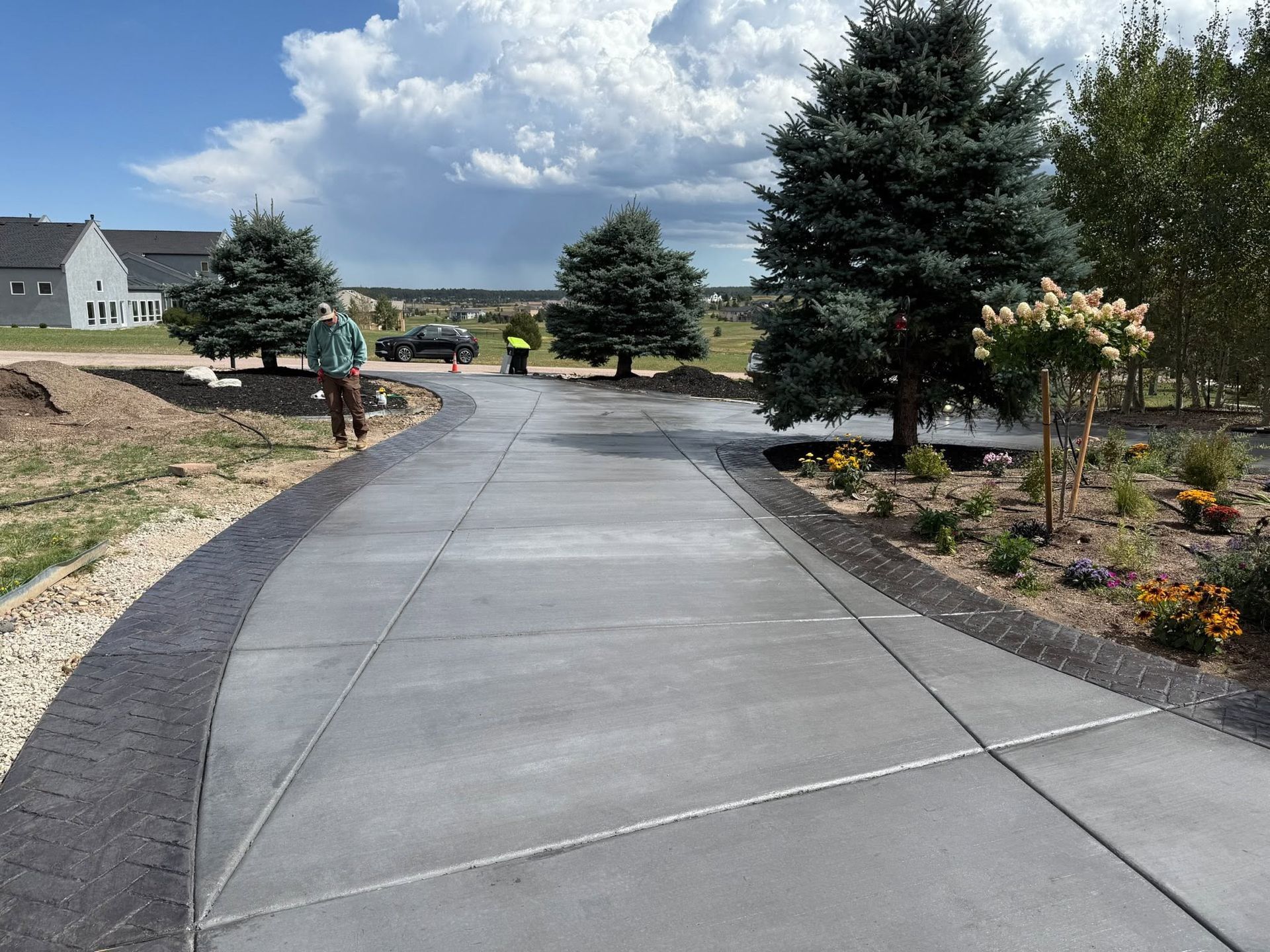
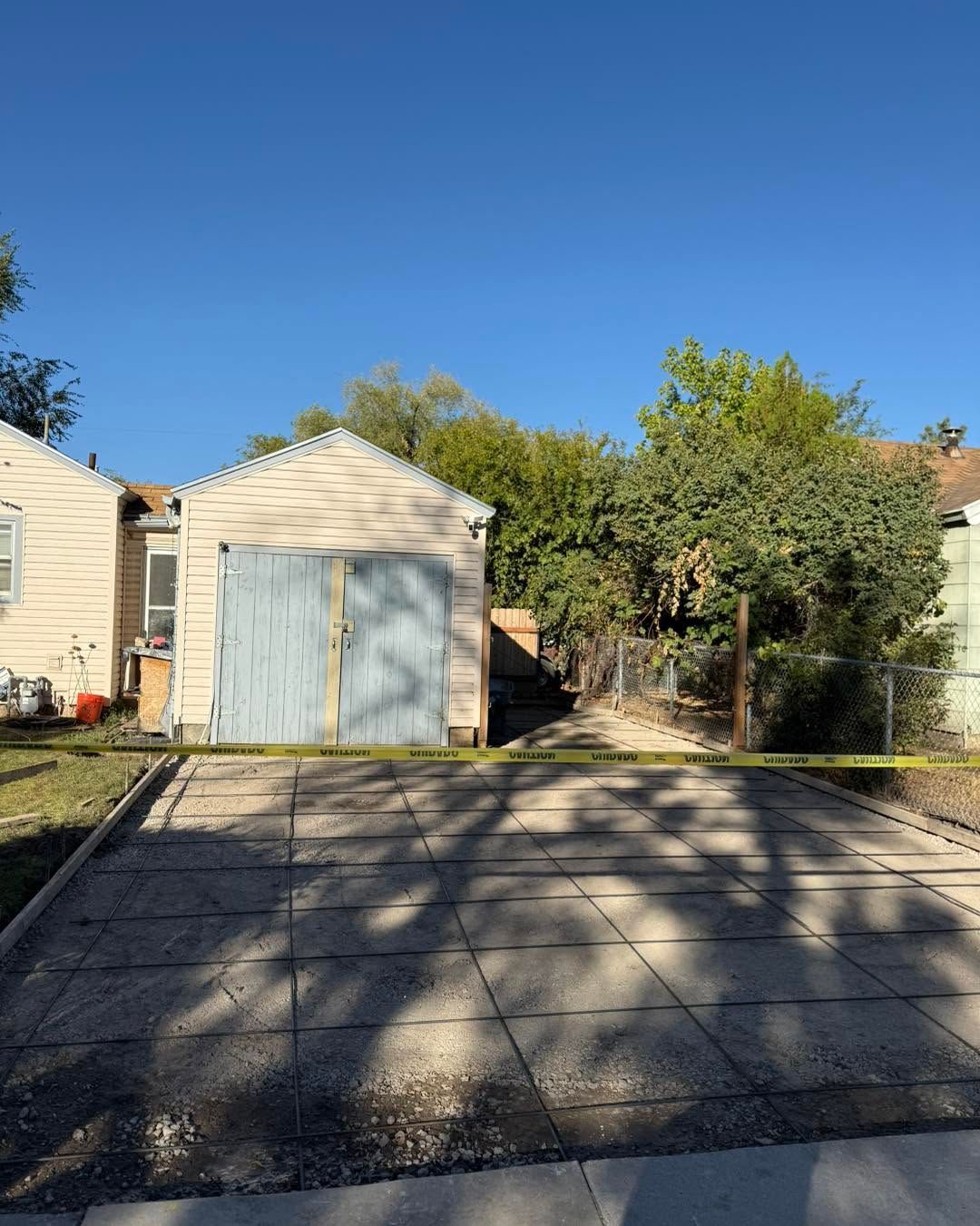
Patio work completed across Salt Lake City and the surrounding areas, from simple broom finished slabs to full stamped installations. Browse the gallery for inspiration, then tell us what you have in mind.


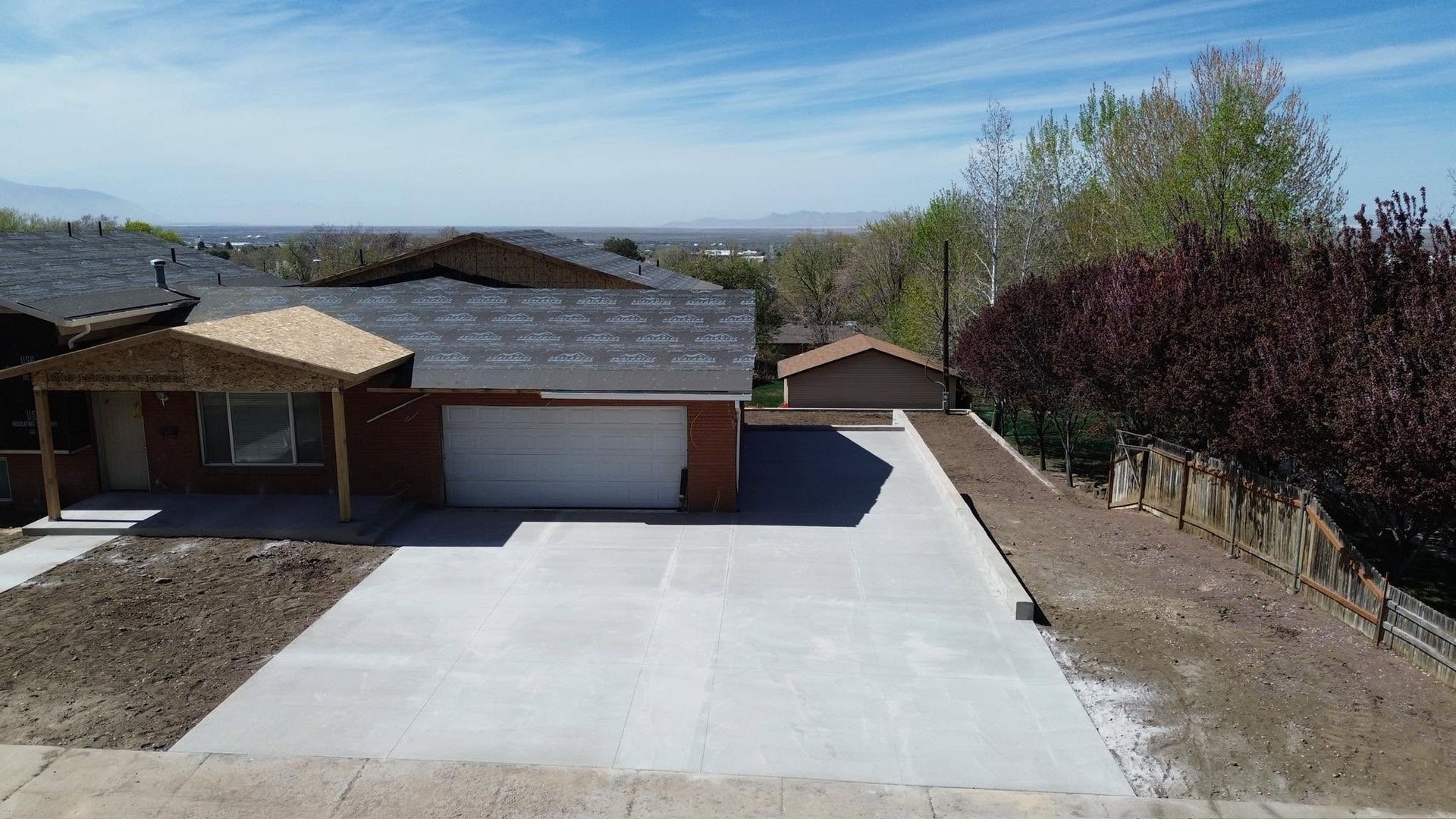
Areas We Serve
Nela Concrete proudly installs patios throughout Salt Lake County and Utah County. Click below to explore our complete service area coverage and see whether we work in your location.
FREQUENTLY ASKED QUESTIONS
A patio changes how a backyard gets used, so it is worth asking the right questions before you pour. Below are the ones we hear most often from homeowners across Salt Lake City.
What size should my patio be?
Bigger than most people first imagine. A basic seating area with a table and four chairs needs roughly twelve by twelve feet to allow chairs to pull back without falling off the edge. Add a grill station, a lounge area, or a fire pit and you are quickly into eighteen by twenty or larger. During the site visit we mark the shape on the ground and set your actual furniture inside it, which is far more useful than working from measurements on paper.
How thick should a patio slab be?
Four inches over a properly compacted base handles foot traffic, furniture, and normal patio use without difficulty. Where the plan includes a hot tub, an outdoor kitchen, a heavy stone fireplace, or a covered structure with footings, we increase thickness and add reinforcement in those areas specifically. Tell us about anything heavy you might add later, even if it is years away, because reinforcing during the original pour costs very little compared to correcting it afterward.
How long does patio installation take?
Most patios take three to five working days from excavation to final finish. Layout and base preparation usually take a day or two, the pour is a single day, and finishing work follows immediately. Stamped and decorative patios add time because of the pattern work and the sealing that follows. Weather can shift the schedule, since we do not place concrete when overnight temperatures threaten the early cure.
Can you match my existing patio or extend it?
Usually we can get very close, and we will tell you honestly how close before you commit. Exact matching is difficult because existing concrete has weathered and cured under conditions we cannot recreate. What we can do is match the finish texture, adjust color toward the existing slab, and place the joint between old and new where the transition looks deliberate. For extensions this planning matters more than most homeowners expect, so we walk it with you at the estimate.
Should I choose concrete or pavers?
Concrete gives you a continuous surface with no joints for weeds to find, costs less to install across a large area, and offers stamped and colored finishes that mimic stone convincingly. Pavers can be lifted and reset individually if settlement occurs, and small repairs are simpler. The tradeoff is that pavers need regular joint sand maintenance and tend to shift over time. For most Utah backyards, concrete is the lower maintenance choice.
Can a patio go under a covered structure or pergola?
Yes, and it is worth planning both together. If a pergola, pavilion, or roof extension is anywhere in your plans, tell us at the estimate stage. Post footings need to be placed before the slab rather than cut into it afterward, and getting that right during the original pour saves considerable cost and avoids weakening the finished surface. We can set sleeves or footings during preparation even if the structure is built years later.
Does a patio need to slope away from the house?
Always. A patio that holds water against the foundation is a genuine problem rather than a cosmetic one, particularly in a climate where that water freezes repeatedly through winter. We grade every patio to fall away from the home at a slope that moves water off the surface without being noticeable underfoot. Where the existing yard grade works against that, we address it during excavation rather than pouring and hoping.
Is stamped concrete slippery when wet?
It can be, particularly on shaded north facing surfaces that stay damp or ice over in winter. The finish texture, the sealer, and any additives all affect grip, so we discuss where the patio sits and how much sun it gets before recommending a finish. For pool surrounds and shaded areas we specify a slip resistant additive in the sealer. Exposed aggregate is another good option where traction is the priority.
What is the best time of year to pour a patio in Utah?
Late spring through early fall gives the widest window along the Wasatch Front. Concrete needs temperatures above freezing while it gains early strength, so overnight lows are usually the limiting factor rather than daytime highs. We pour into the shoulder seasons using cold weather practices including insulating blankets and adjusted mixes. Booking in late winter for a spring pour is the smartest approach, since the calendar fills quickly once the weather turns.
Do I need a permit for a patio?
A ground level patio sitting inside your property line typically does not require a permit, though setback rules still apply and vary between cities across Salt Lake County and Utah County. Adding a covered structure, an outdoor kitchen with utilities, or anything attached to the house usually does require permitting. We tell you which category your project falls into during the estimate.
Why should I choose Nela Concrete for my patio?
Because we treat the layout as part of the work rather than something to sort out on pour day. We mark the shape on the ground so you can walk it, bring real finish samples to the estimate, and adjust until the space works the way you imagined. New inquiries typically hear back within thirty to sixty minutes and most estimates follow within one to two days. We are licensed and insured, our Google rating sits at five stars, and the owner is accountable on every job.