
EXPERIENCED SALT LAKE CITY CONCRETE DRIVEWAY CONTRACTOR
Nela Concrete provides concrete driveway installation and replacement for property owners across Salt Lake City. Every project gets careful planning, precise workmanship, and dependable service.
Professional Installation Practices
High-Quality Materials
Backed by Experience & Local Trust
PROFESSIONAL DRIVEWAY INSTALLATION AND REPLACEMENT
Your driveway sees more daily use than any other surface on the property, and a well installed residential concrete driveway lifts the impression it makes from the street.
We plan each driveway around the property rather than a standard template. Vehicle weight, slope, drainage, and soil conditions all shape what we recommend.
The result is a surface that improves how the property functions and holds its appearance through years of daily traffic and Utah weather.
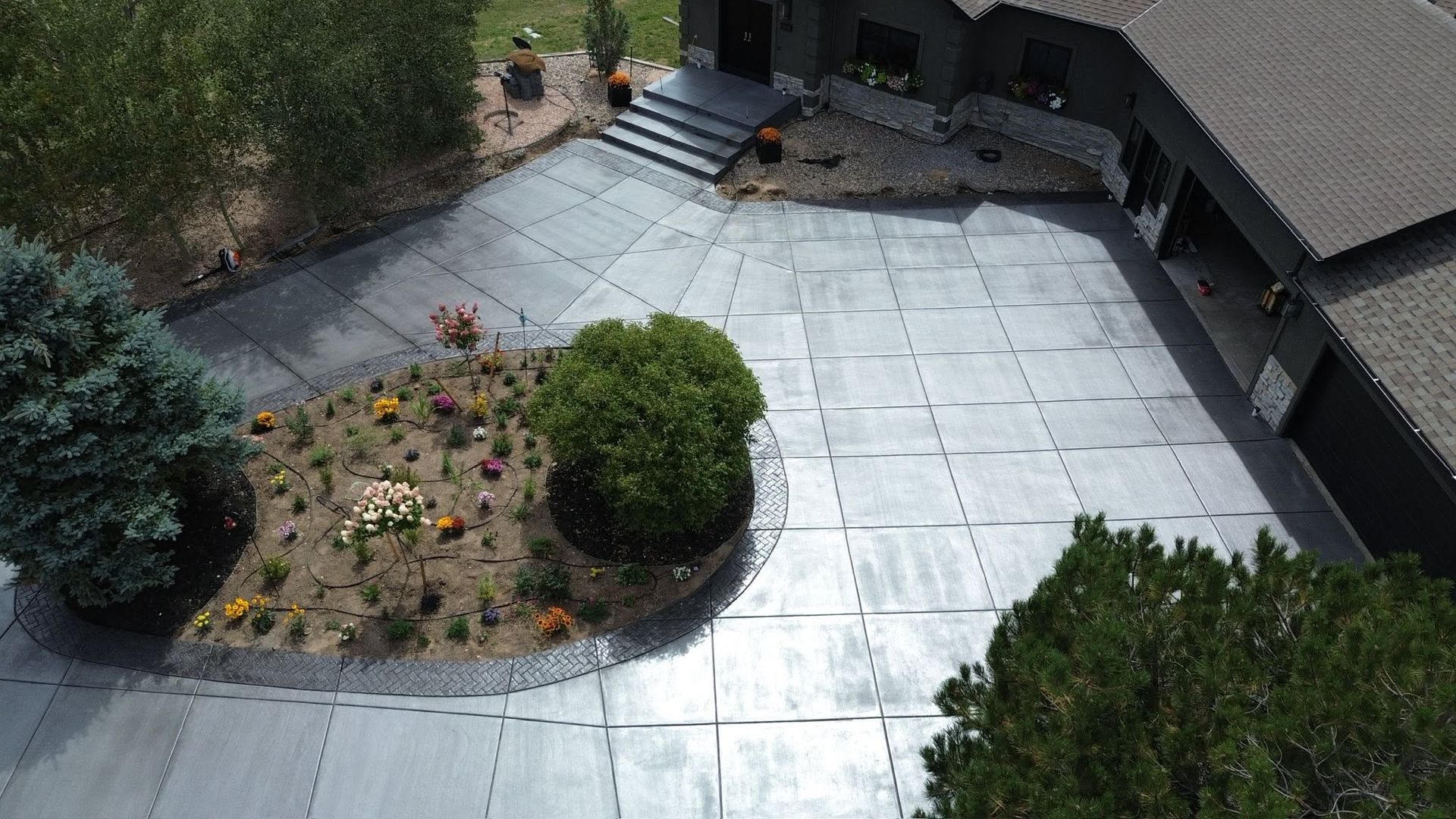
BENEFITS OF A NEW CONCRETE DRIVEWAY
A new driveway does more than improve how a property looks. Owners across Salt Lake City choose concrete because it delivers practical advantages that show up in everyday use and in long term property value.
Improved Curb Appeal
A clean, precisely finished driveway lifts the appearance of the entire property and creates a stronger first impression from the street.
Better Property Access
A well planned driveway gives vehicles, guests, and deliveries convenient access without awkward turns or tight clearances.
Increased Property Value
Driveway improvements are widely viewed as a valuable upgrade that contributes to the overall appeal and resale position of a home.
Lower Maintenance Demands
Concrete asks far less of you than gravel or asphalt, with no annual resealing schedule and no loose material to rake back into place.
Easier Winter Clearing
A smooth, properly finished surface clears more easily after snowfall and stands up better to repeated freezing and thawing.
SIGNS IT MAY BE TIME TO REPLACE YOUR DRIVEWAY
Many owners contact us because the existing surface no longer meets their needs or has started to break down. Recognizing the signs early usually turns a concrete driveway replacement into a planned project rather than an emergency one.
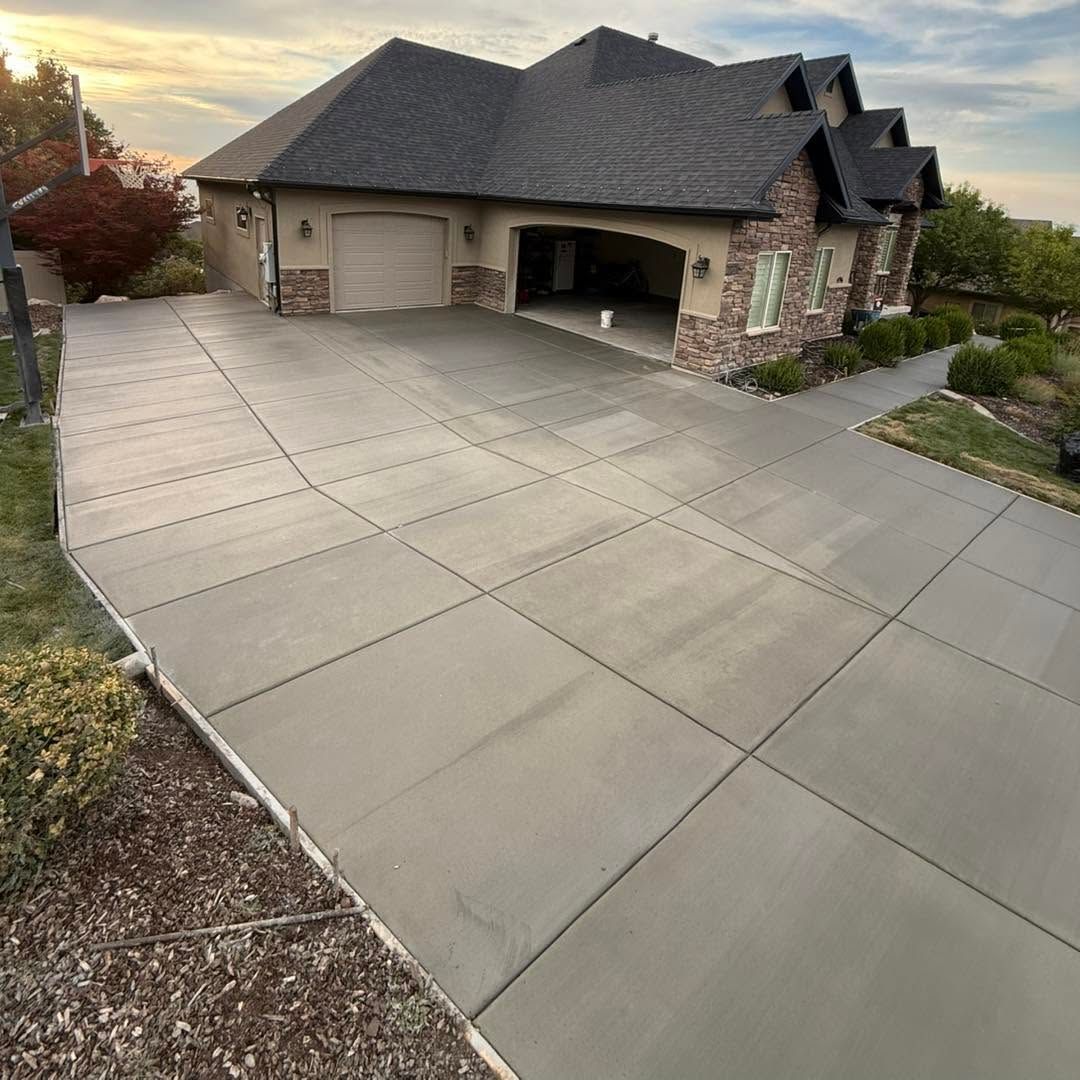
Widespread Cracking
Large, branching, or displaced cracks affect both the appearance and the structural function of the slab.
Settling and Uneven Sections
Areas that have sunk or lifted create trip hazards and make everyday use noticeably less comfortable.
Standing Water
Water that pools instead of draining away points to a grading problem.
Surface Scaling and Flaking
A surface that is pitting or flaking has usually taken repeated damage from deicing salt and freeze cycles.
Outgrown Parking Space
Replacement is the right moment to widen the driveway or add a parking pad for an additional vehicle.
OUR DRIVEWAY INSTALLATION PROCESS
Every driveway project begins with understanding how the property is used and what the finished surface needs to handle. From there the process stays consistent, so you always know which stage you are in and what happens next.
Step 1
Initial Consultation
We discuss your goals, the condition of the existing surface, the property layout, and any features you would like included in the project.
Step 2
Site Evaluation
We take measurements and review drainage, grading, soil conditions, and site access in order to build a practical installation plan.
Step 3
Estimate & Project Planning
You receive a detailed estimate covering the scope of work, the slab specification, our recommendations, and the next steps in the schedule.
Step 4
Removal and Site Preparation
Existing concrete is removed and hauled away, then the area is excavated, graded, and compacted to properly support the new pour.
Step 5
Pour, Finish, and Final Review
We place, finish, and joint the slab, then walk the completed driveway with you and explain curing times and early care before we leave.
WHY PROPERTY OWNERS CHOOSE NELA CONCRETE FOR DRIVEWAY INSTALLATION
A driveway is one of the first things people notice when they arrive, and it is not a surface anyone wants to replace twice.
We stay involved in every project rather than handing it to a rotating crew. The owner walks the property, reviews site conditions, and recommends what the driveway genuinely needs.
Most estimates reach you within one to two days, which among driveway contractors in Salt Lake City is far from standard.
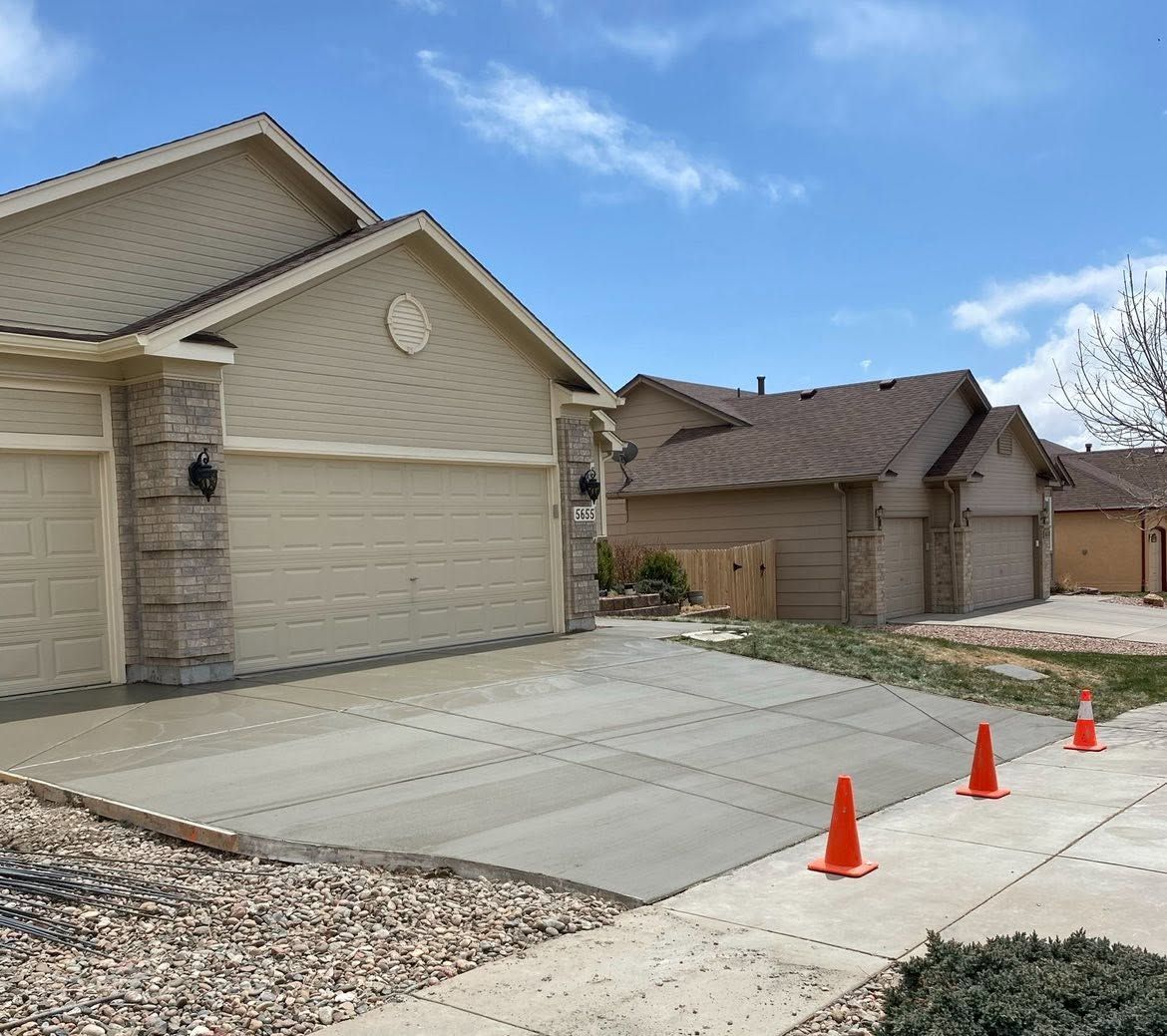
Explore Our Recent Projects
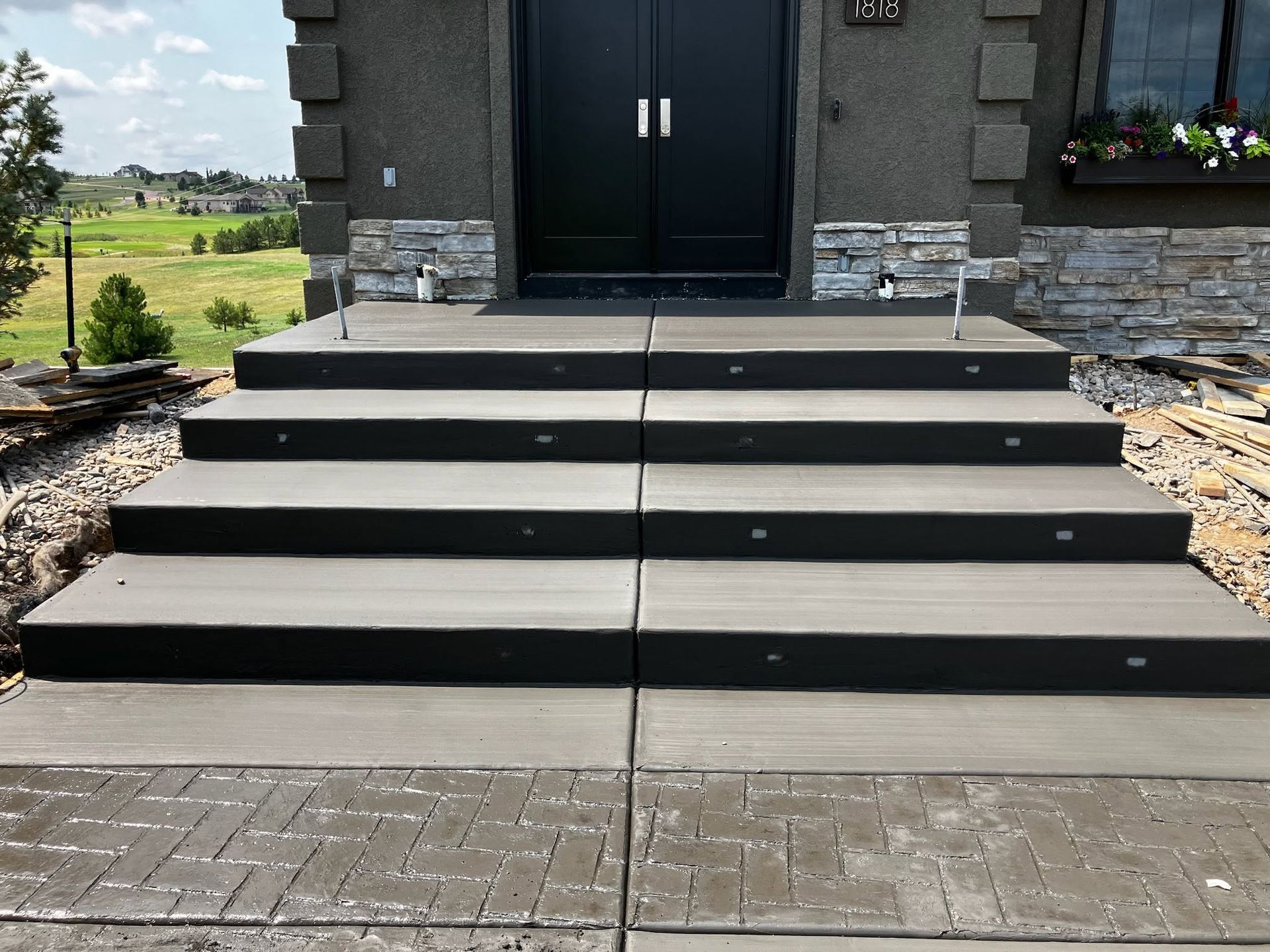
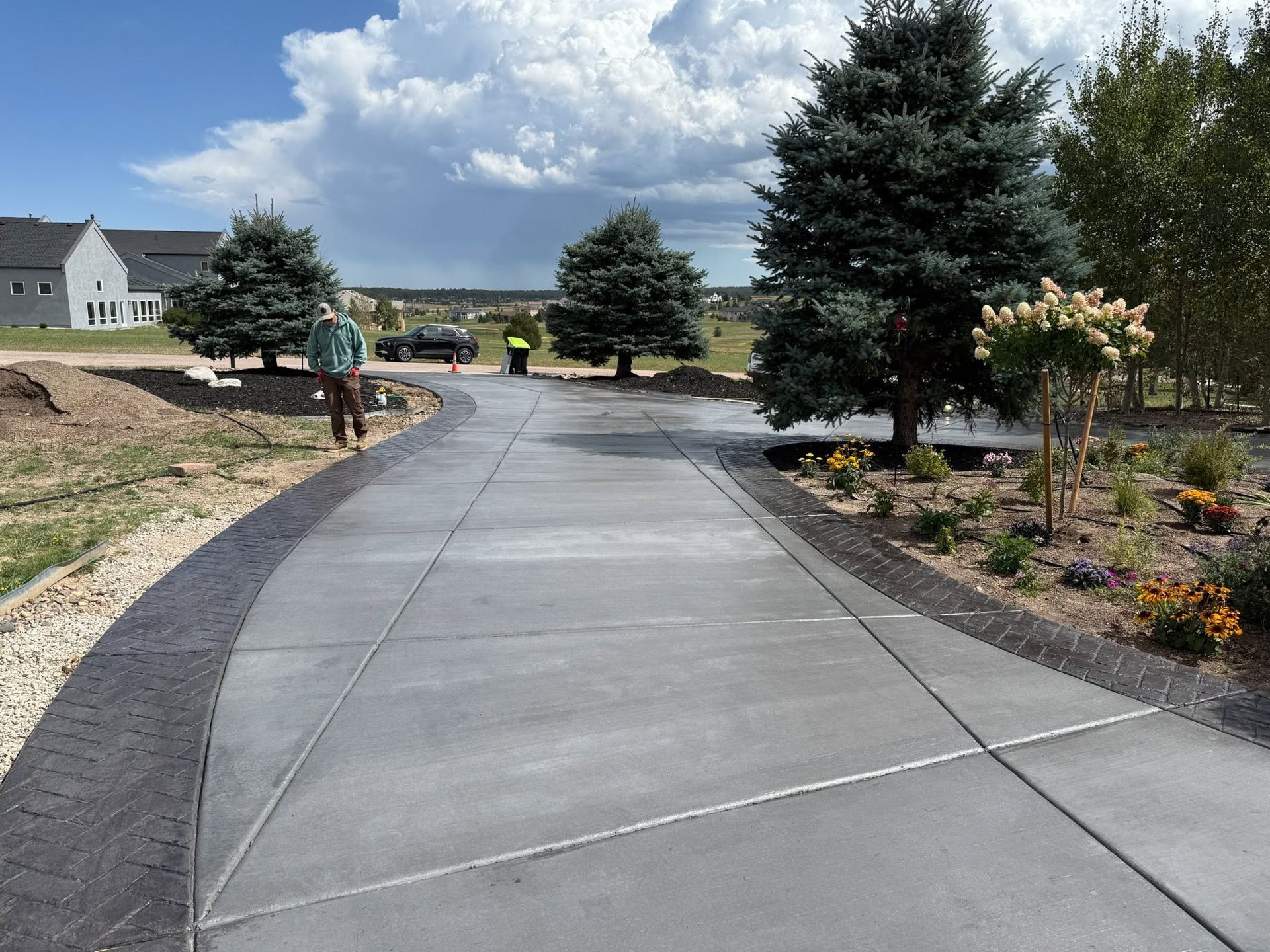
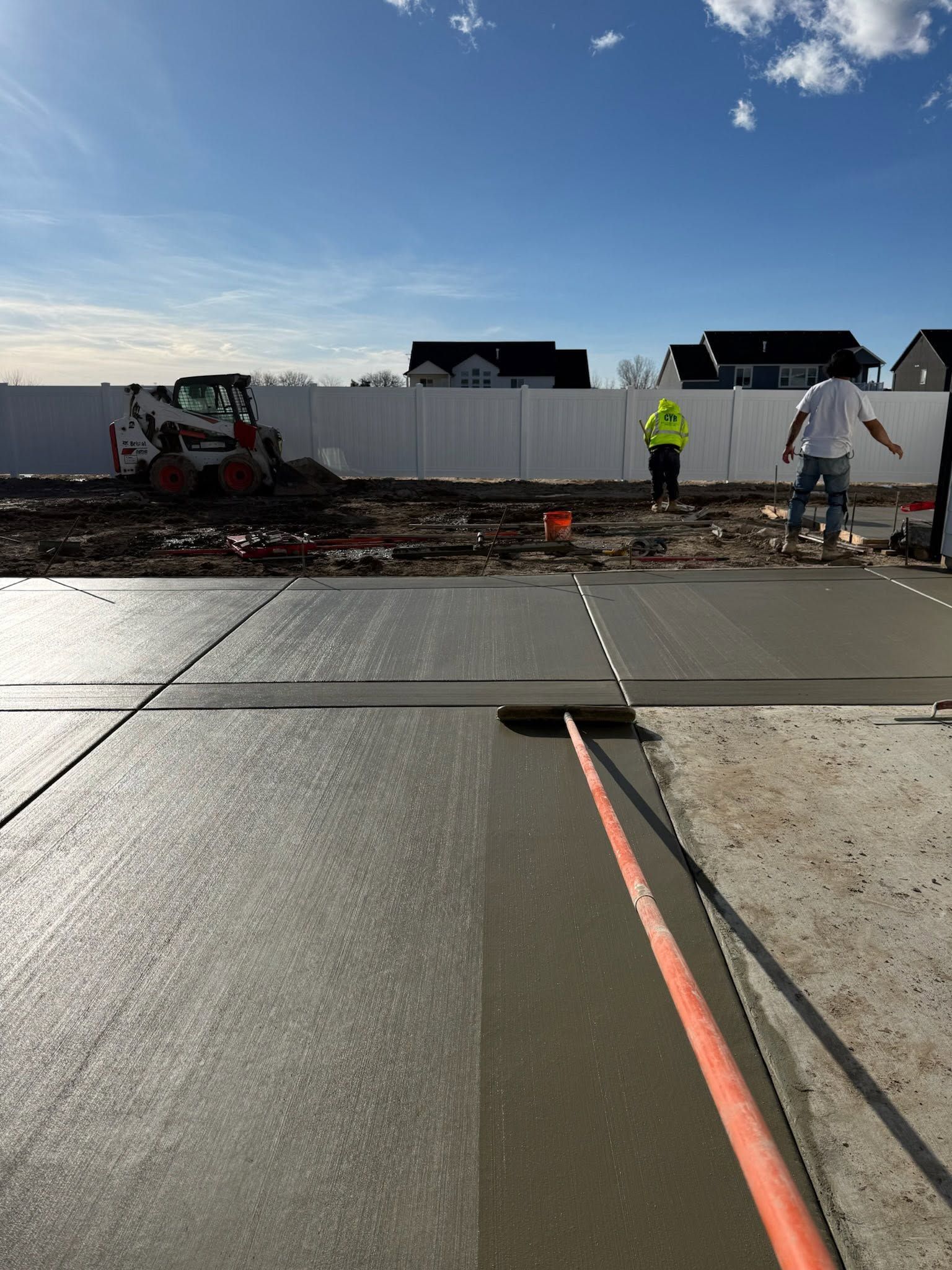
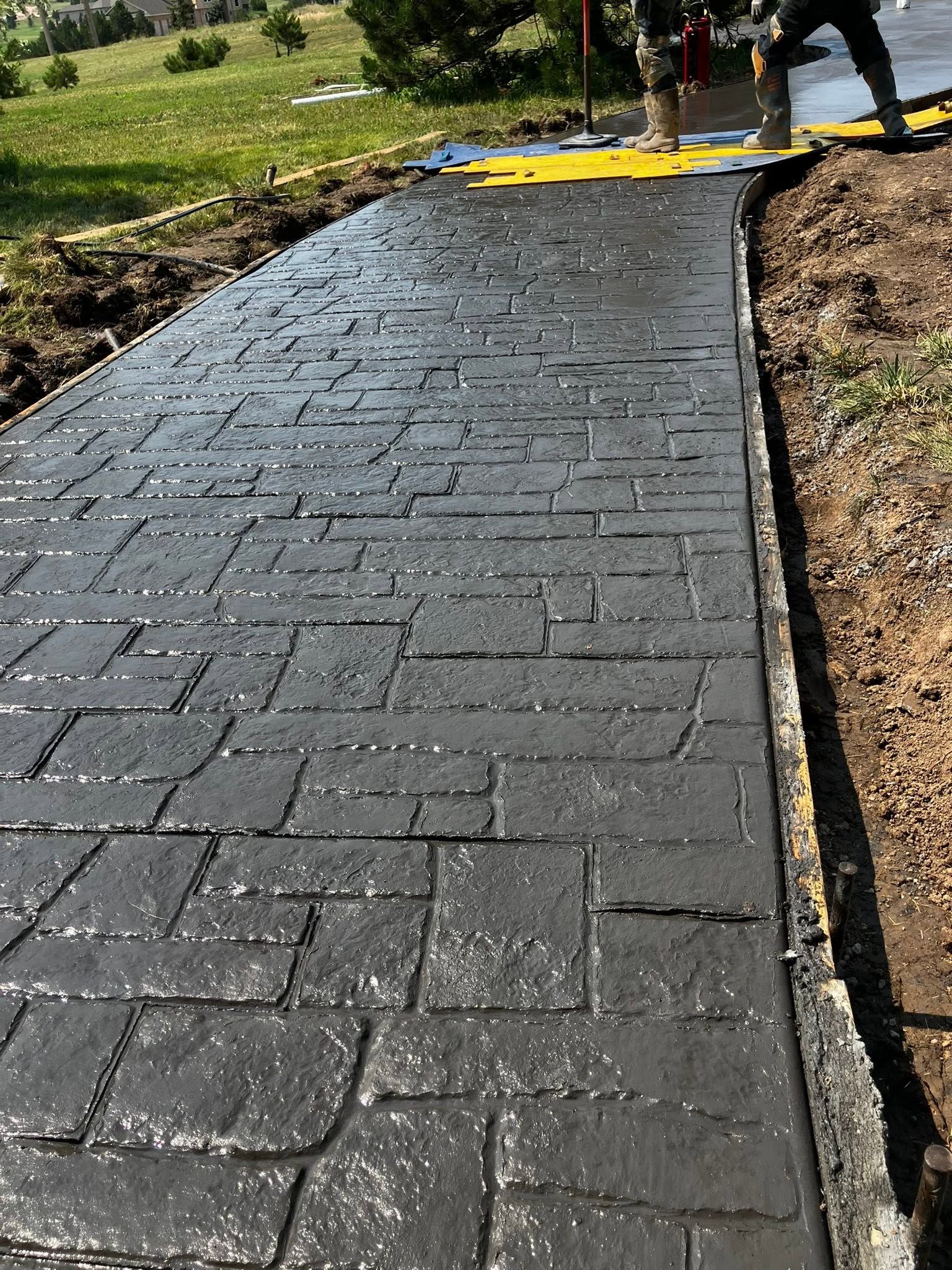
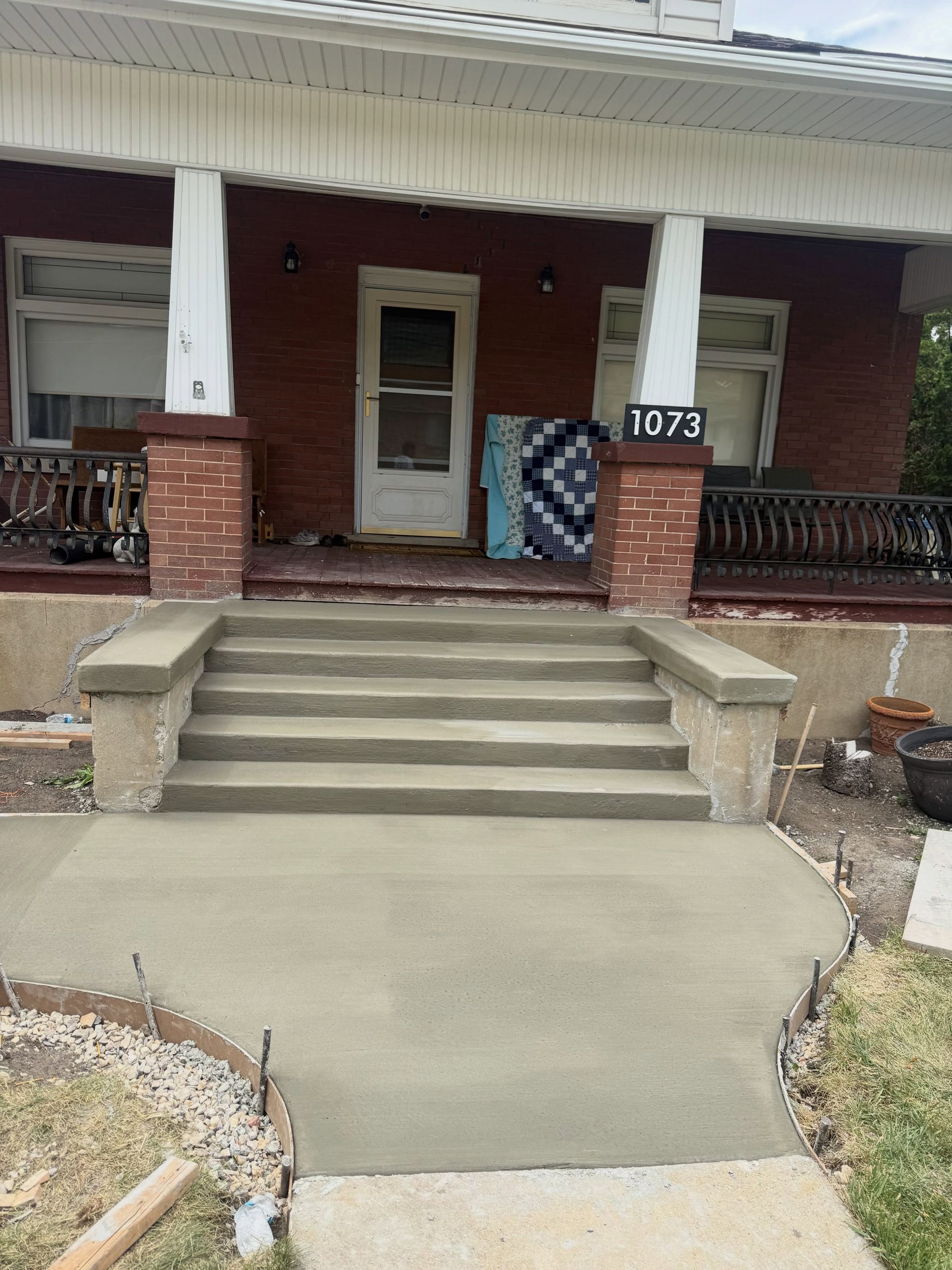
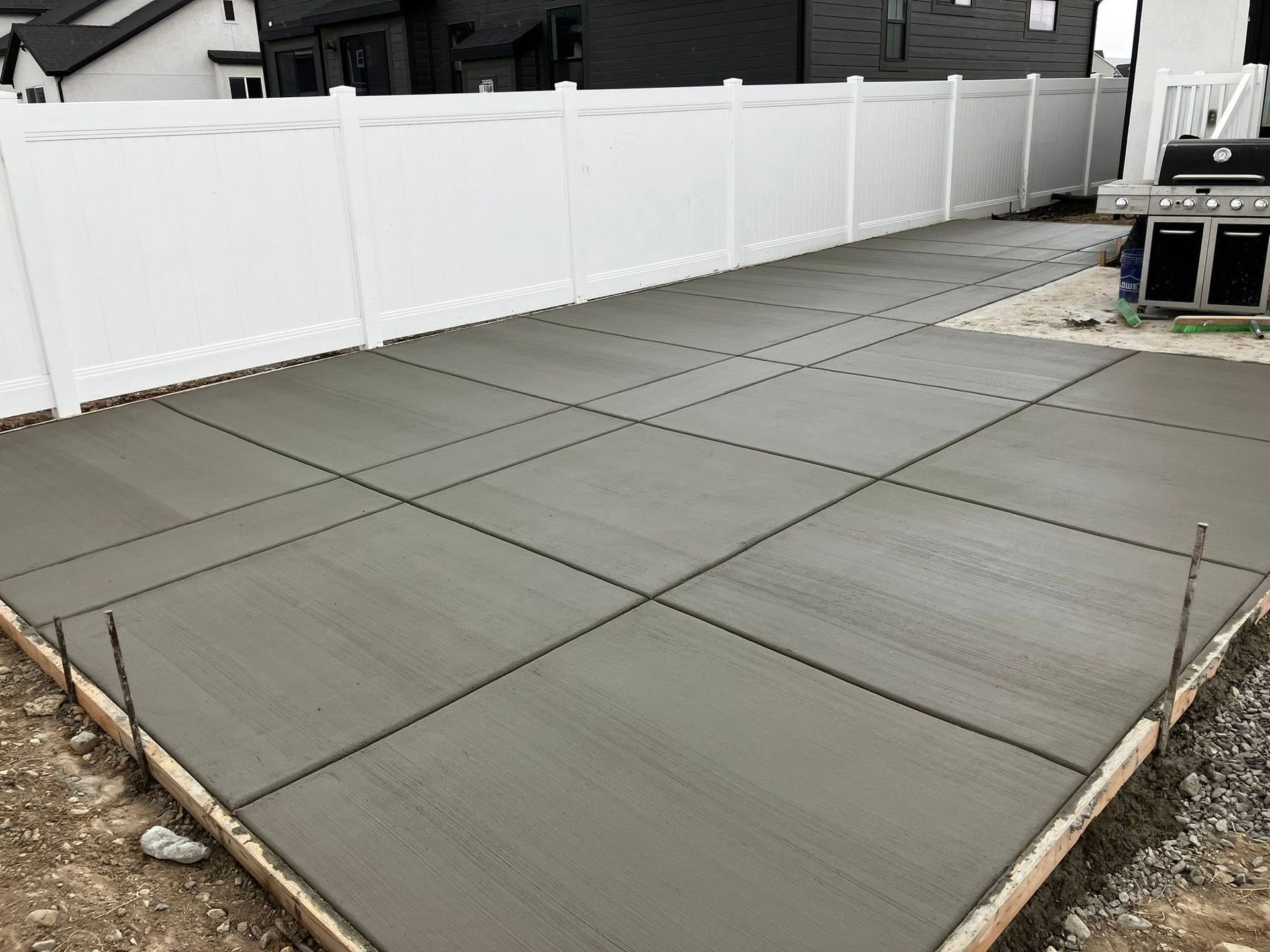
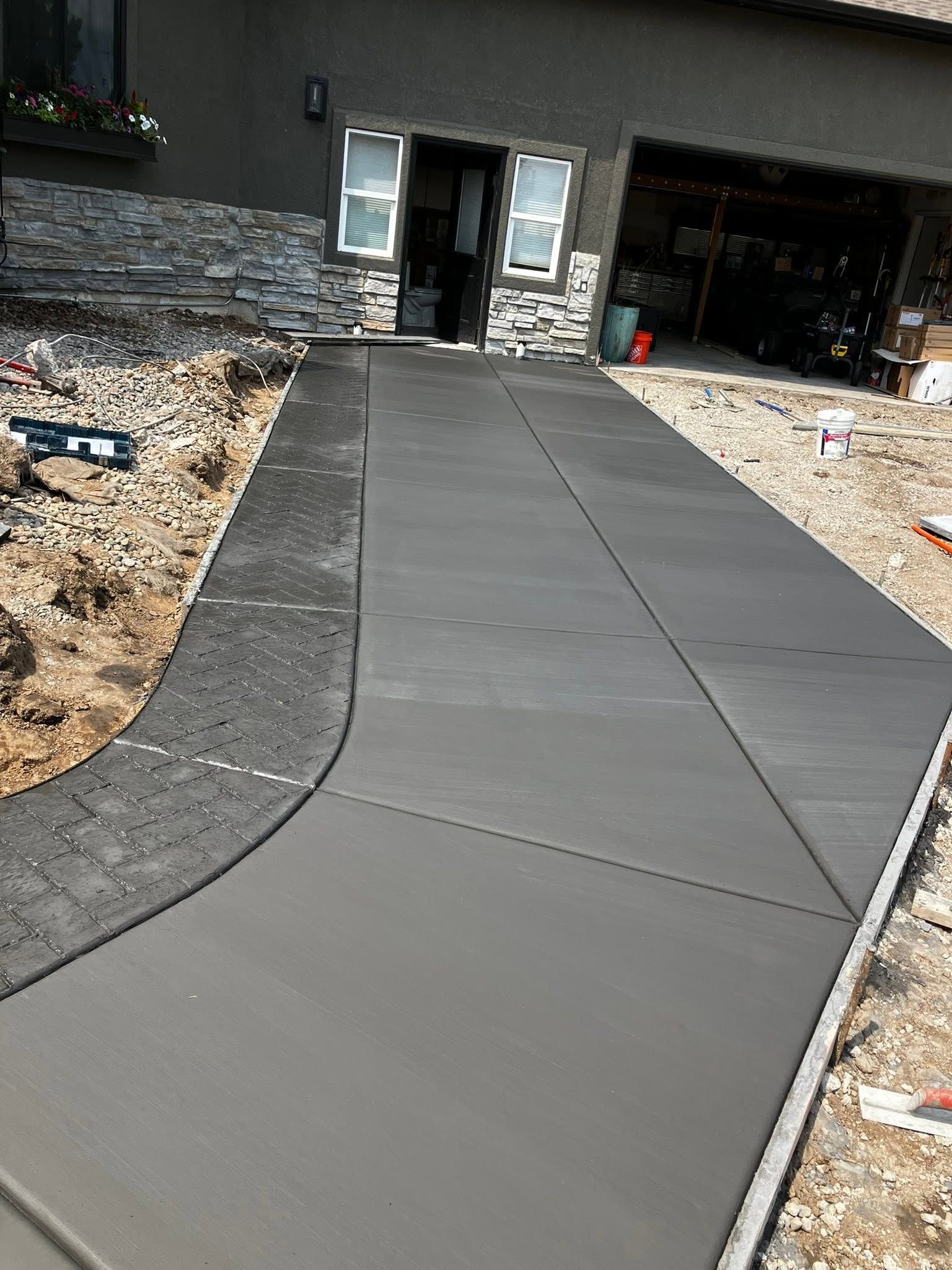
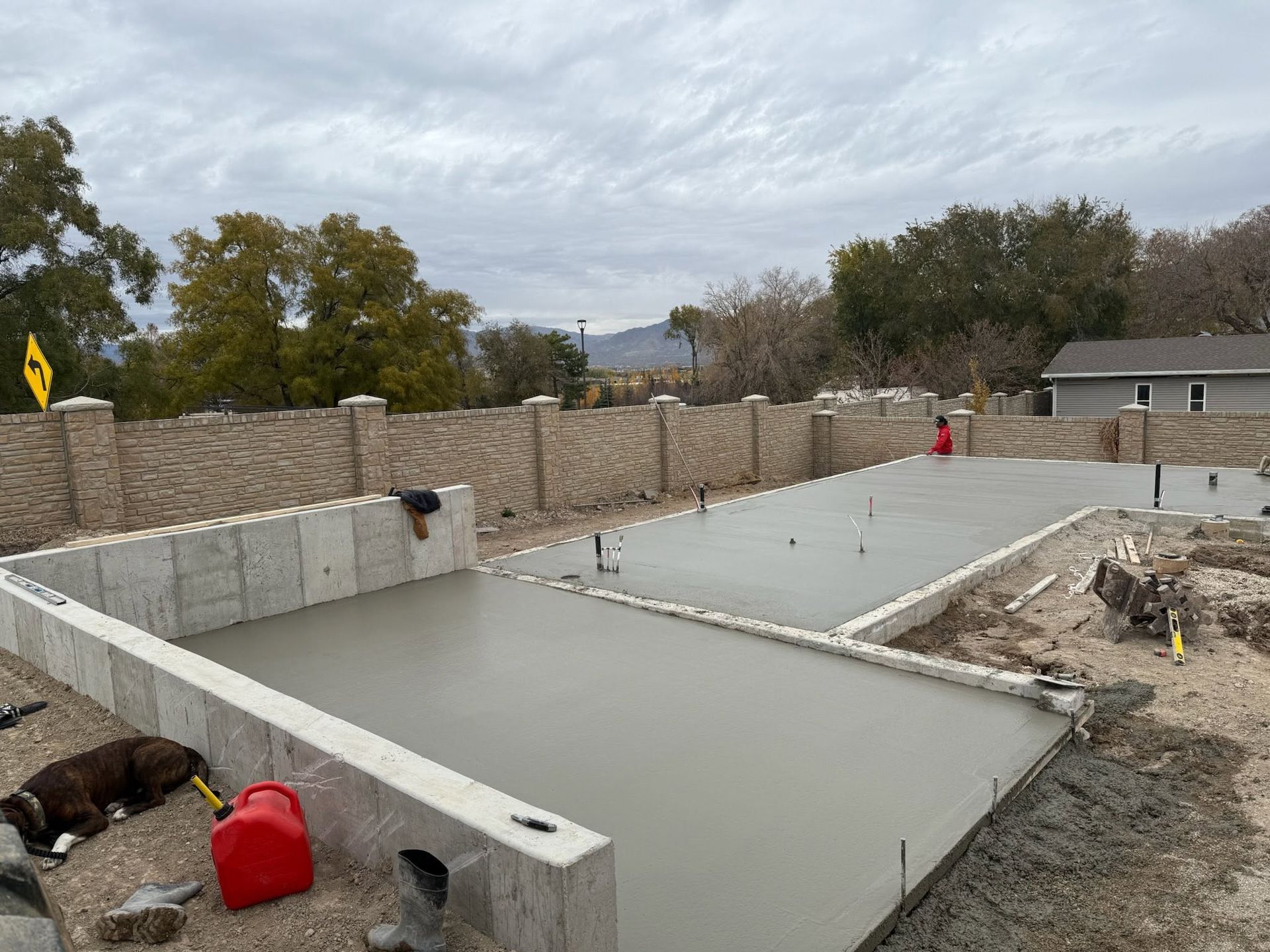
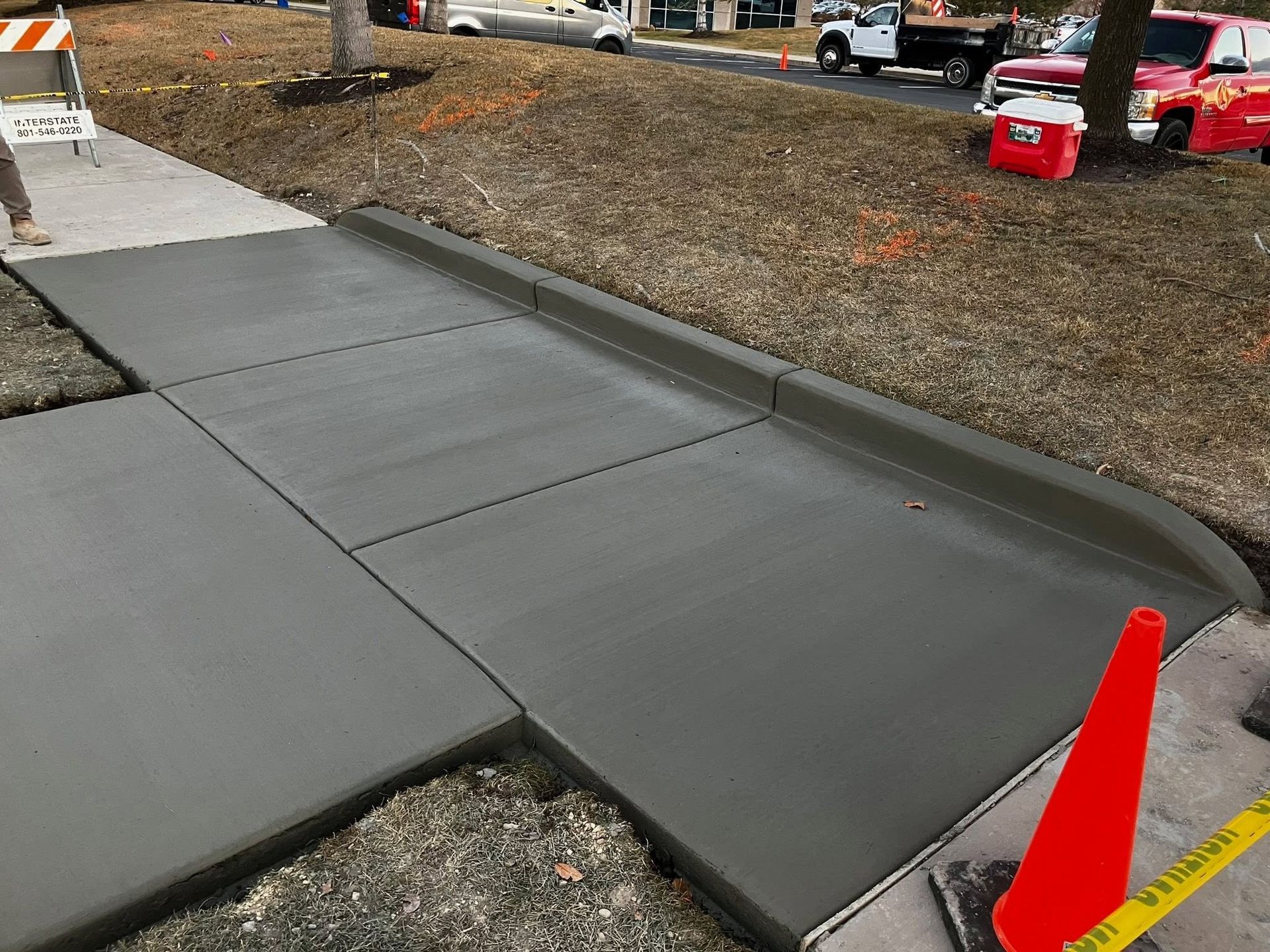
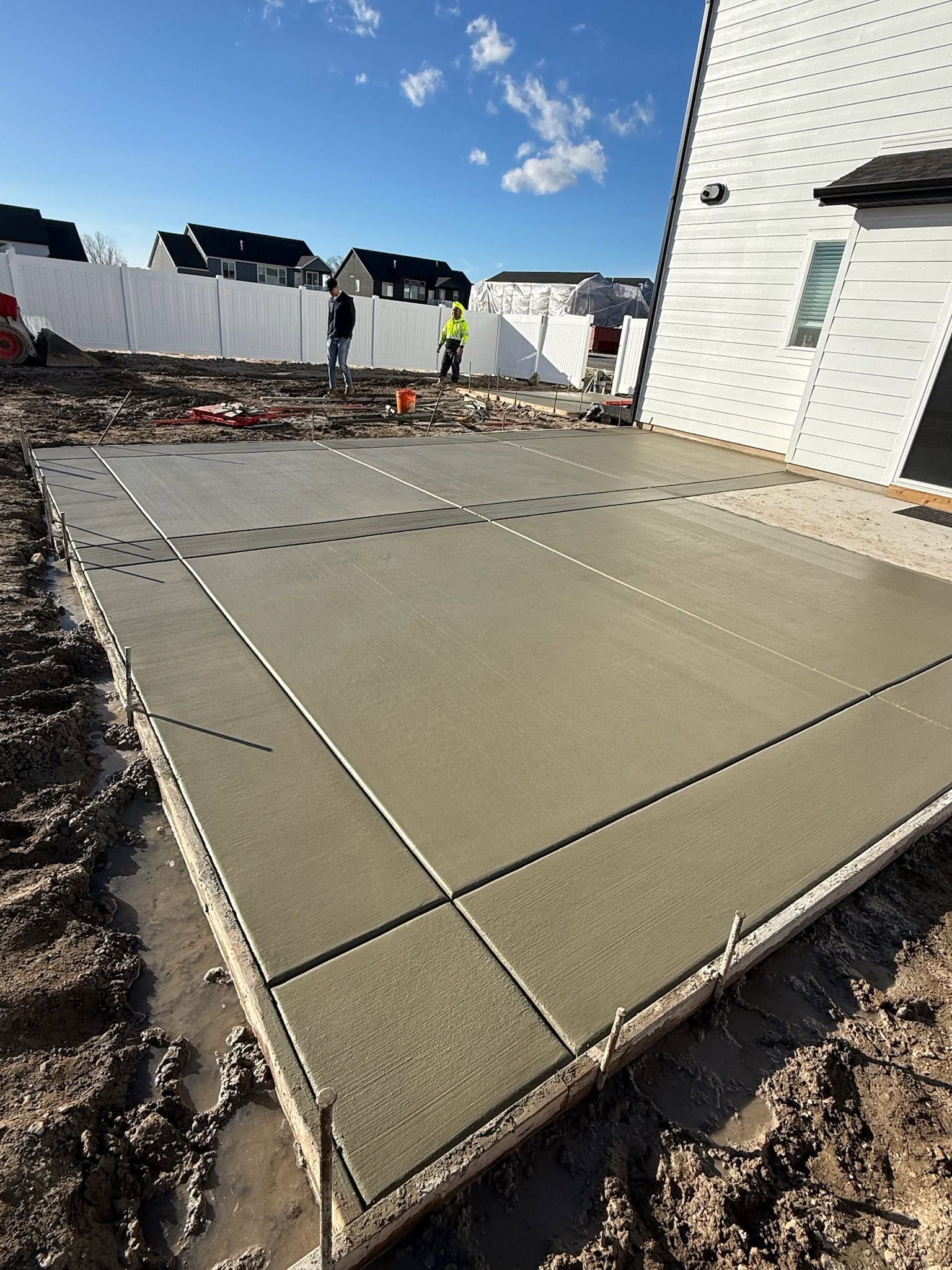
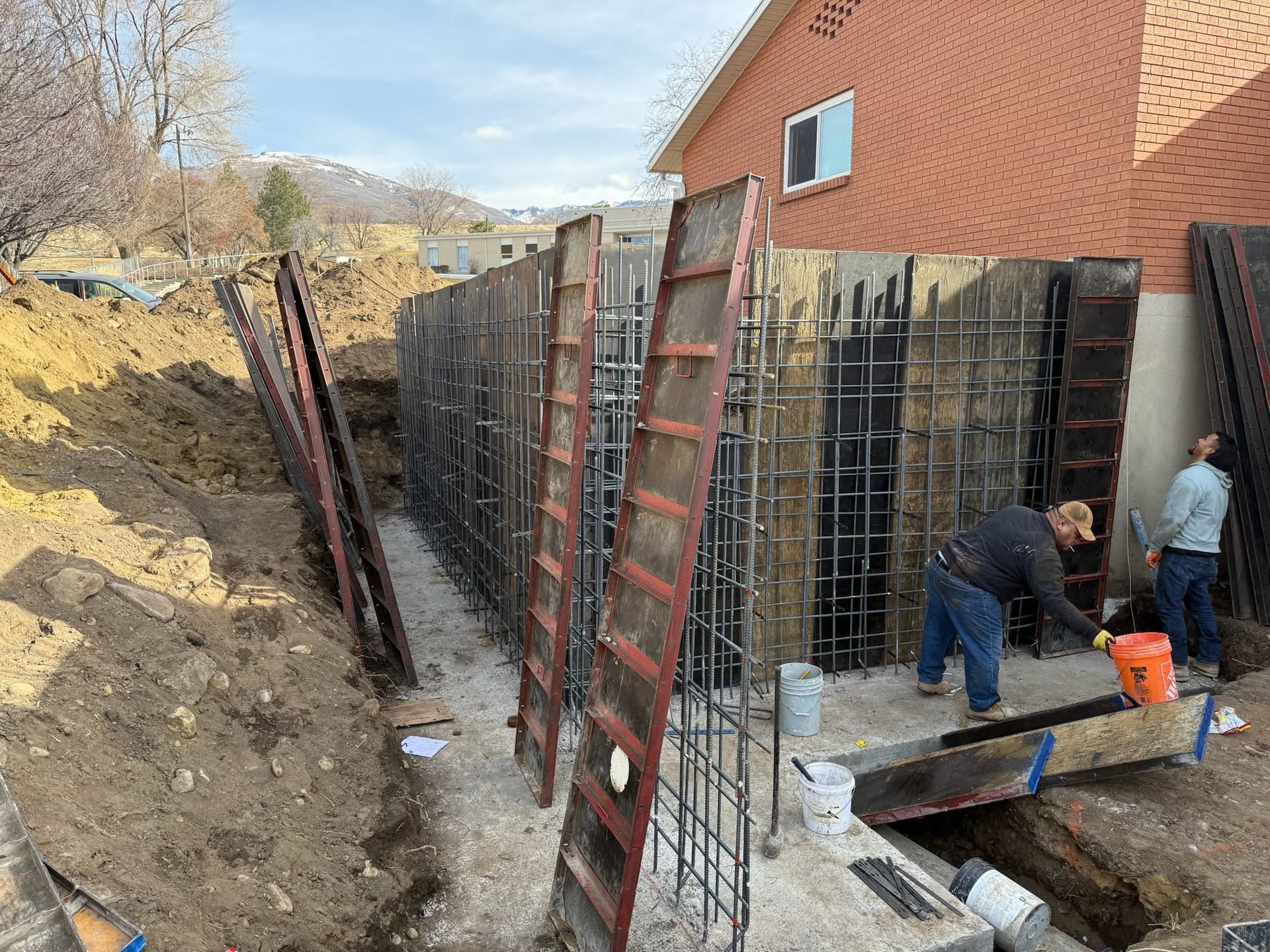
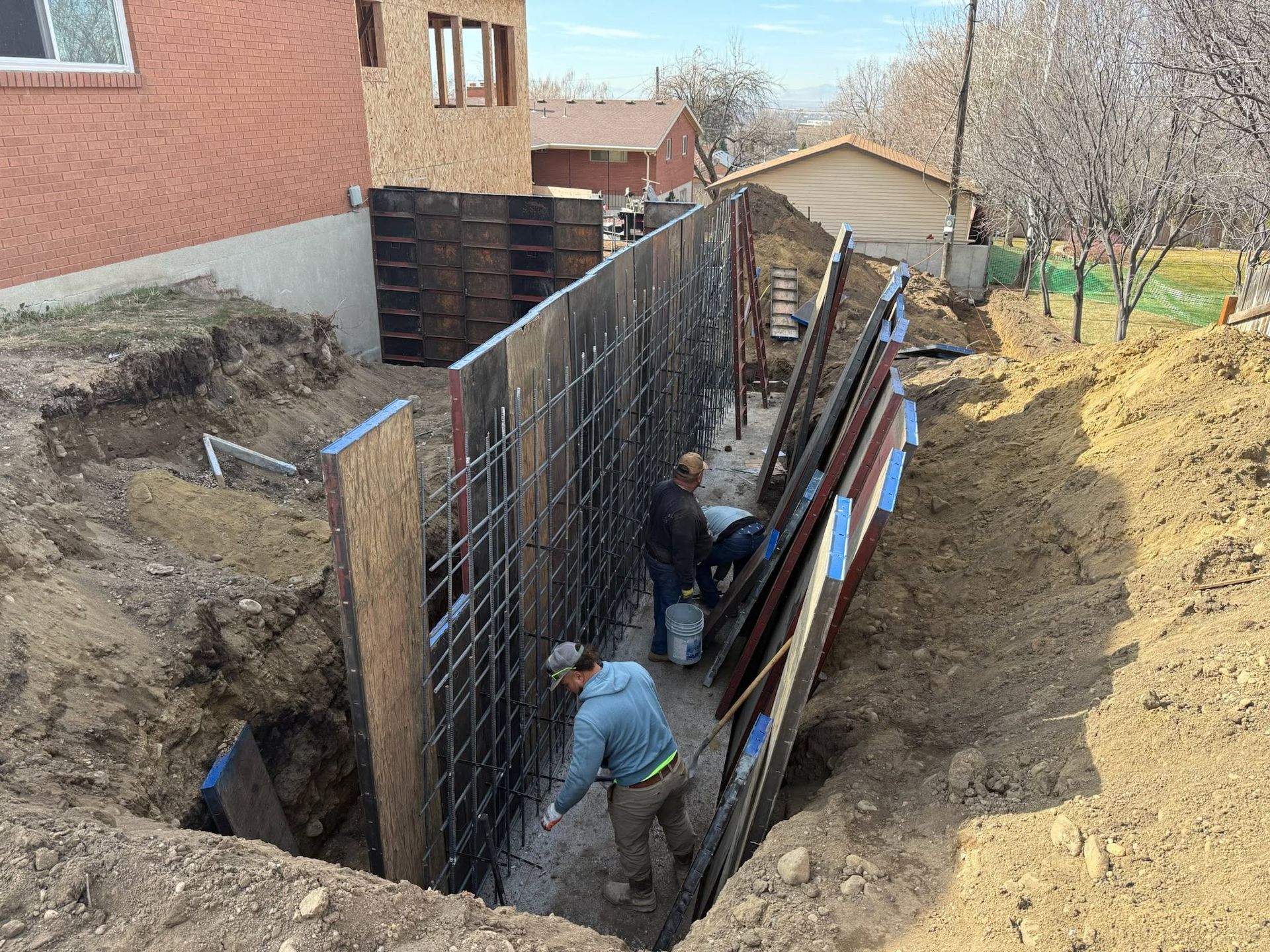
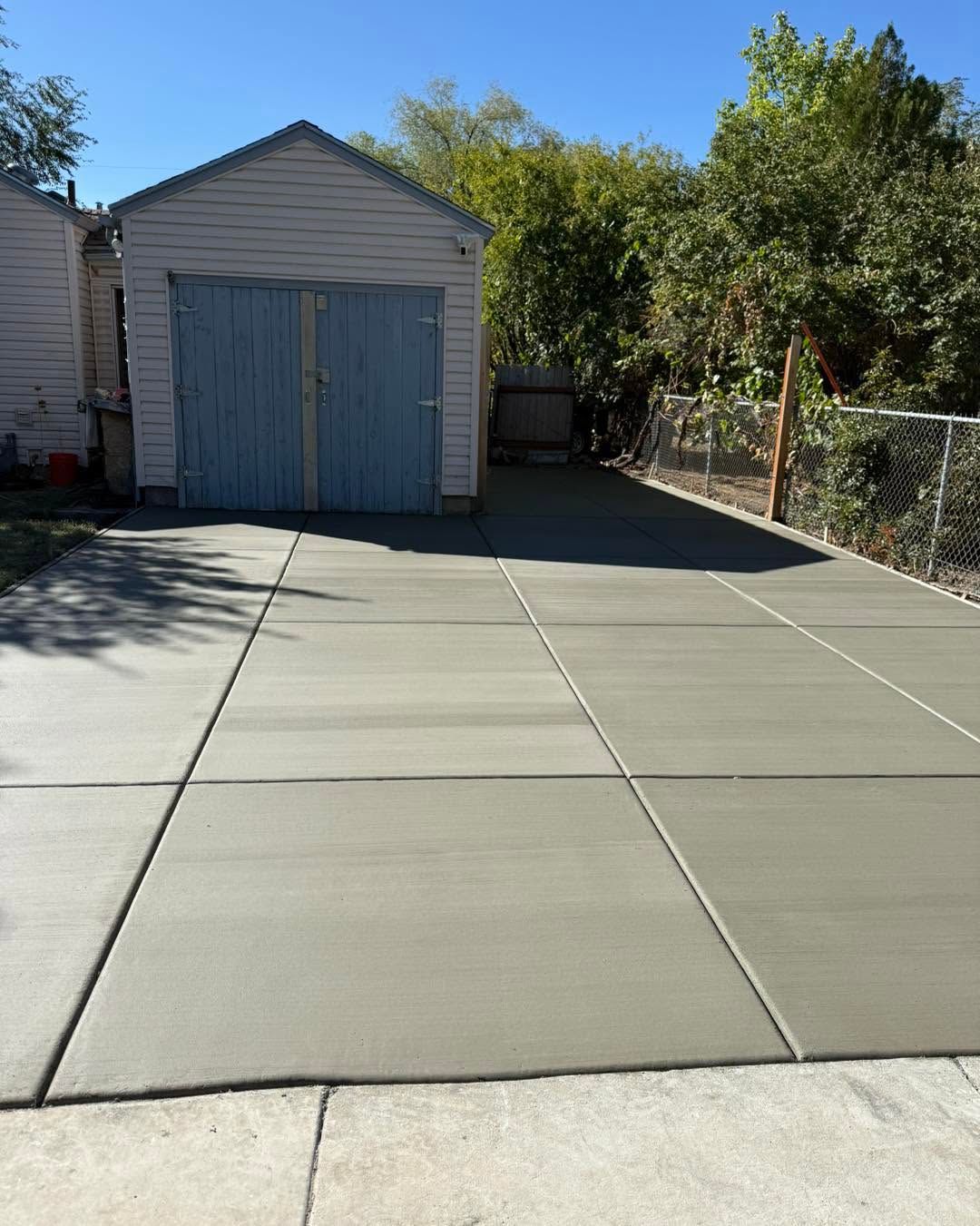
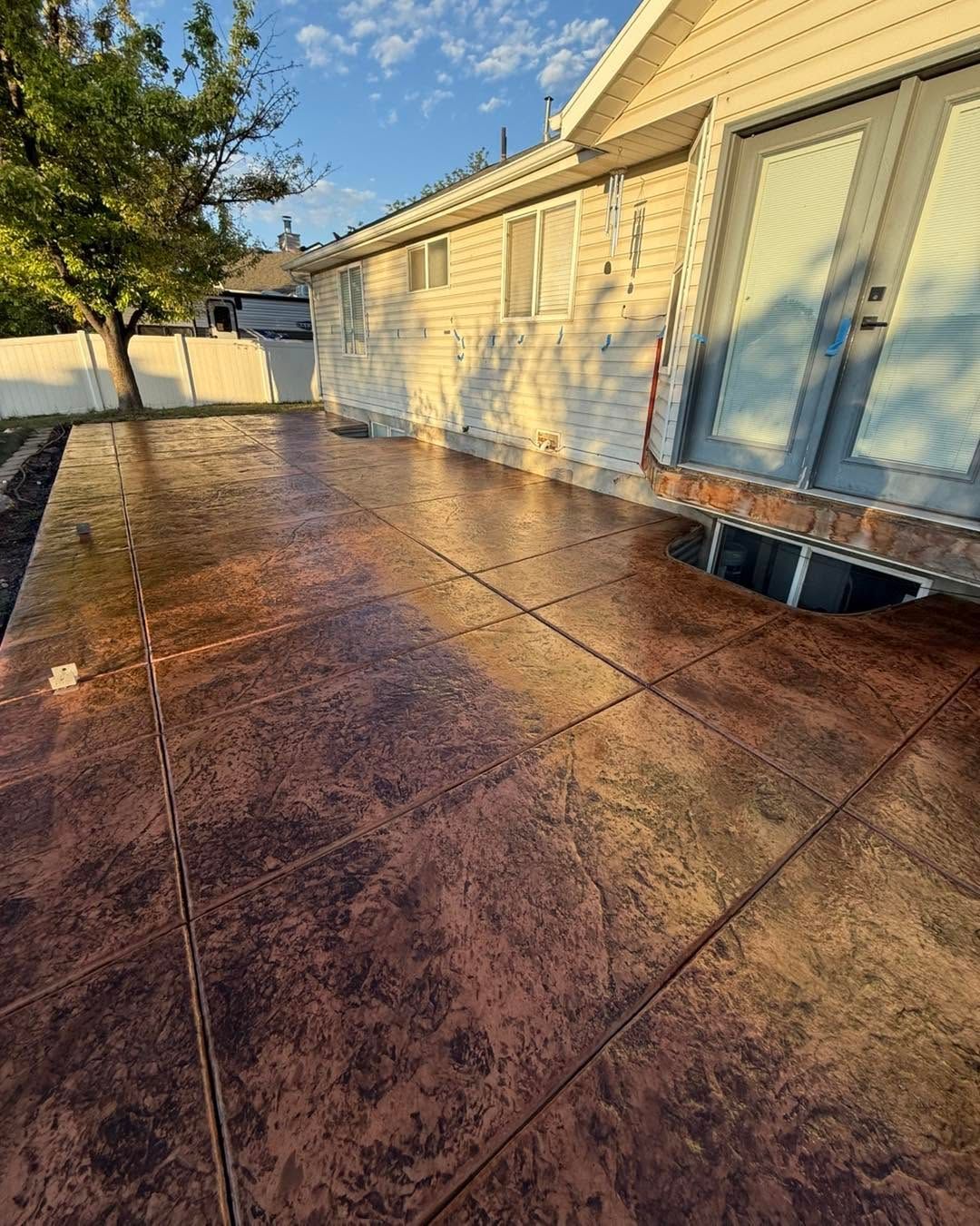
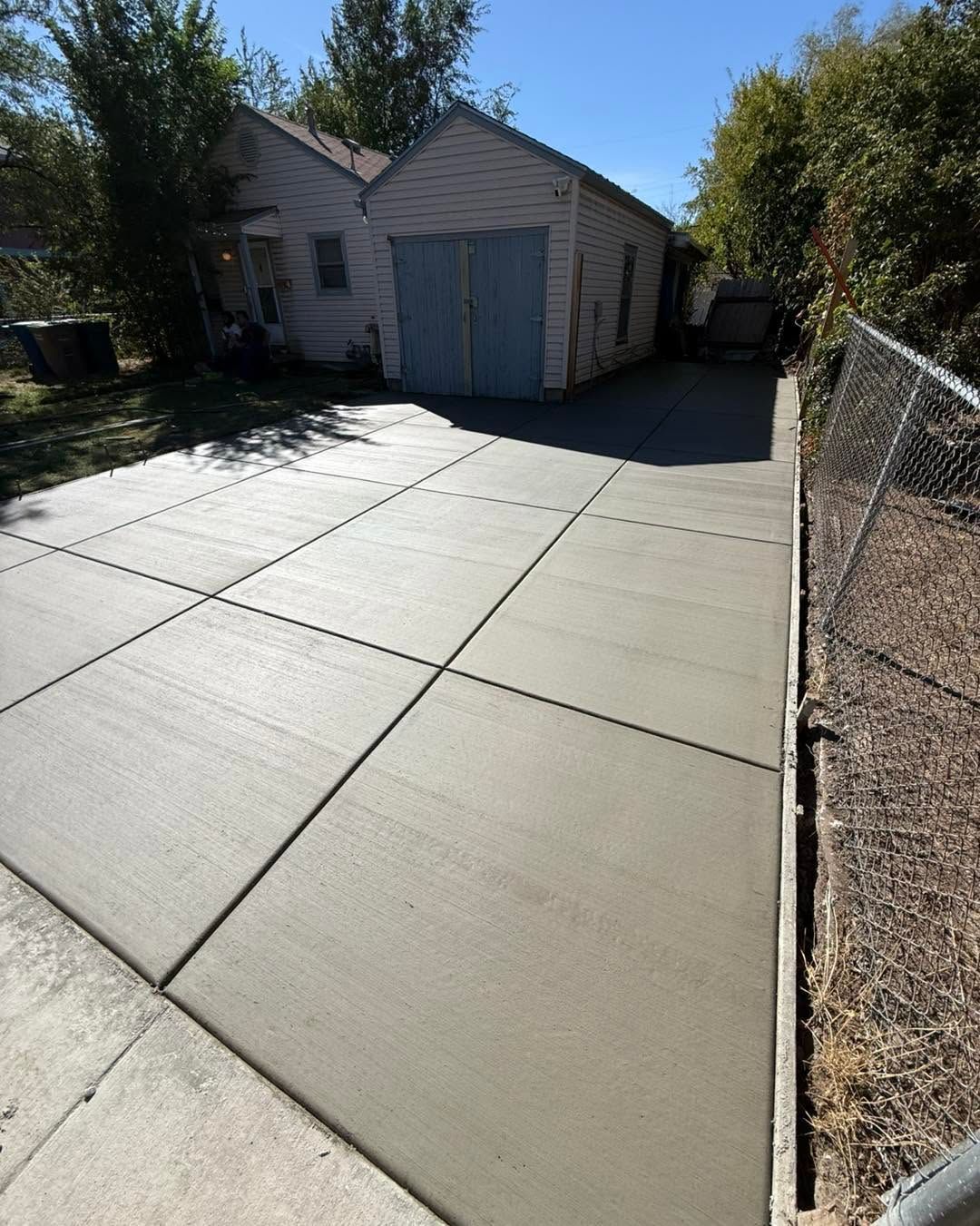
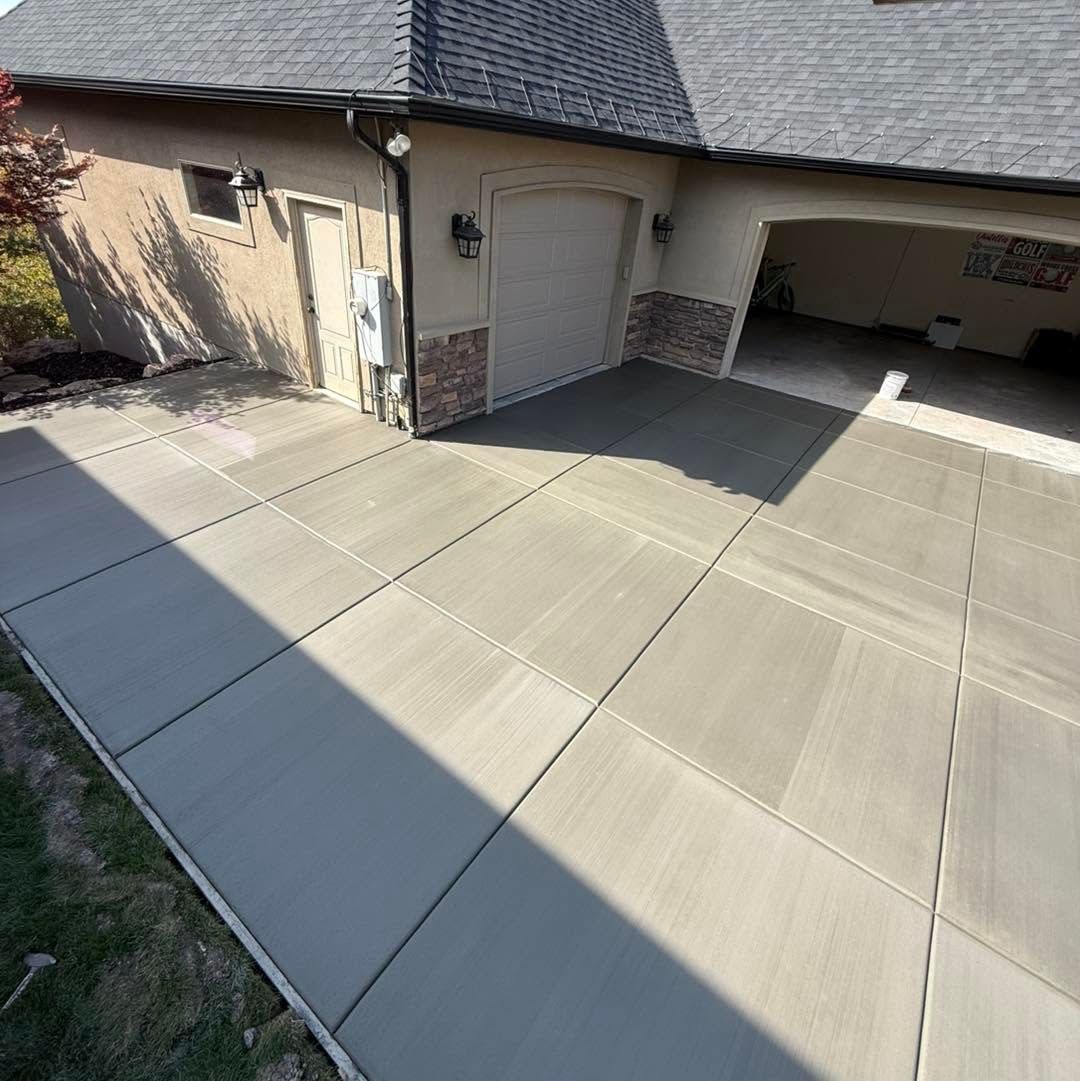
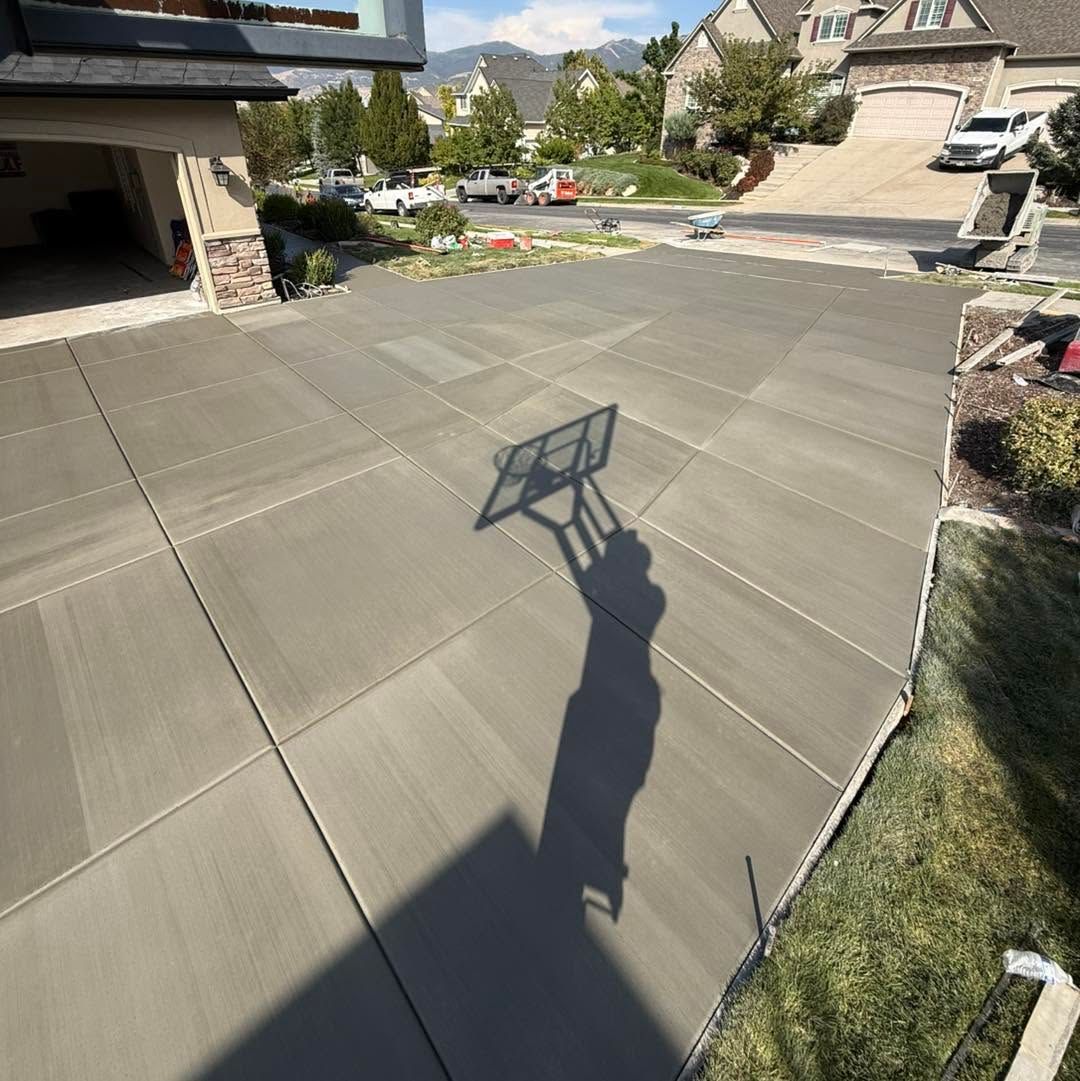
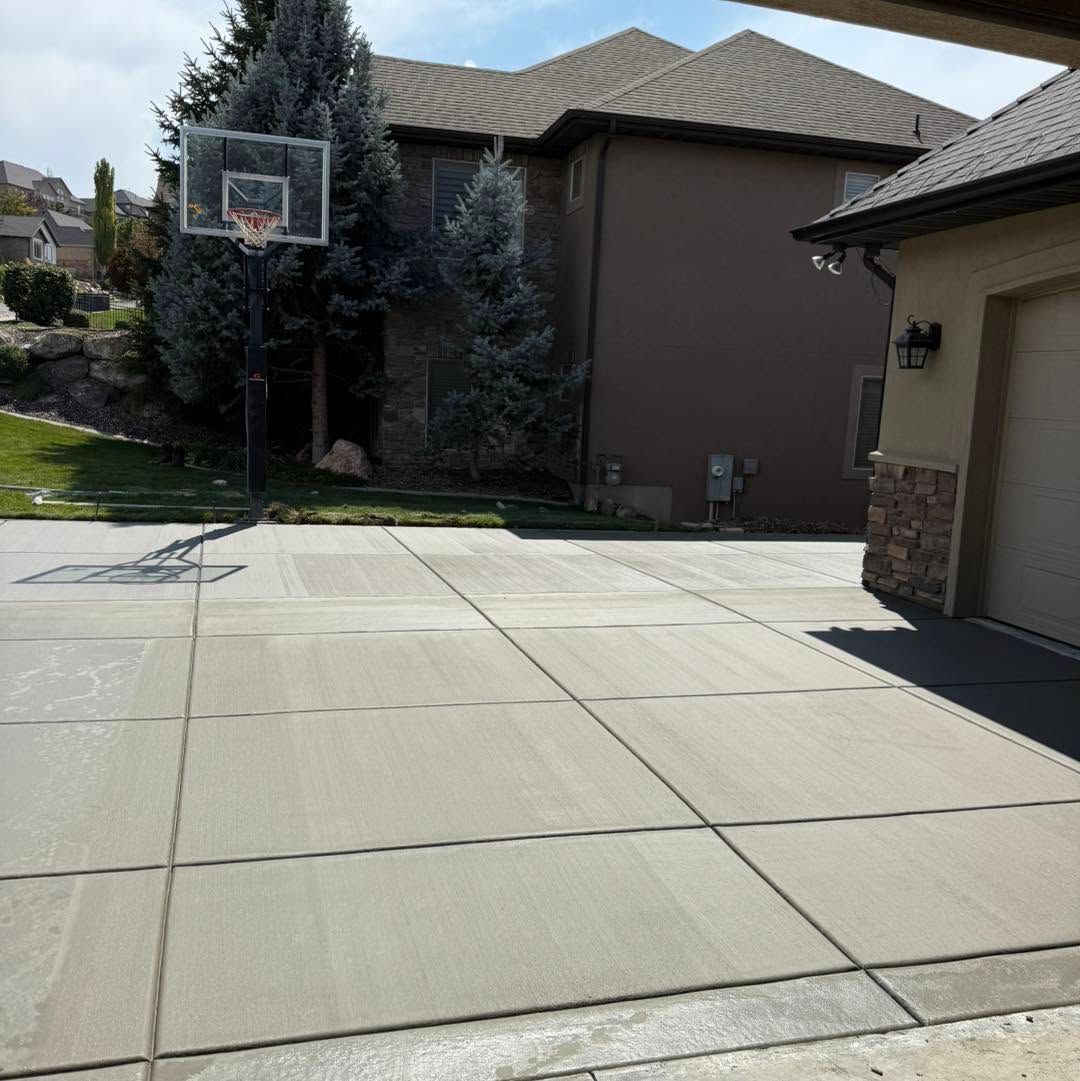
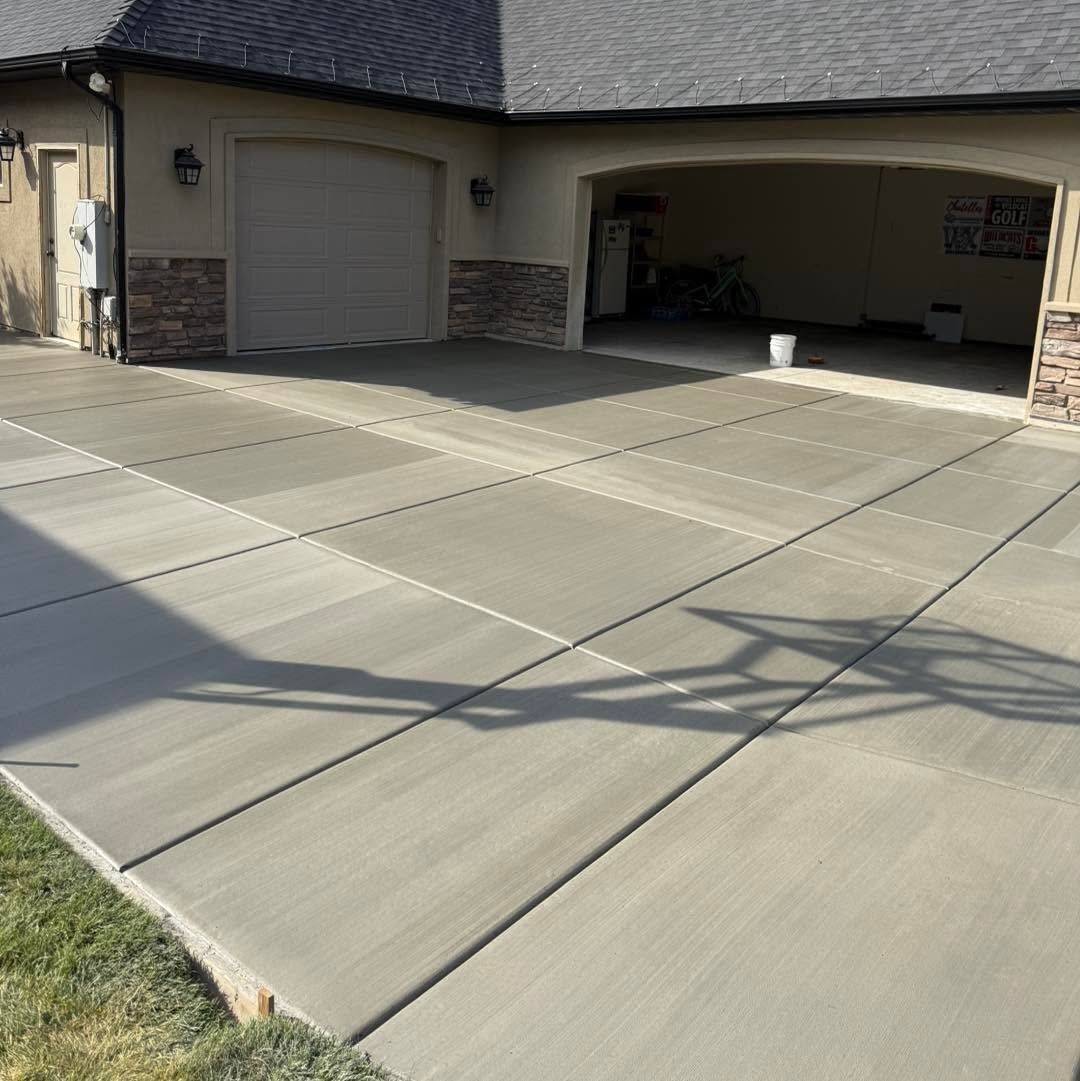
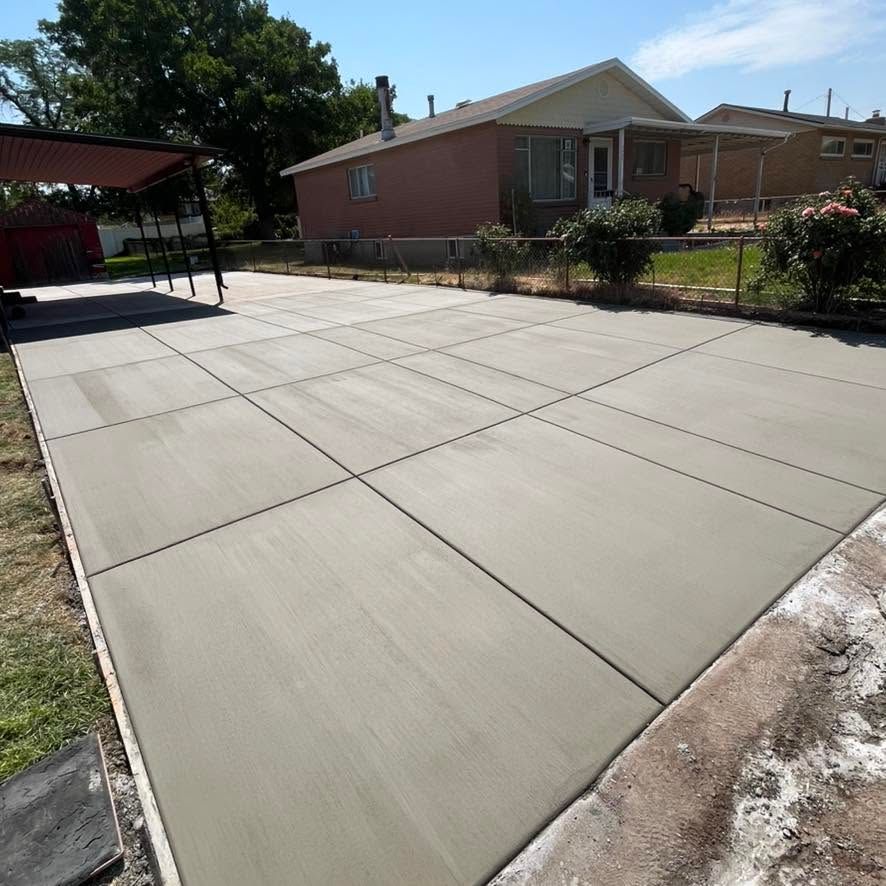
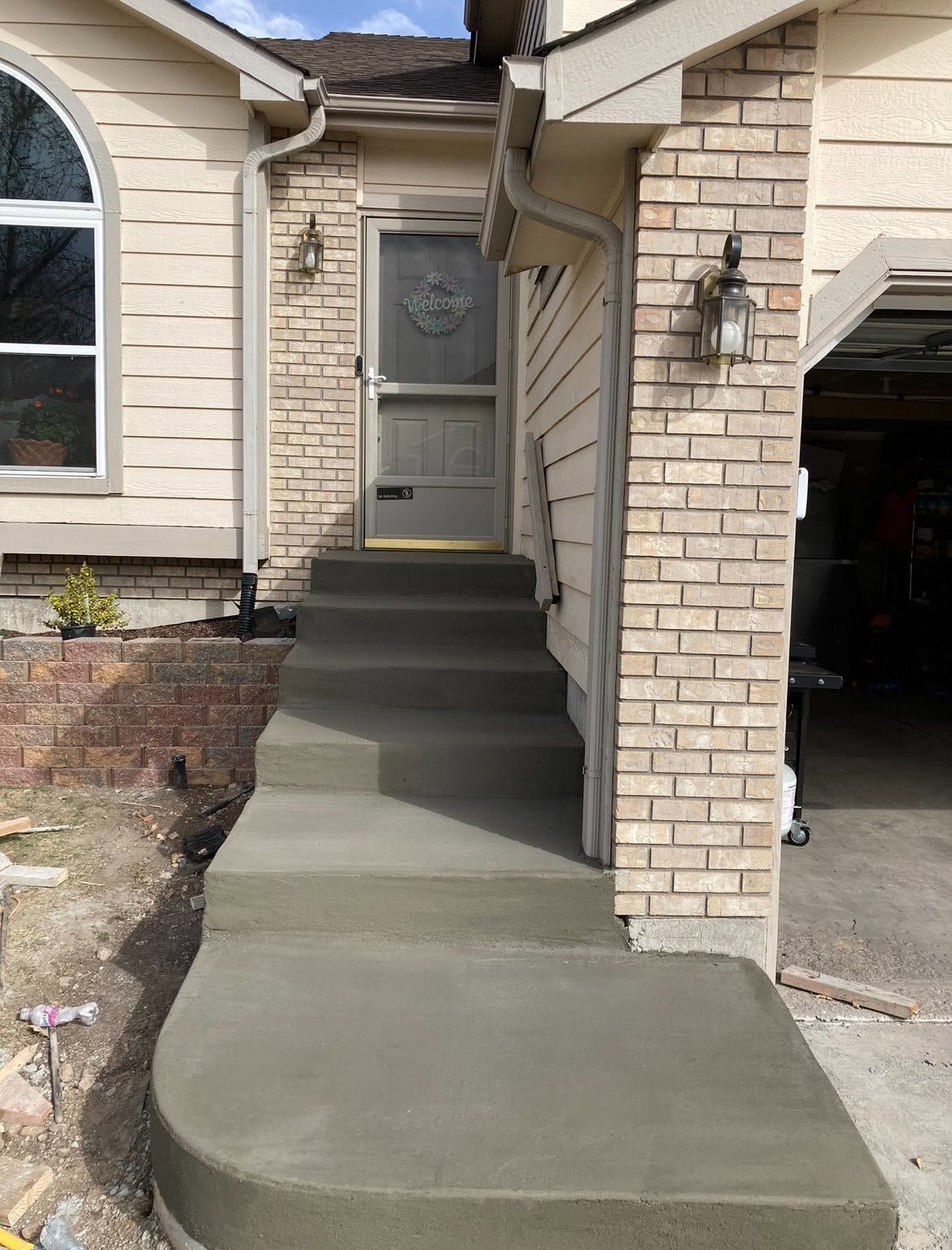
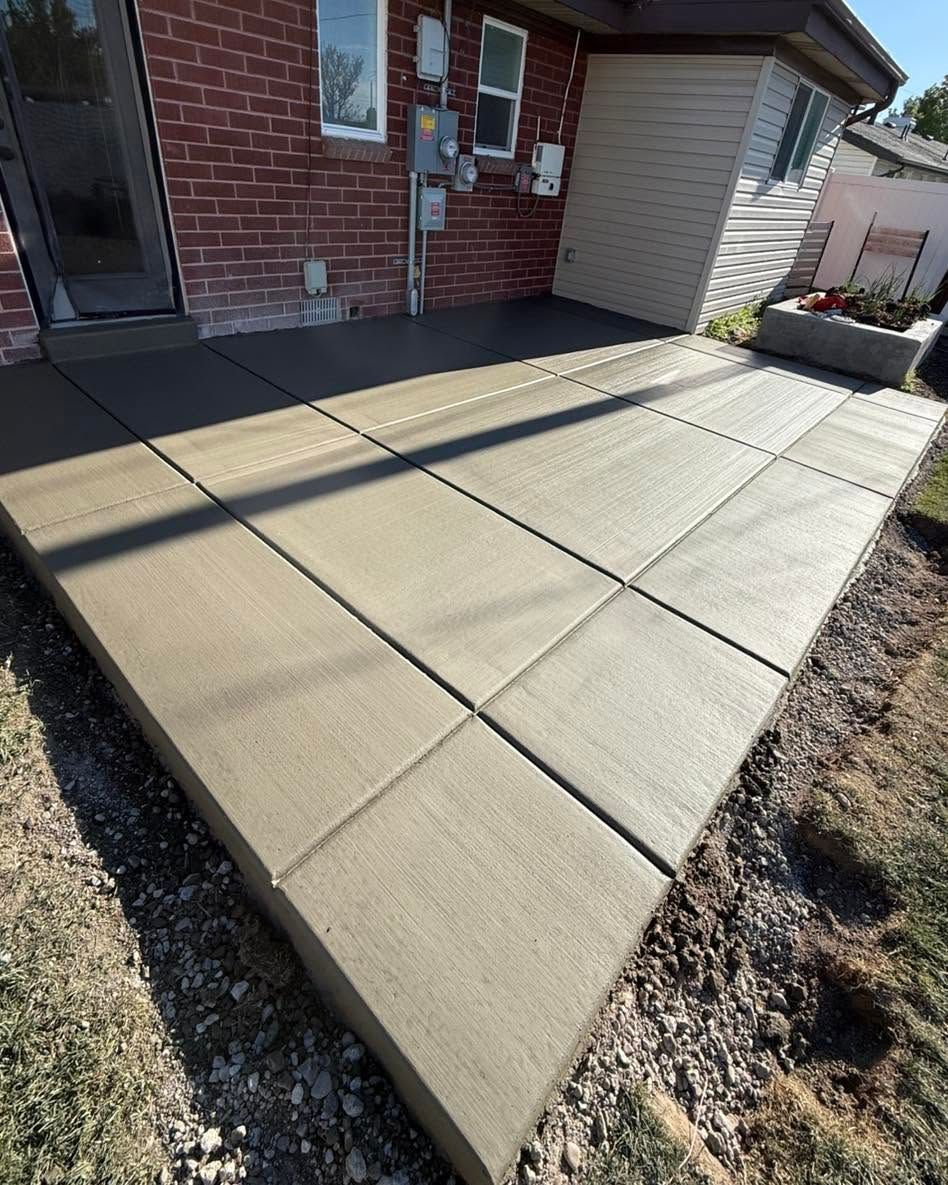
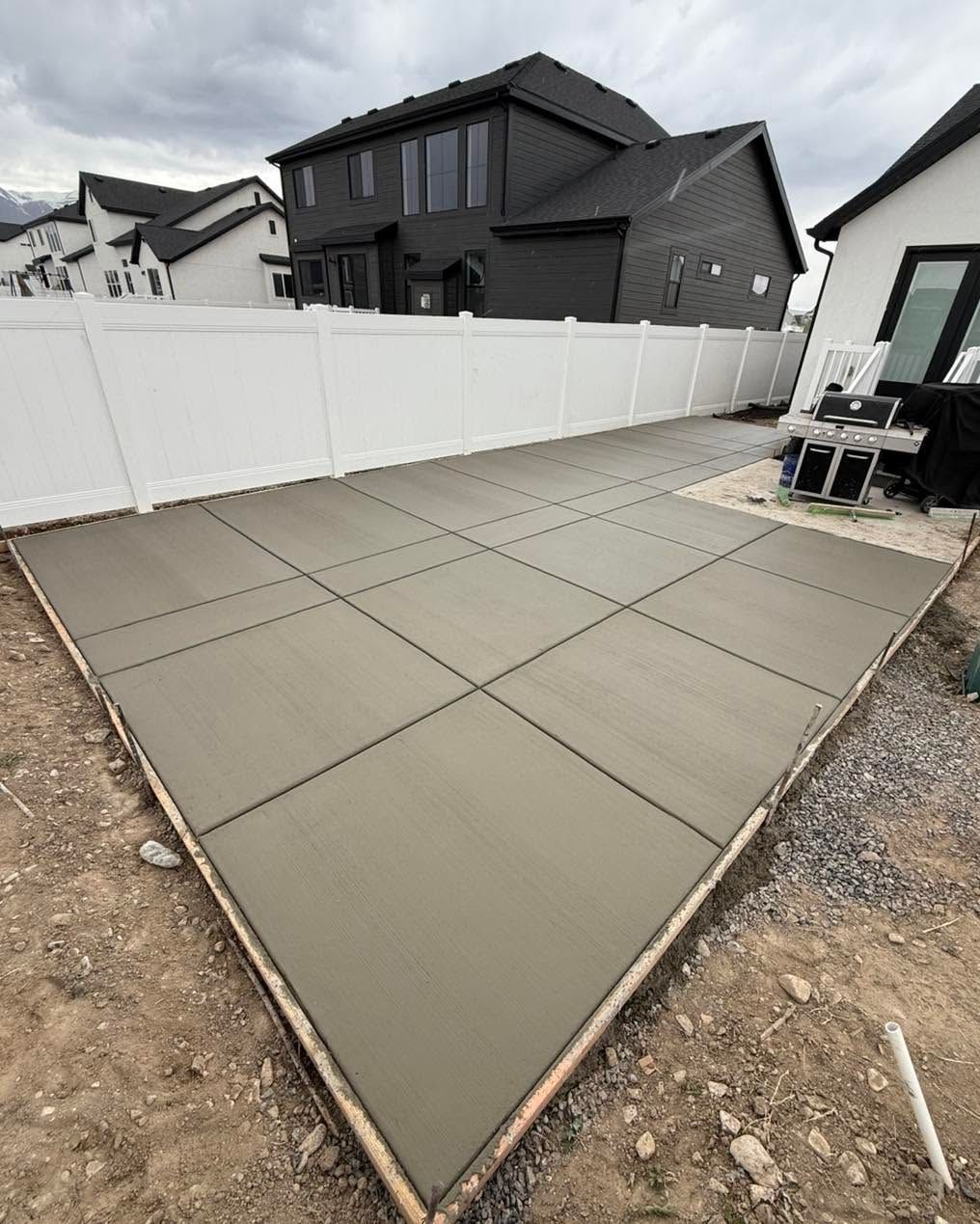
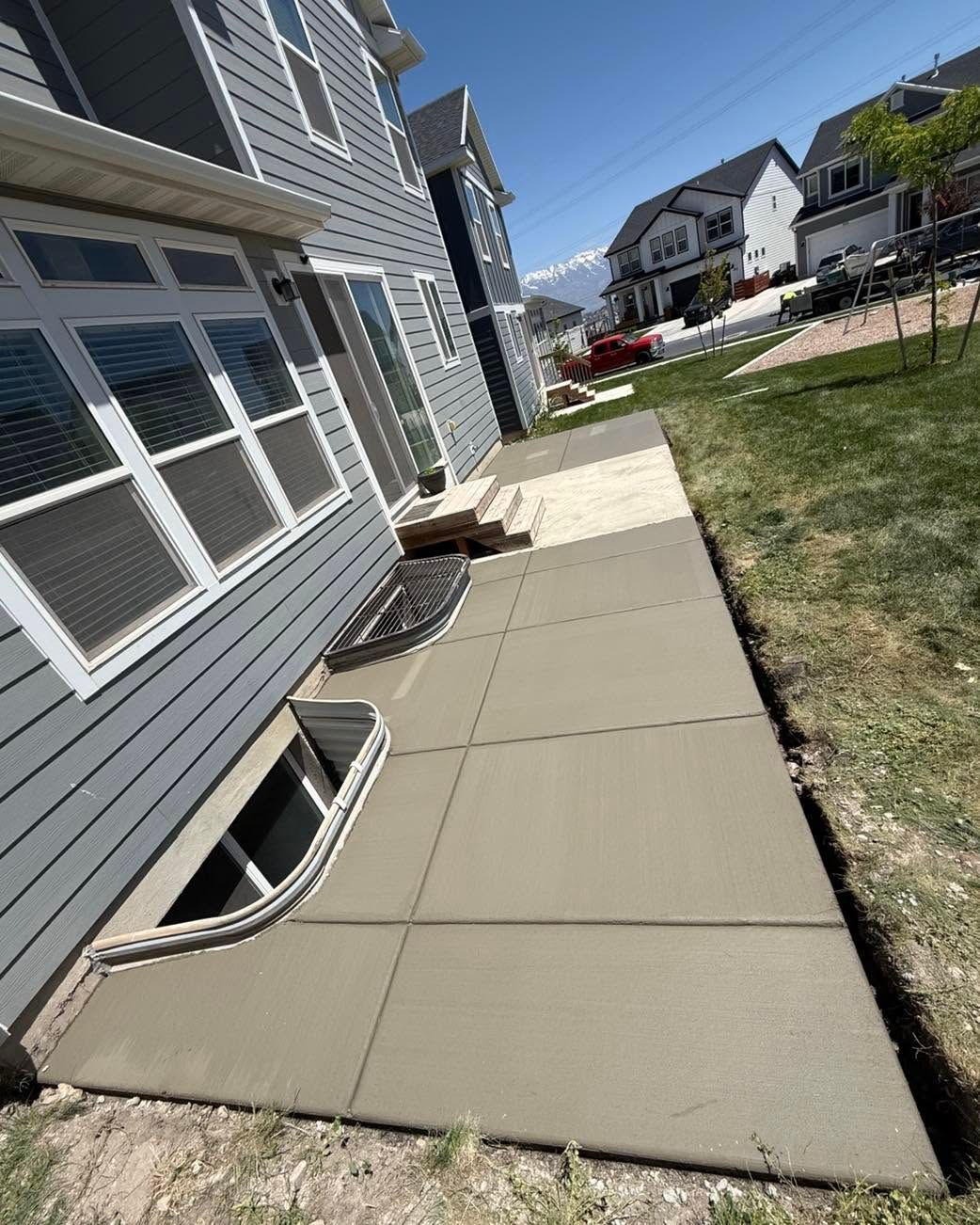
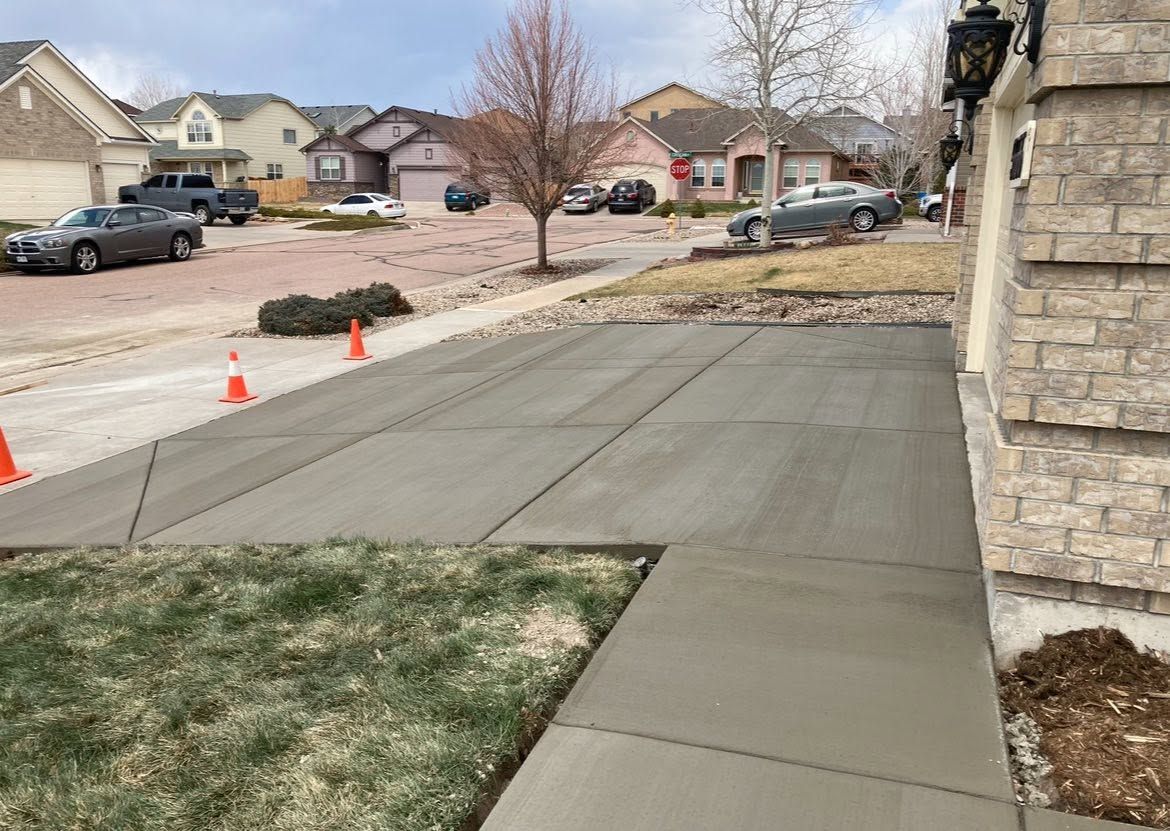
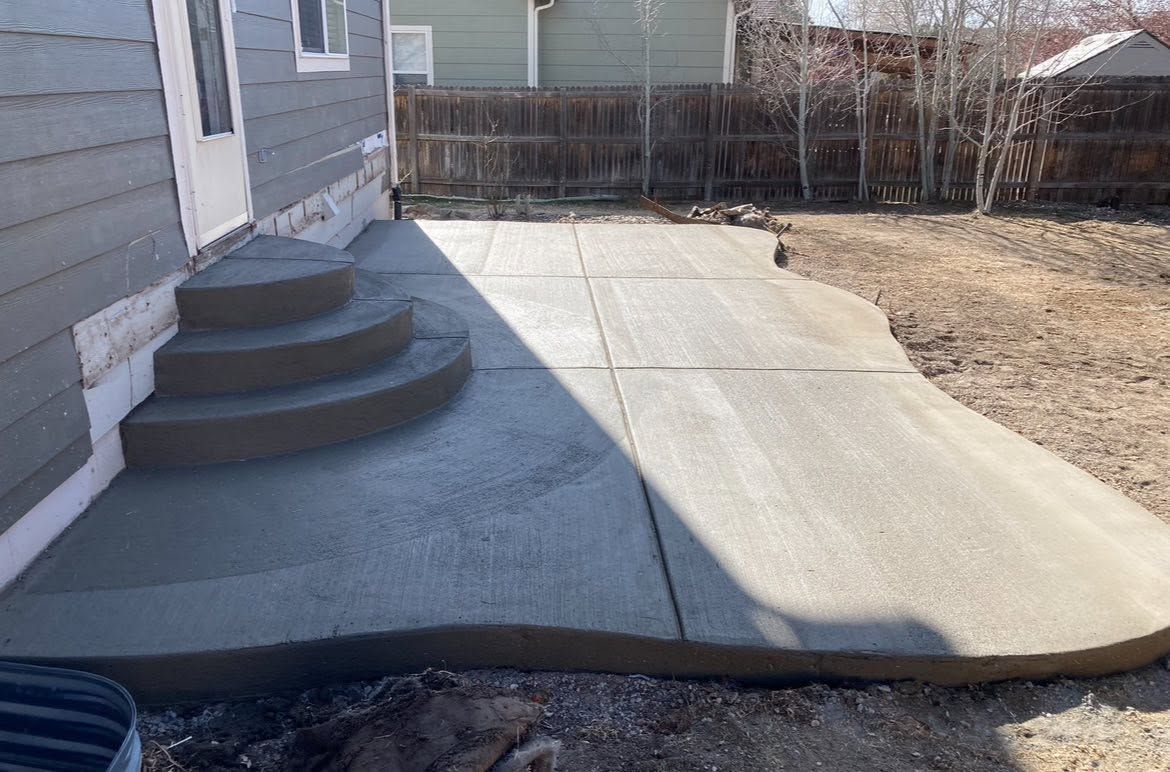
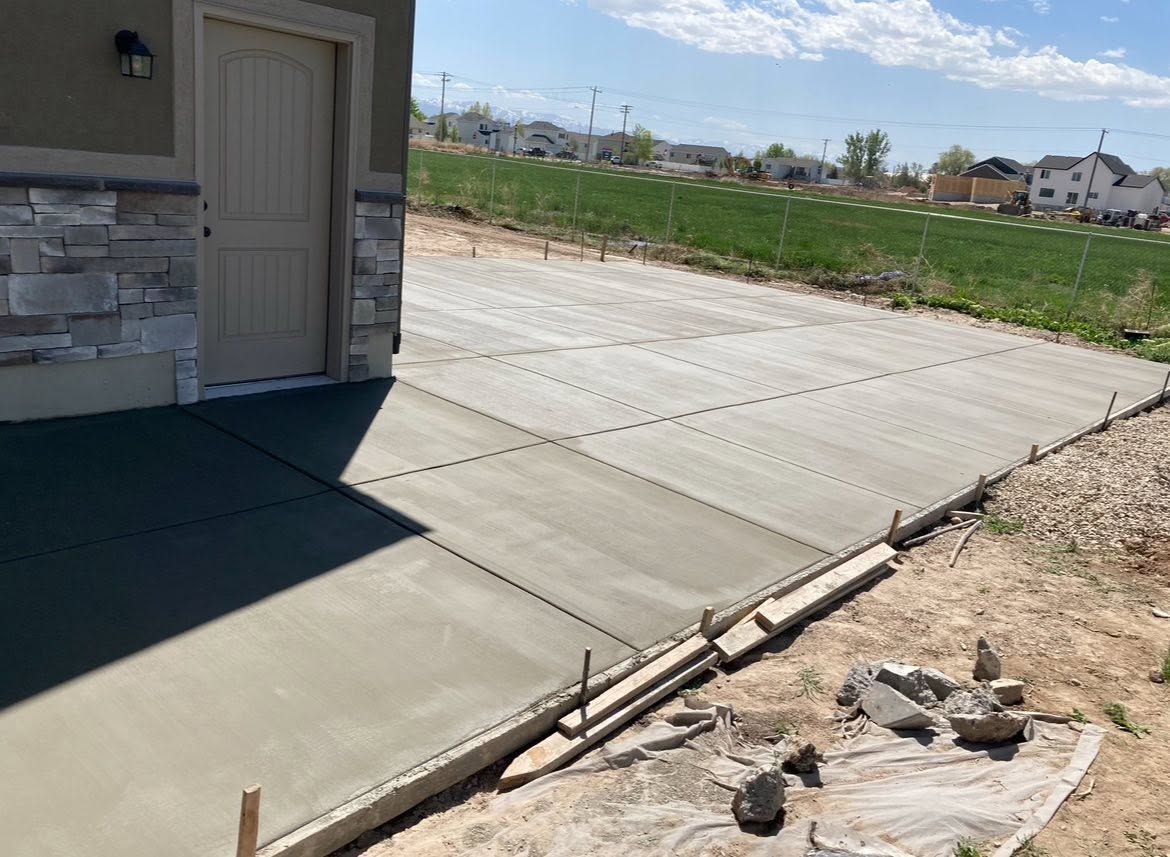
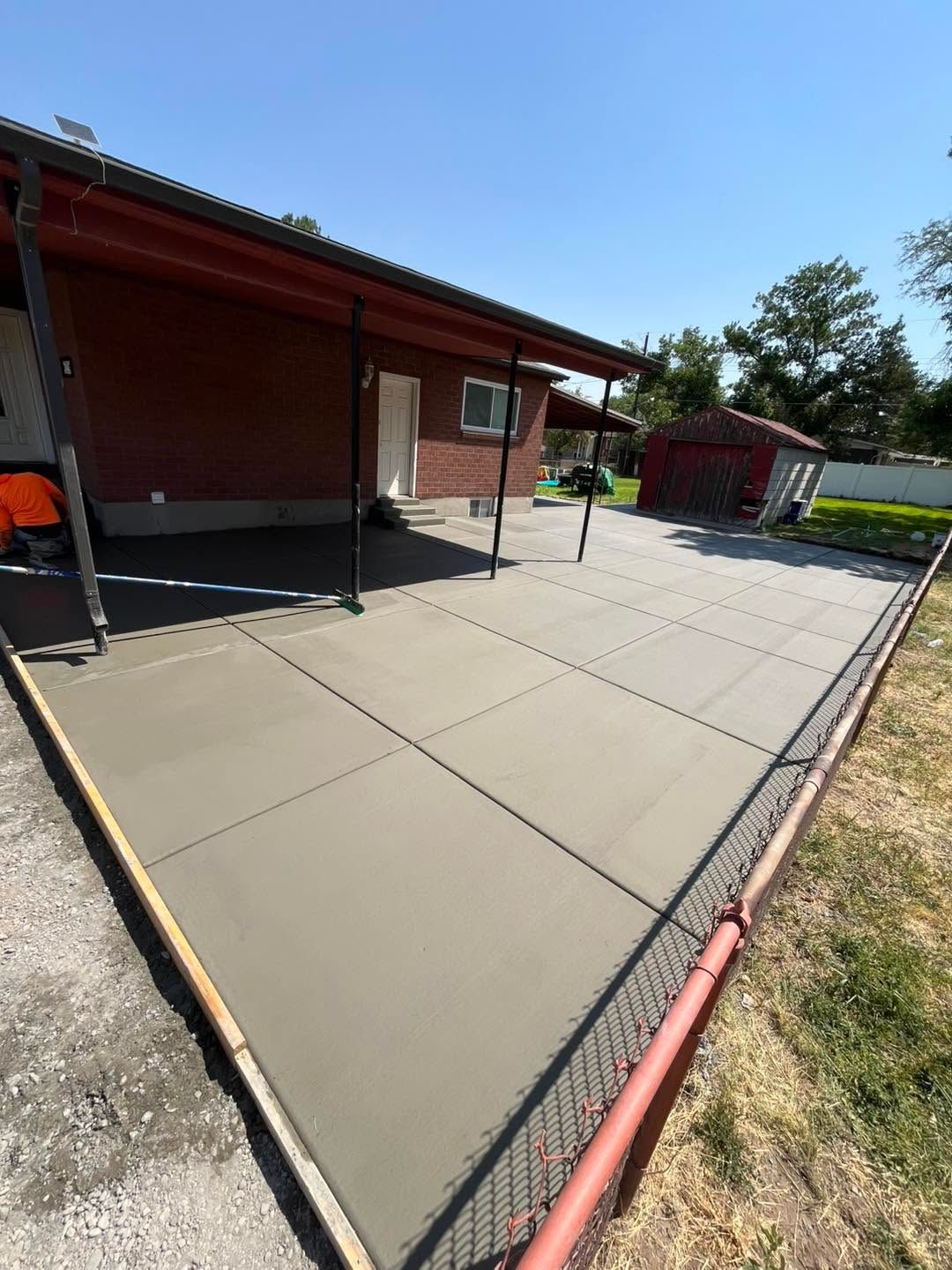
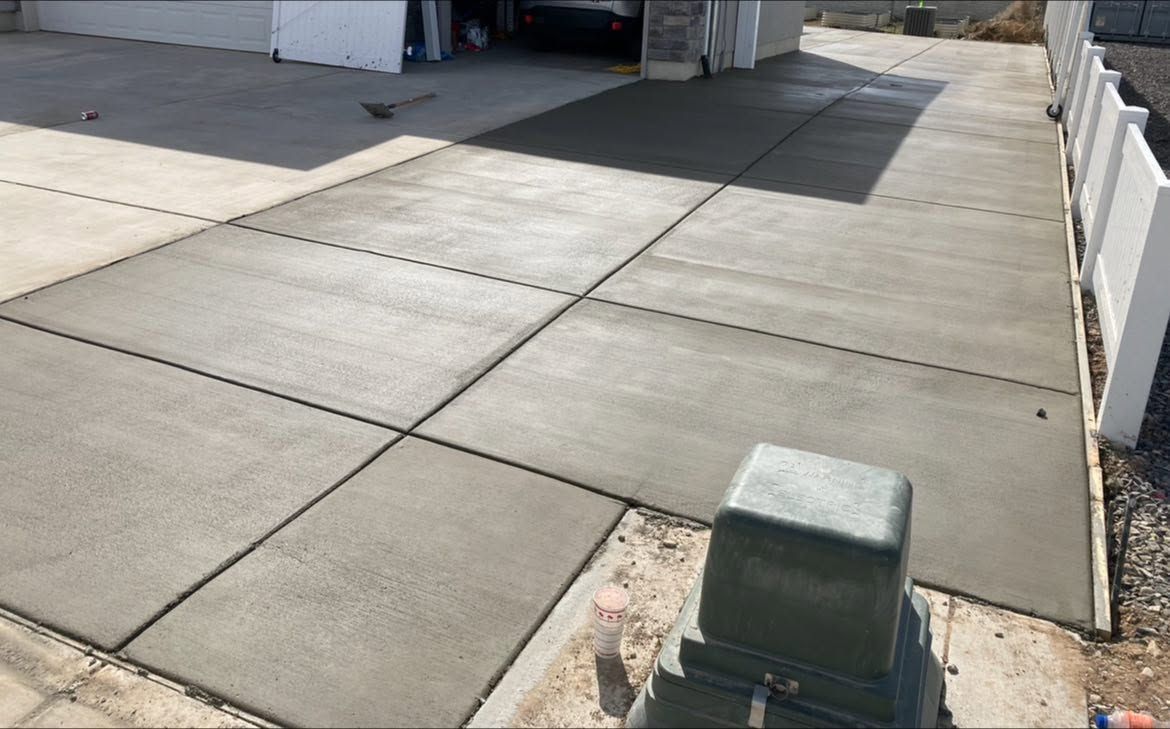
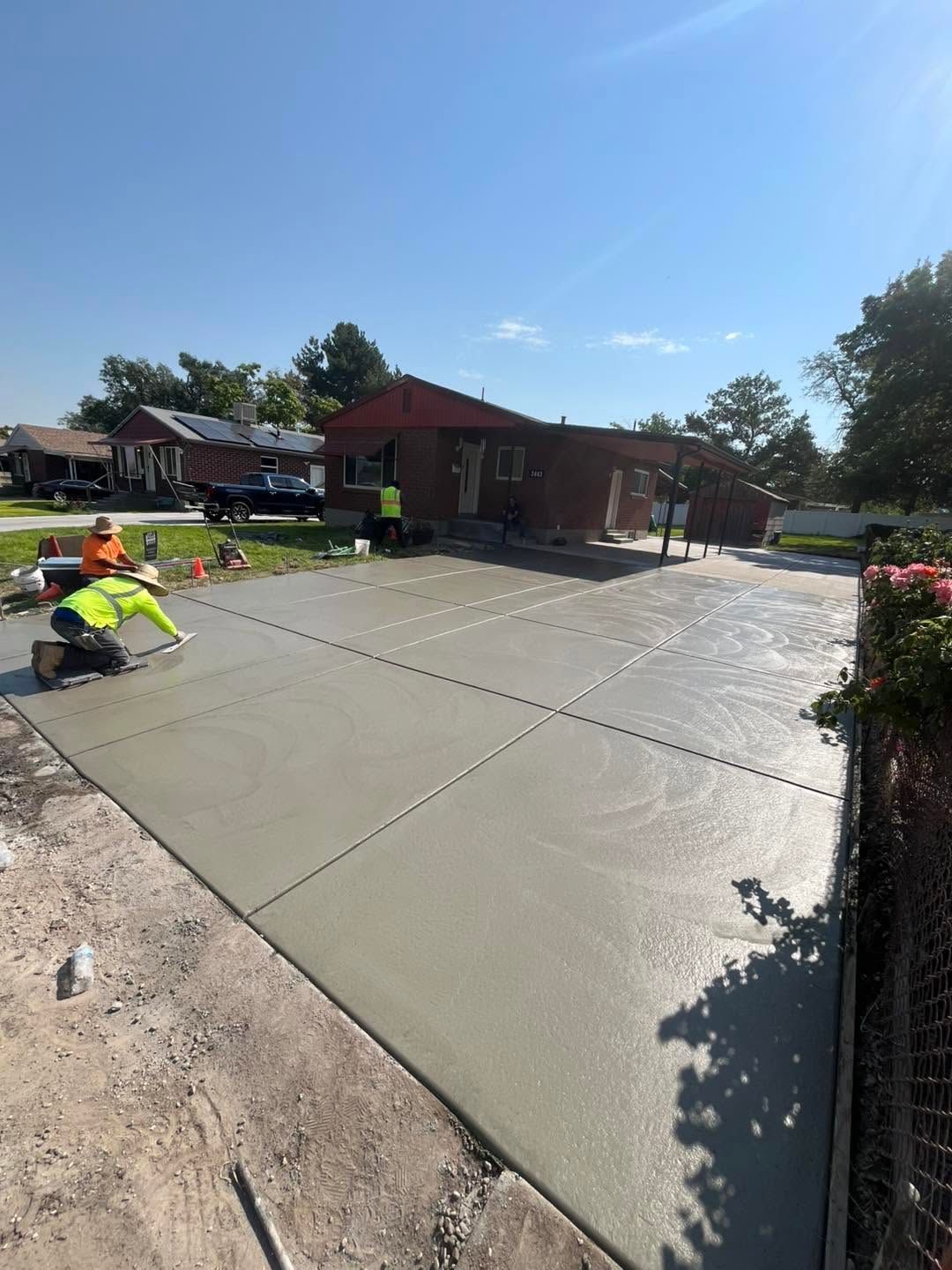
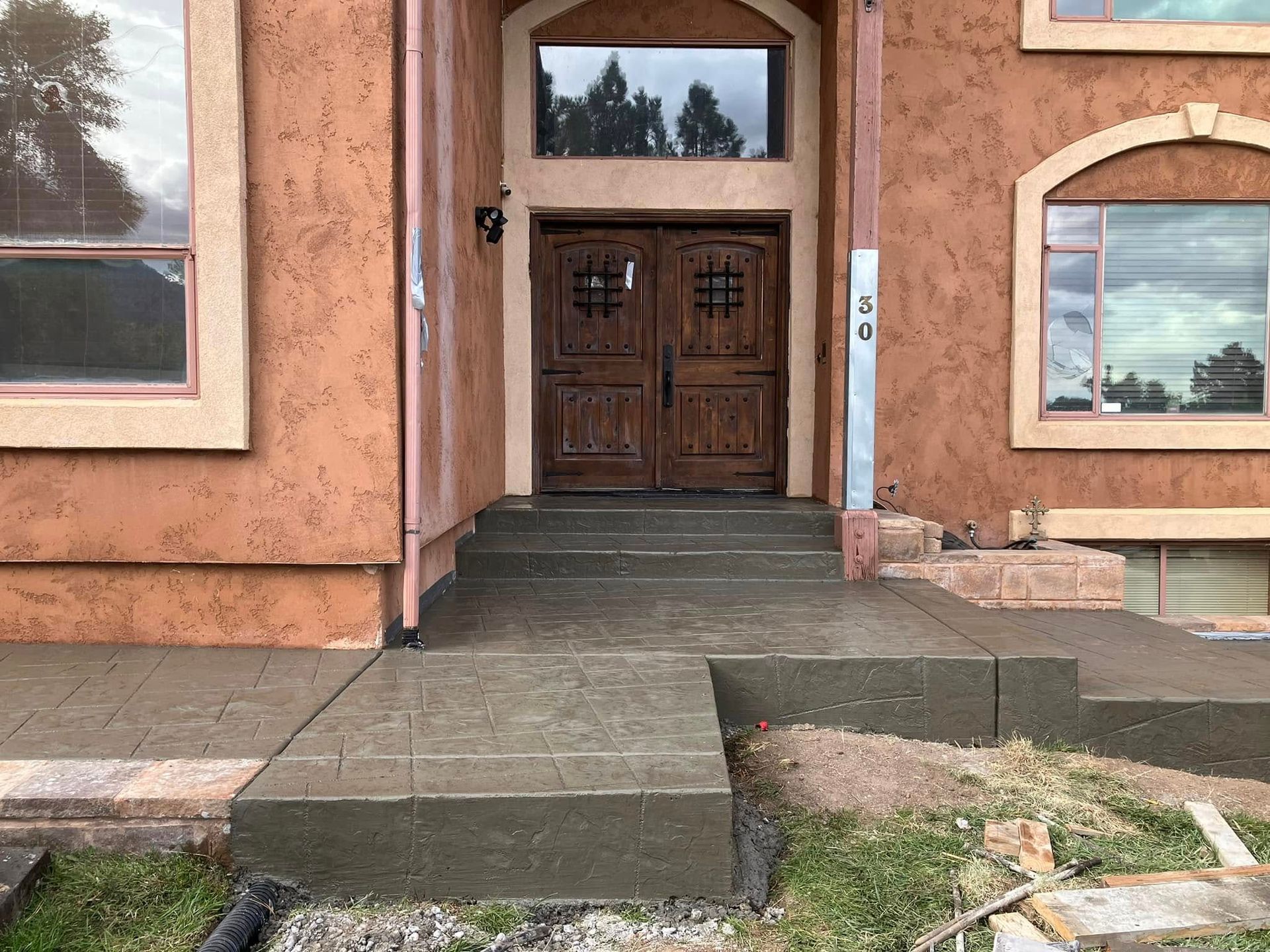
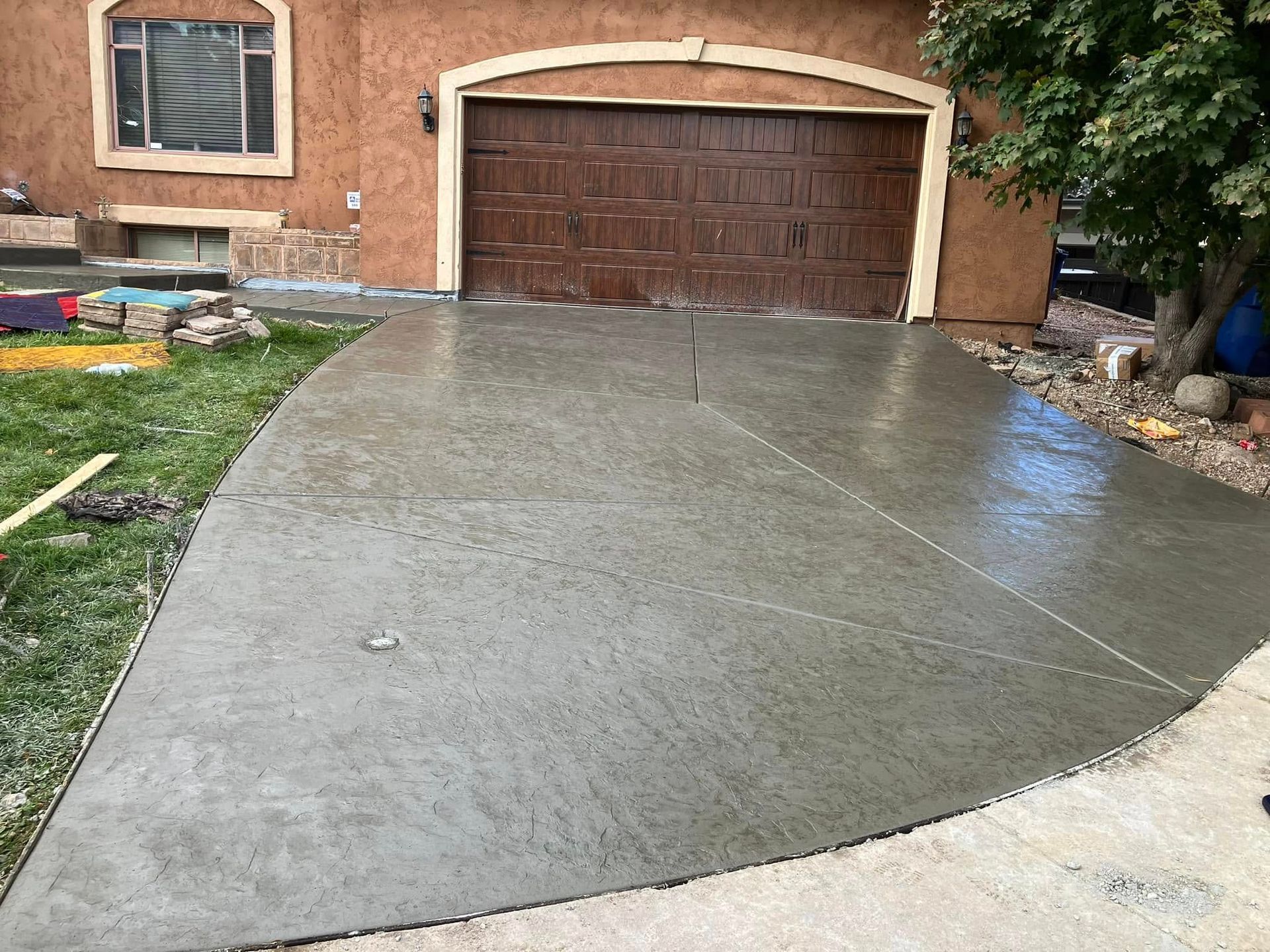
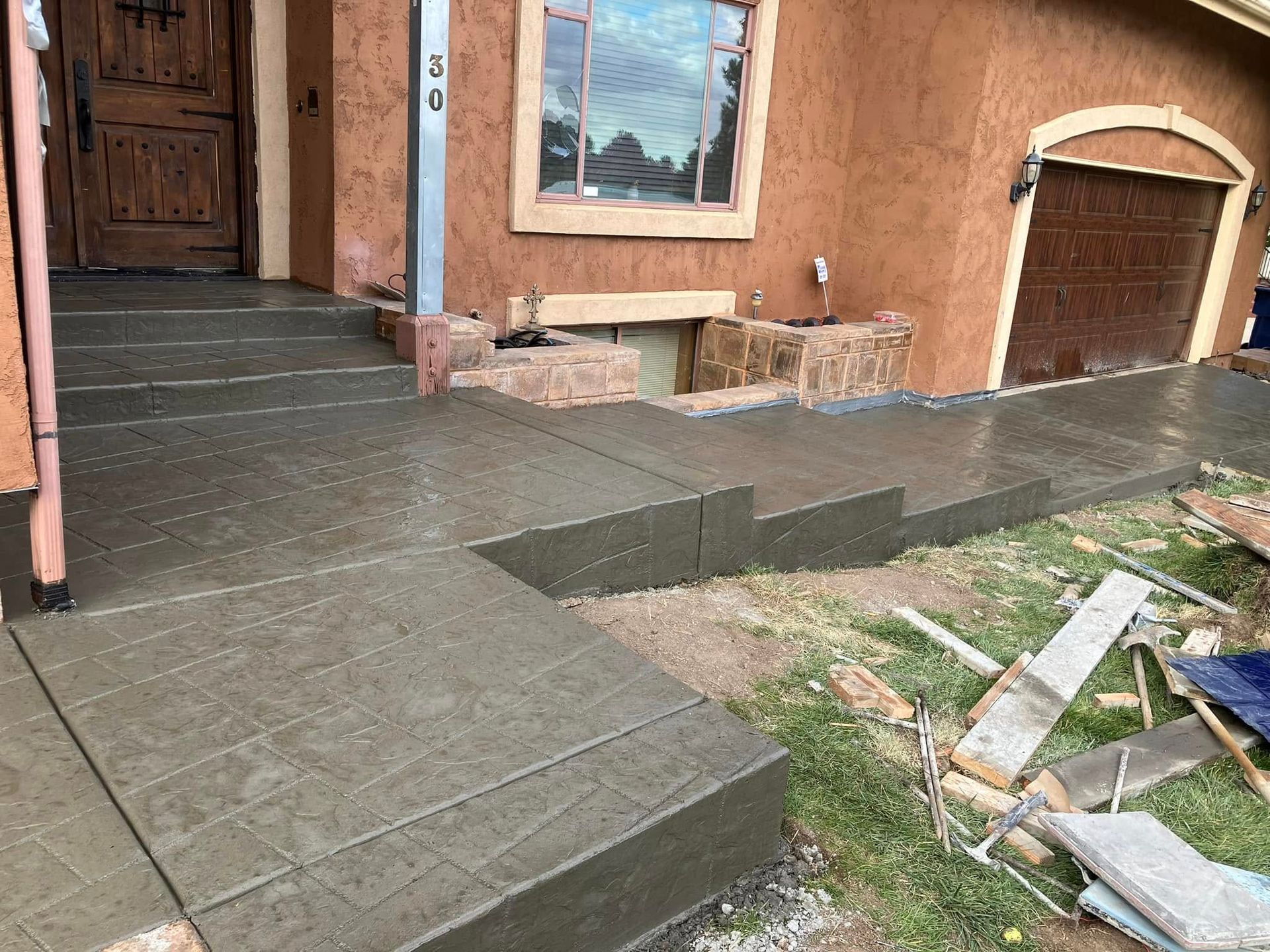
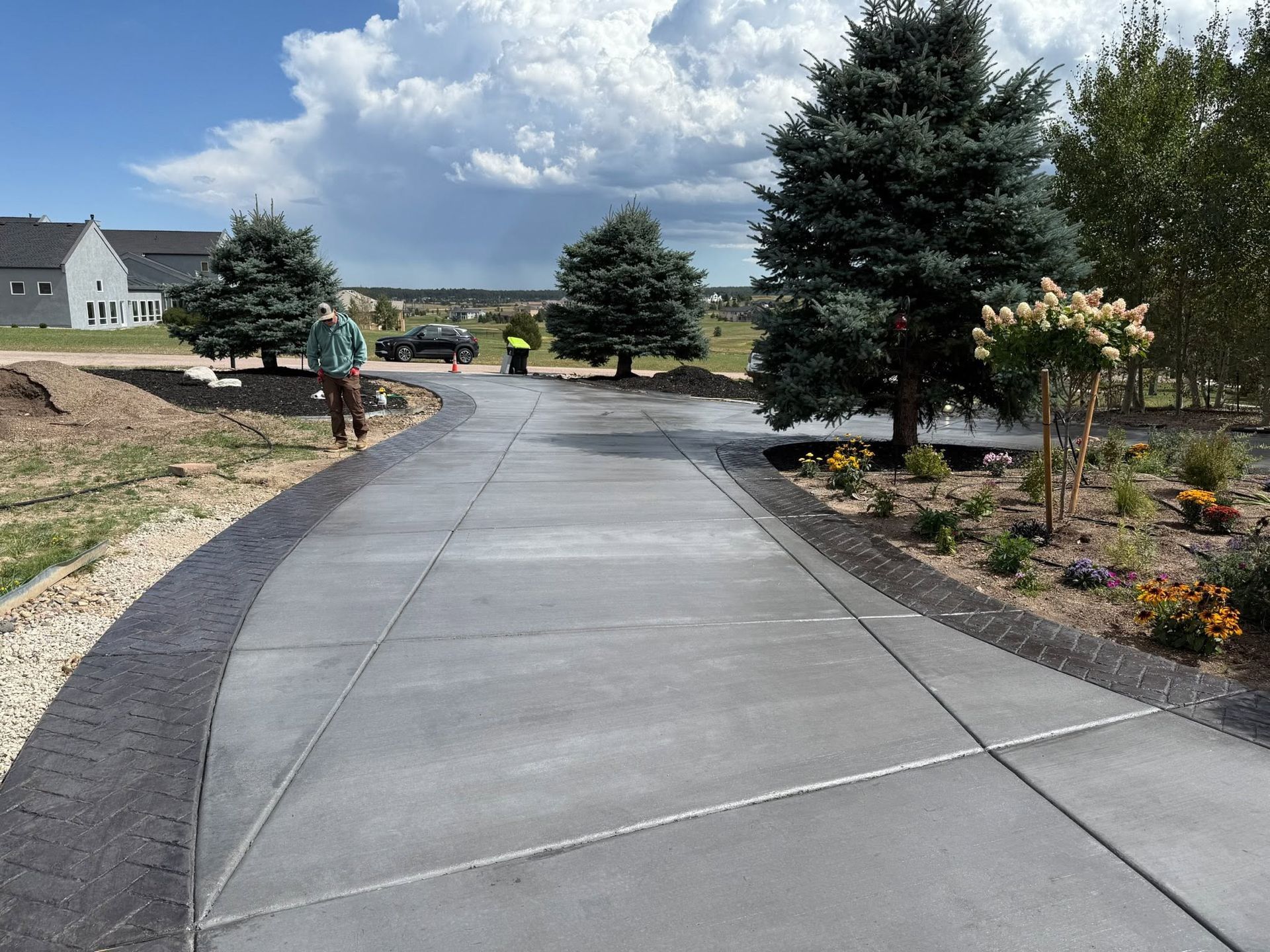
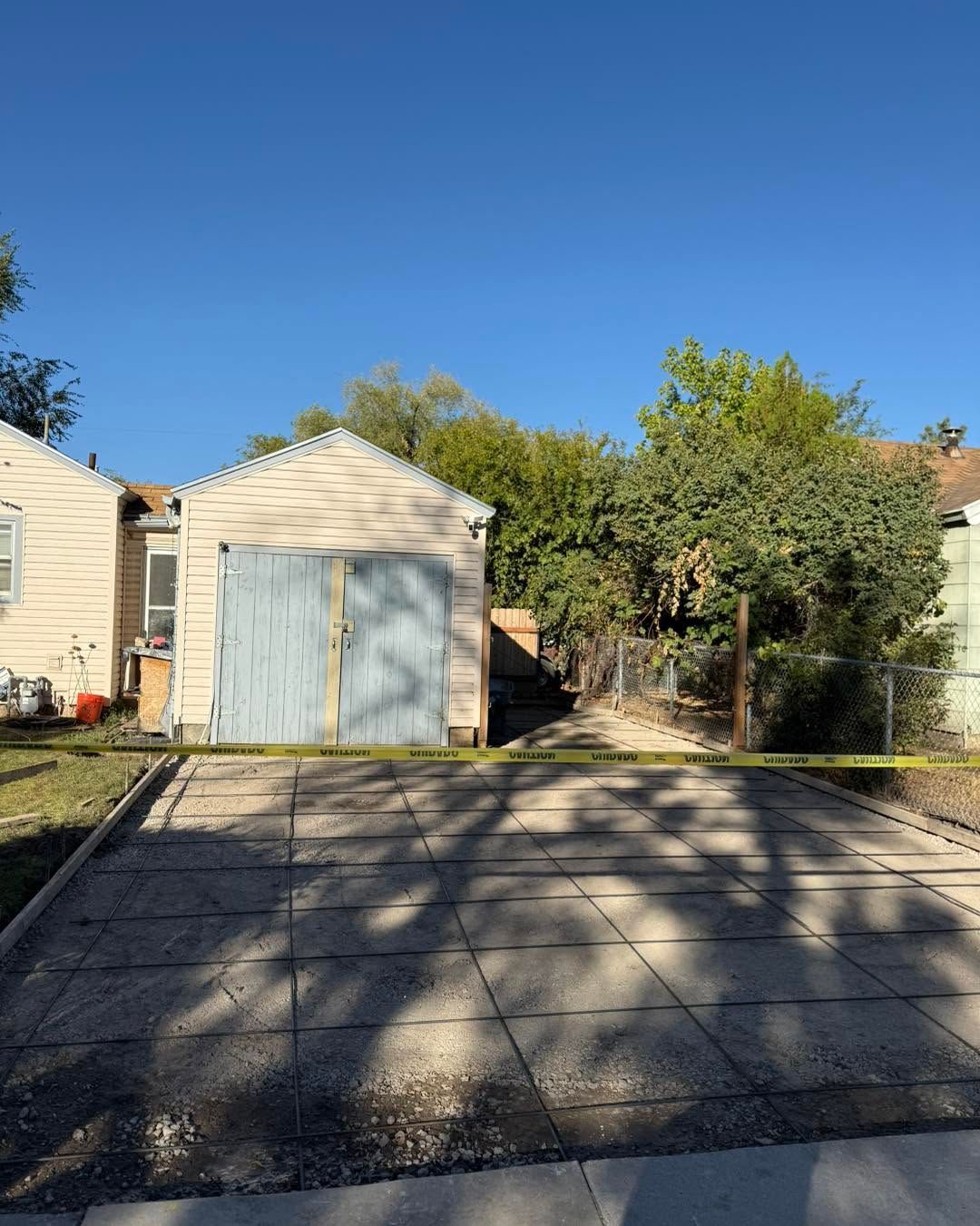
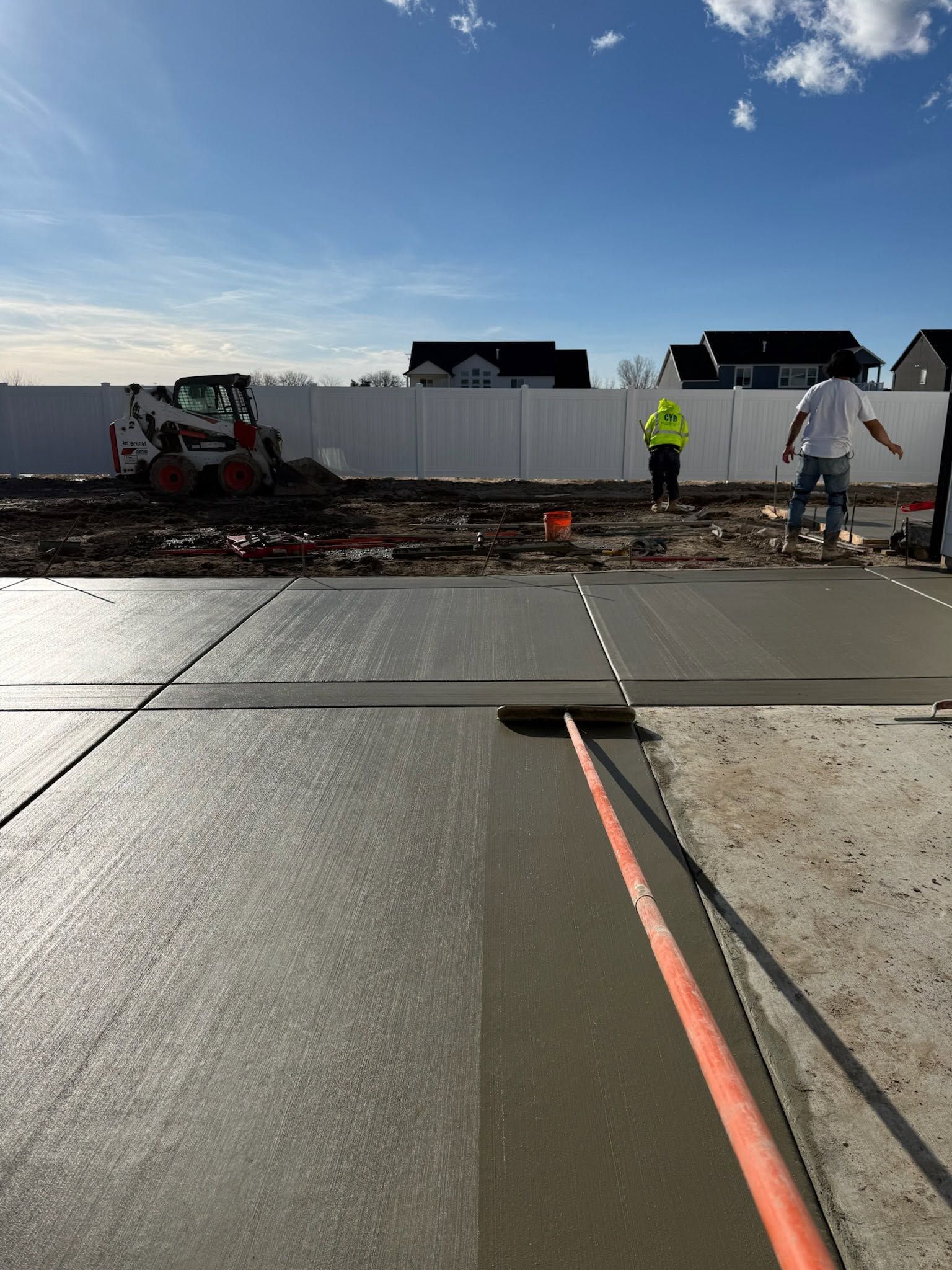
Examples of driveway work completed across Salt Lake City and the surrounding areas. Browse the finishes and the detail work, then tell us what you have in mind for your own property.


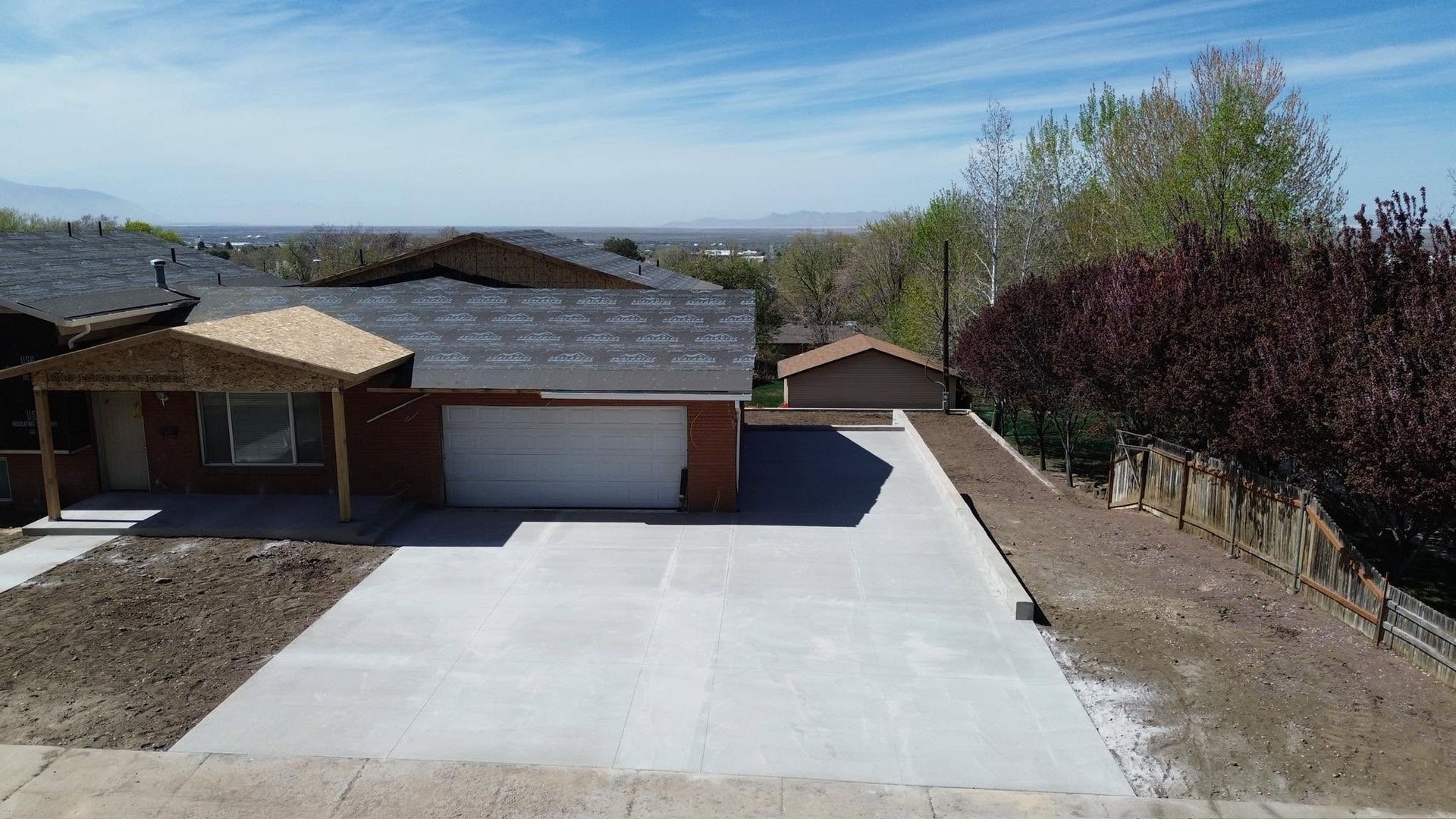
Areas We Serve
Nela Concrete proudly installs driveways throughout Salt Lake County and Utah County. Click below to explore our complete service area coverage and see whether we work in your location.
FREQUENTLY ASKED QUESTIONS
A driveway is a significant investment that affects both the appearance and the daily function of a property. Below are answers to the questions we hear most often from owners across Salt Lake City.
How long does driveway installation take?
Most residential driveways are completed within several days, depending on square footage, site preparation requirements, weather, and overall complexity. Removal of an existing slab typically adds a day. Larger driveways or those needing significant grading and base work may require additional time. We provide a project timeline during the estimate so you know what to expect before anyone commits.
How thick should my concrete driveway be?
Four inches over a properly compacted base is the common standard for driveways carrying ordinary passenger vehicles. Where heavier vehicles are involved, including trucks, trailers, and RVs, six inches with reinforcement is the sensible specification. Thickness alone does not decide performance though. A six inch slab poured over poorly compacted fill will fail sooner than a well prepared four inch slab, which is why we spend real time on the base before anything is placed.
Do I have to remove my old driveway before pouring a new one?
In nearly every case yes. Pouring fresh concrete over a failing slab traps the existing problems underneath and transfers cracking straight up into the new surface within a season or two. Removal also lets us inspect and correct the base, which is usually where the original failure started. We handle the demolition, the hauling, and the disposal as part of the project, so you are not left arranging a separate contractor or a dumpster.
Can I expand or widen my driveway during replacement?
Replacement is the ideal moment to do it. Since the area is already being excavated and prepared, widening the driveway, adding a parking pad, extending toward a side yard, or creating a turnaround costs considerably less than doing it as a separate project later. We measure the space during the site visit and show you what the property can accommodate within setback limits, then price the options separately so you can decide with real numbers in front of you.
Why is drainage so important for a driveway?
Water is what ends most driveways. When a surface holds water instead of shedding it, that water works into the concrete, freezes, expands, and slowly breaks the slab apart from within. Poor drainage also undermines the base beneath and causes settlement. We grade every driveway so water moves away from the slab and away from the foundation of the home, and we review existing drainage patterns during the site evaluation before we finalize the plan.
Why choose concrete over asphalt for a residential driveway?
Concrete generally costs more upfront and asks far less of you afterward. Asphalt needs resealing every few years and softens noticeably in summer heat, while a concrete slab needs little more than occasional cleaning and a sealer on a much longer cycle. Concrete also offers finish options that asphalt cannot match, including stamped and colored surfaces. Asphalt is the more economical choice at the outset and handles ground movement with more flexibility, so the honest answer depends on your budget and how long you plan to stay.
How long before I can drive on my new driveway?
You can usually walk on new concrete after about twenty four hours, though we ask that you stay off the edges. For vehicles we normally ask for a full seven days before parking a passenger car on the slab, and closer to ten to fourteen days before anything heavy such as a loaded truck, trailer, or RV. Concrete continues gaining strength for weeks after placement, so the patience early on genuinely pays off. We give you exact dates for your specific pour during the final walkthrough.
Will my new driveway crack?
Every concrete slab moves as it cures and as temperatures swing through the year, and control joints exist to decide where that movement appears. Correctly placed and spaced joints direct cracking into a straight, planned line rather than a random one across the middle of the driveway. Fine cracking along those joints is normal and expected. Wide, uneven, or displaced cracking is a different matter and usually traces back to inadequate base preparation, missing reinforcement, or joints cut too late.
What is the best time of year to pour a driveway in Utah?
Late spring through early fall gives the widest and most forgiving window along the Wasatch Front. Concrete needs temperatures to stay above freezing while it gains early strength, so overnight lows are usually the limiting factor rather than daytime highs. We pour successfully well into the shoulder seasons using cold weather practices including insulating blankets, adjusted mixes, and careful timing. Very hot dry days bring their own challenge and call for earlier starts. In short, we schedule around the forecast rather than the calendar.
How do I protect my driveway from snow and deicing salt?
Deicing salt is the single biggest threat to concrete along the Wasatch Front. It drives additional freeze and thaw cycles through the surface and draws moisture into the slab, which over time causes the top layer to flake away in a process called scaling. Avoid deicing chemicals entirely through the first winter while the concrete is still gaining strength. After that, shovel rather than salt wherever practical, rinse residue off in spring, use a plastic rather than a metal blade, and keep a quality penetrating sealer maintained.
Do I need a permit for driveway work in Salt Lake City?
It depends on where the work sits. A driveway entirely inside your property line typically does not require a permit, while any work in the public right of way, including the approach, the apron, or a curb cut, usually does. Requirements also vary between cities across Salt Lake County and Utah County. We tell you which category your project falls into during the estimate so there are no surprises.
Can you add a decorative finish to a driveway?
Yes. Stamped patterns, integral color, staining, and exposed aggregate all work well on driveways and turn a purely functional surface into a genuine feature of the property. Decorative finishes cost more than a standard broom finish and carry slightly different maintenance expectations, particularly around resealing. We walk you through the pattern and color options in person and pour a sample first, so you see the actual result before we place the slab rather than choosing from a brochure.
Why should I choose Nela Concrete for my driveway project?
Because you deal with the owner directly and you get answers fast. New inquiries typically hear back within thirty to sixty minutes and most estimates follow within one to two days, which matters when you are trying to plan around a season with a limited pour window. We are licensed and insured, our Google rating sits at five stars, and the person who prices your driveway is the person accountable for how it turns out. We would rather earn the next job through this one than win it on being cheapest.