
SALT LAKE CITY CONCRETE WALKWAY CONTRACTOR
Nela Concrete installs sidewalks, walkways, steps, and flatwork for property owners across Salt Lake City. New pours, panel replacement, and repair work all handled by the same crew.
Professional Installation Practices
High-Quality Materials
Backed by Experience & Local Trust
PROFESSIONAL SIDEWALK, WALKWAY, AND STEP INSTALLATION
A concrete sidewalk is the first surface anyone uses on the way to your door, and an uneven one is noticed immediately. Level flatwork only draws attention once it has gone wrong.
Nela Concrete installs walkways, steps, and general concrete flatwork across Salt Lake City. Each run is set to the grade of the property and shaped to the route people actually take.
Whether the work is a new path, a single failed panel, or a full sidewalk replacement, the finish and elevation are matched to the concrete already in place so the result reads as one surface.
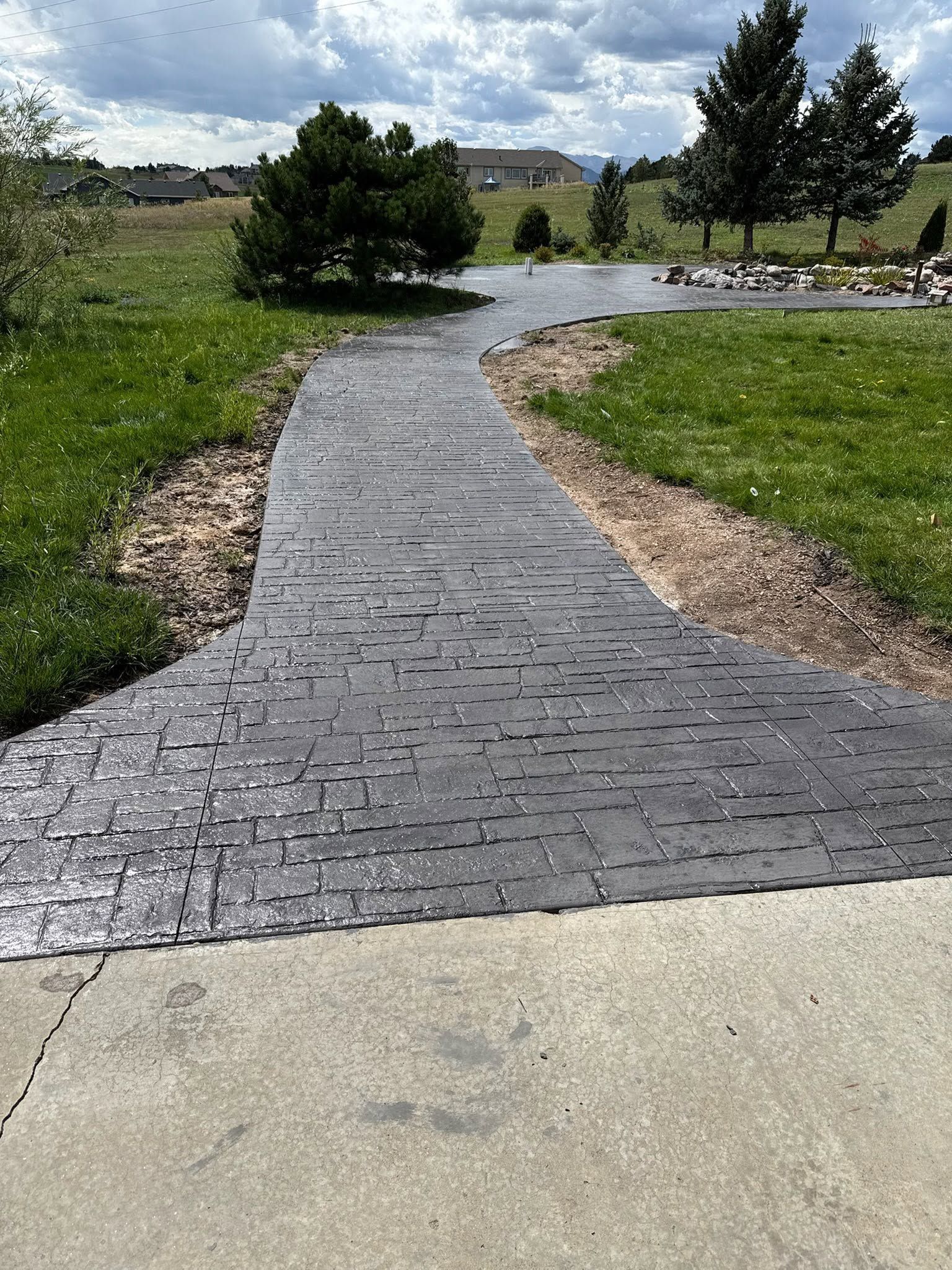
SIDEWALK, WALKWAY, AND FLATWORK SERVICES
Flatwork covers more ground than most people realize, and each type carries its own requirements. These are the pours we handle most often across Salt Lake County and Utah County.
Walkways and Garden Paths
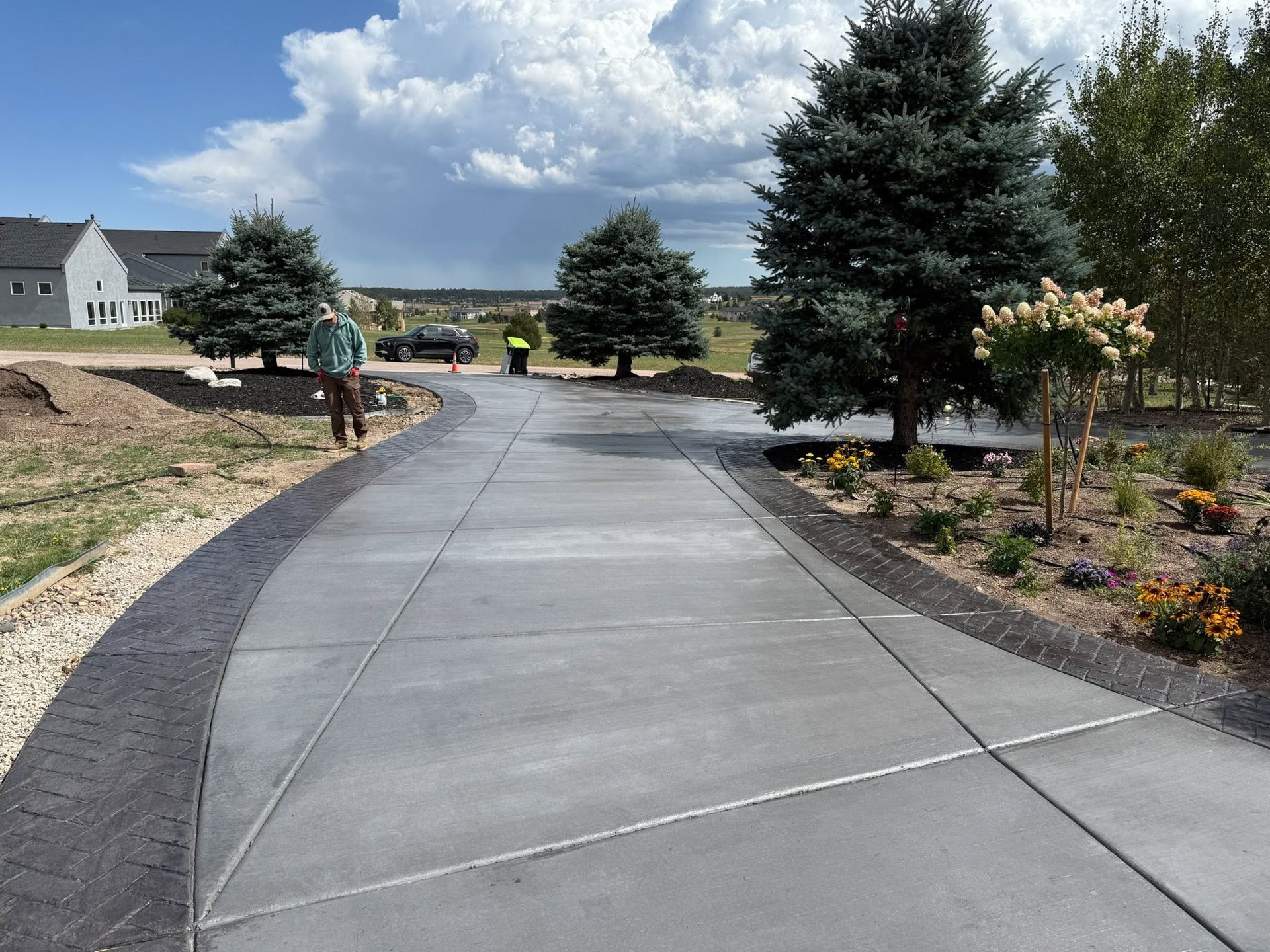
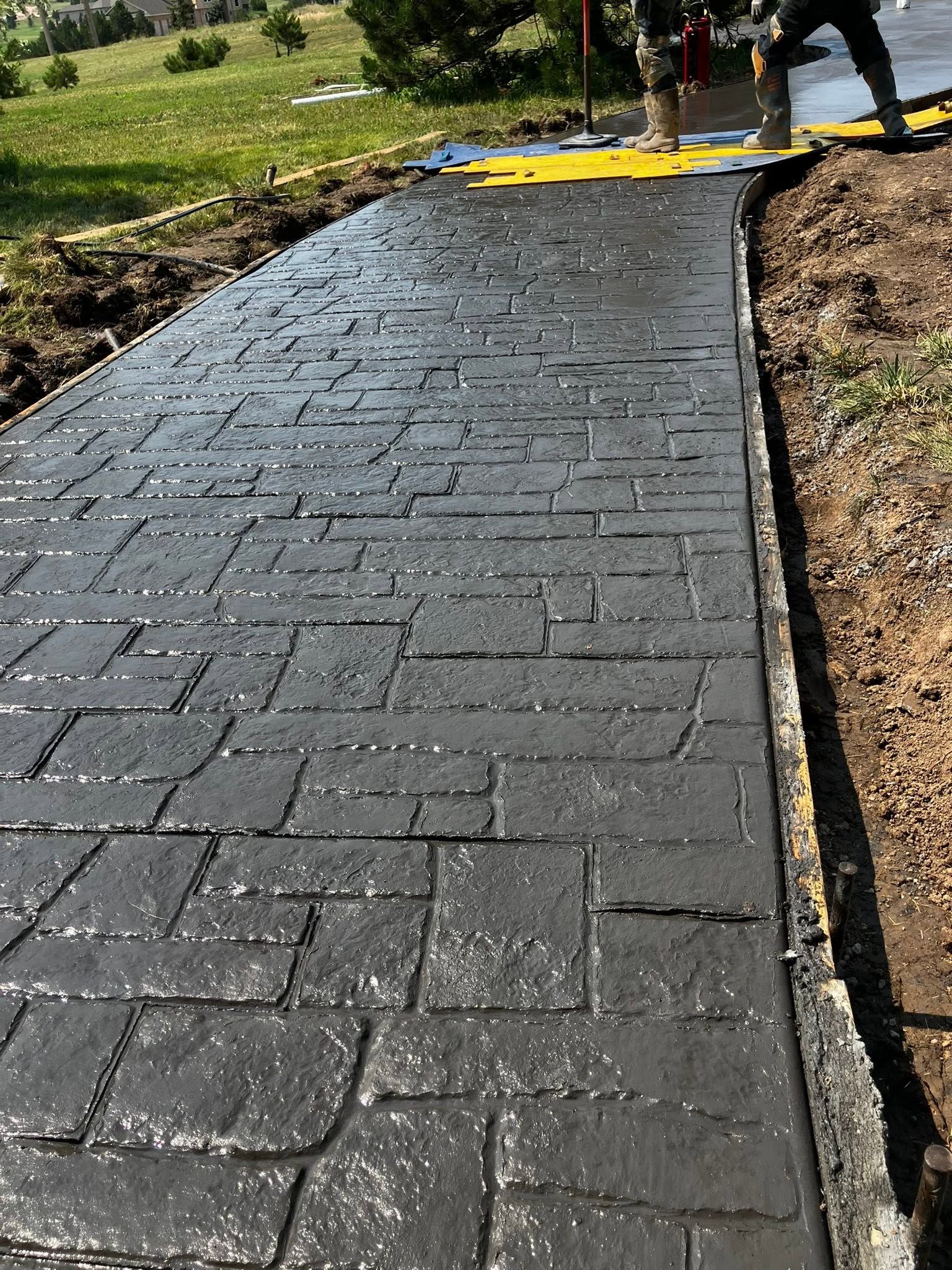
Paths connecting driveways, entries, patios, and side yards, shaped and graded to follow the natural route across the property.
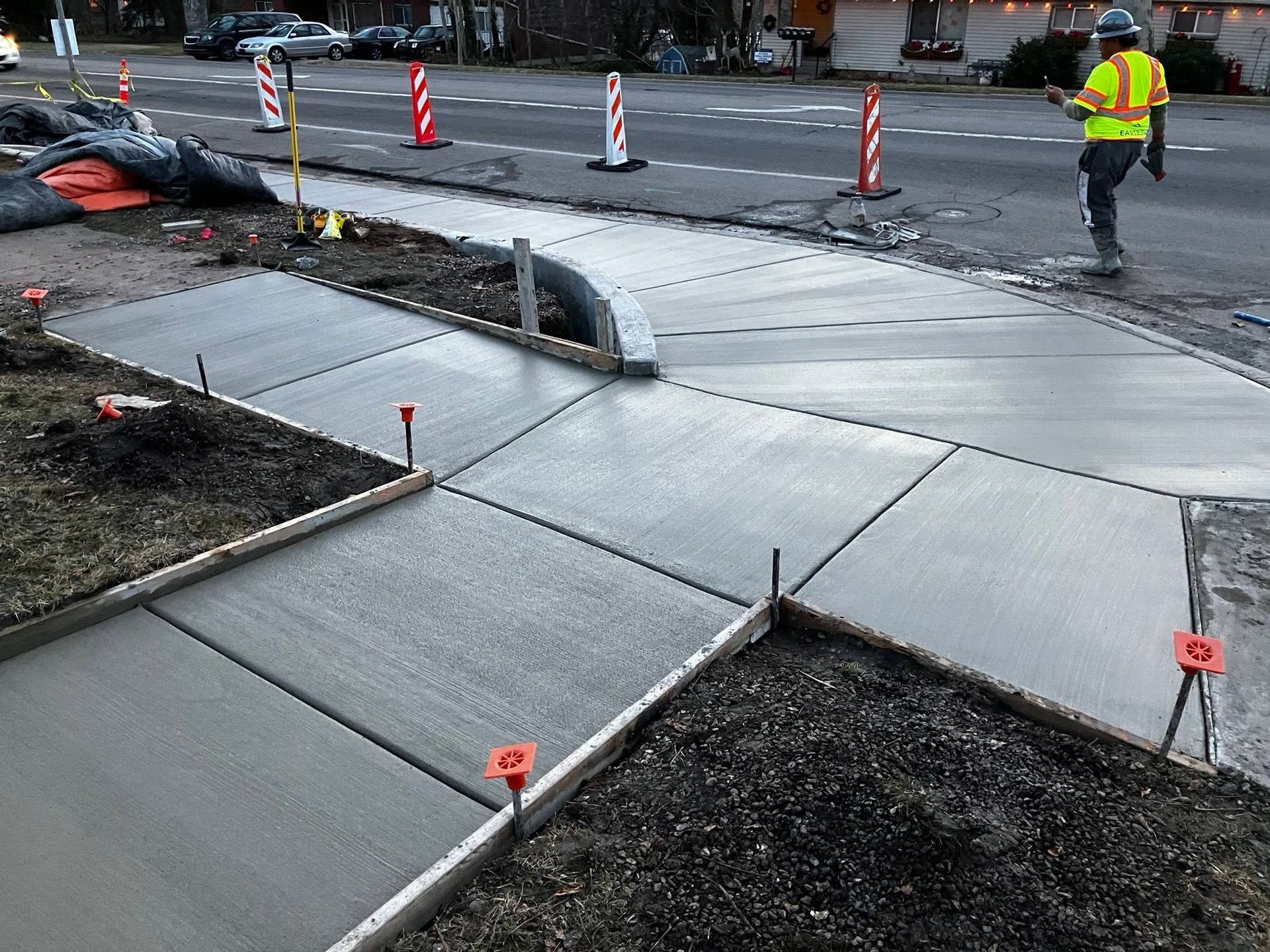
Public Sidewalks
Sidewalk sections along the street frontage, poured to city dimensions and finished to the standard the jurisdiction requires.
Concrete Steps and Landings
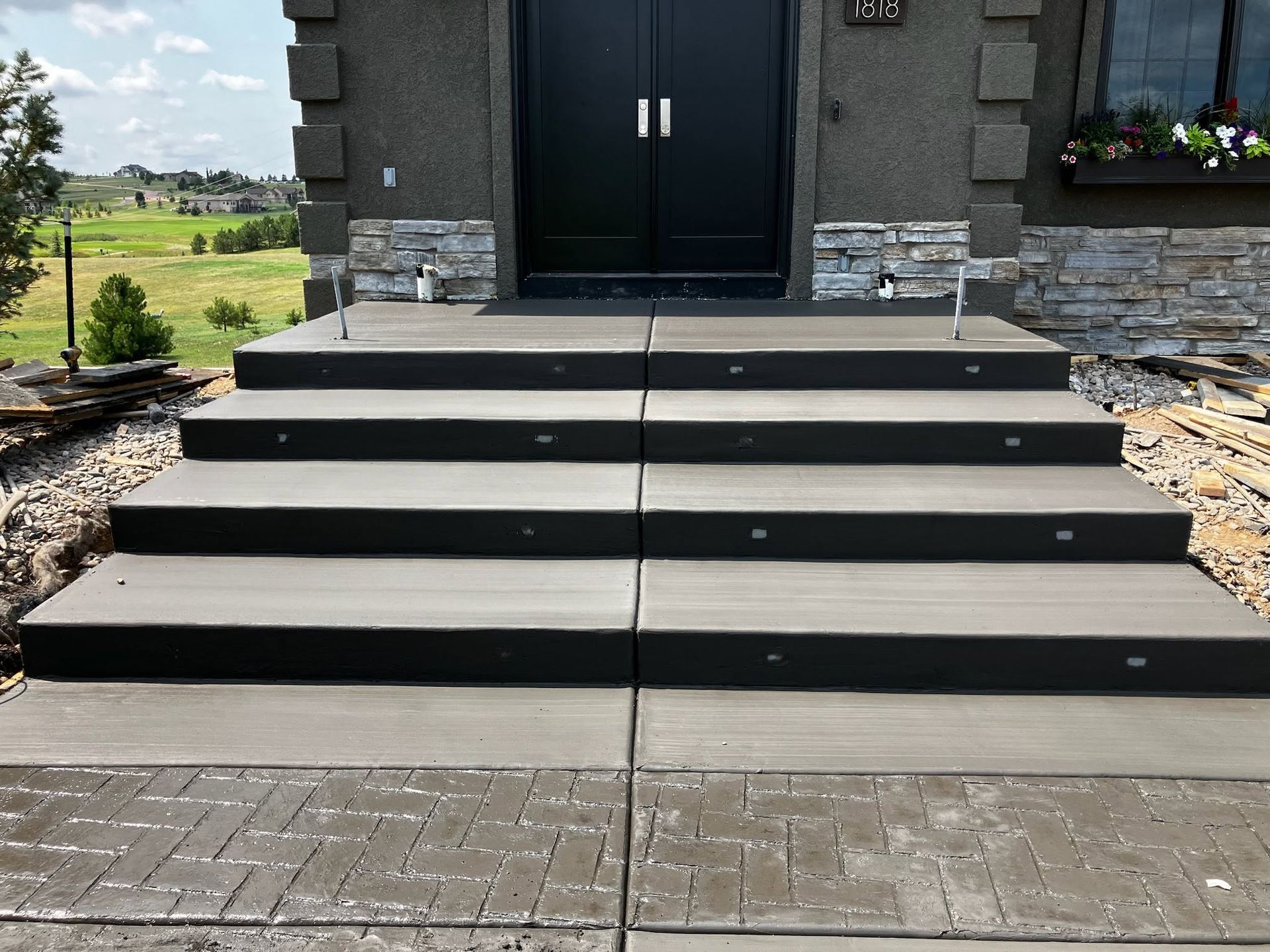
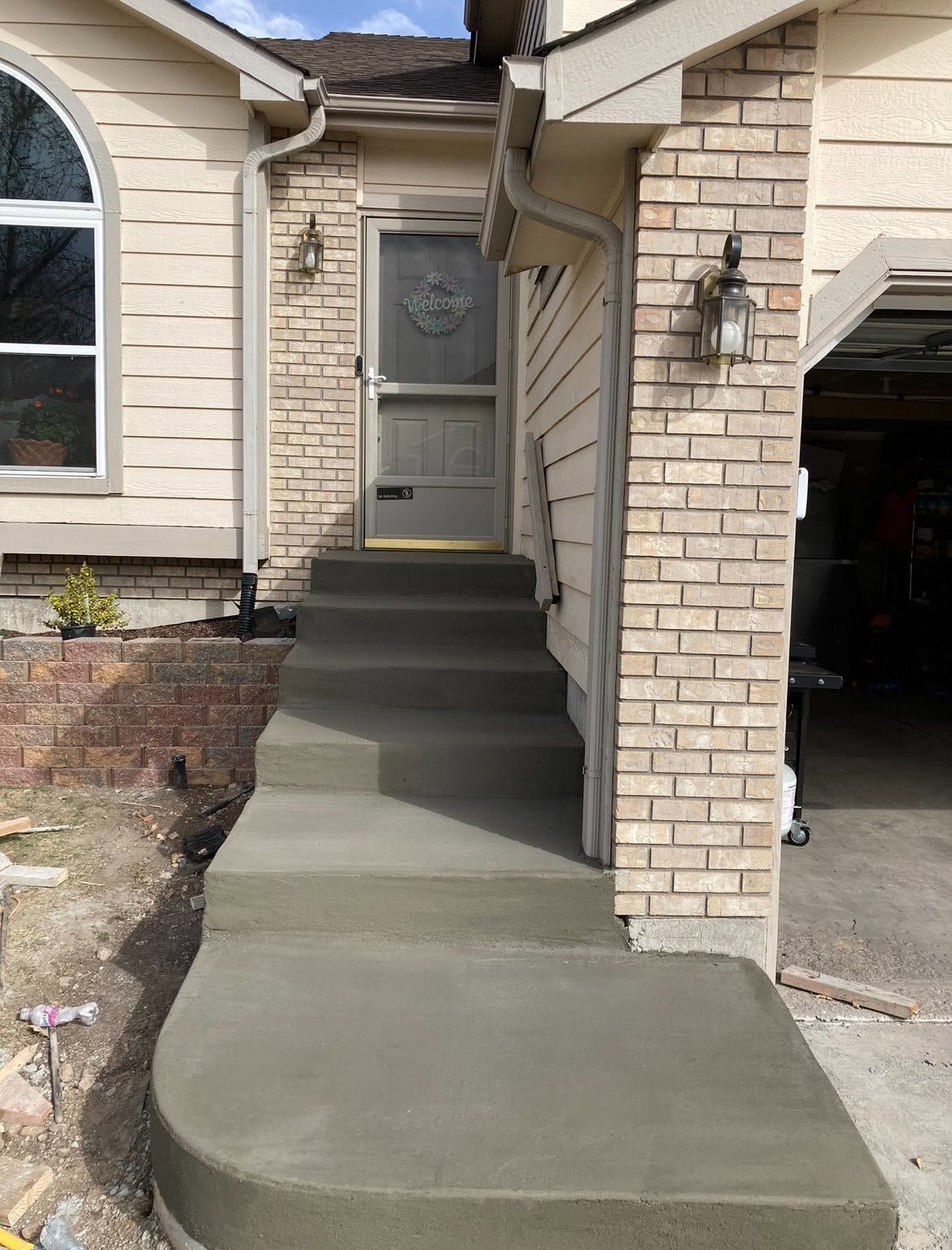
Steps and landings poured to consistent rise and run, with landings sized correctly and handrail anchoring accounted for.
Panel Replacement and Repair
Individual failed sections lifted and replaced, matched to the elevation and finish of the panels either side of them.
Curb, Gutter, and Approaches
Curb and gutter work, driveway approaches, and site flatwork for builders, developers, and commercial property owners.
WHY AN UNEVEN SIDEWALK IS WORTH FIXING
A lifted or cracked panel is easy to walk past for years. These are the reasons property owners eventually decide to deal with it. At Nela Concrete, we look at what caused the movement before we quote the fix, because replacing a panel without correcting the cause only buys a few seasons.
Trip and Fall Liability
A raised edge on a walkway across your property can leave you exposed if a visitor is injured while using it.
City Notices and Requirements
Many jurisdictions place responsibility for the sidewalk along your street frontage on the adjoining property owner rather than the city.
Accessibility for Everyone
Uneven surfaces make everyday use difficult for anyone moving with a stroller, a walker, a wheelchair, or a walking cane.
Water Where It Should Not Be
A panel that has settled back toward the house sends runoff straight at the foundation rather than away from it.
Curb Appeal at the Entry
The path to the front door shapes the impression a property makes long before anyone reaches the entry itself.
OUR SIDEWALK INSTALLATION PROCESS
Sidewalk and walkway work moves quickly, and most projects are complete within a few days. Here is how each stage runs on your property.
Step 1
Initial Consultation
We follow the path on foot with you, confirm where it should run and how wide it needs to be, and check the existing grade.
Step 2
Scope and Estimate
You receive a written estimate covering length, width, thickness, finish, and whether panels are being replaced or newly poured.
Step 3
Permit Check
If any part of the work sits in the public right of way, we identify what approval is required before the schedule is set.
Step 4
Removal, Excavation, and Base
Failed sections are removed and hauled away, then the route is excavated, graded to drain, and compacted.
Step 5
Pour, Finish, and Walkthrough
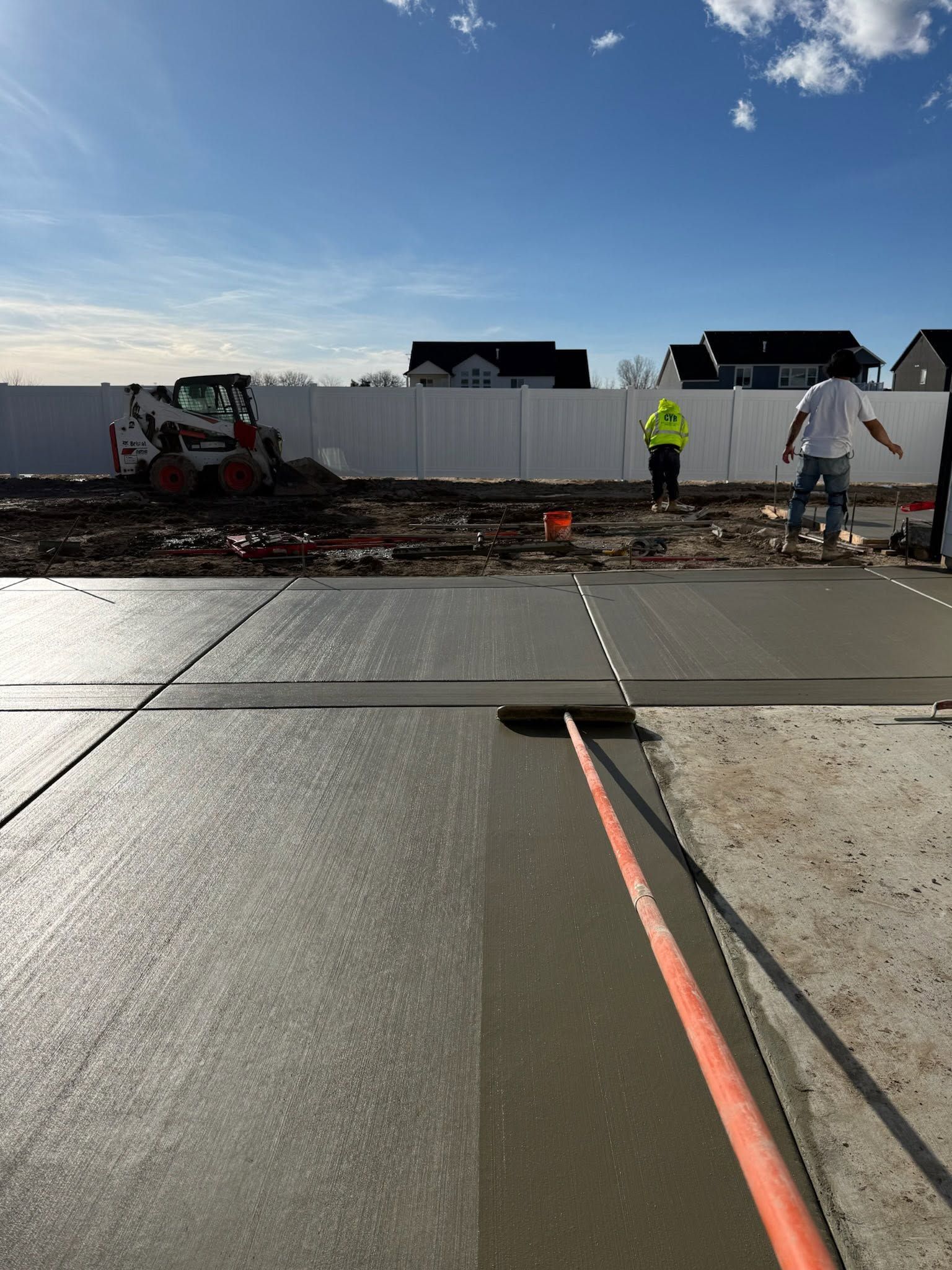
We place, finish, and joint the concrete, then walk the completed run with you and explain when it can be used.
WHY PROPERTY OWNERS CHOOSE NELA CONCRETE
Sidewalk work looks simple and rarely is. Matching a new panel to the elevation and finish of the ones beside it takes more care than pouring a fresh run from scratch, and it is where most crews cut corners.
We match finish texture, hold the grade across the whole route, and place joints where they belong rather than where they are convenient. The result reads as one continuous surface instead of a patch.
Among sidewalk contractors in Salt Lake City, small jobs are often the ones left waiting. We quote them properly and schedule them properly, because a single panel today is frequently a full walkway or driveway next year.
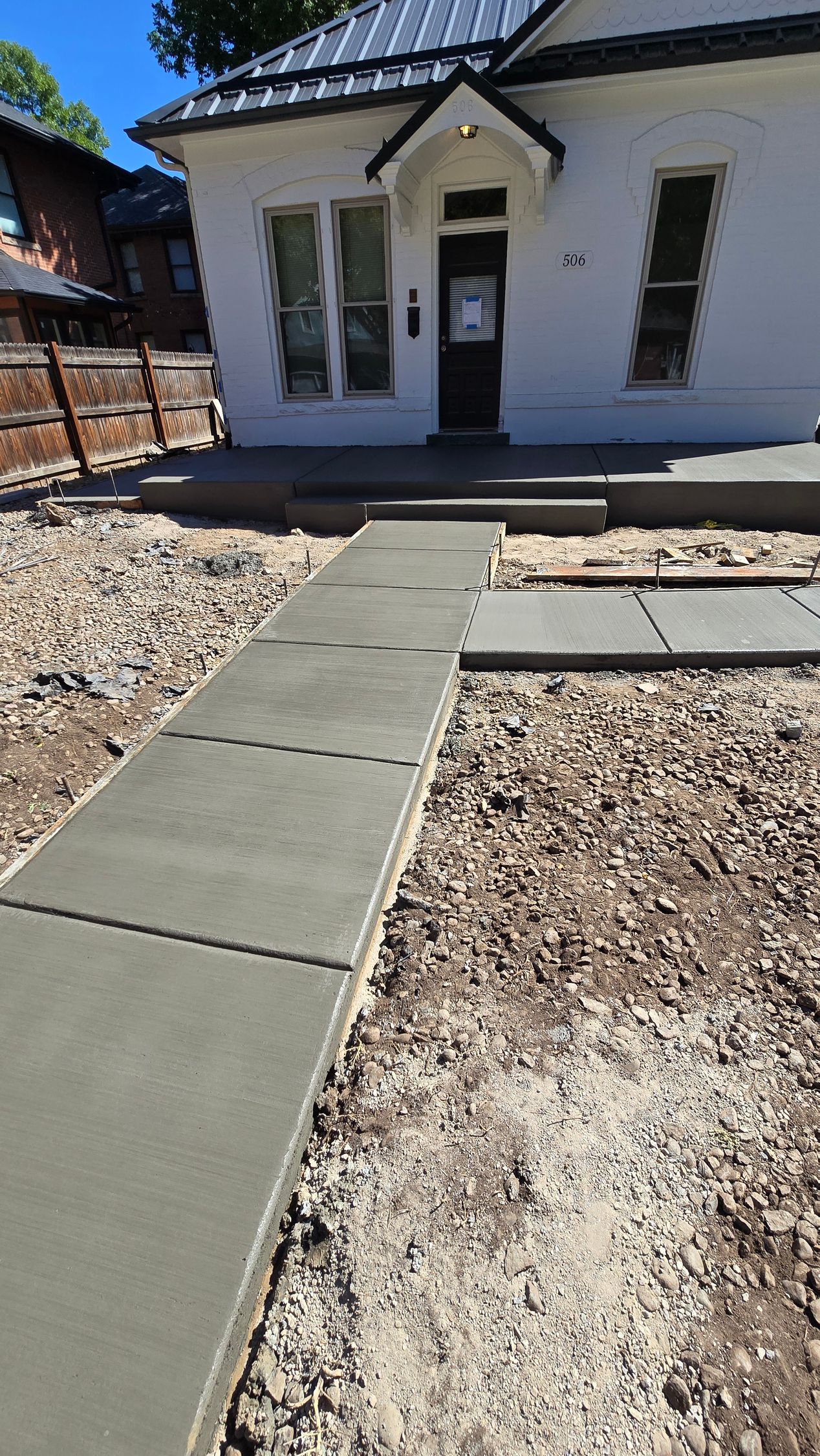
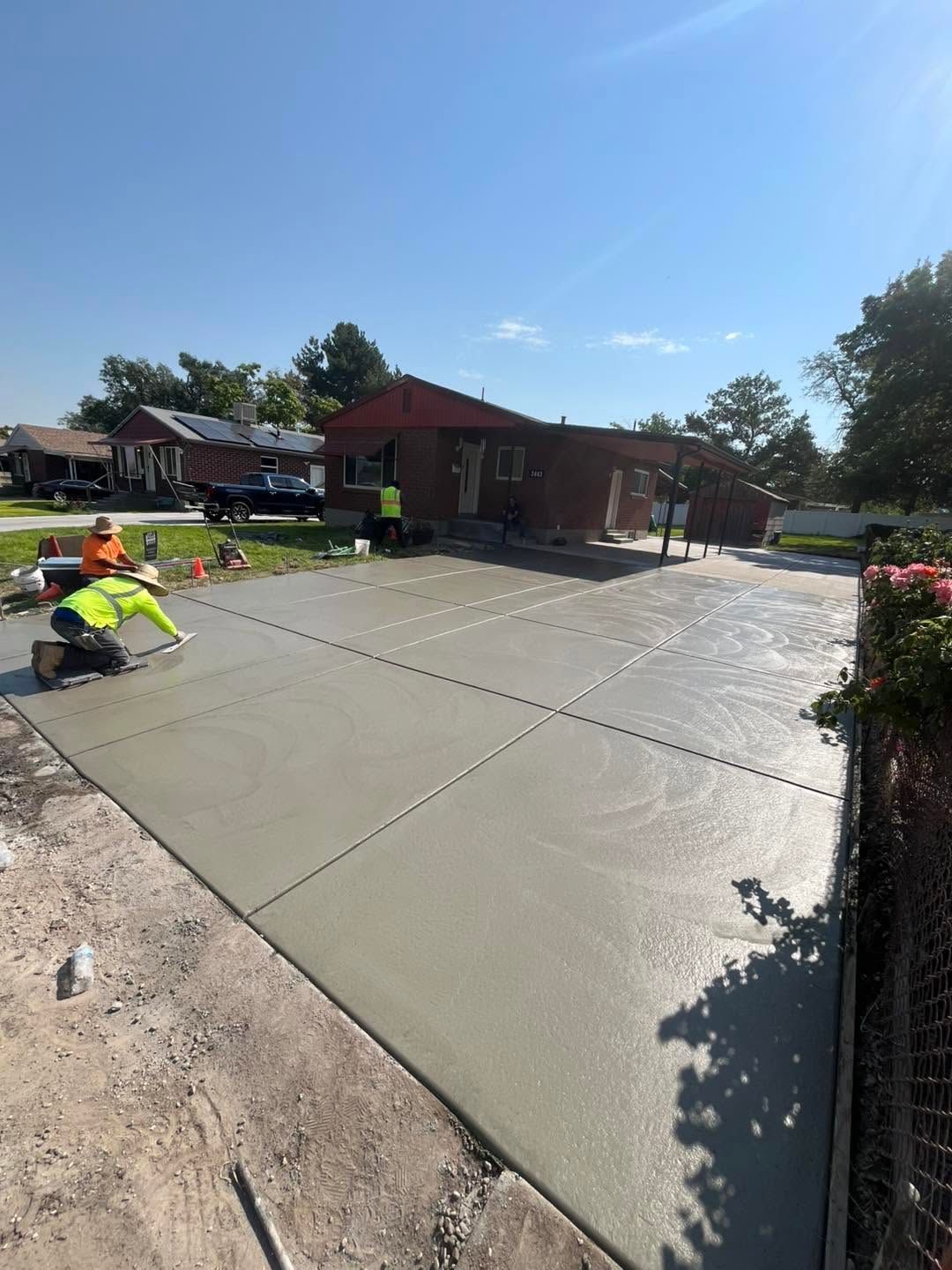
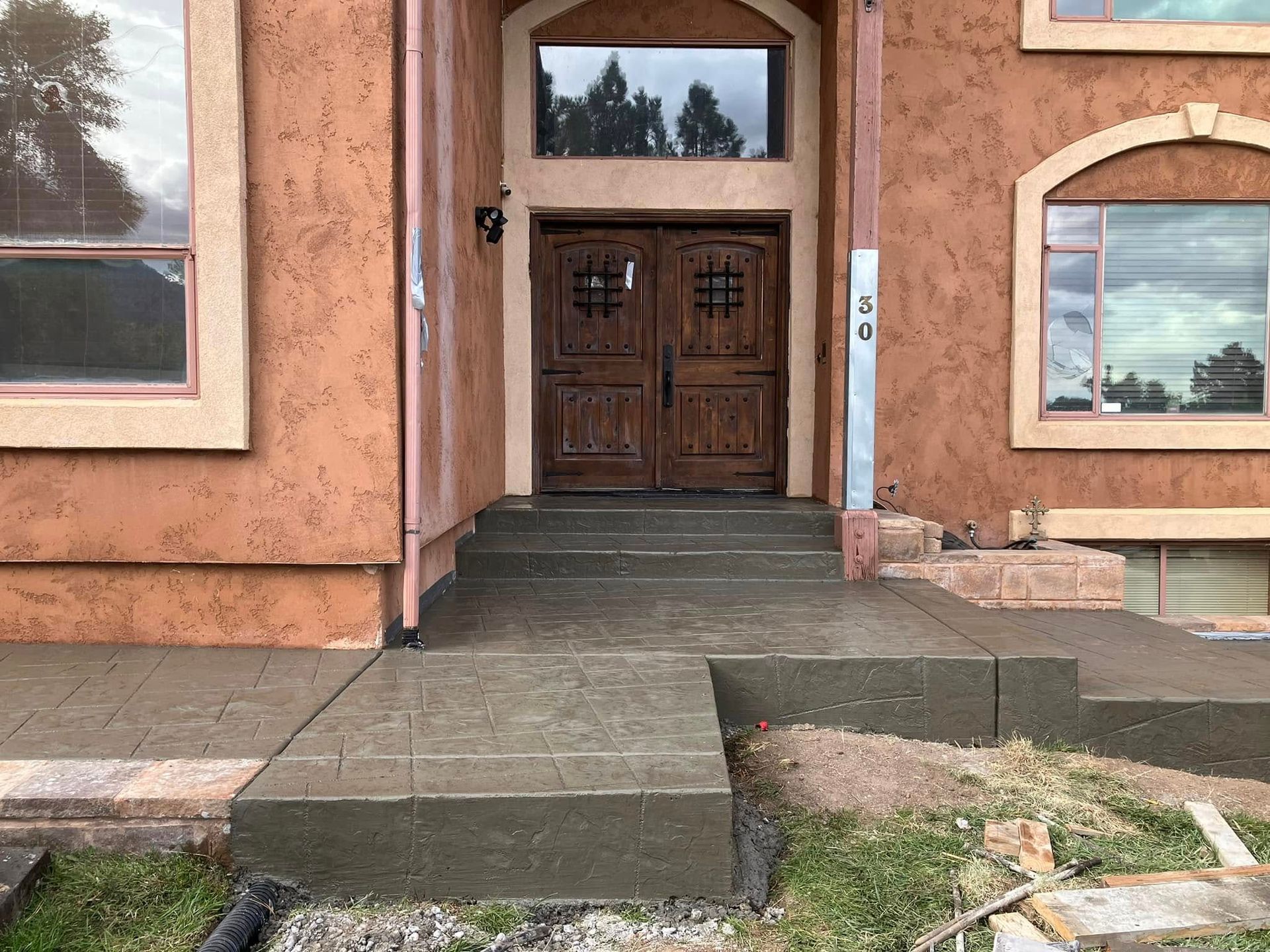
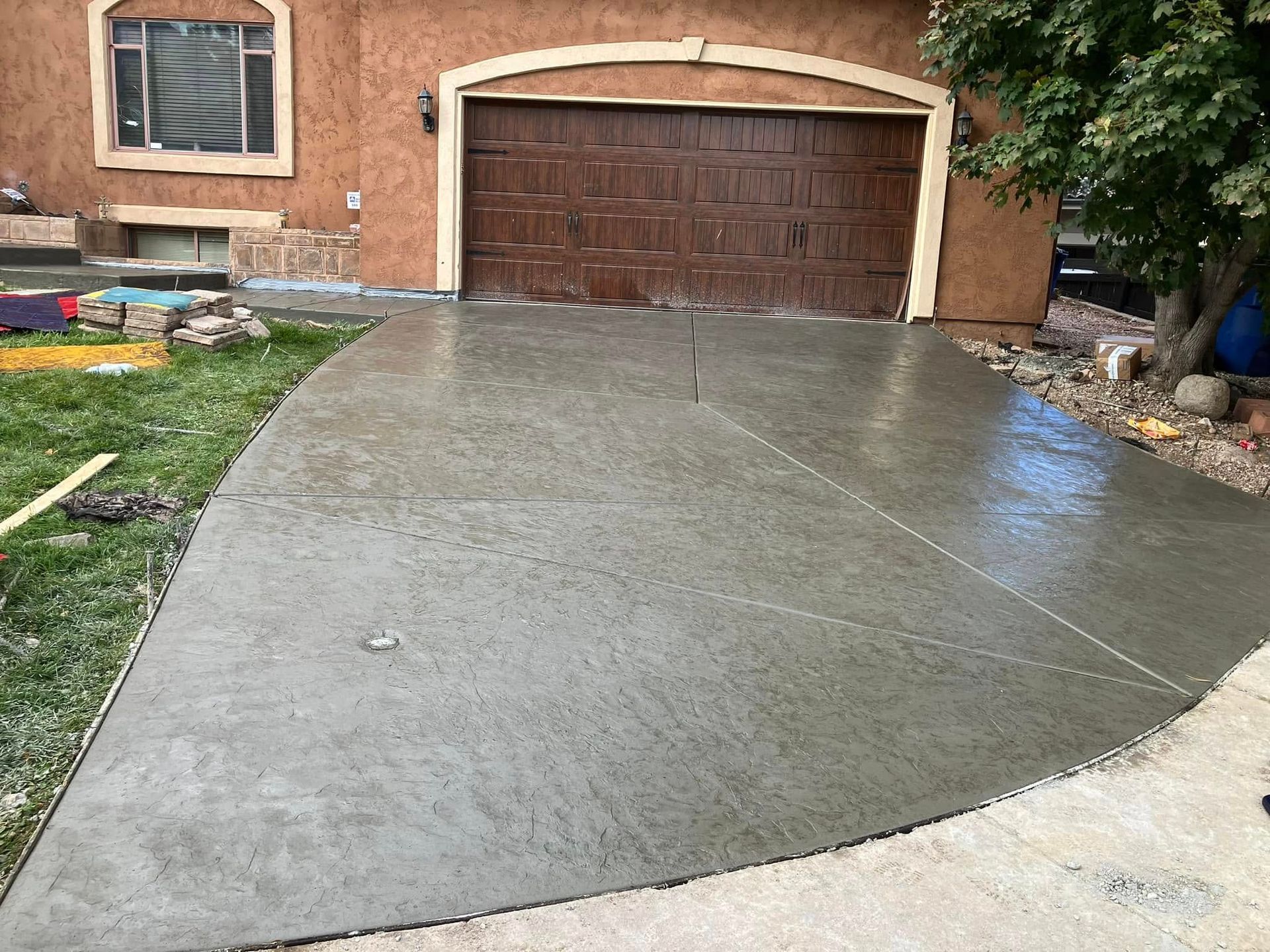
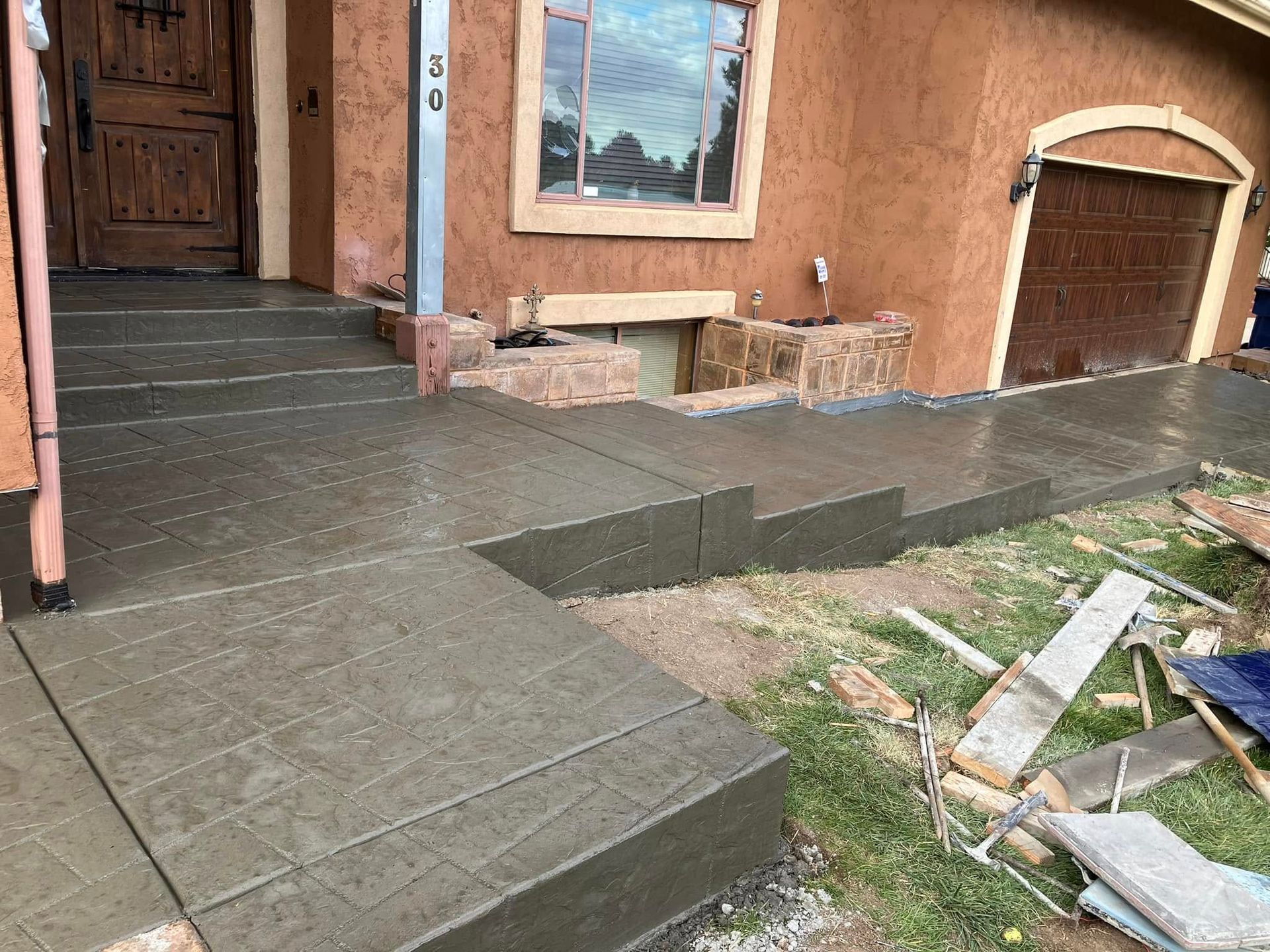
Explore Our Recent Projects
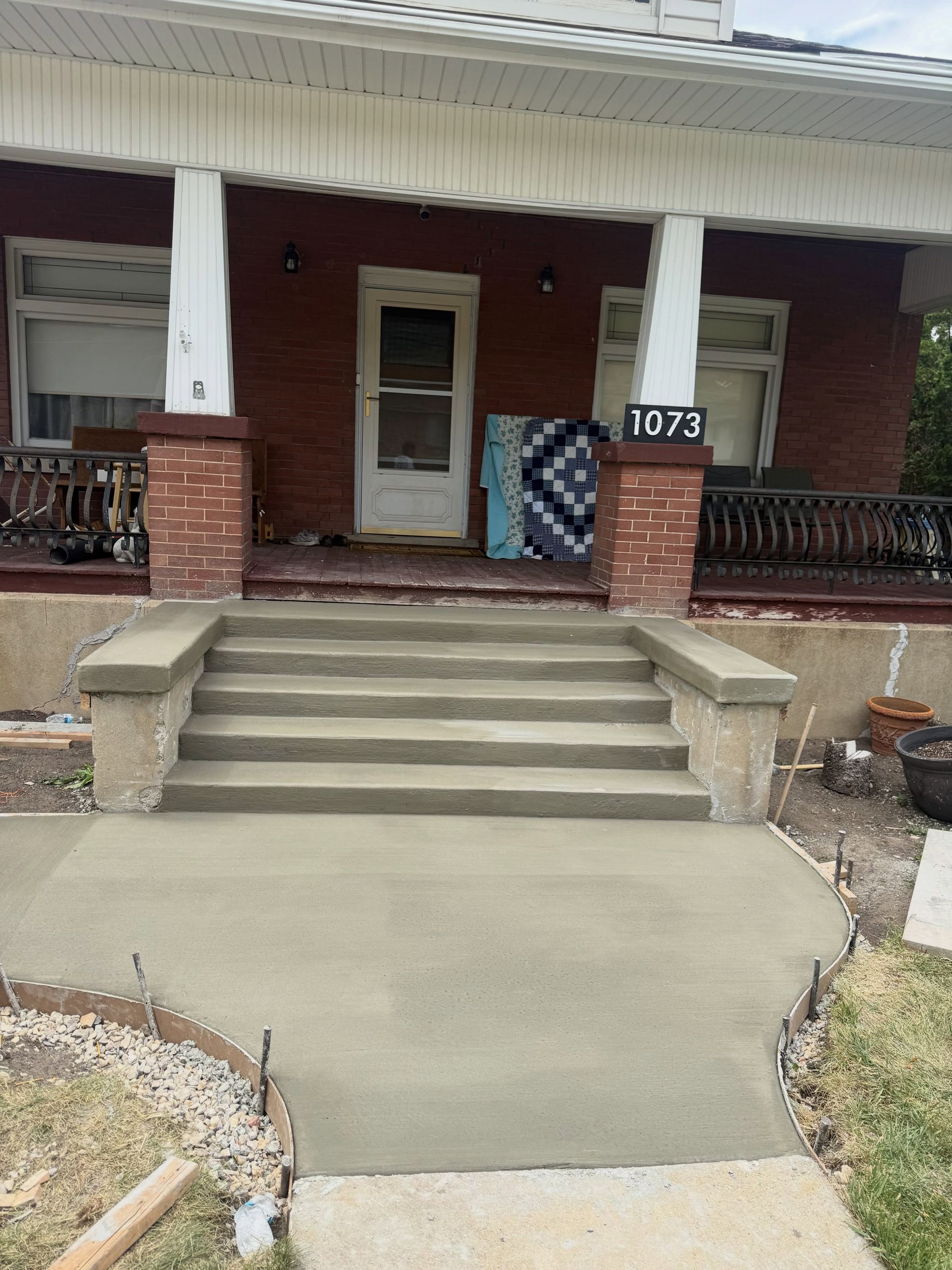
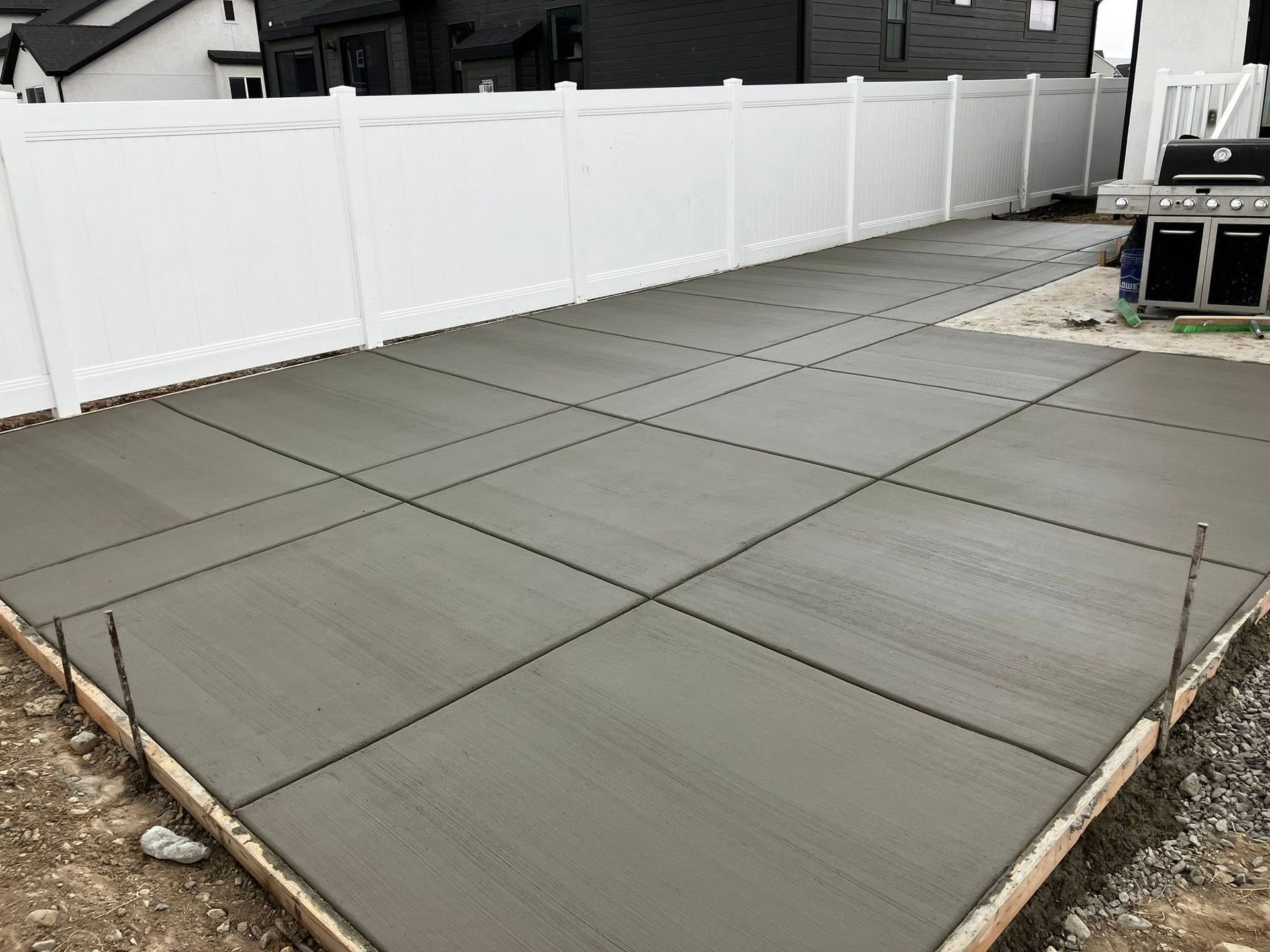
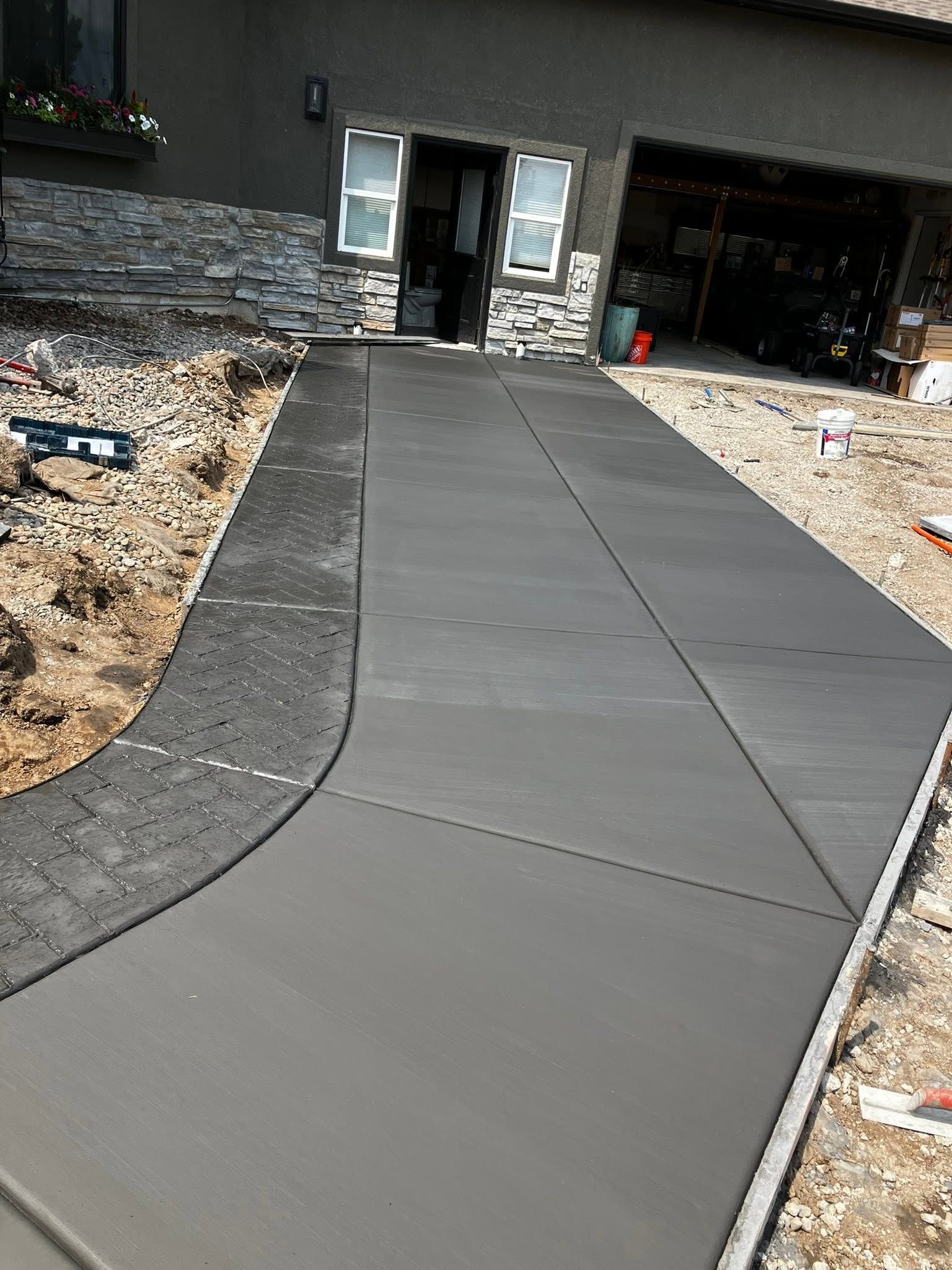
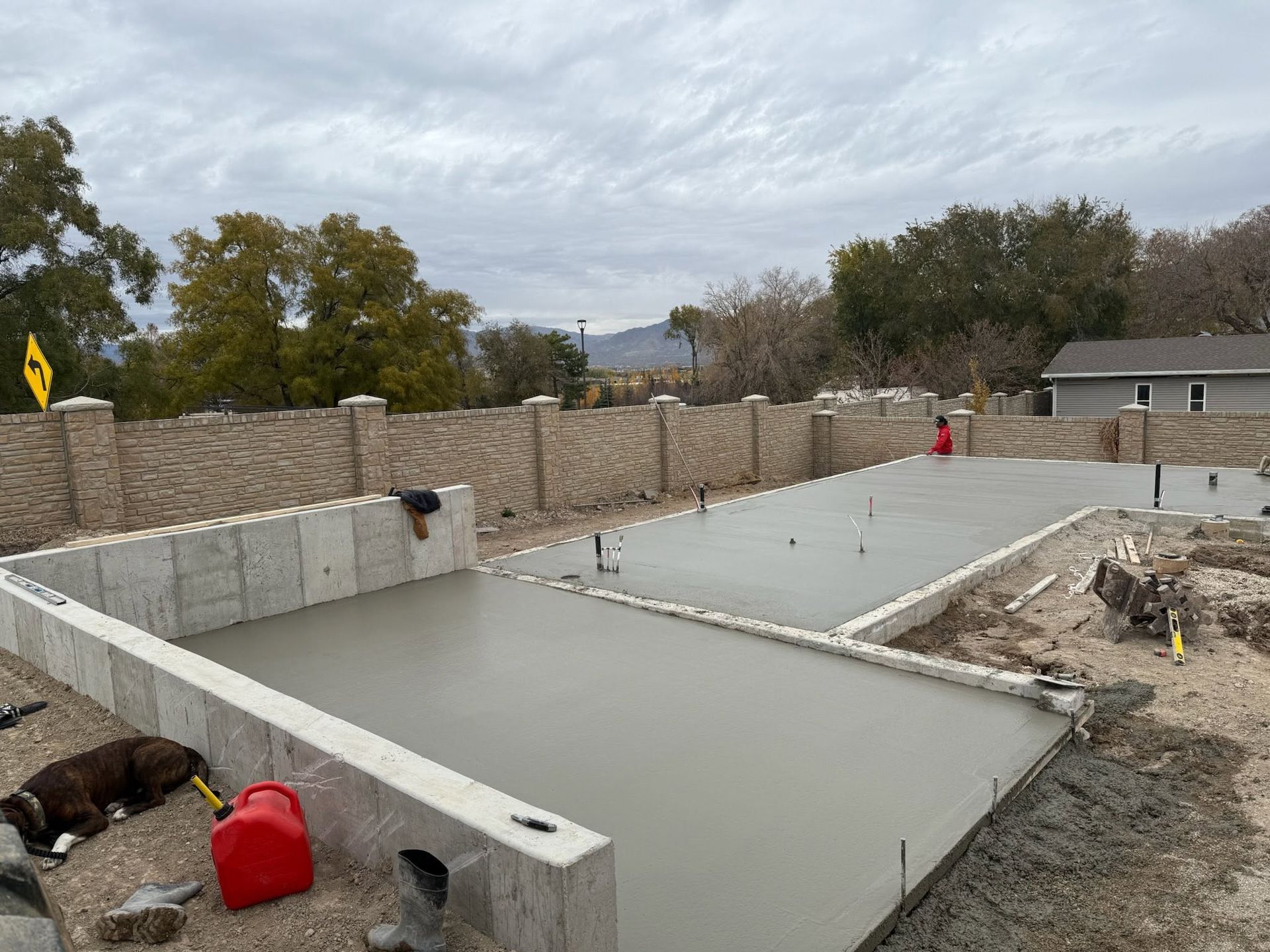
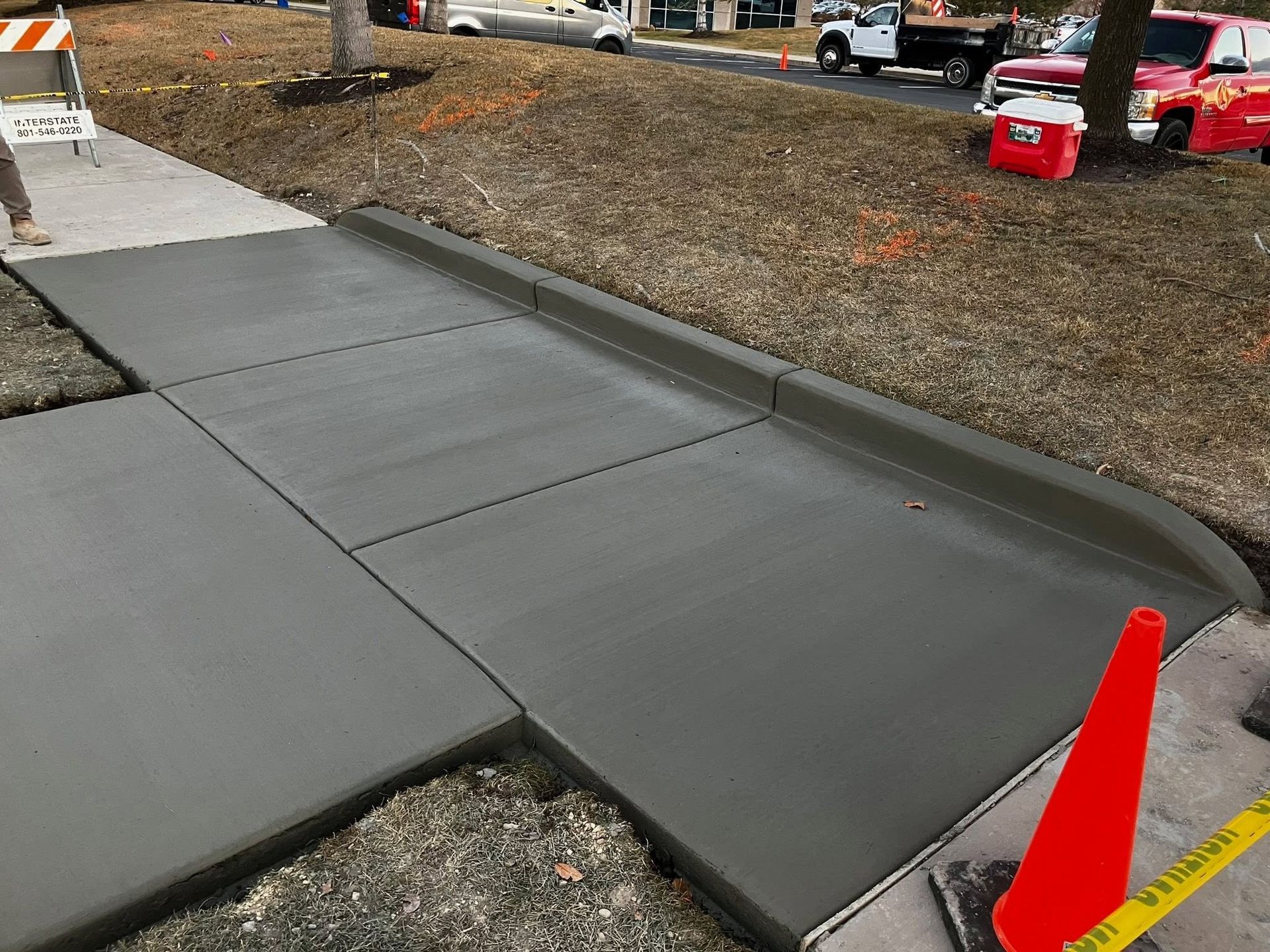
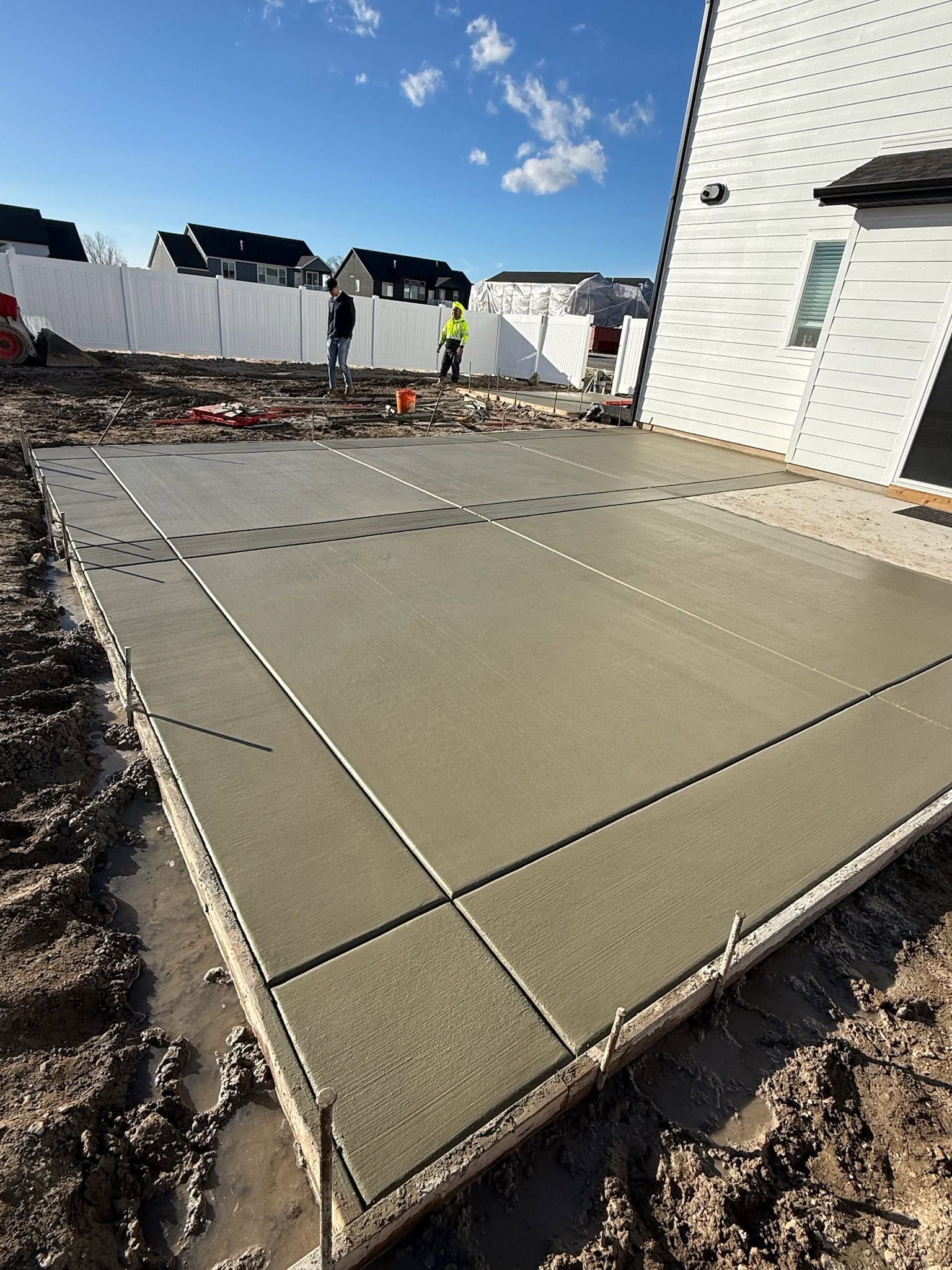
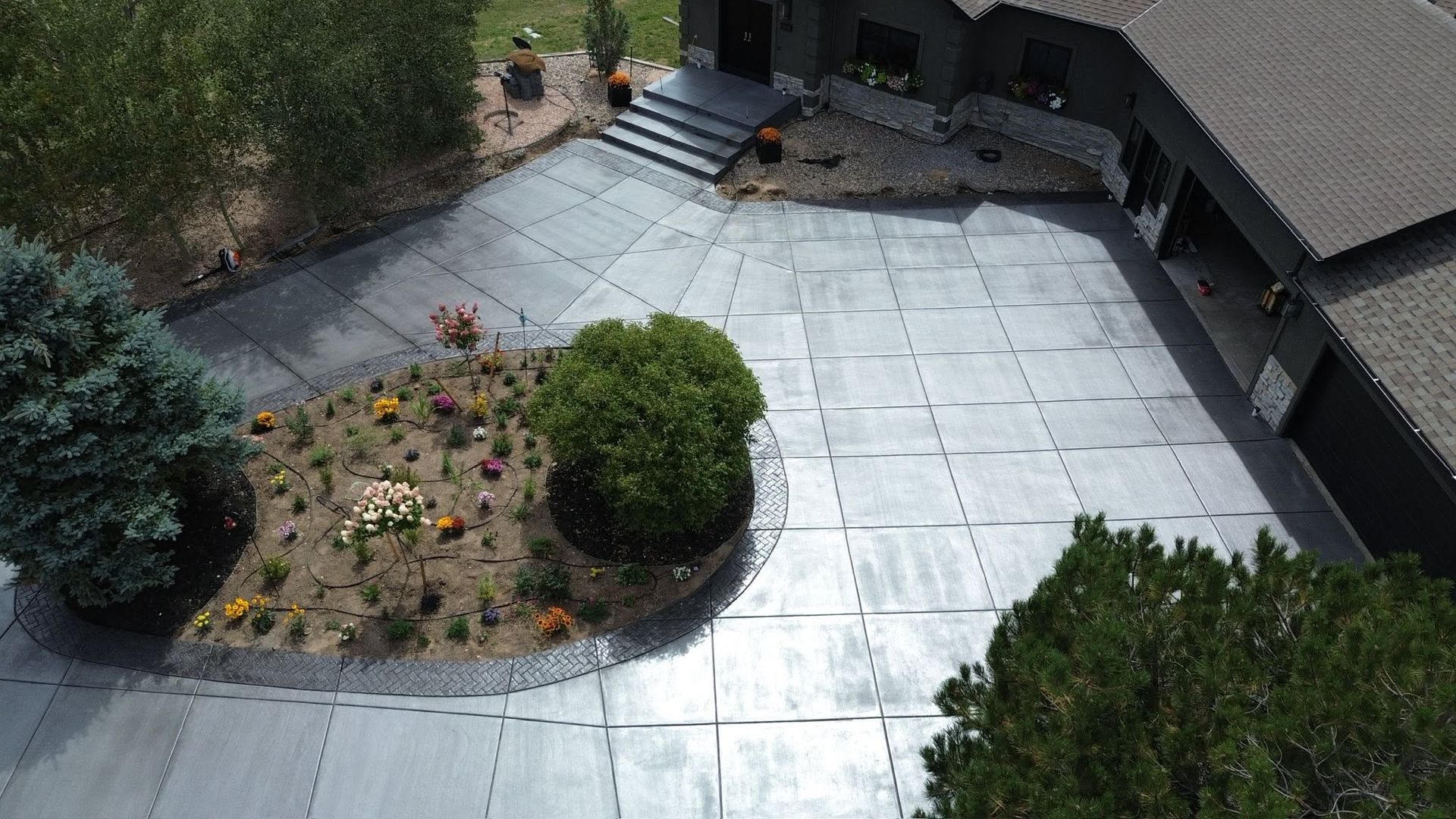
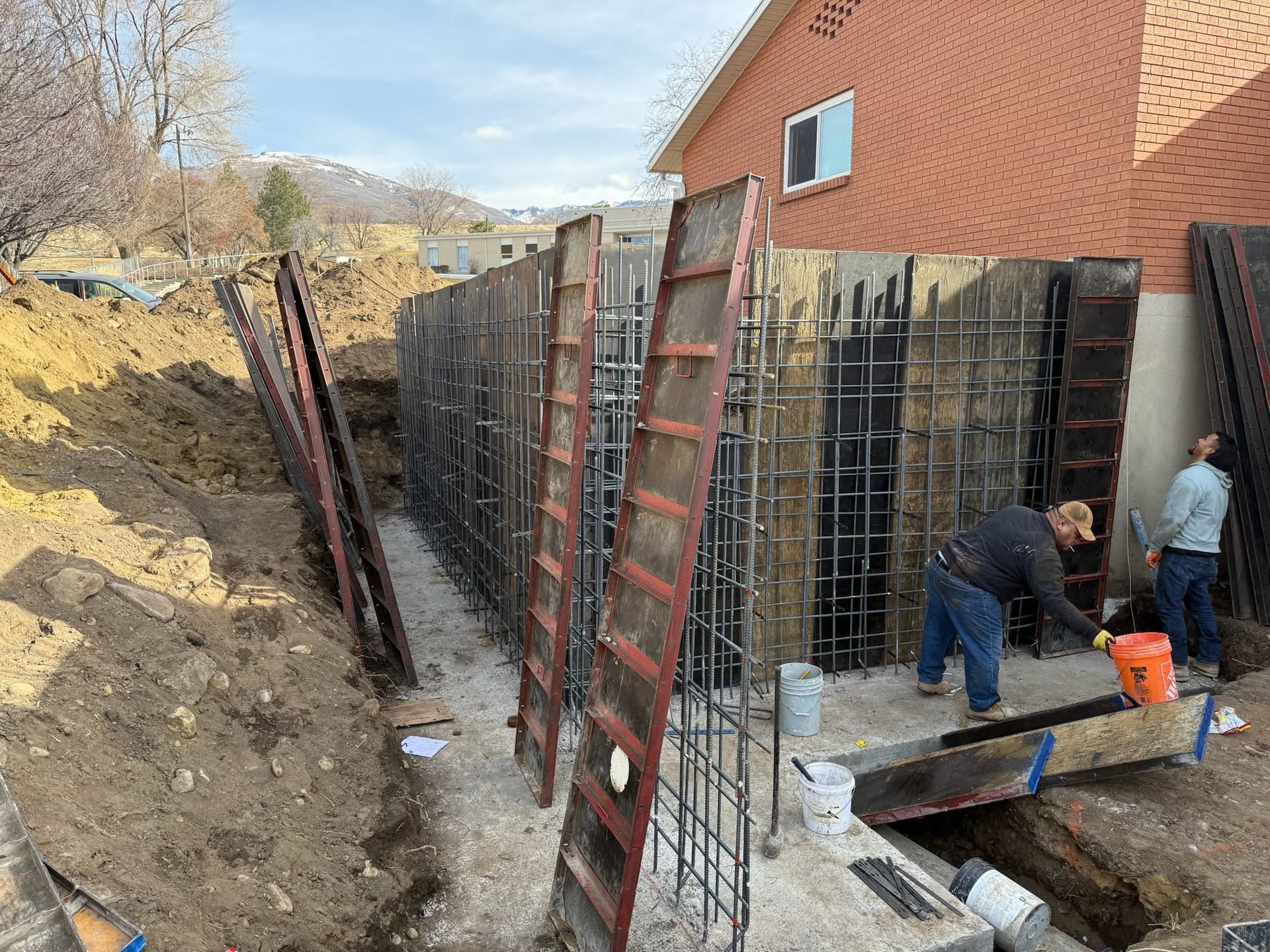
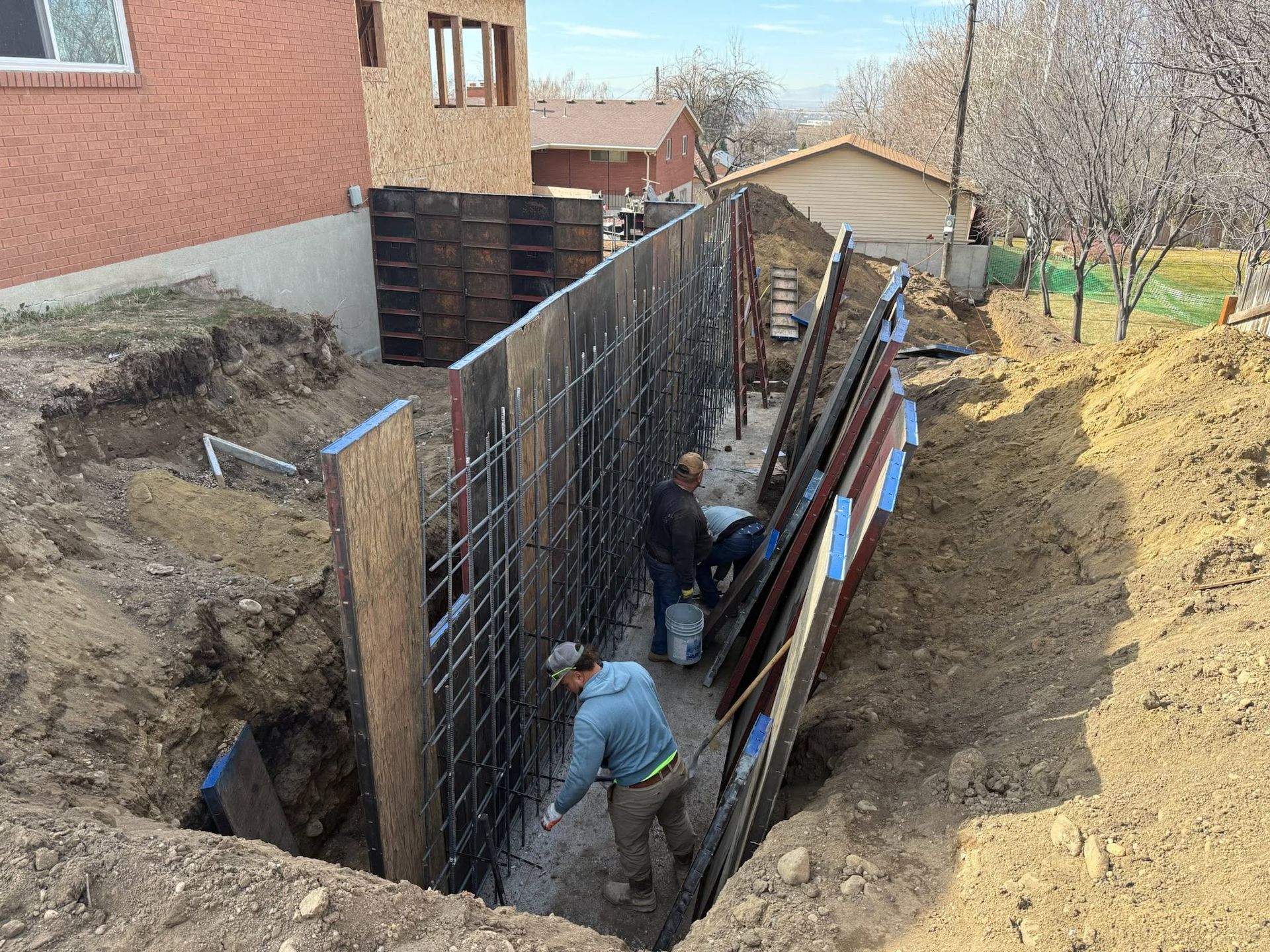
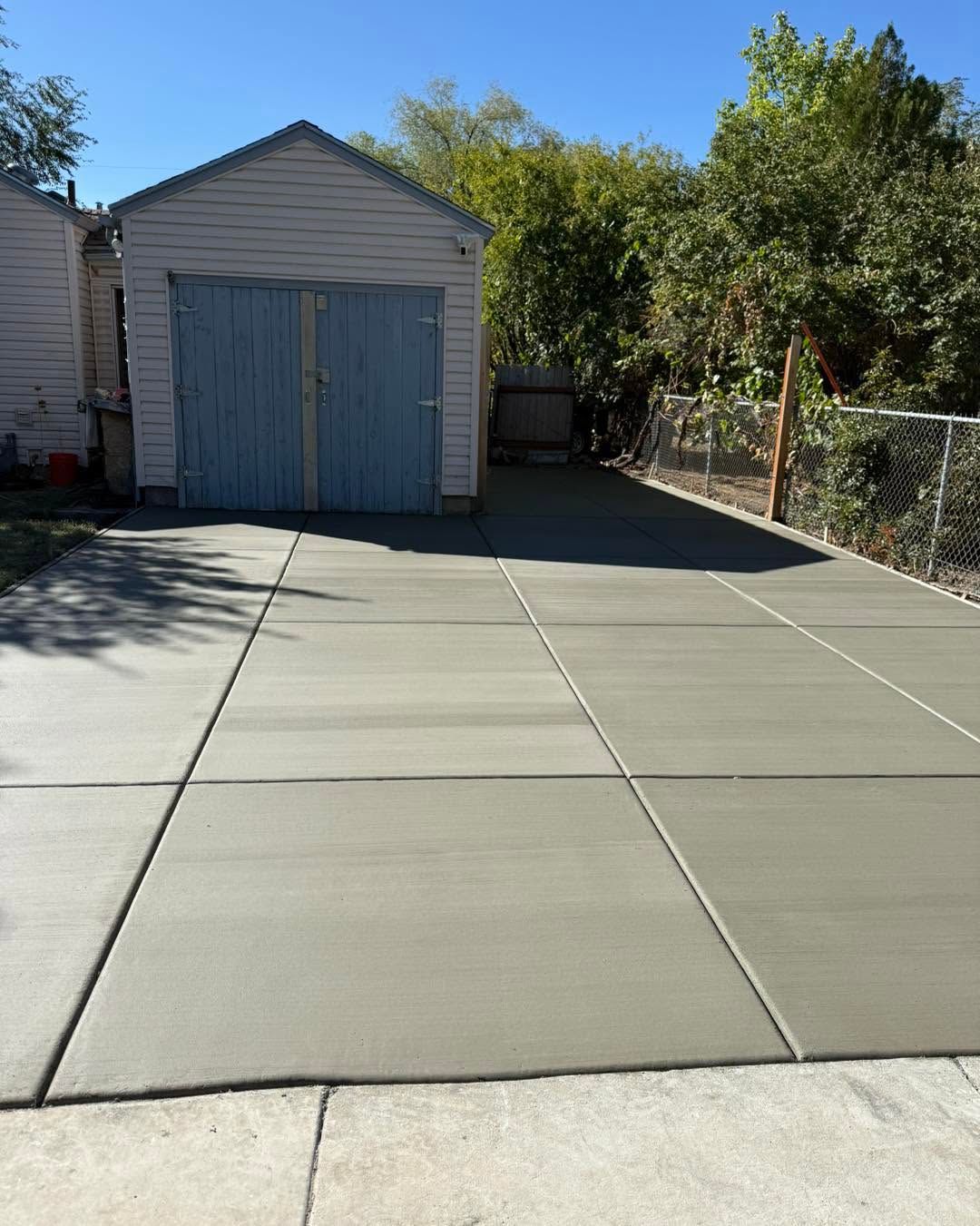
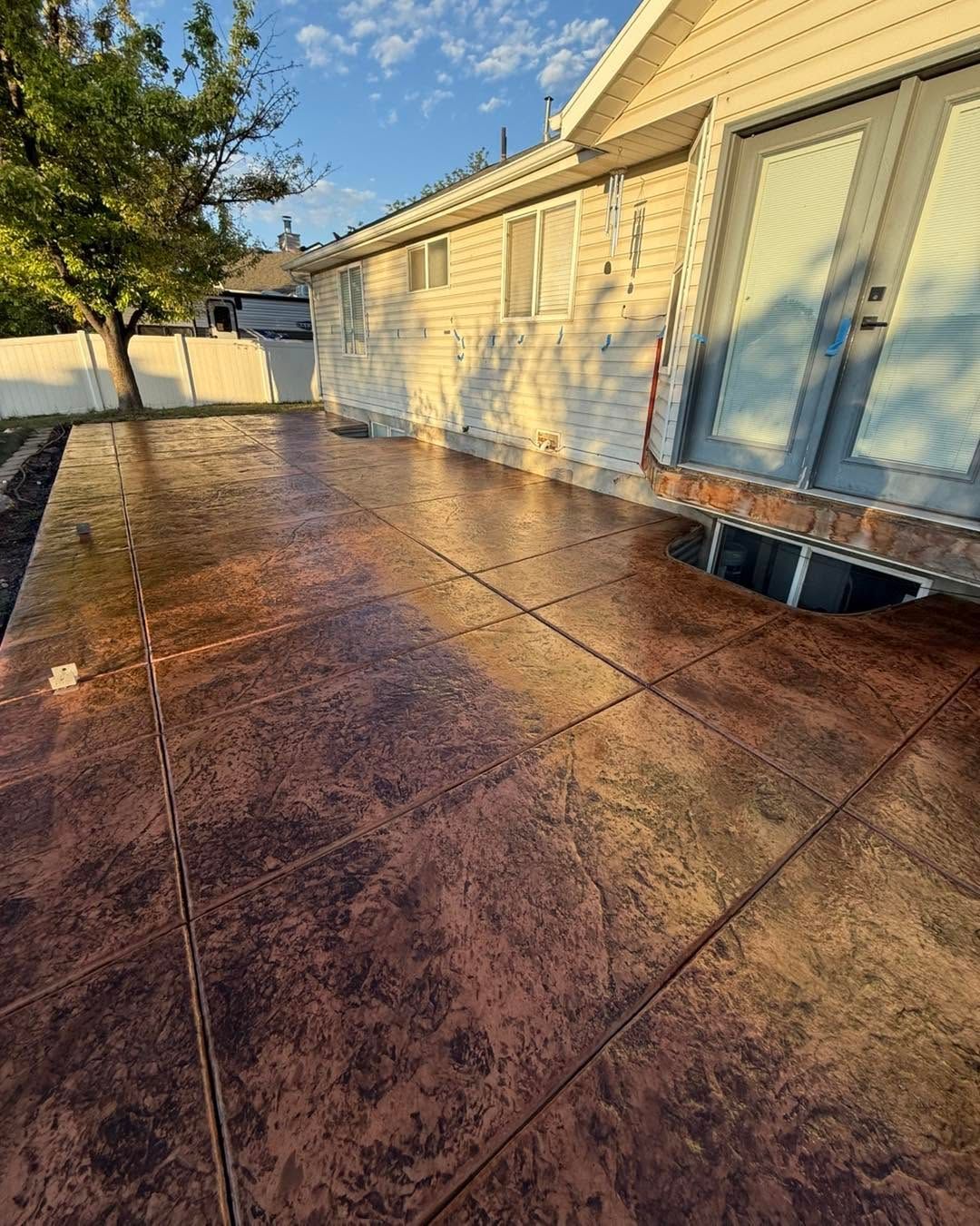
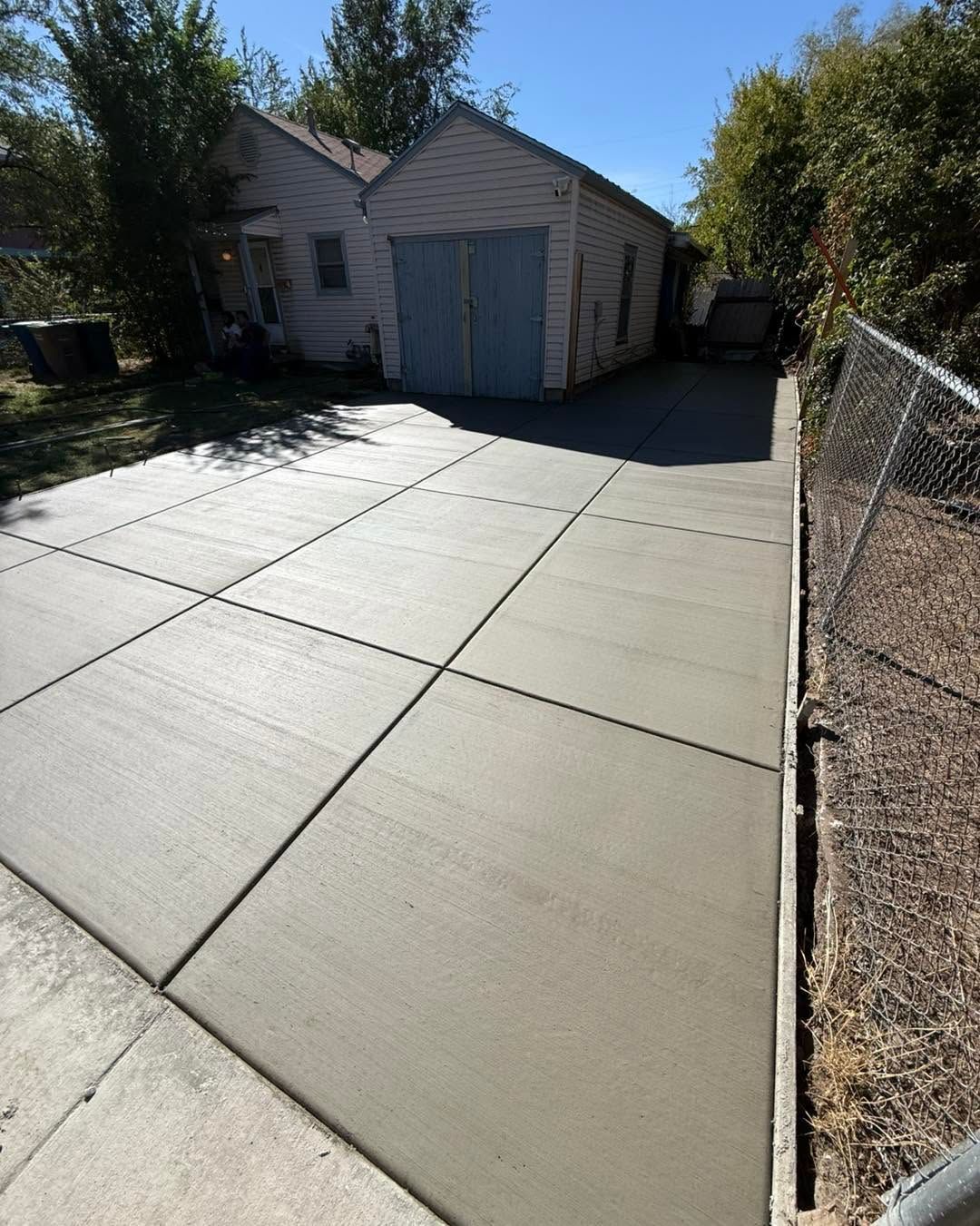
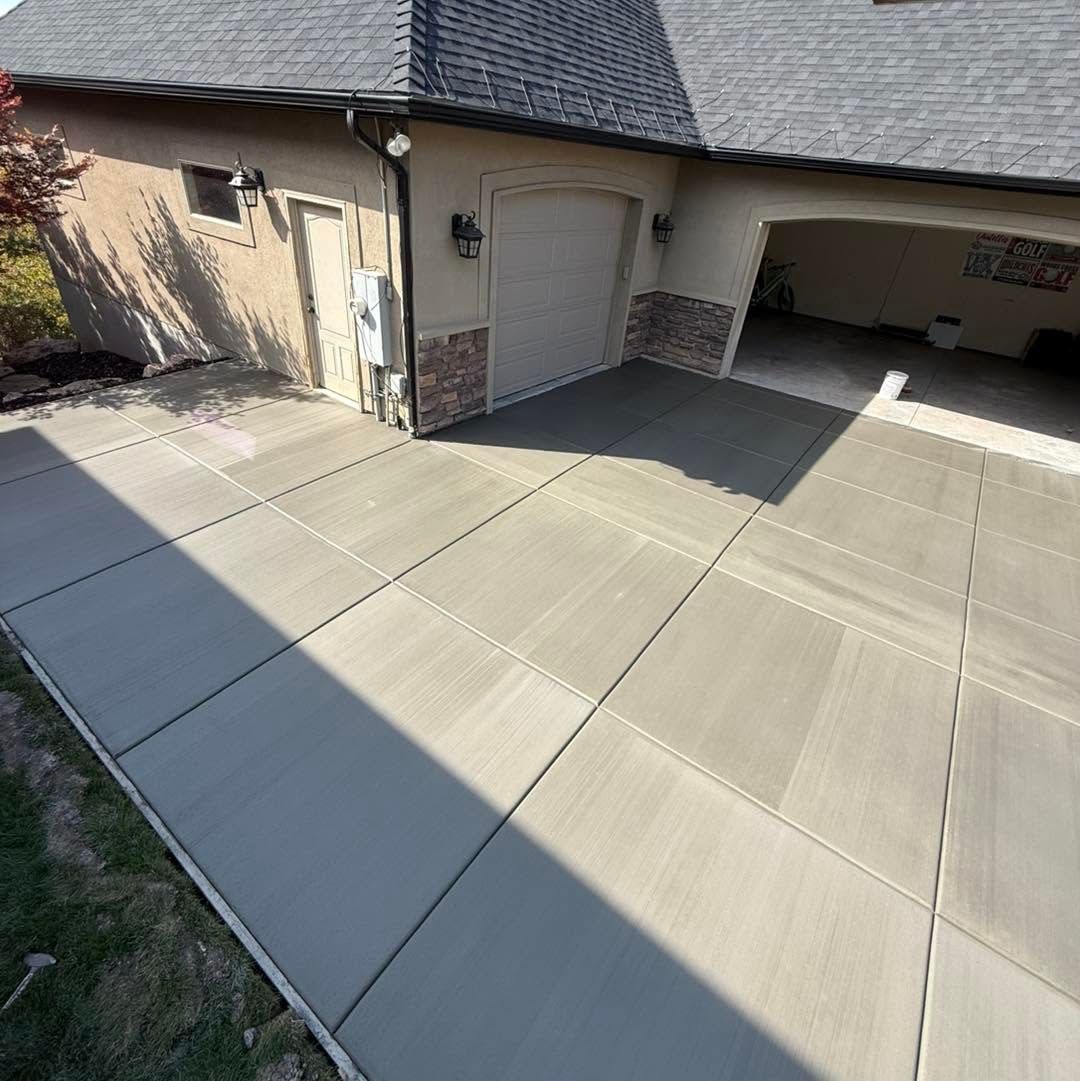
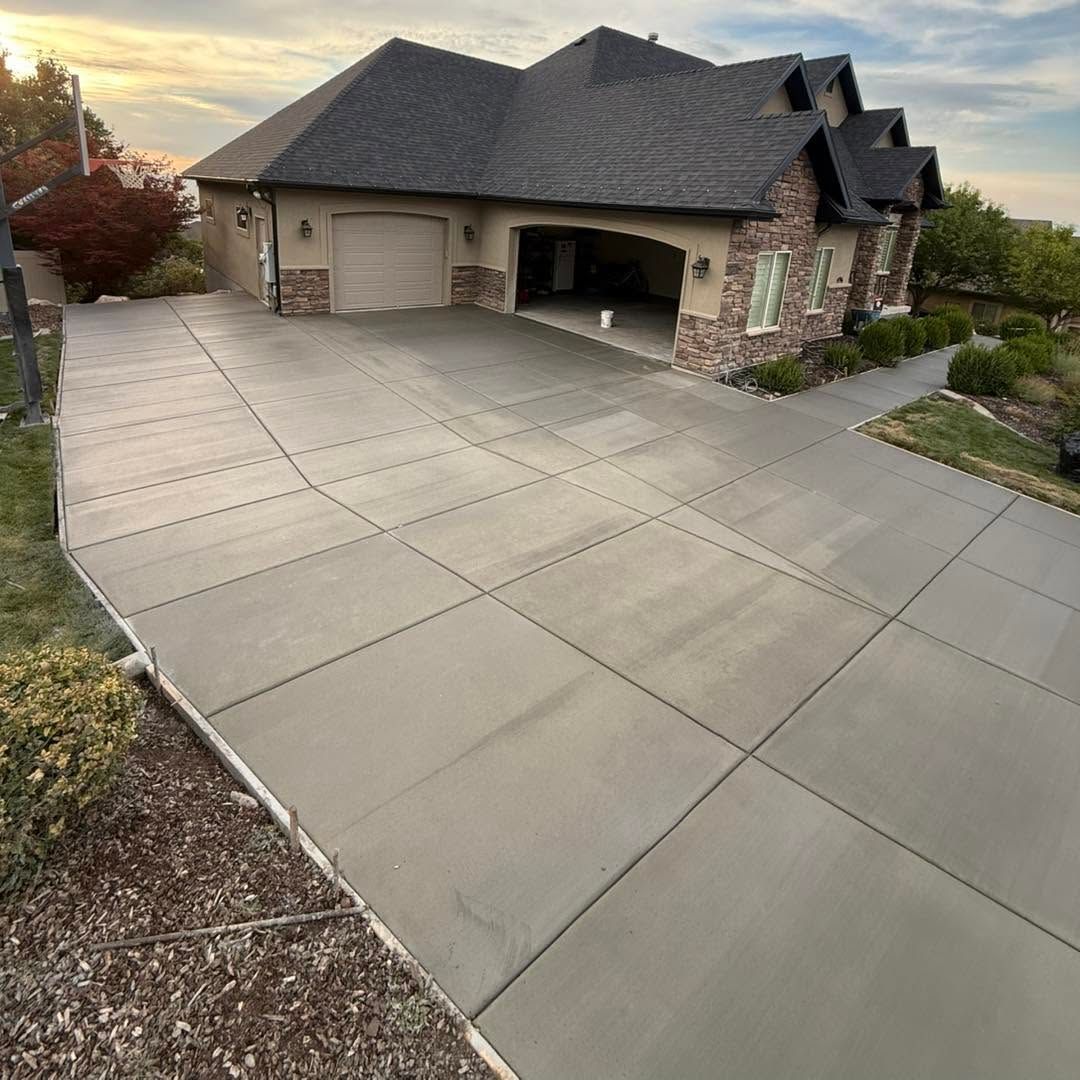
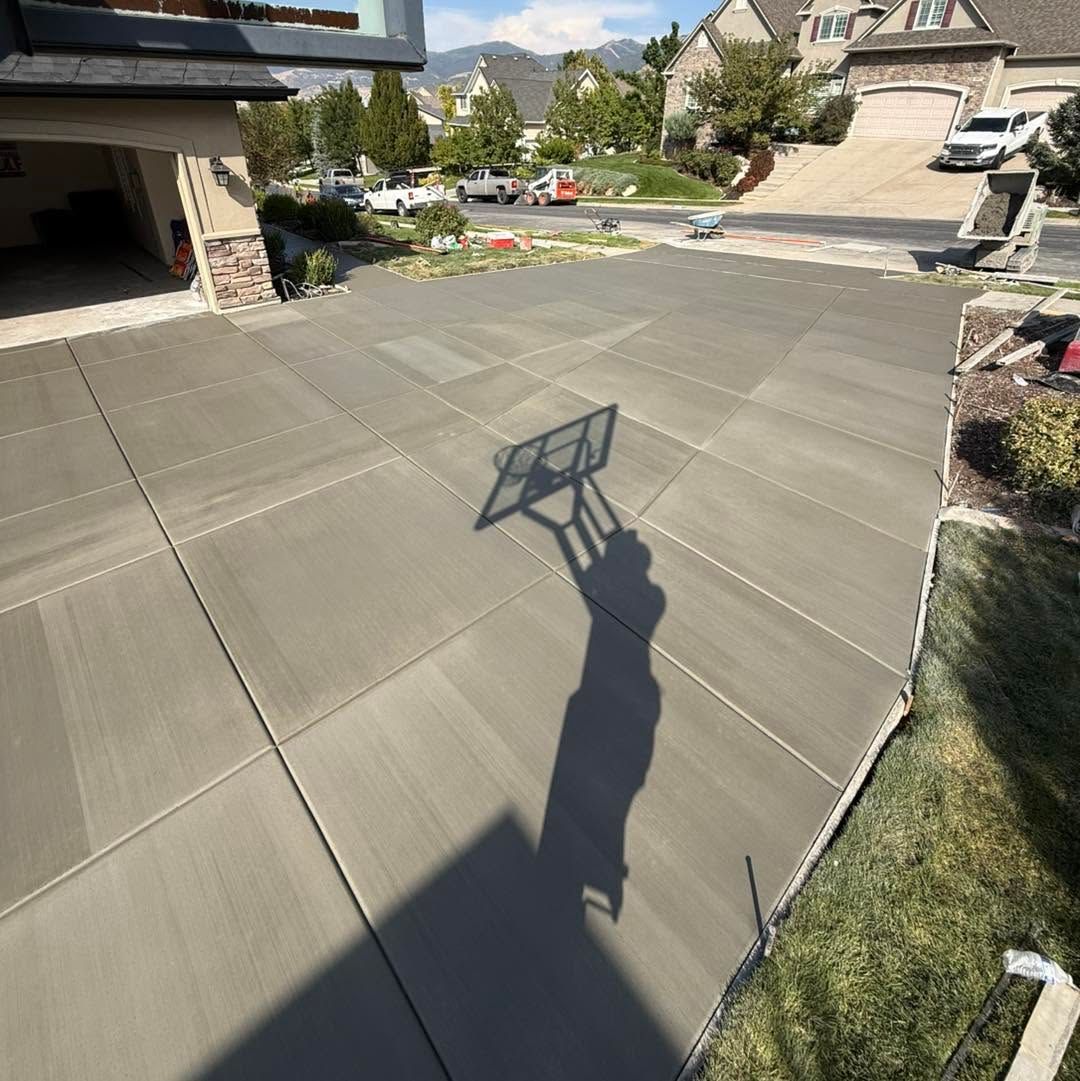
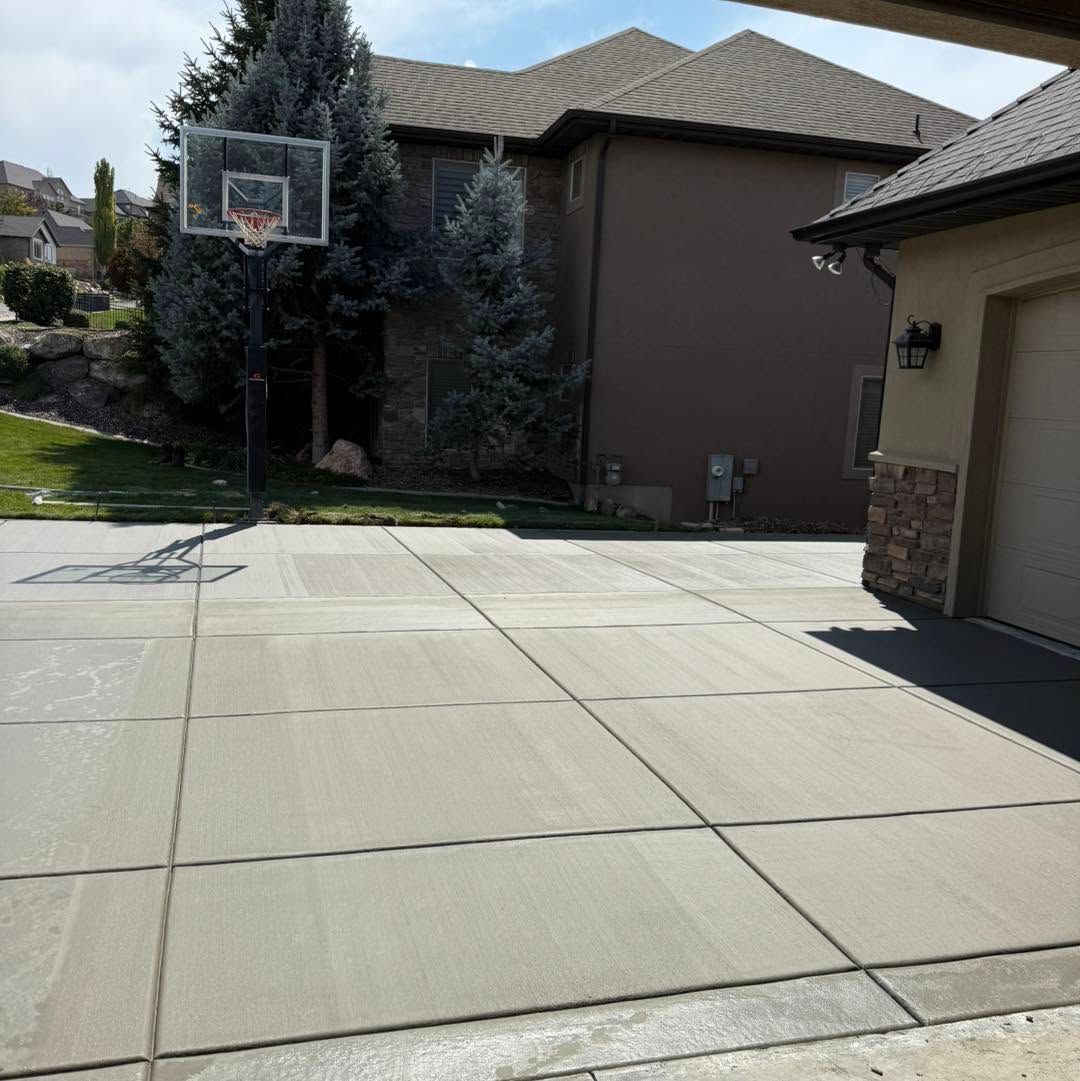
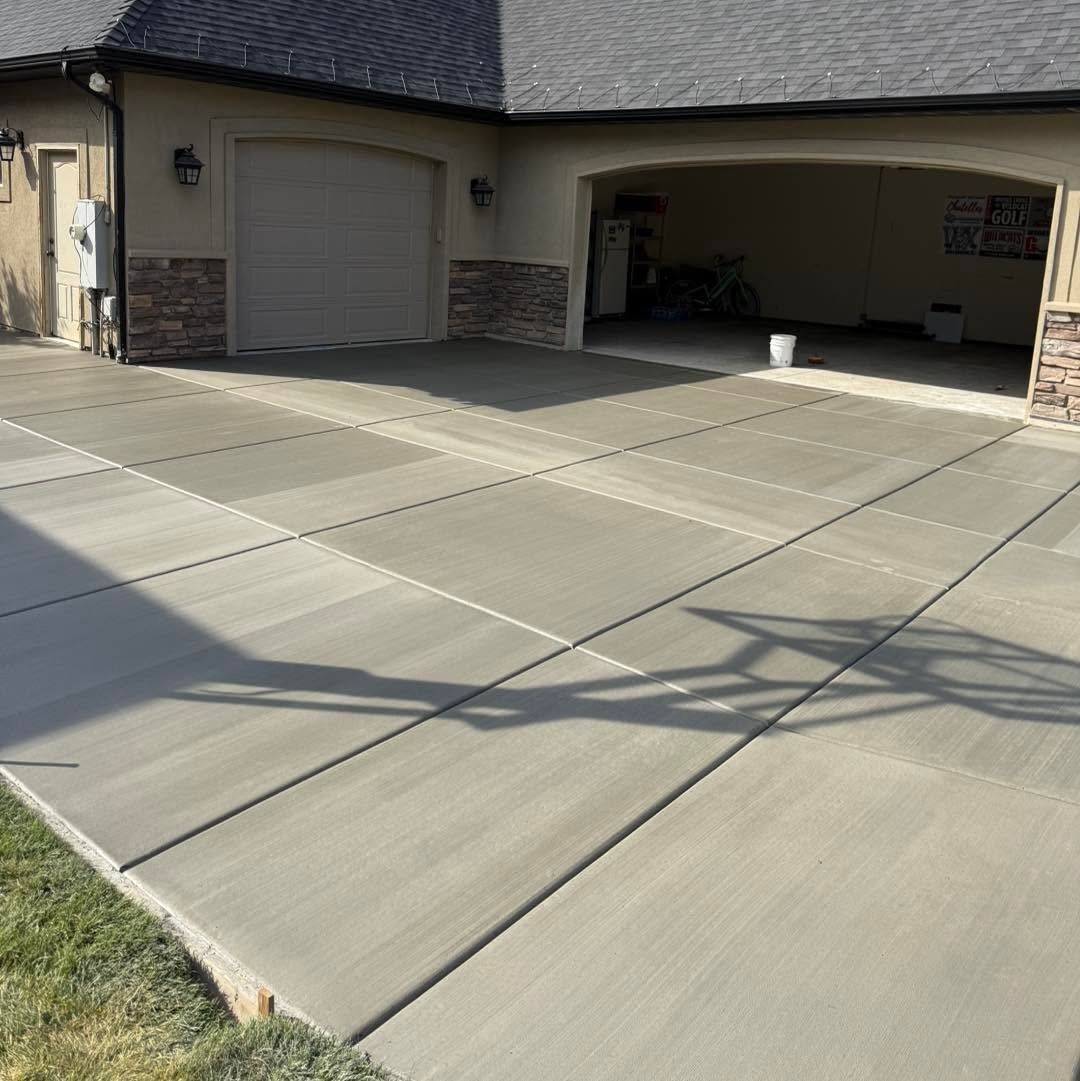
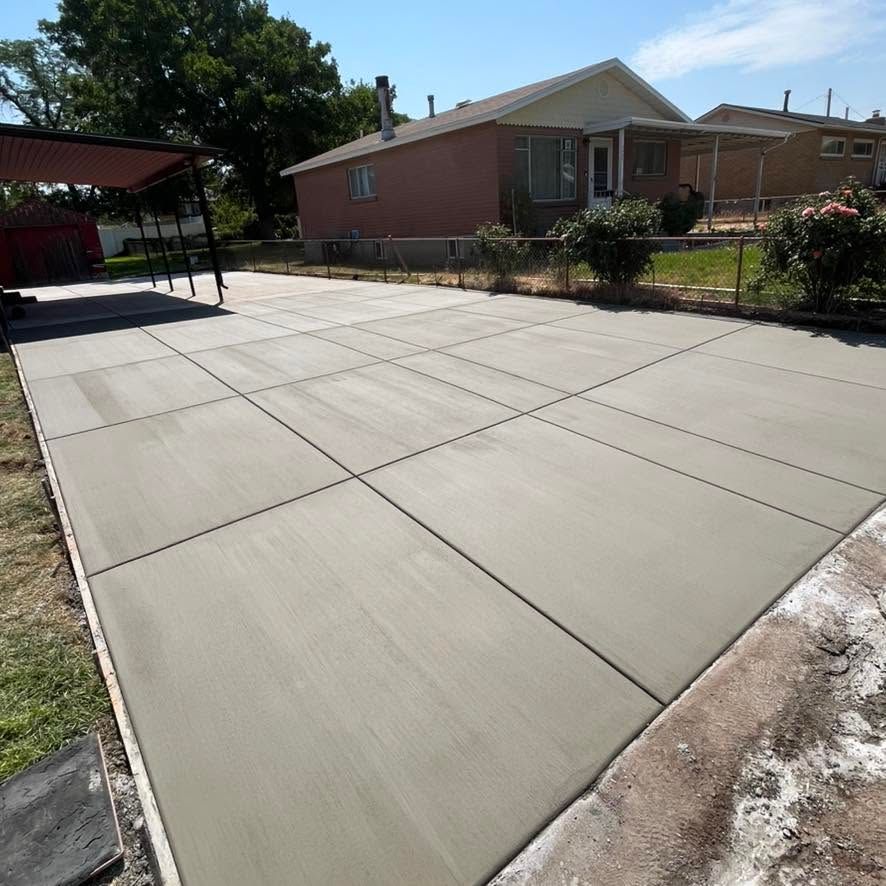
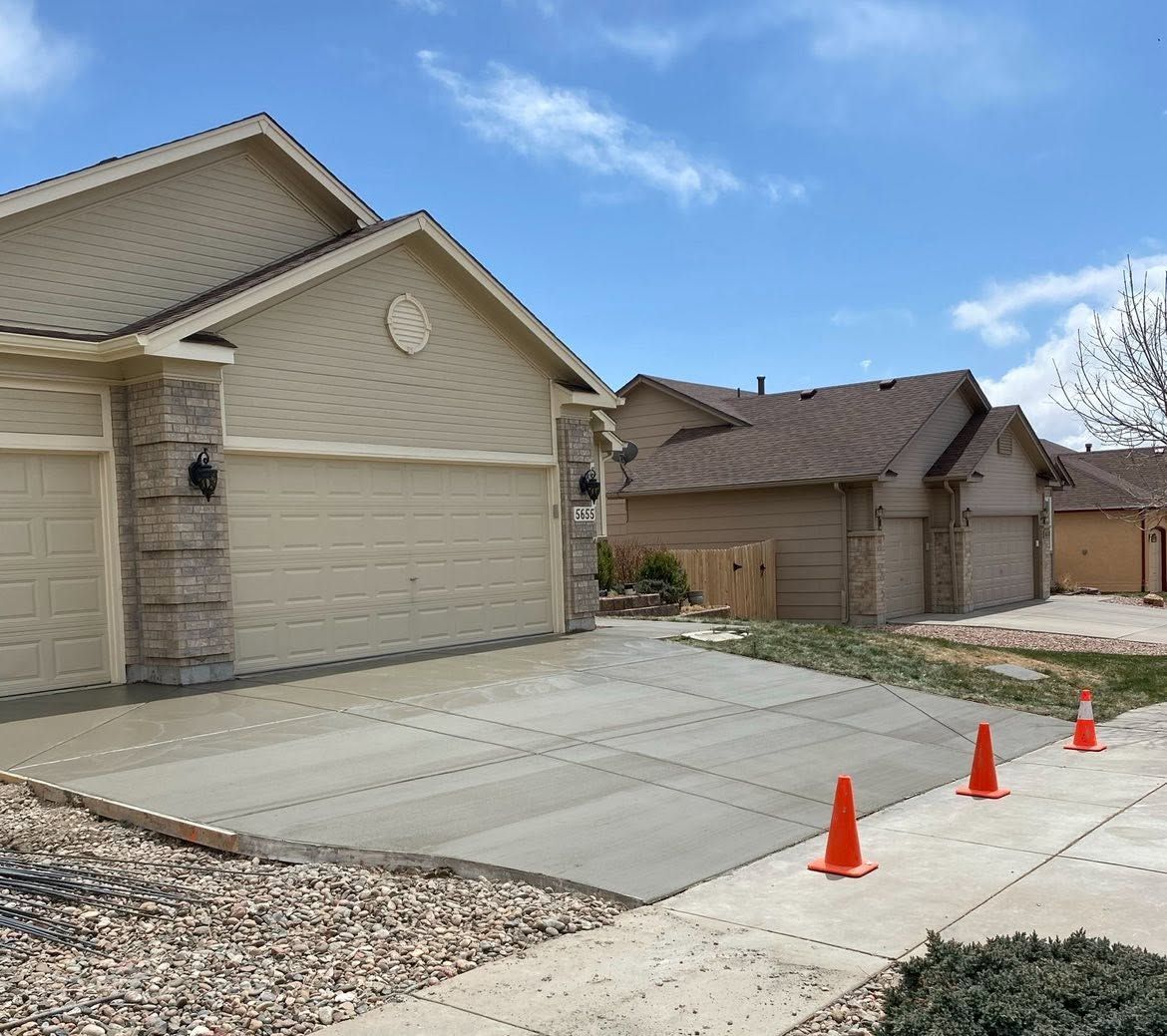
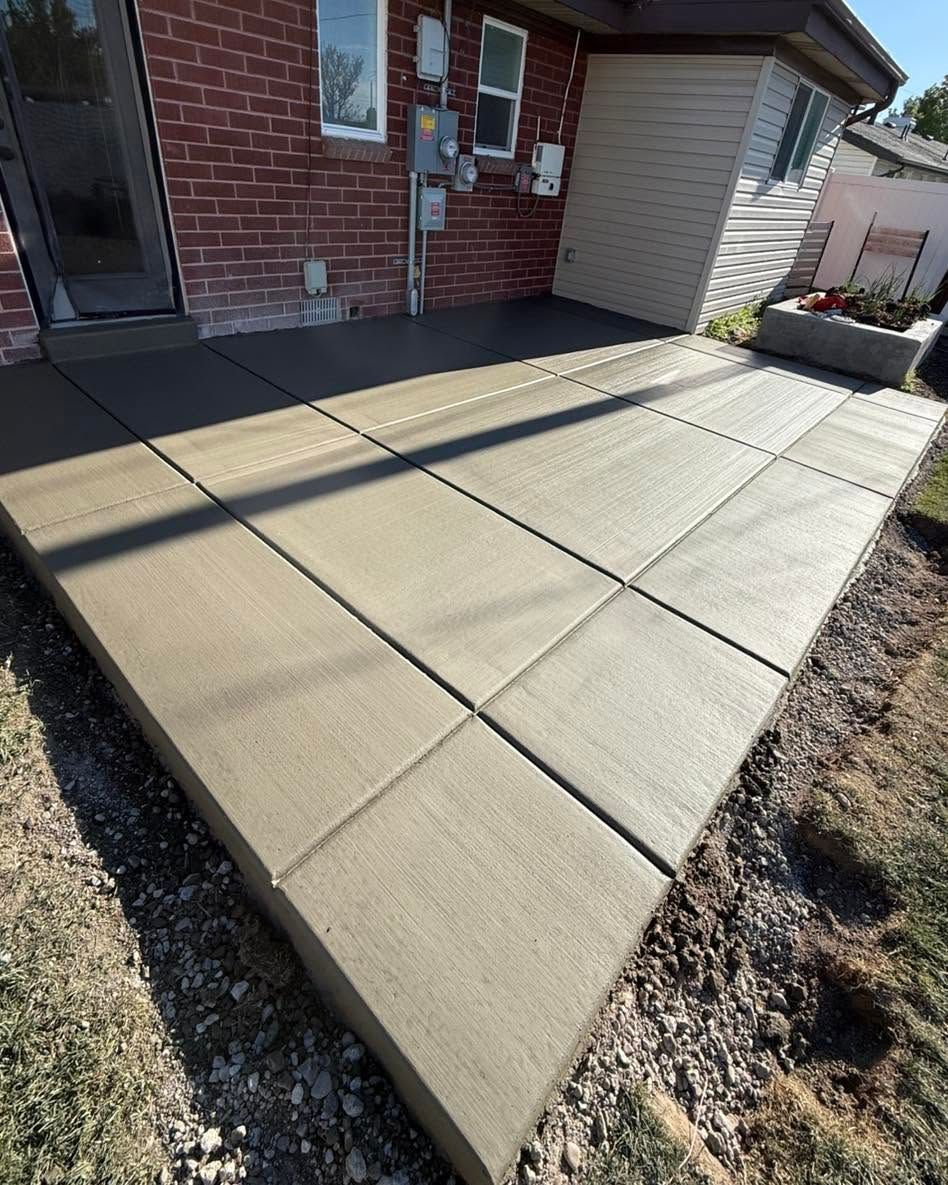
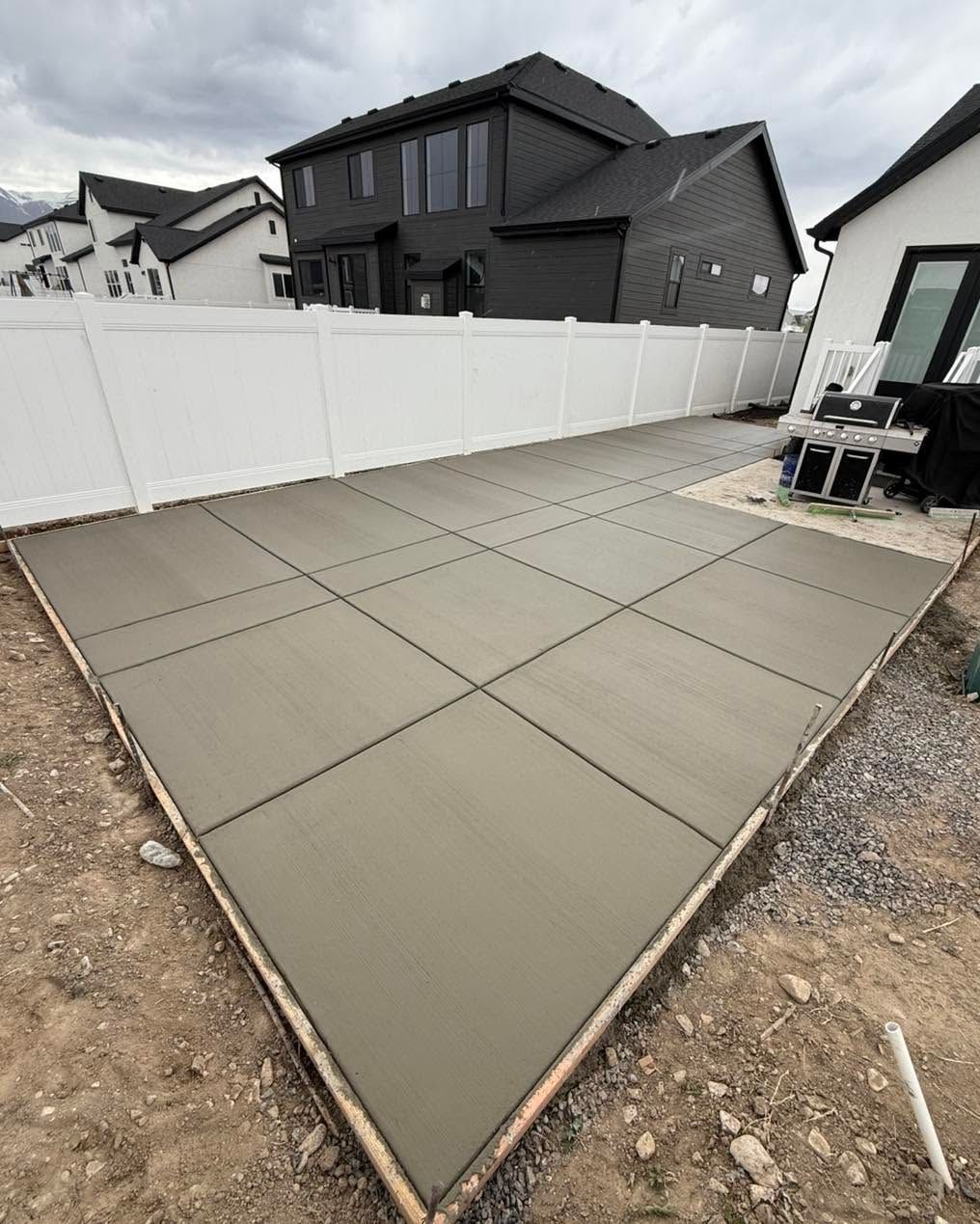
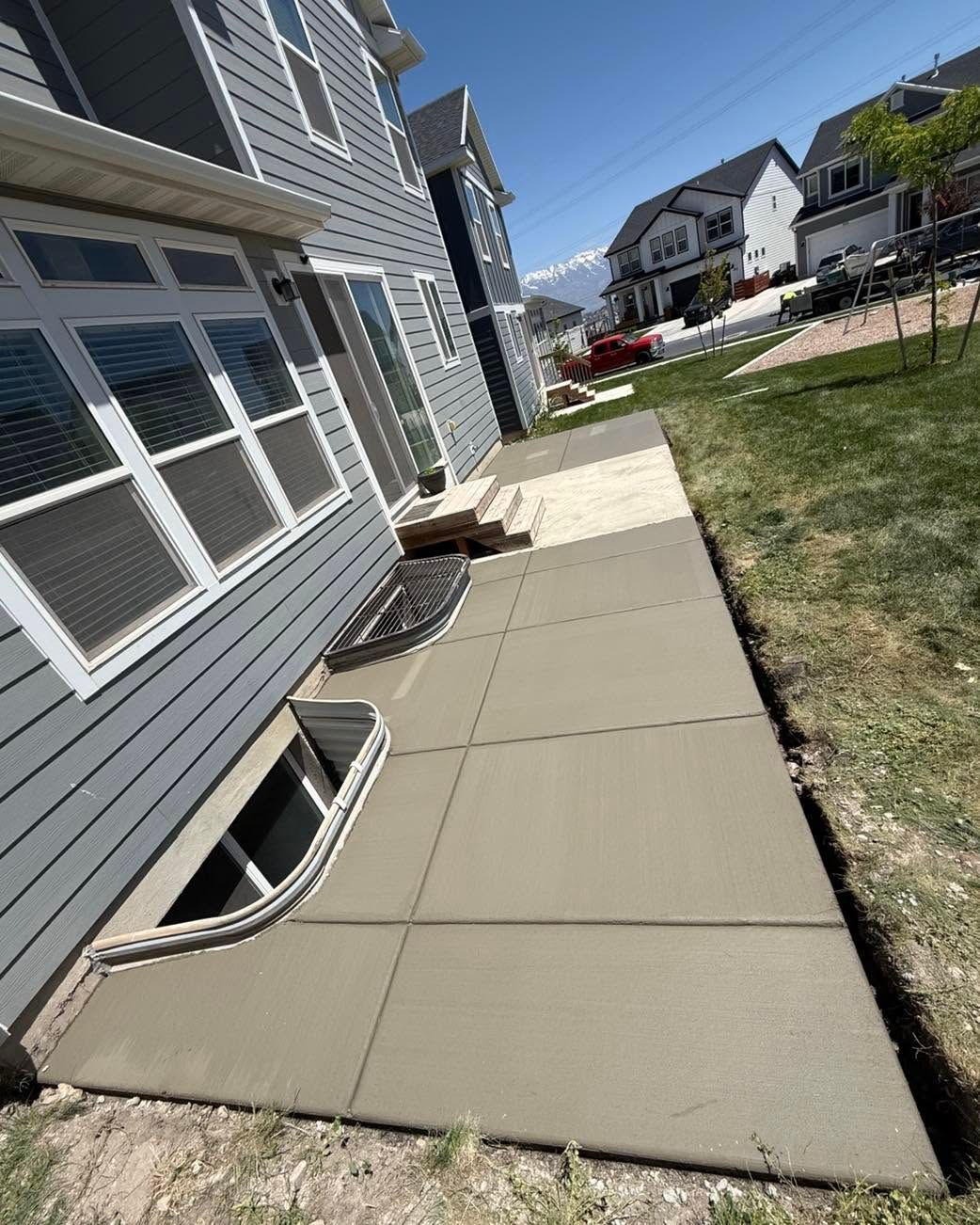
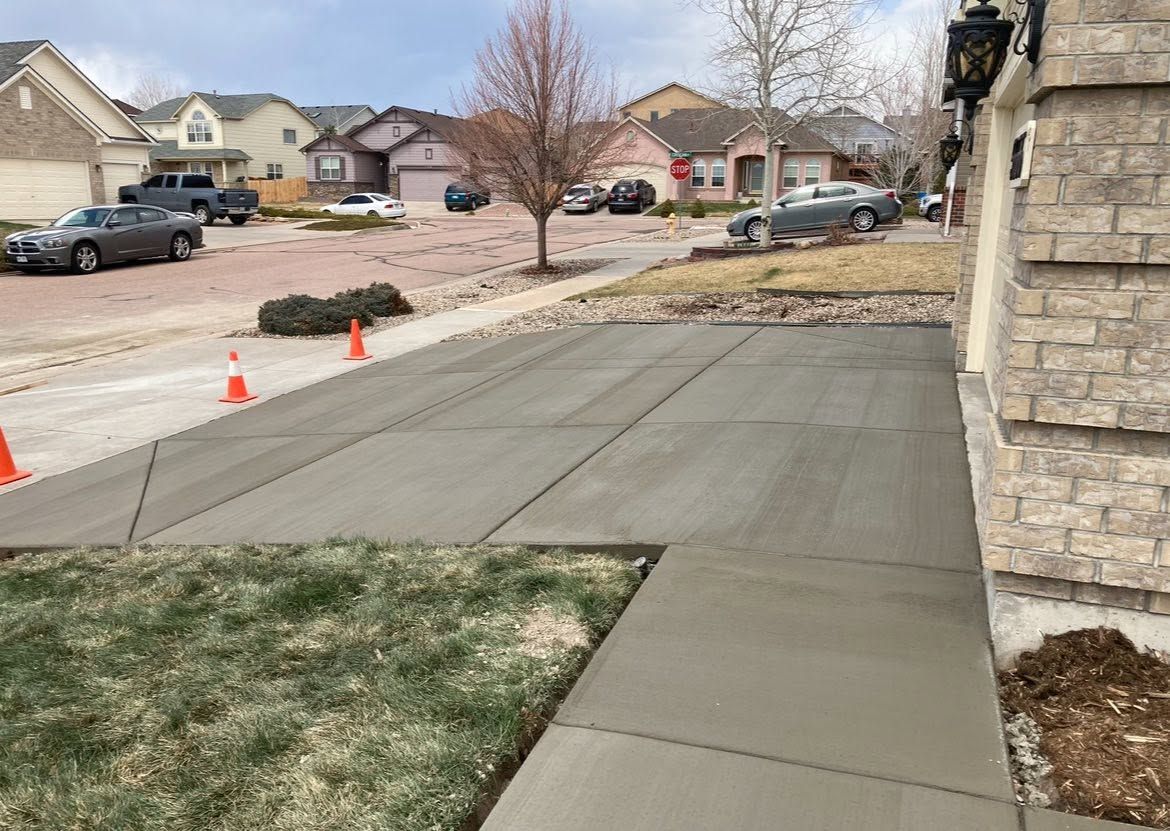
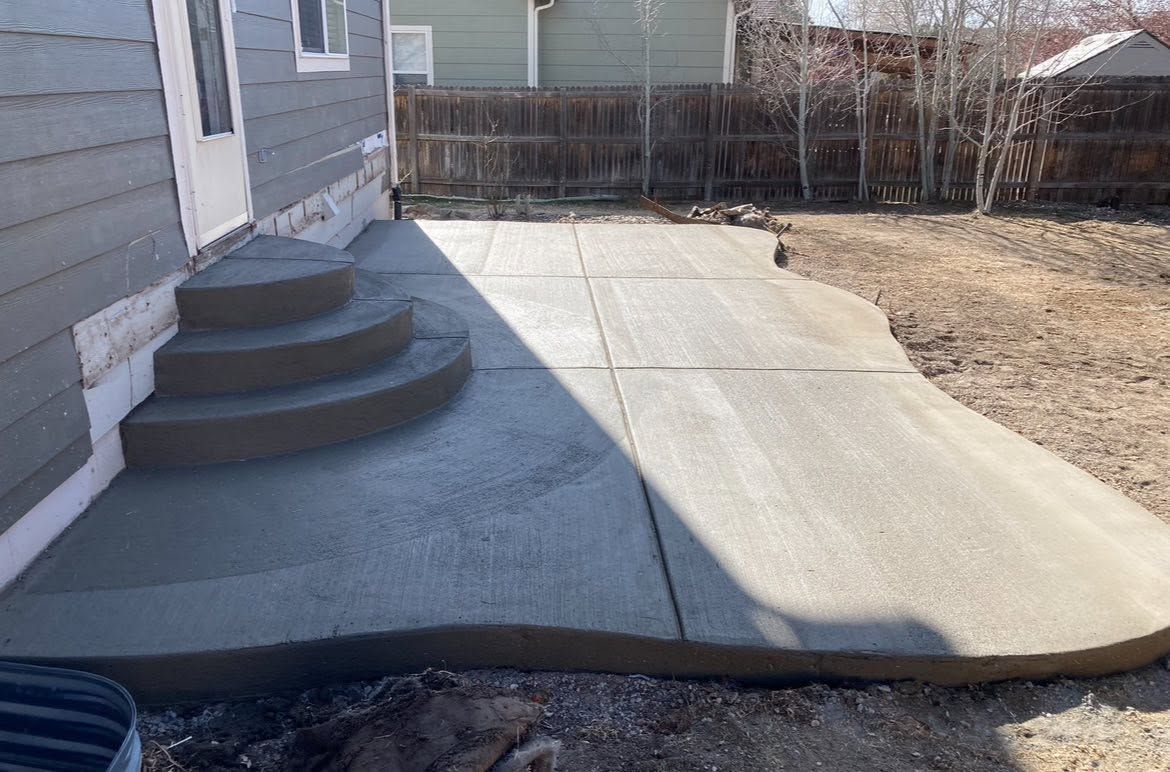
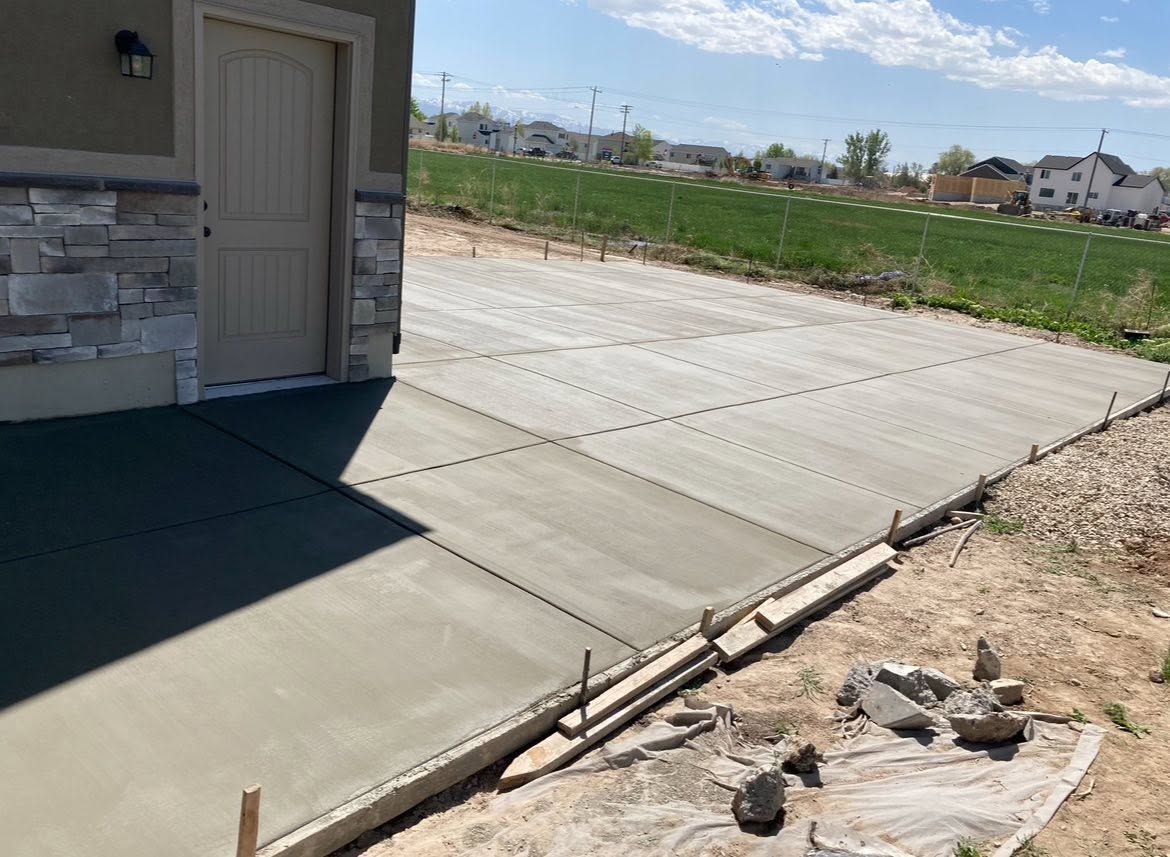
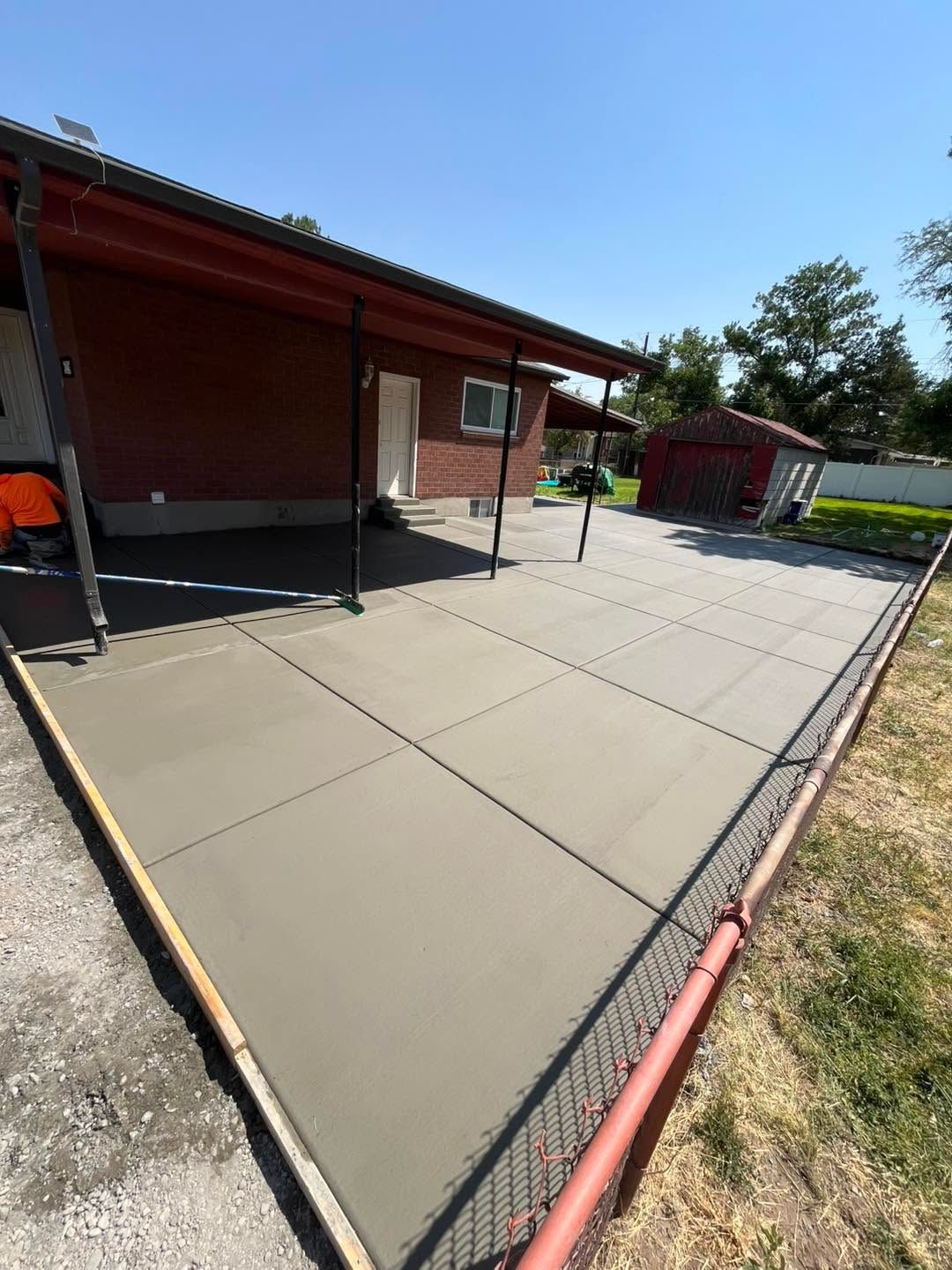
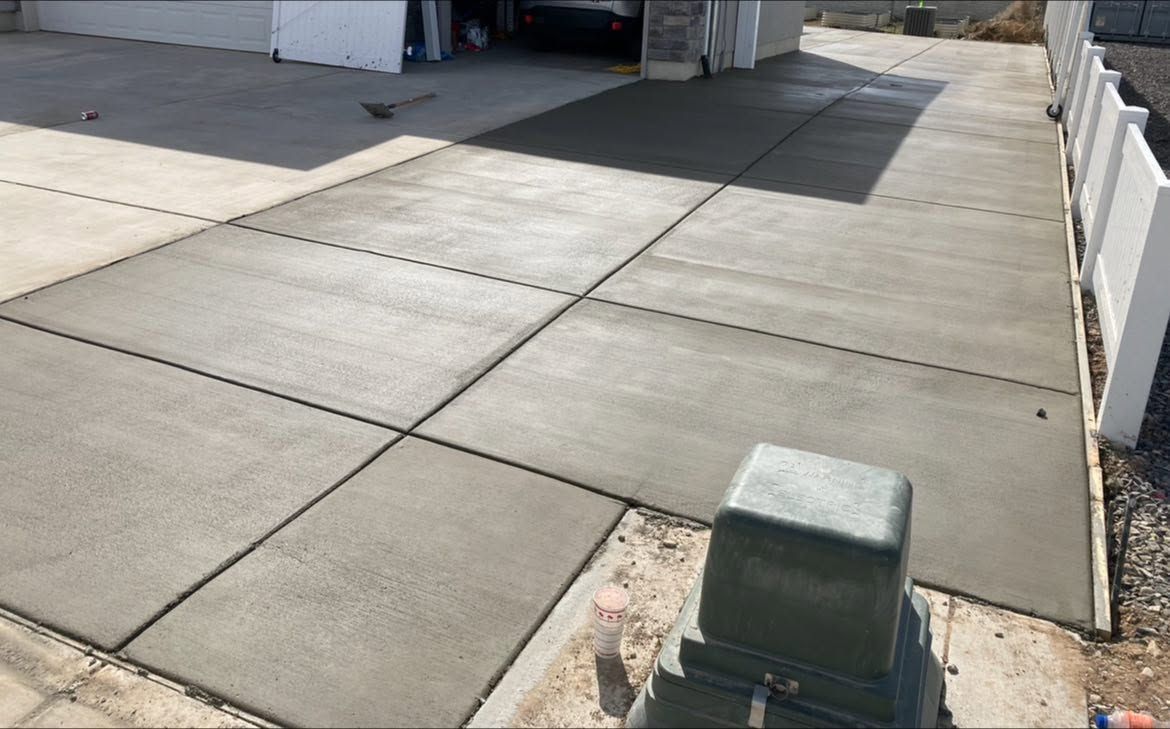
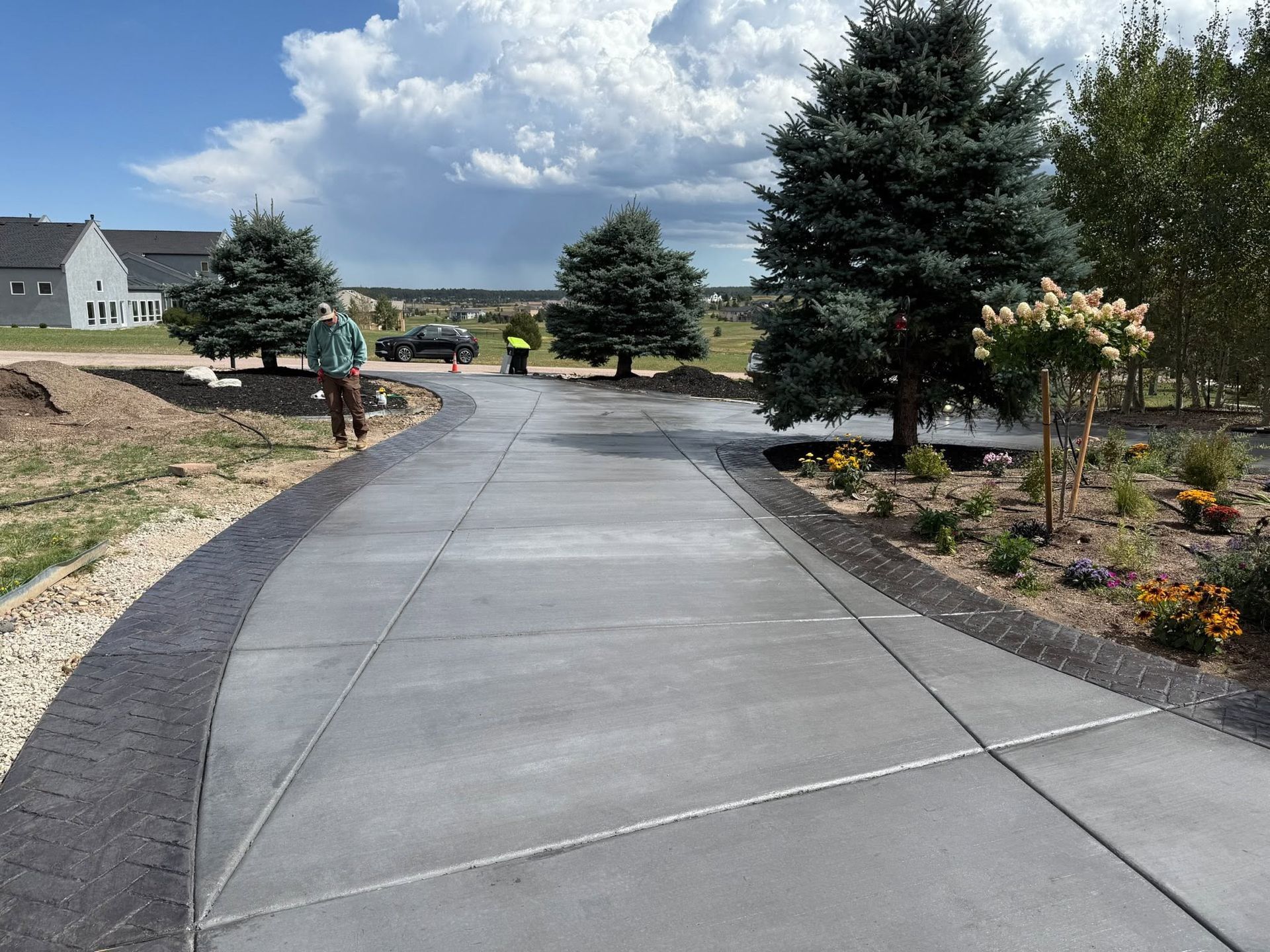
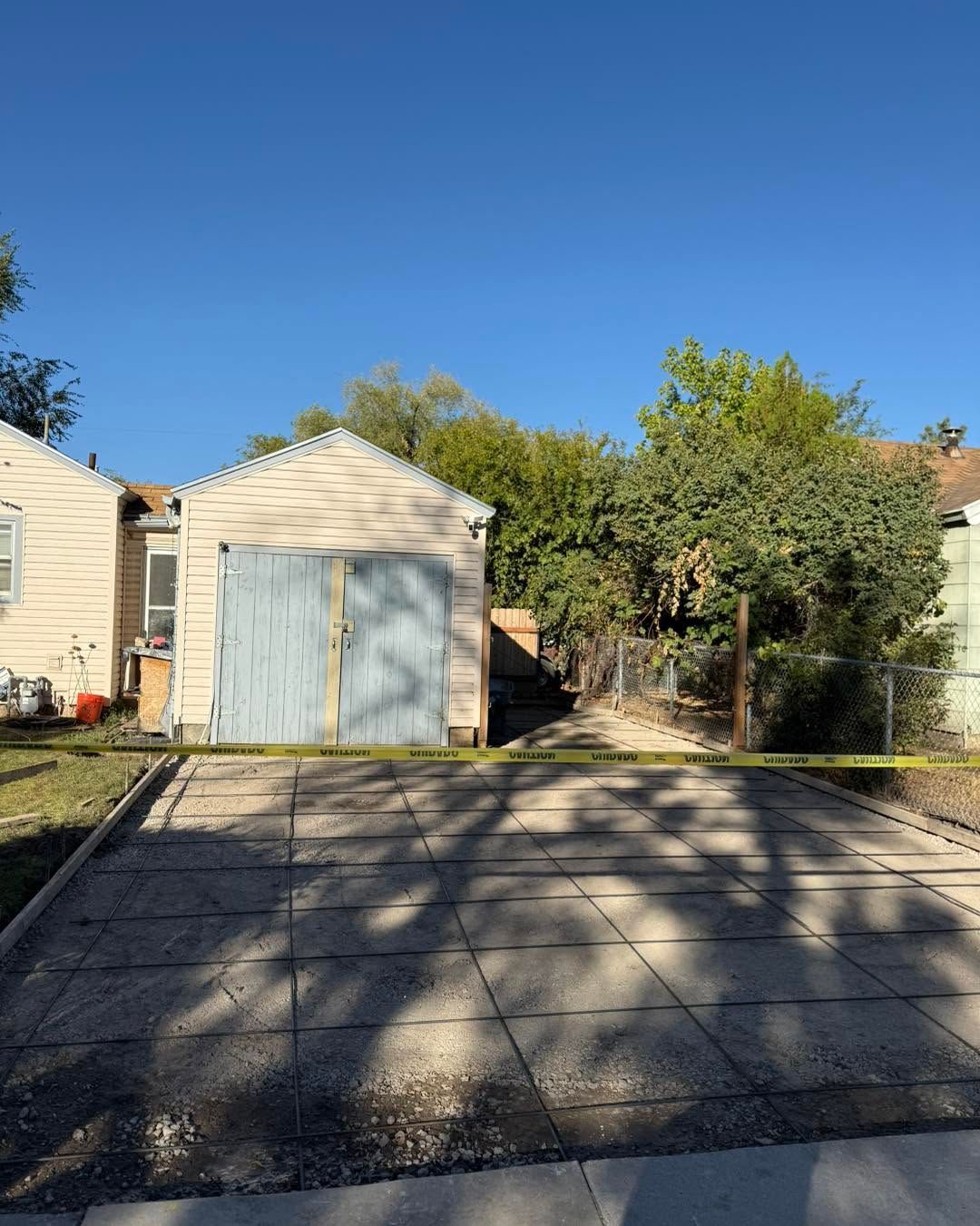
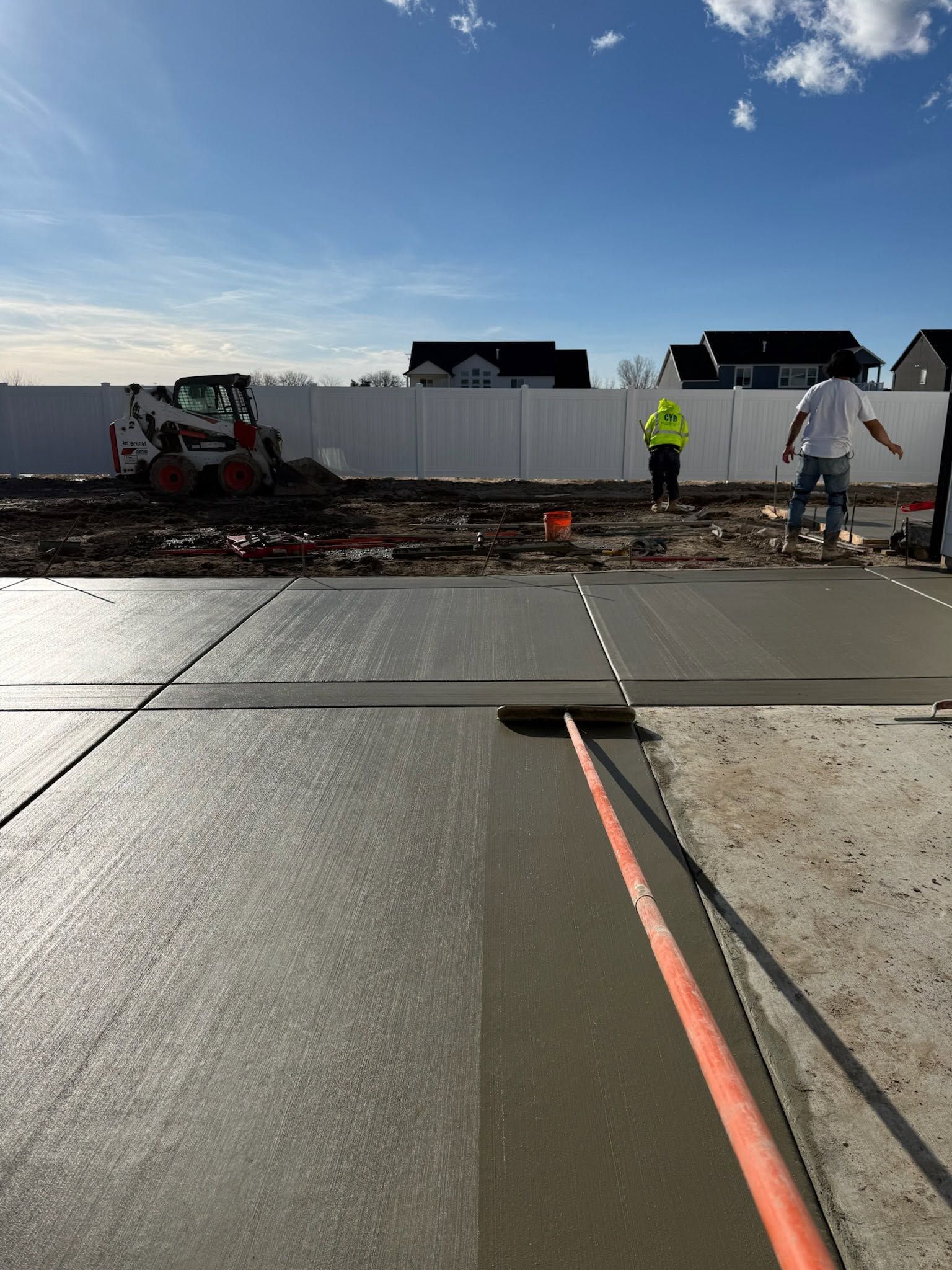
Sidewalk, walkway, and step work completed across Salt Lake City and the surrounding areas. Browse the gallery for inspiration, then tell us what you have in mind for your property.


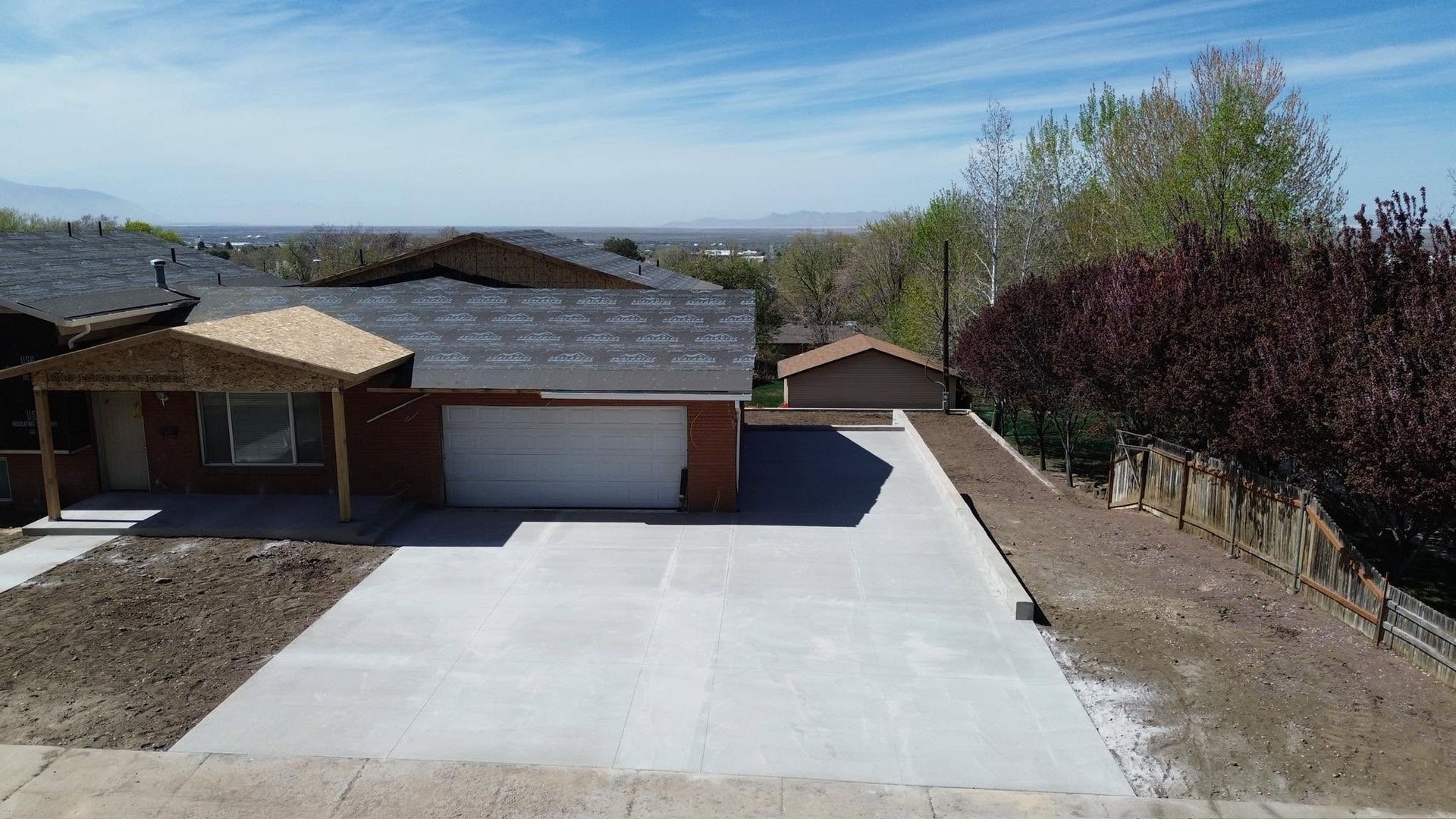
Areas We Serve
Nela Concrete proudly installs sidewalks and walkways throughout Salt Lake County and Utah County. Click below to explore our complete service area coverage and see whether we work in your location.
FREQUENTLY ASKED QUESTIONS
Sidewalk and walkway work raises questions about cost, responsibility, and permitting that most property owners have never had to think about. Below are the ones we answer most often.
Do I need a permit for sidewalk work?
For a walkway sitting entirely inside your property line, usually not. For anything in the public right of way, including a street frontage sidewalk, a driveway approach, or a curb cut, a permit is normally required and the work must meet city dimensions and specifications. Requirements differ between cities across Salt Lake County and Utah County. We identify which category your project falls into before the schedule is set.
Can you replace just one section instead of the whole sidewalk?
Yes, and often that is the right call. Concrete sidewalks are poured in panels precisely so individual sections can be lifted and replaced without disturbing the rest. We saw cut the failed panel, remove it, correct whatever caused the failure underneath, and pour a replacement matched to the elevation of the panels either side. The one honest caveat is that new concrete will not match the color of weathered concrete exactly, and that difference softens over a season or two.
How thick should a sidewalk be?
Four inches over a properly compacted base is the standard for a walkway carrying foot traffic. Where vehicles will cross the surface, such as a driveway approach or a path a truck occasionally drives over, we increase thickness and add reinforcement in that section. Public sidewalks are generally governed by city specification rather than by preference, so we build those to whatever the jurisdiction requires.
Can you fix a sidewalk without replacing it?
Sometimes. Minor height differences can be ground down to remove the trip hazard, and some settled panels can be lifted rather than replaced. Whether that is the right approach depends on why the panel moved and how much damage the concrete itself has taken. Where the slab is cracked through, spalling, or has settled significantly, grinding treats the symptom and the panel will keep moving. We tell you honestly which situation you are in.
Do you do curb and gutter work?
Yes. Curb, gutter, and driveway approach work sits in the public right of way and is poured to city specification rather than to preference, which means dimensions, slope, and finish are all governed by the jurisdiction. This is work we handle for builders, developers, and commercial property owners as well as for homeowners replacing a damaged approach.
How long before I can walk on a new sidewalk?
Usually about twenty four hours for normal foot traffic, though we ask that you keep off the edges and keep pets away a little longer while the surface is still gaining strength. If any part of the run will carry vehicle traffic, that needs a full seven days at minimum and longer for anything heavy. We give you exact dates for your specific pour at the final walkthrough.
Will you match my existing concrete?
We match the finish texture and the elevation precisely, and we get as close on color as new concrete allows. Exact color matching is not possible because existing concrete has weathered and cured under conditions that cannot be recreated, so a new panel will read lighter at first. That difference narrows considerably over the first year. Where an exact match matters, replacing a larger continuous section rather than a single panel gives a better result.
What is the best time of year to pour a sidewalk in Utah?
Late spring through early fall gives the widest window along the Wasatch Front, since concrete needs temperatures above freezing while it gains early strength and overnight lows are usually the limiting factor. We pour into the shoulder seasons using cold weather practices including insulating blankets and adjusted mixes. Small sidewalk jobs are often easier to fit into the schedule during shoulder months, so it is worth asking rather than assuming you have to wait.
Why should I choose Nela Concrete for sidewalk and walkway work?
Because we take small jobs seriously. A single panel replacement gets the same site preparation, the same finish attention, and the same cleanup as a full driveway, and it gets quoted quickly rather than sitting at the bottom of a list. New inquiries typically hear back within thirty to sixty minutes. We are licensed and insured, our Google rating sits at five stars, and the owner is accountable on every job regardless of its size.