
SALT LAKE CITY CONCRETE FOUNDATION CONTRACTOR
Nela Concrete pours foundations and footings for builders, developers, and property owners across Salt Lake City. Poured to plan, to depth, and ready when the inspector arrives.
Professional Installation Practices
High-Quality Materials
Backed by Experience & Local Trust
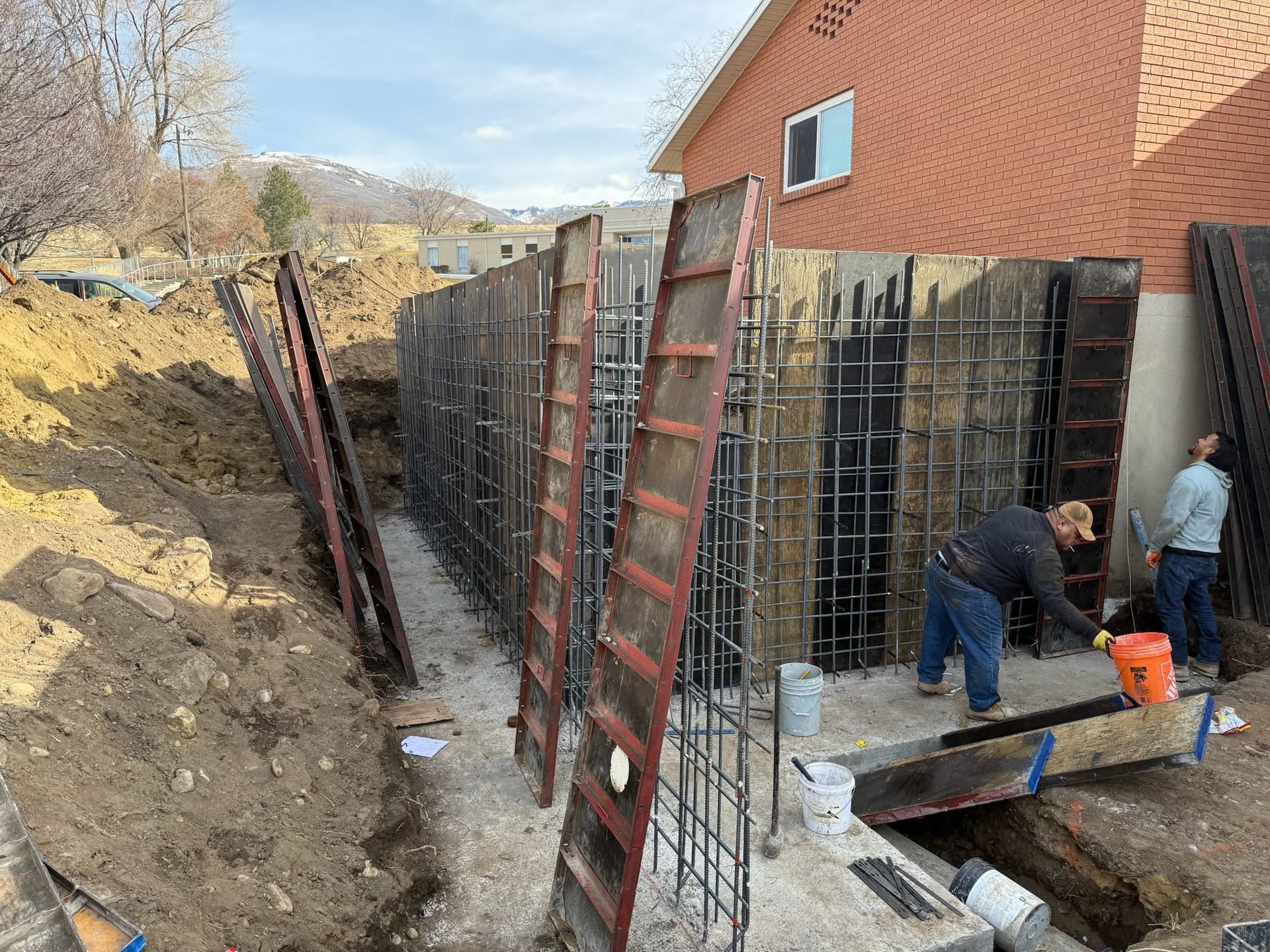
STRUCTURAL FOUNDATION AND FOOTING INSTALLATION
A foundation is the one element of a build that cannot be corrected later, which is why footing depth, reinforcement, and soil preparation are not places to save money.
Nela Concrete works as a concrete foundation contractor across Salt Lake City, pouring residential concrete foundation and commercial concrete foundation work alike.
We work from your plans and to the specification the inspector will check, which means correct depth below frost and reinforcement placed exactly as drawn.
FOUNDATIONS AND FOOTINGS WE POUR
Foundation work covers a wide range of structures, and each carries its own requirements. These are the pours we handle most often across Salt Lake County and Utah County.
New Home Foundations
Footings, stem walls, and slabs for single family construction, poured from your plans and coordinated to your framing schedule.
Garage and Shop Slabs
Thickened edge slabs and footings for detached garages, workshops, and outbuildings, sized to the loads the structure will carry.
Room Additions
Footings and slab work that tie into an existing foundation, matched to the elevations and bearing conditions already on site
Accessory Dwelling Units
Foundations for detached and internal accessory dwellings, a category of work growing quickly across the Wasatch Front.
Commercial Footings and Pads
Structural footings, equipment pads, and site concrete for builders, developers, and commercial property owners.
WHAT DECIDES WHETHER A FOUNDATION HOLDS
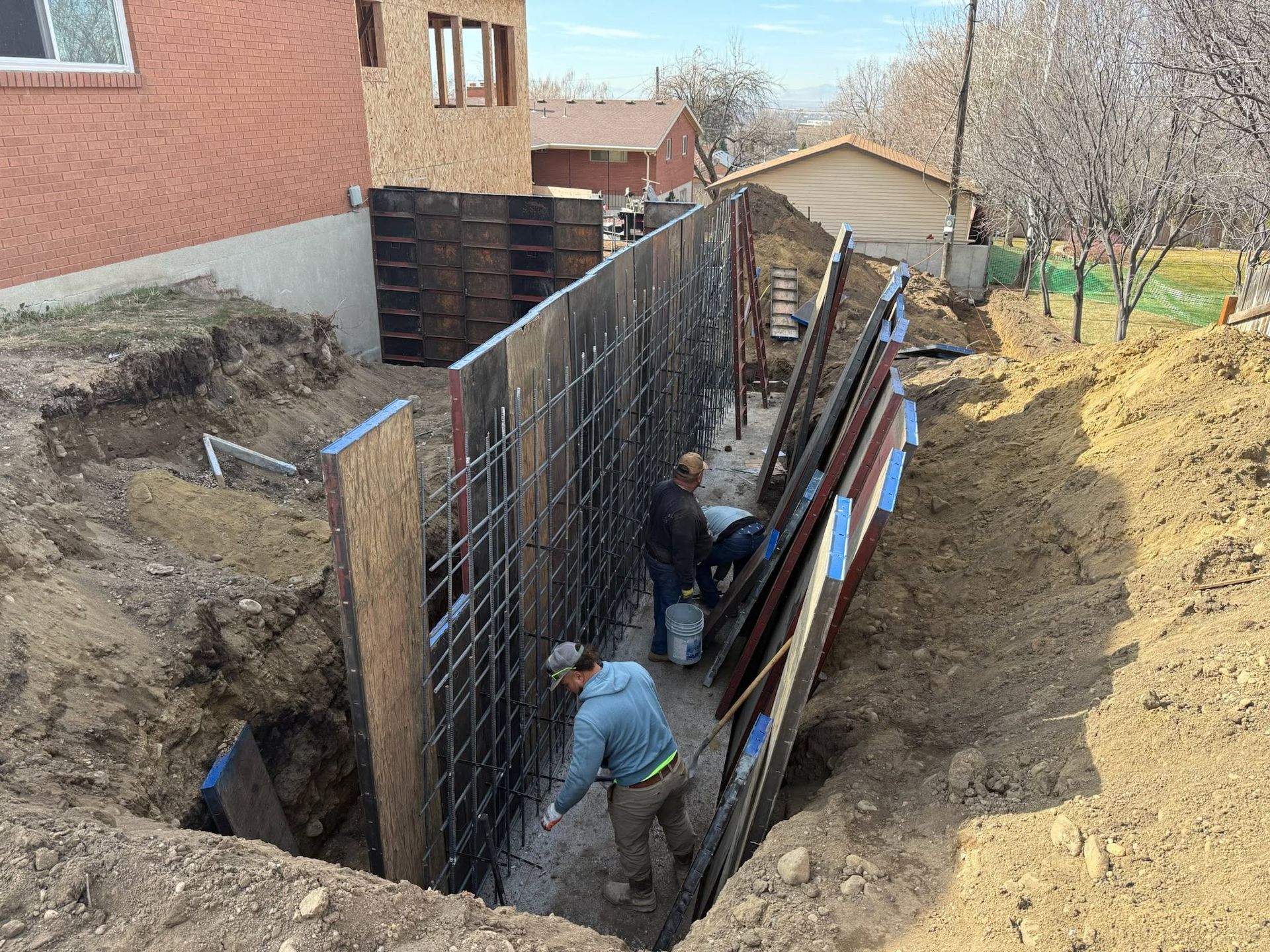
Foundation failures almost never trace back to the concrete itself. They trace back to decisions made before the truck arrives, and these are the five that matter most.
Soil and Bearing Capacity
Utah soils vary sharply from one lot to the next, and the ground beneath the footing decides how it is sized.
Depth Below Frost
Footings must sit below the local frost line so seasonal freezing cannot lift and settle the structure above.
Reinforcement Placed as Drawn
Rebar size, spacing, and coverage come from the plans rather than from habit, and inspectors check every one of them.
Forms, Elevations, and Squareness
A foundation out of level or out of square passes the problem straight to the framer and costs days to correct.
Drainage Away From the Structure
Water pooling against a foundation is the slow kind of failure nobody notices until the finished space starts showing it.
OUR FOUNDATION INSTALLATION PROCESS
Foundation work sits at the front of a build schedule, so delays here move every trade behind it. Our process is organized around keeping your framing date intact.
Step 1
Plan Review
We review your drawings, footing schedule, and site conditions, then flag anything that needs clarifying before we price the work.
Step 2
Site Visit and Estimate
We check access for trucks and equipment, confirm elevations and soil conditions, and return a detailed estimate against the plan.
Step 3
Scheduling Around Framing
We book the pour against your framing date and confirm inspection timing, so the schedule holds rather than slipping.
Step 4
Excavation, Forming, and Steel
Footings are excavated to depth, forms are set to elevation, and reinforcement is placed and tied to the drawn specification.
Step 5
Pour, Strip, and Handover
We place and finish the pour, strip forms once strength allows, and hand over a foundation squared, level, and ready for framing.
WHY BUILDERS AND OWNERS CHOOSE NELA CONCRETE
Foundation work is judged on whether the next trade can start on time. Choosing a concrete foundation contractor who reads the plan first is what protects that date, because a pour that is late or short of specification costs the builder far more than it ever saves.
We flag conflicts between the drawing and the site while they are still cheap to solve, and we pour to the number on the plan rather than to whatever the forms allow.
Among foundation contractors in Utah, responsiveness is where most fall down. New inquiries hear back within thirty to sixty minutes and estimates usually follow within one to two days, so you are not left guessing while the schedule moves.

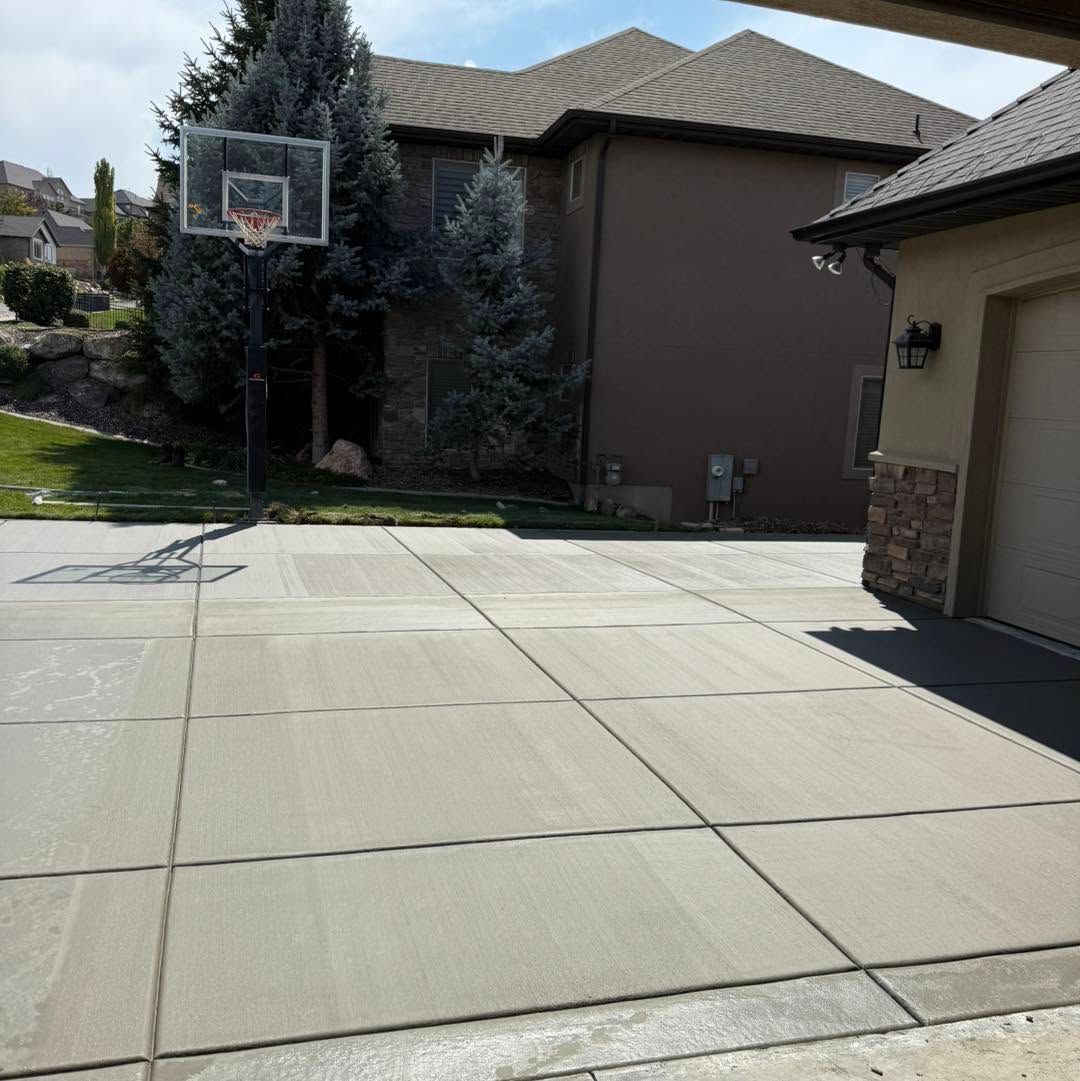
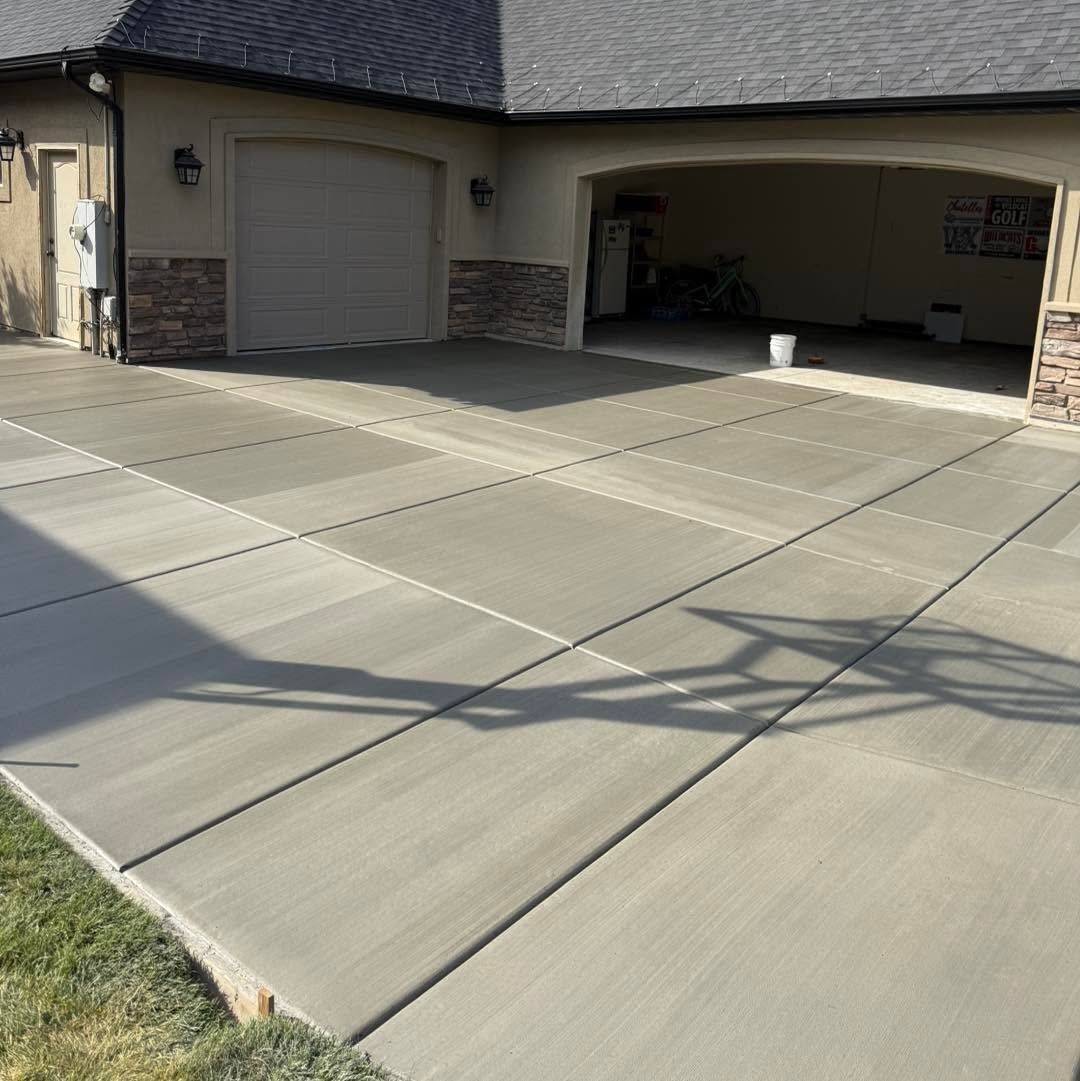
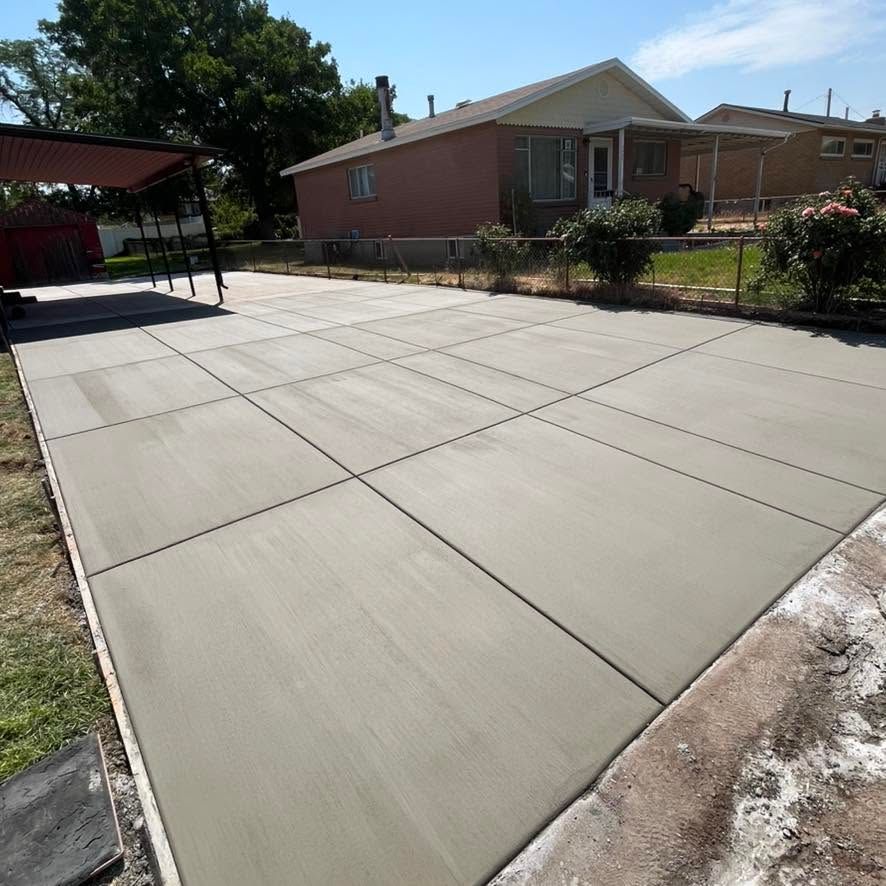
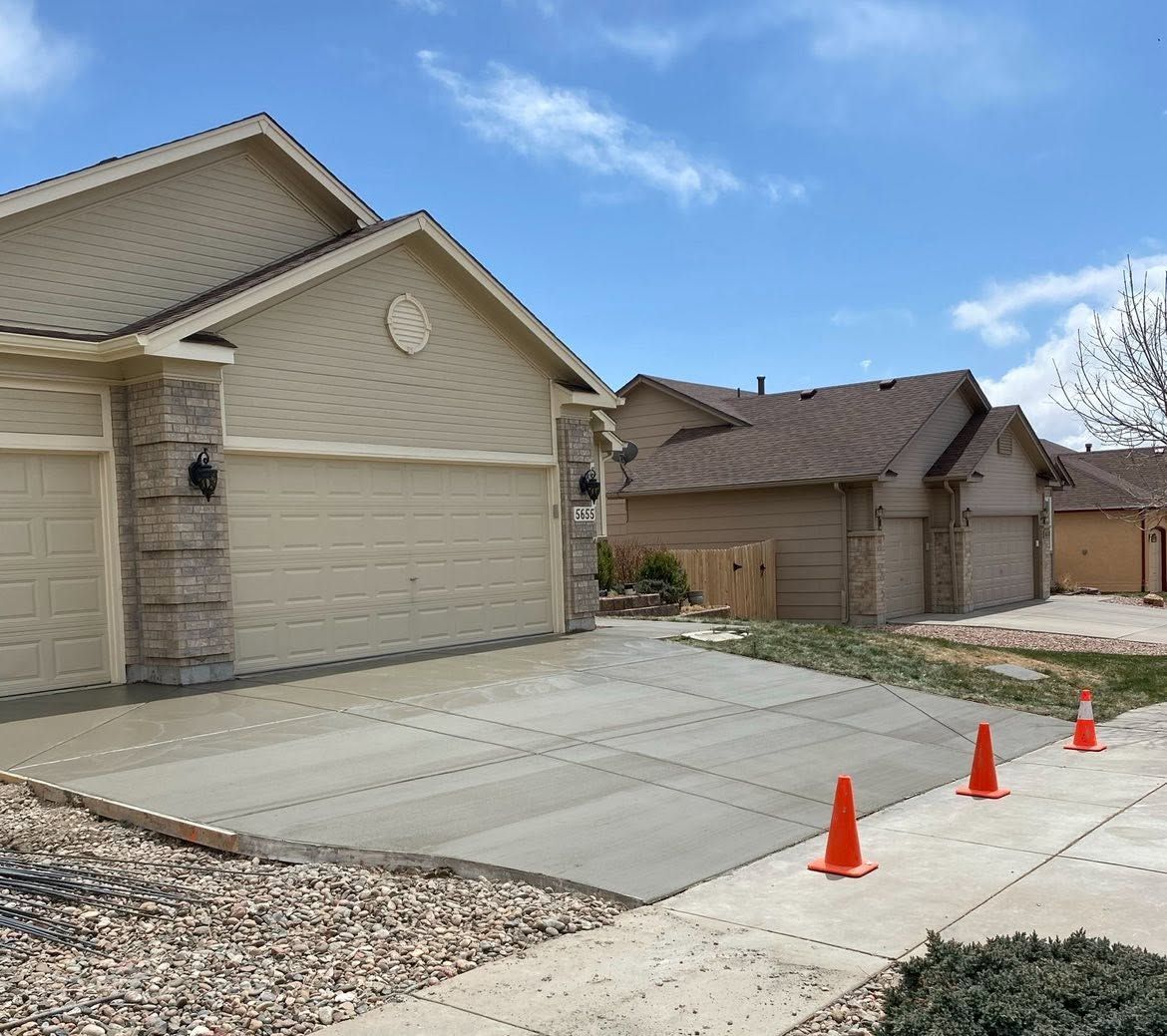
Explore Our Recent Projects
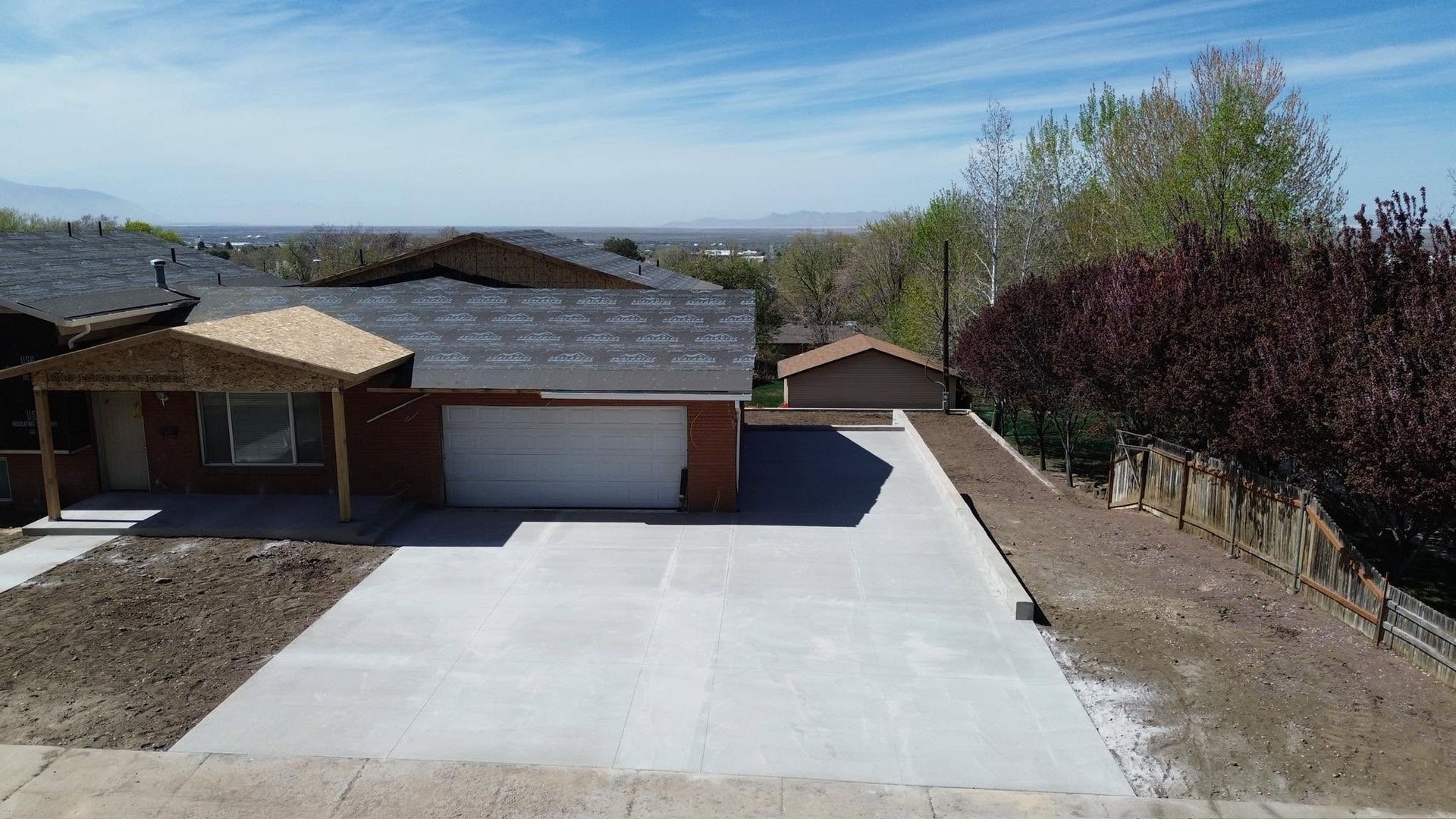
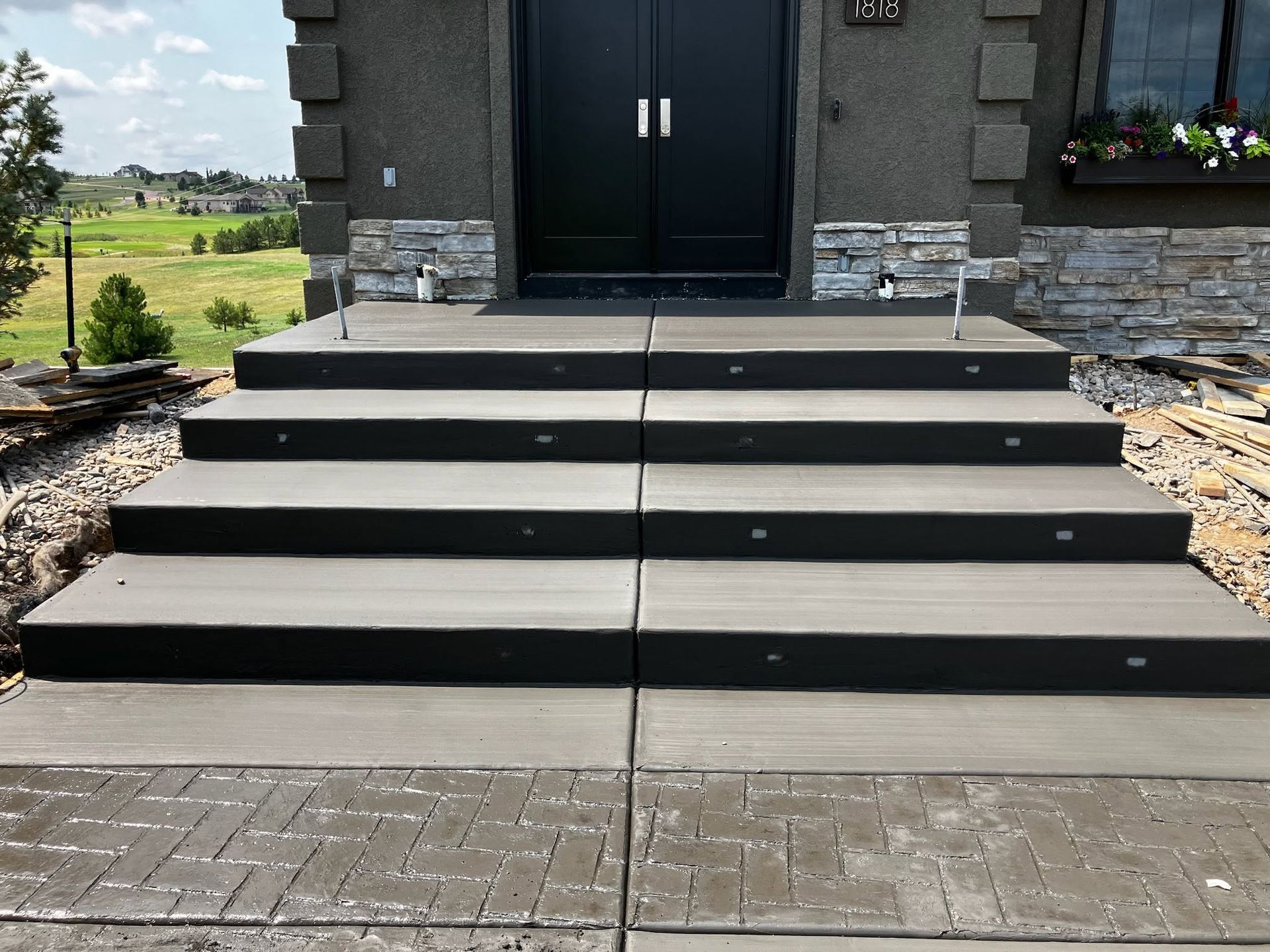
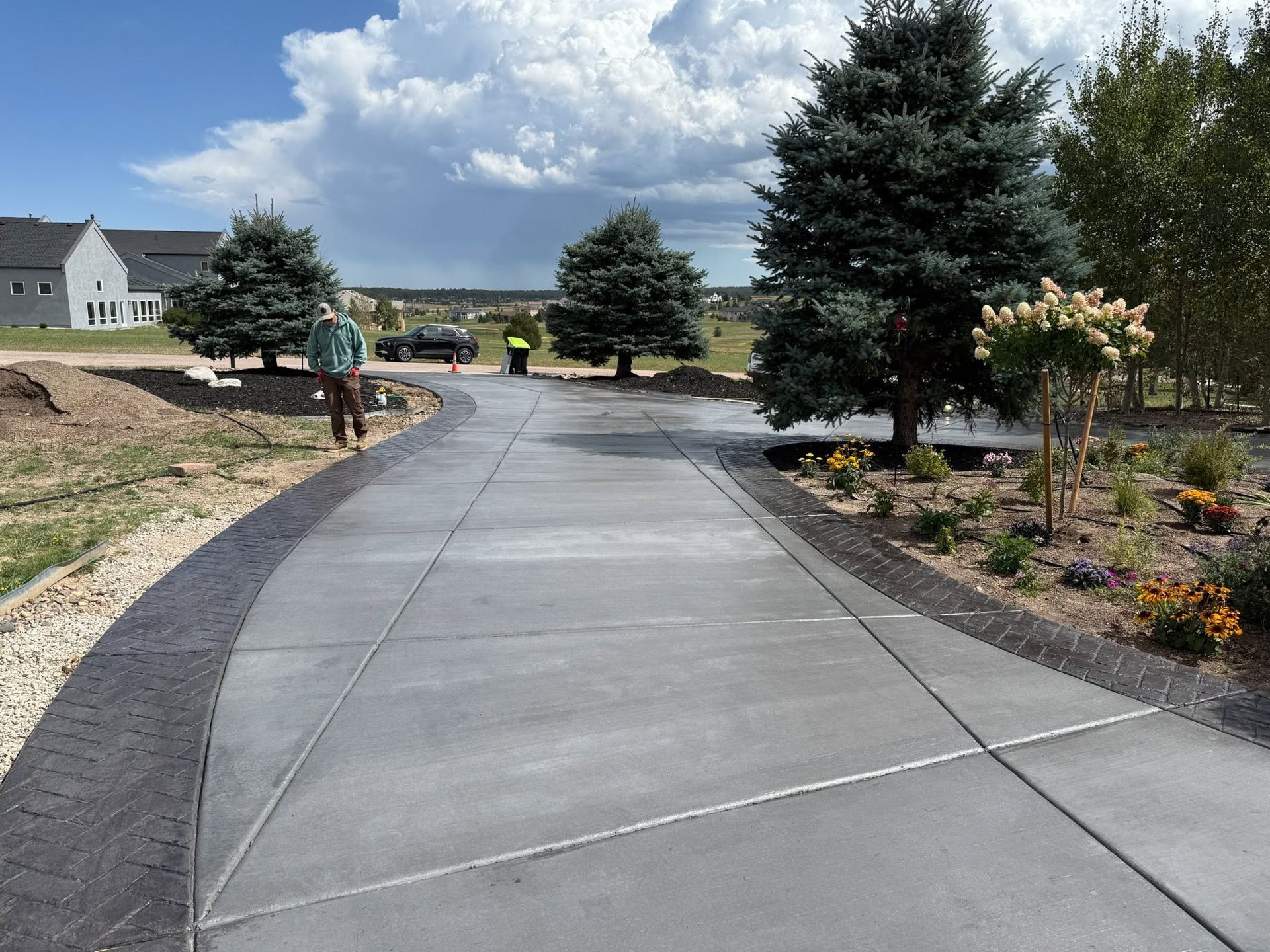
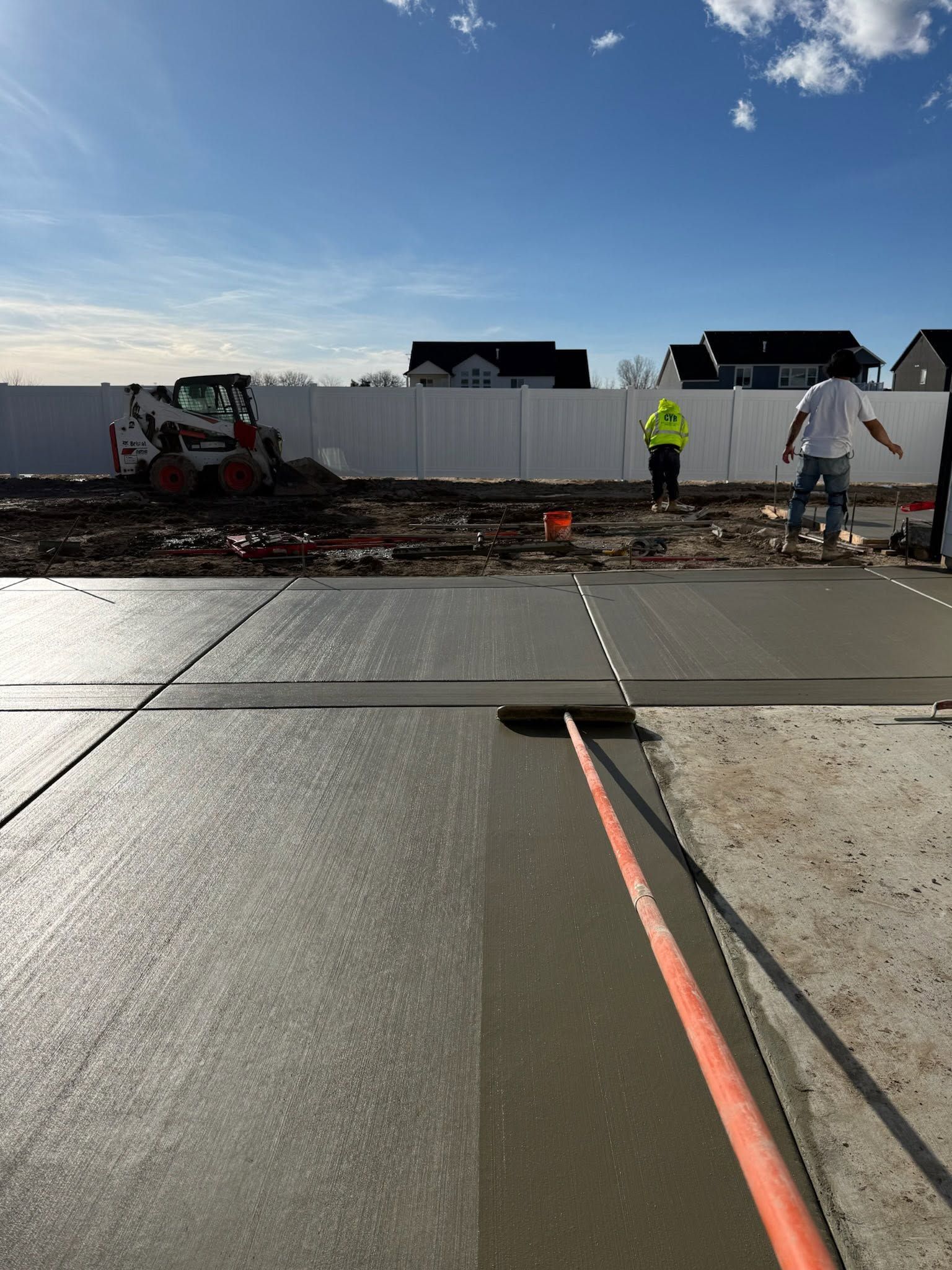
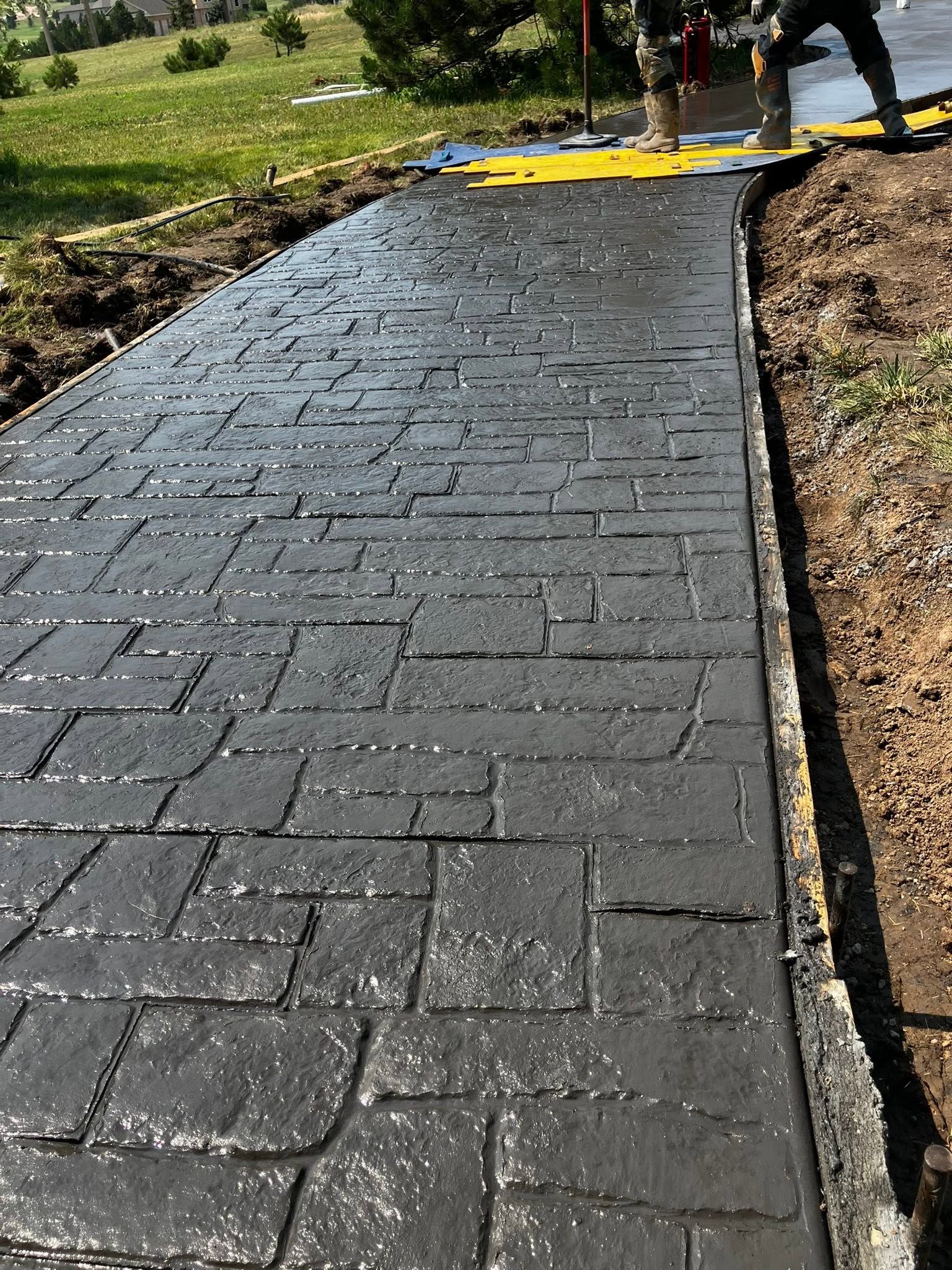
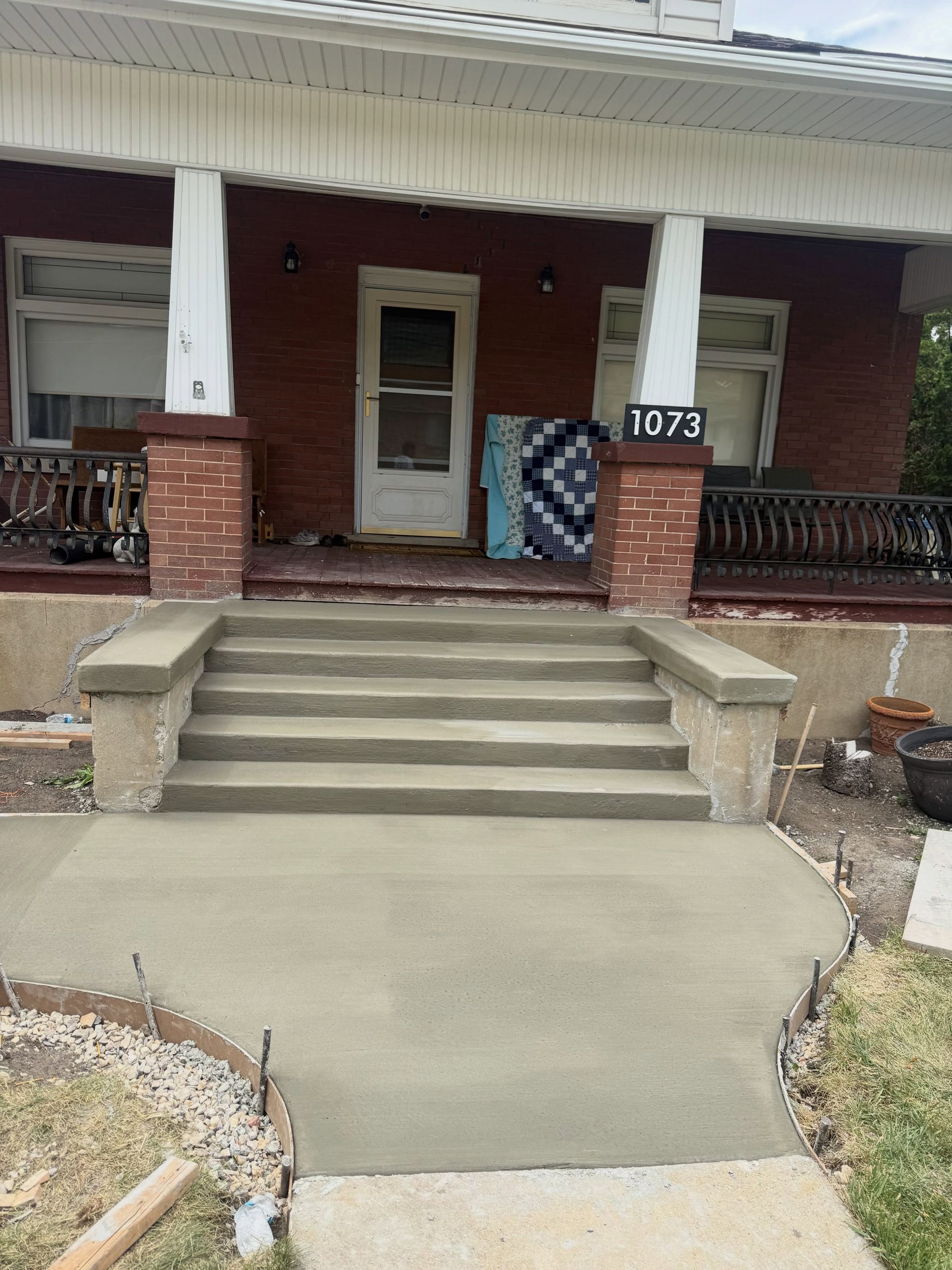
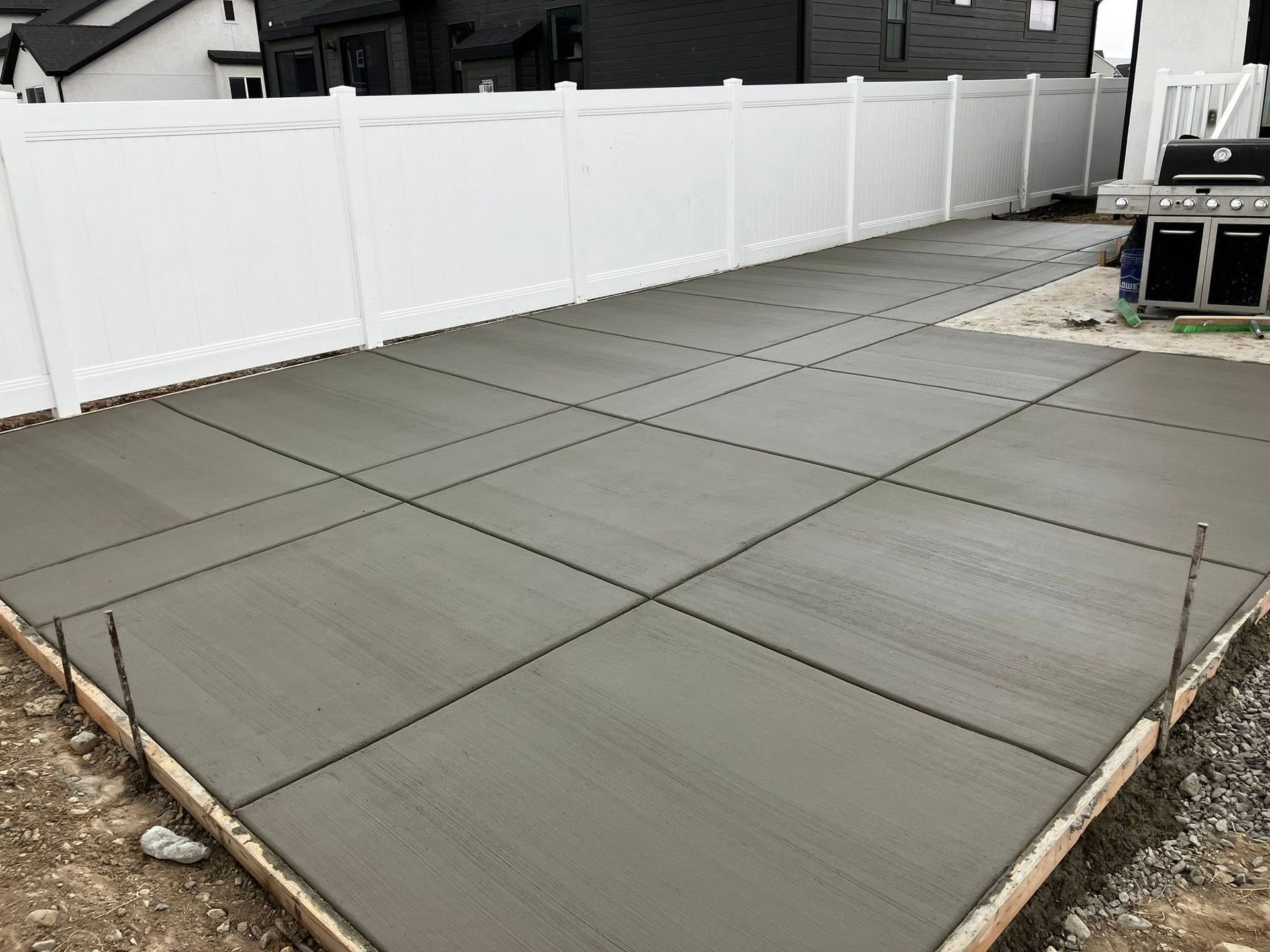
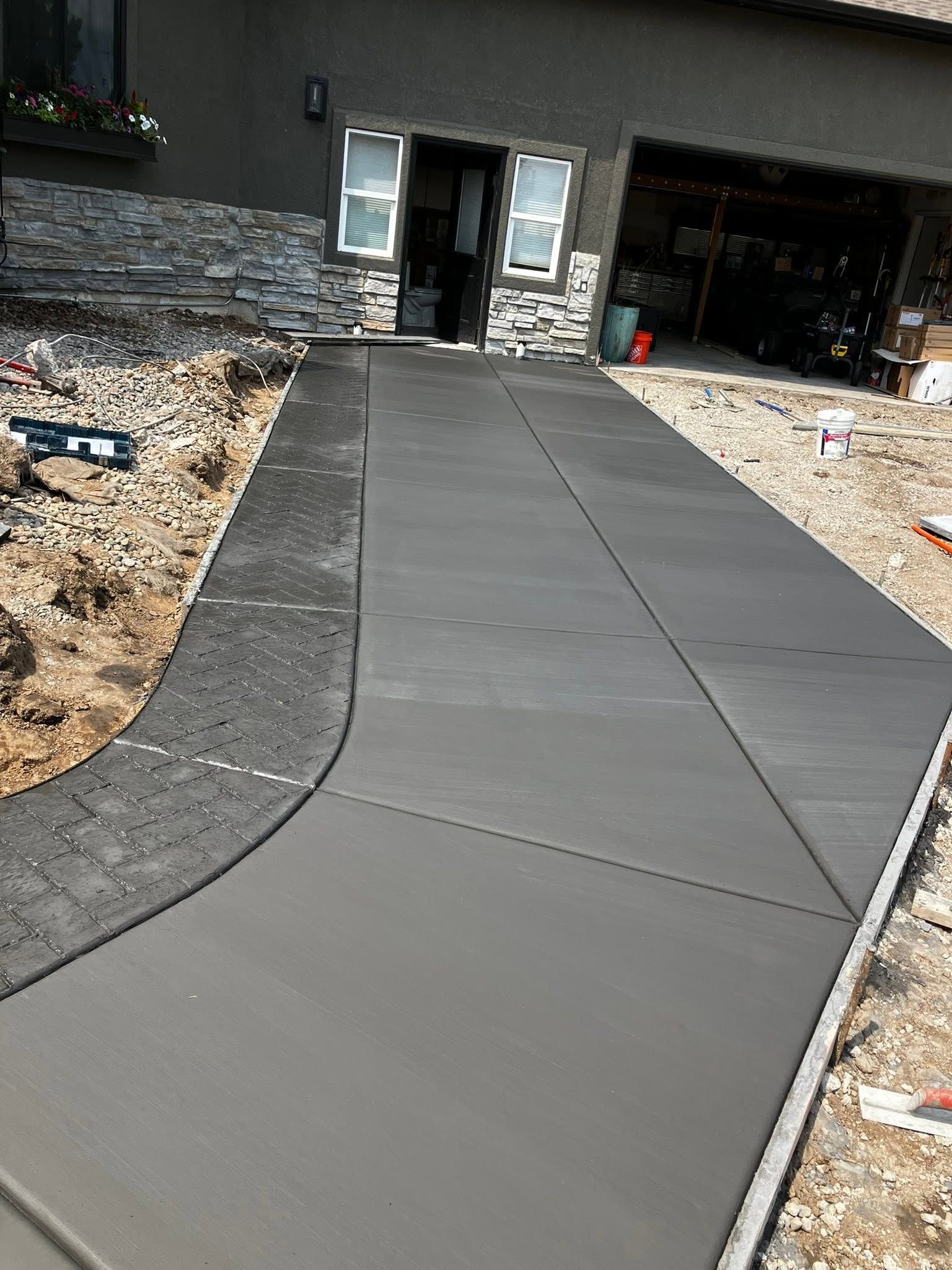
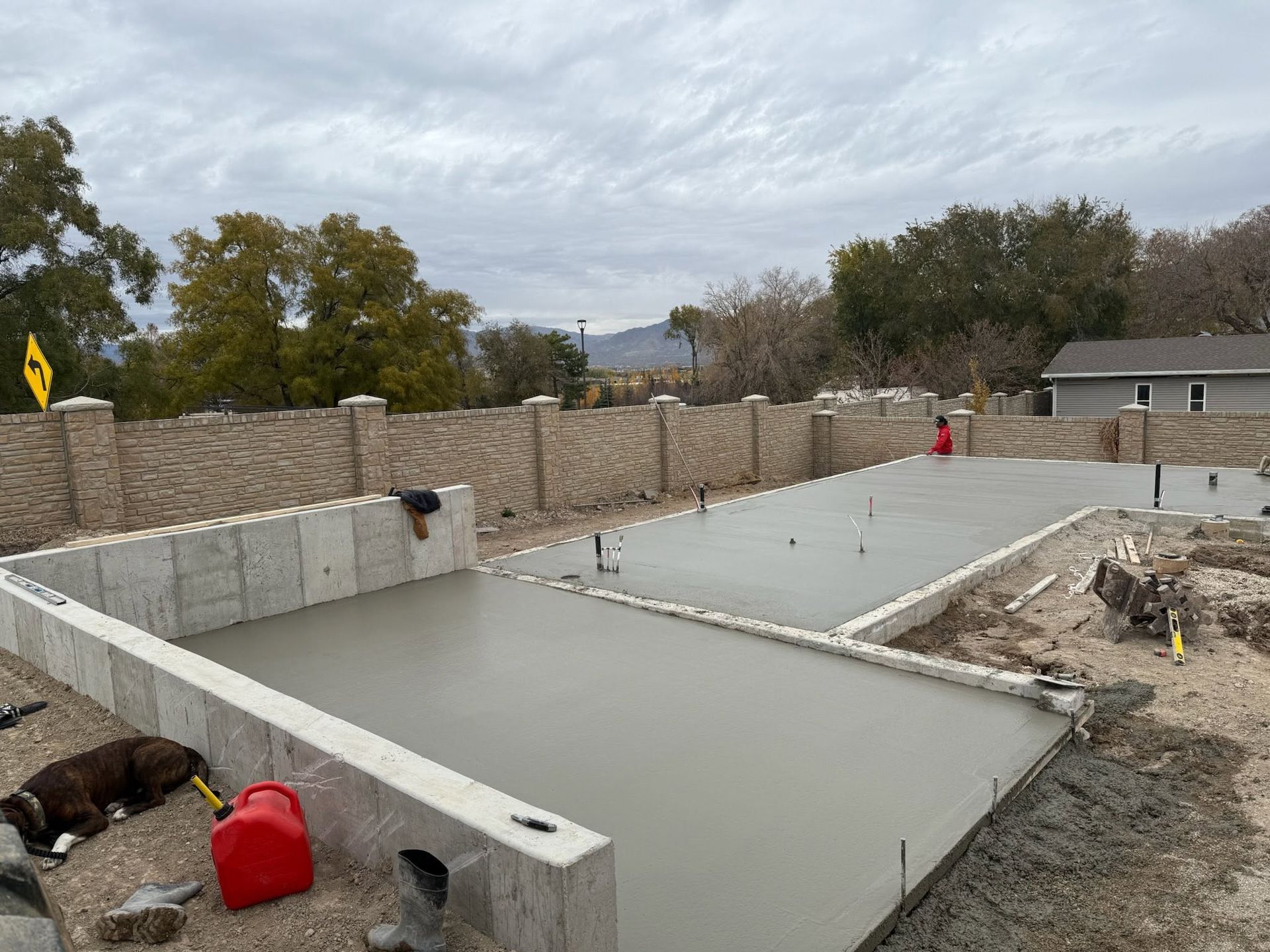
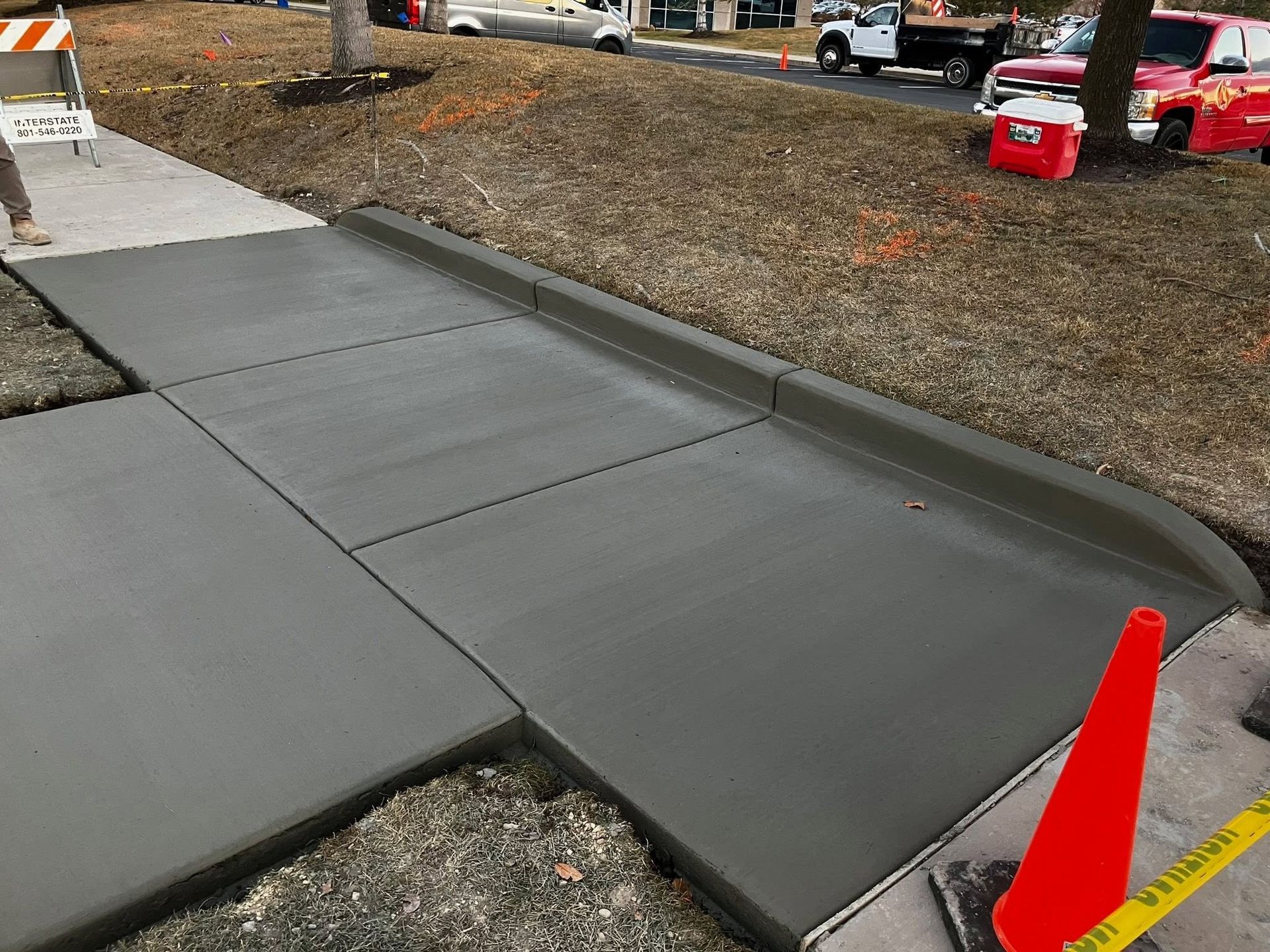
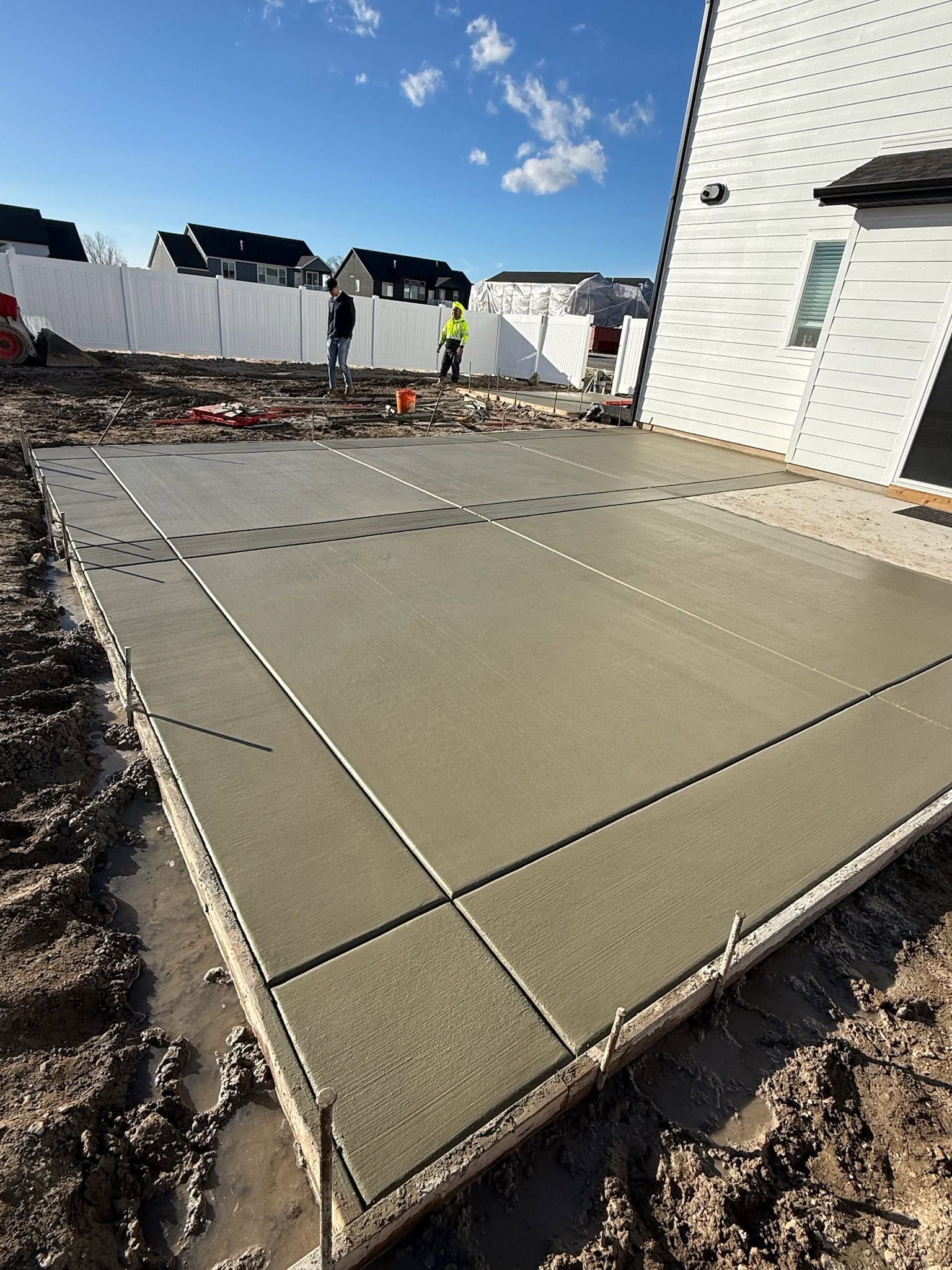
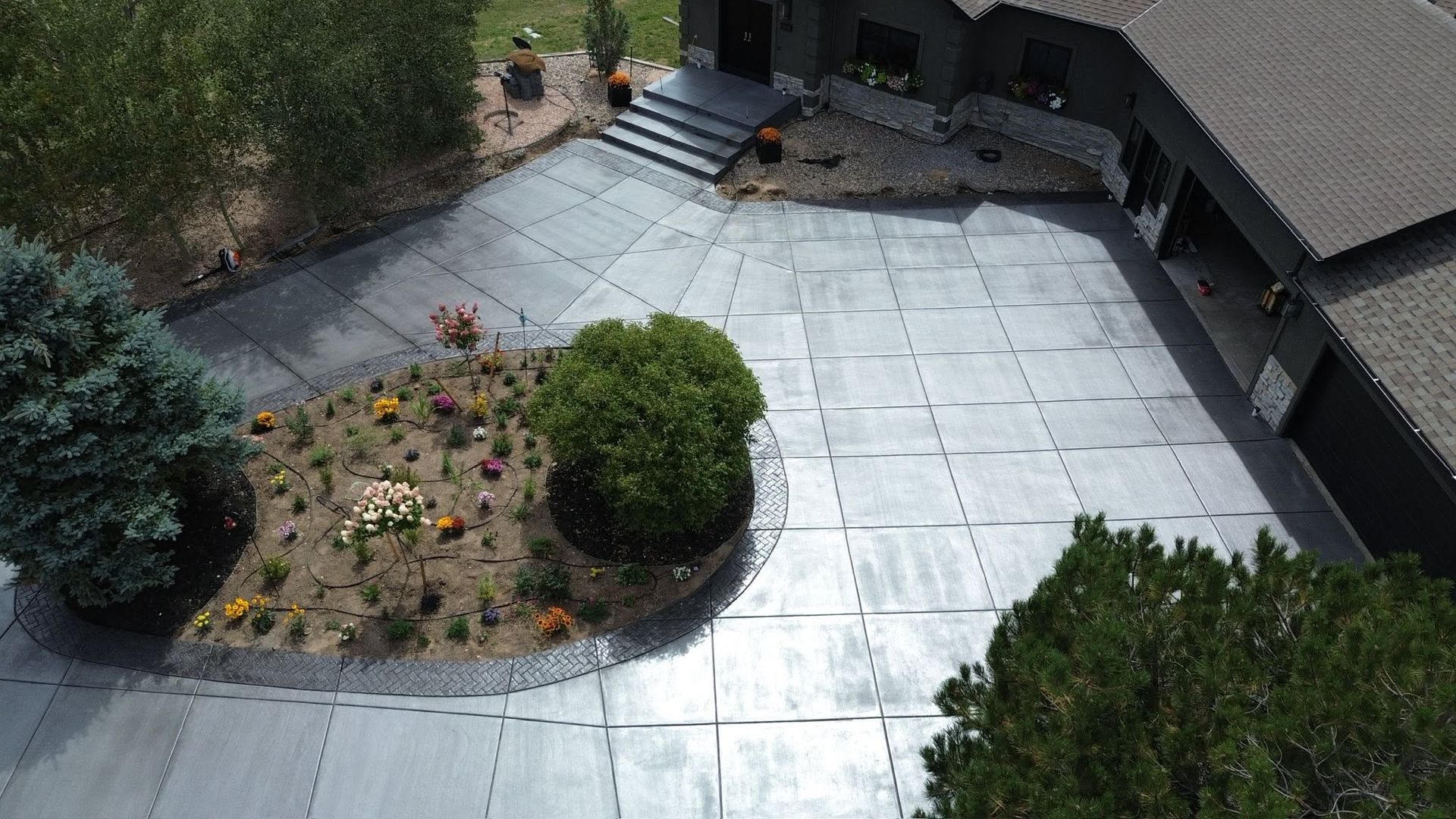
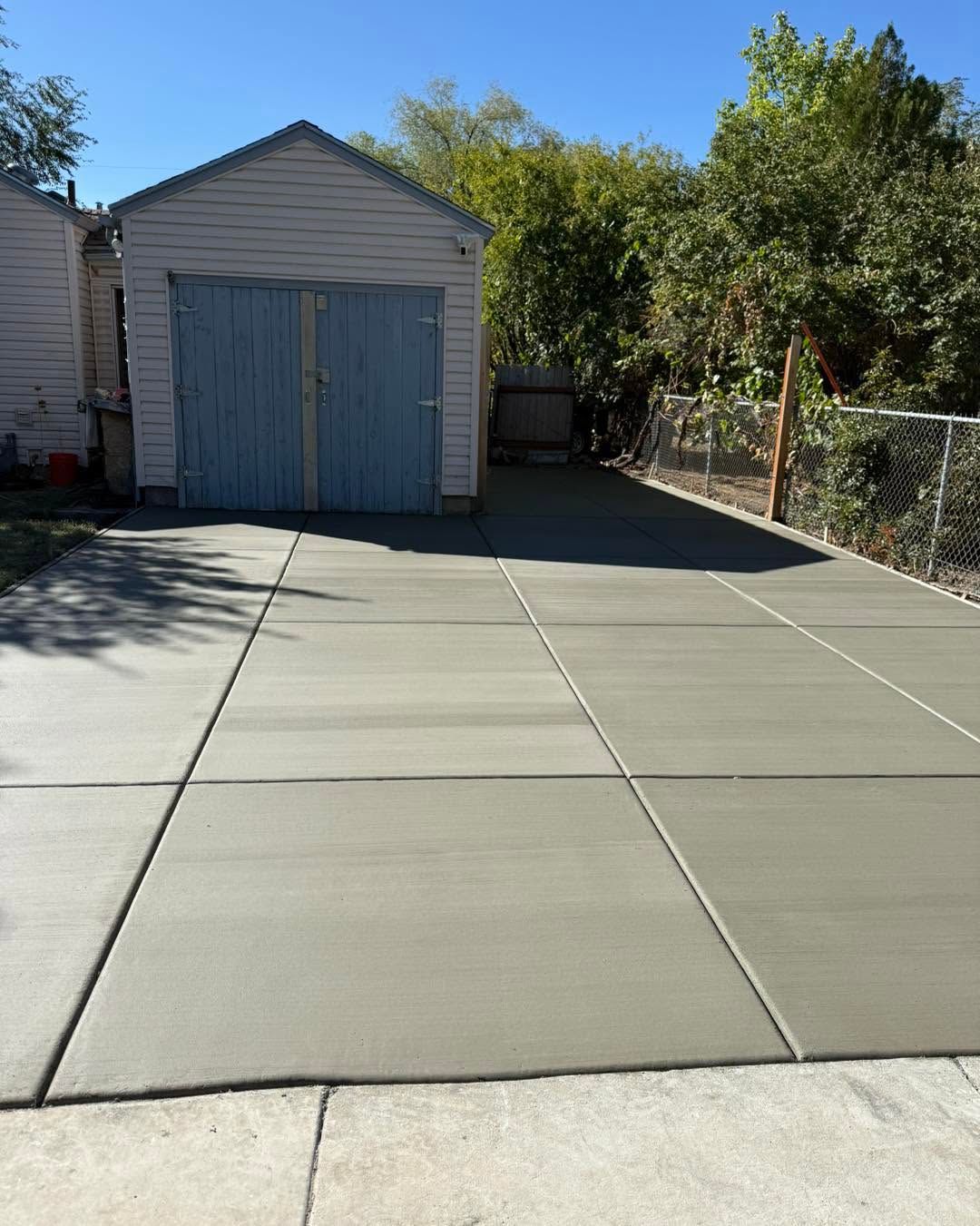
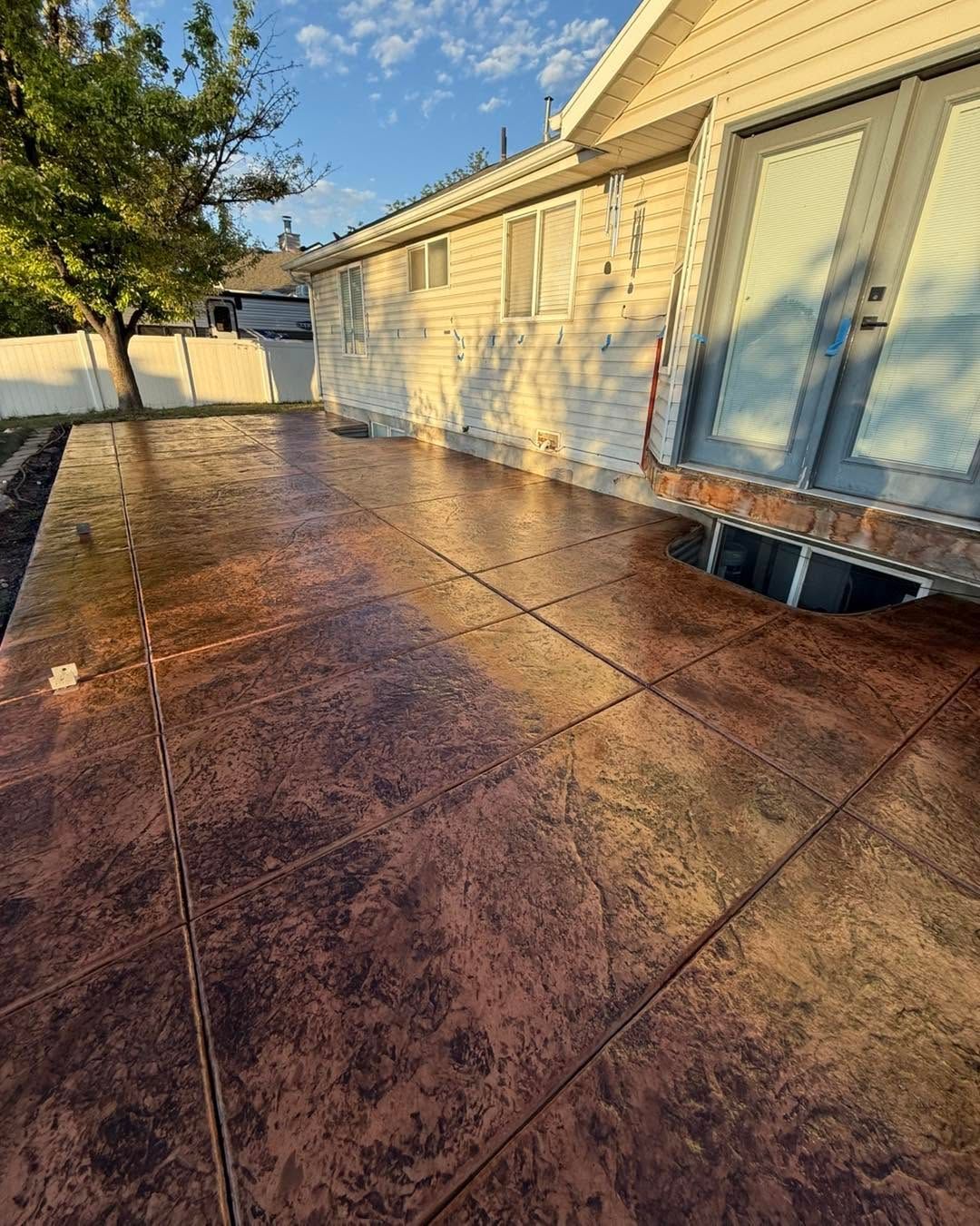
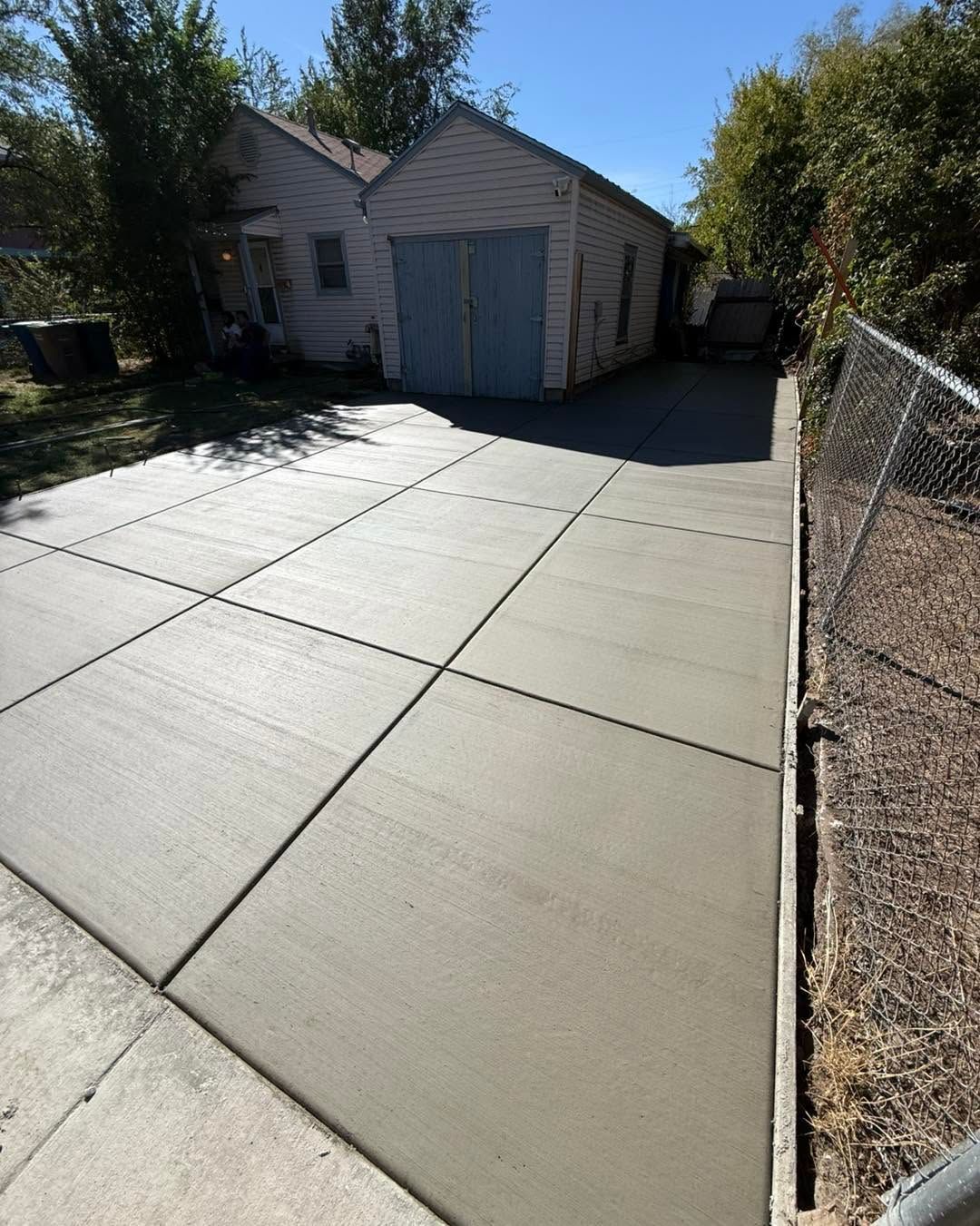
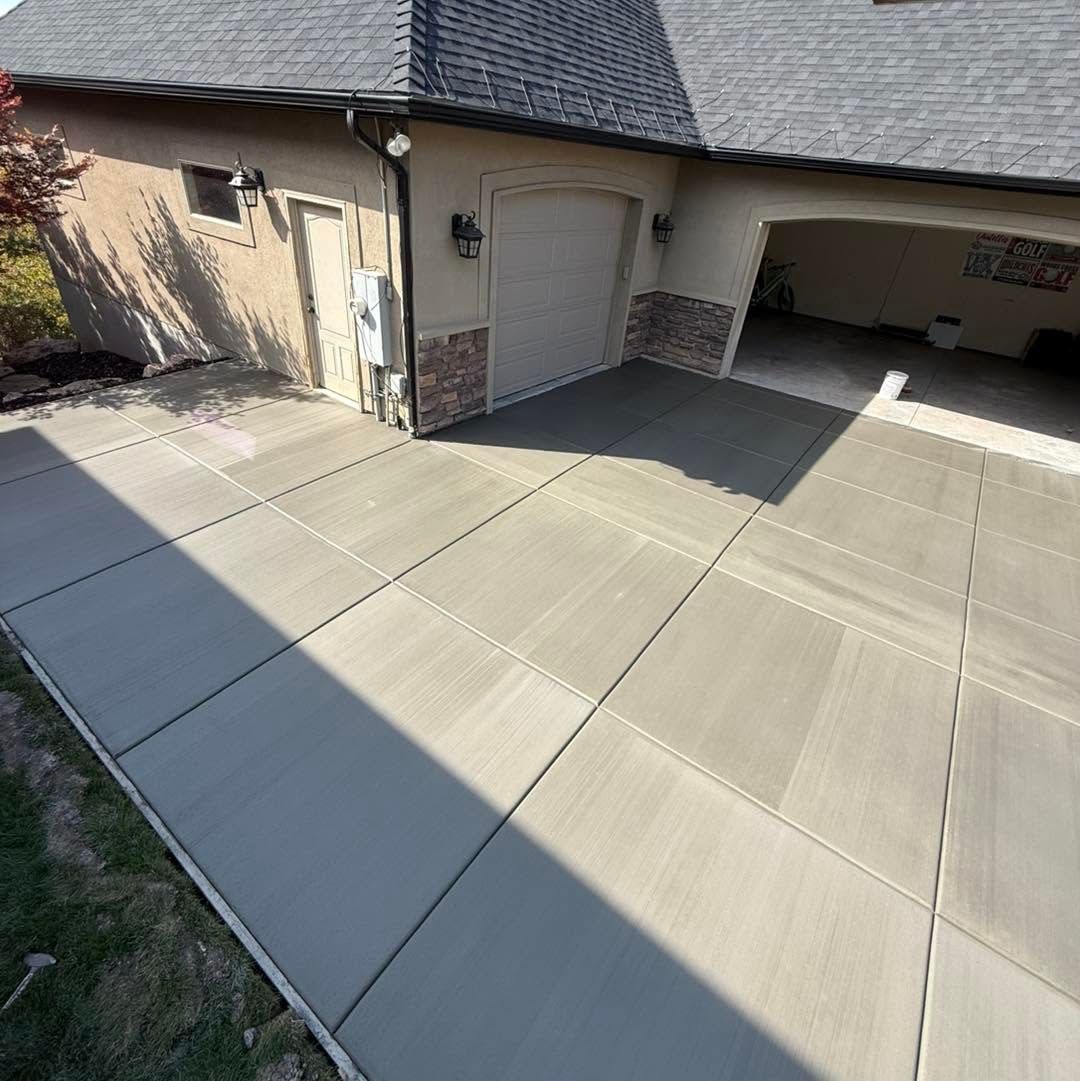
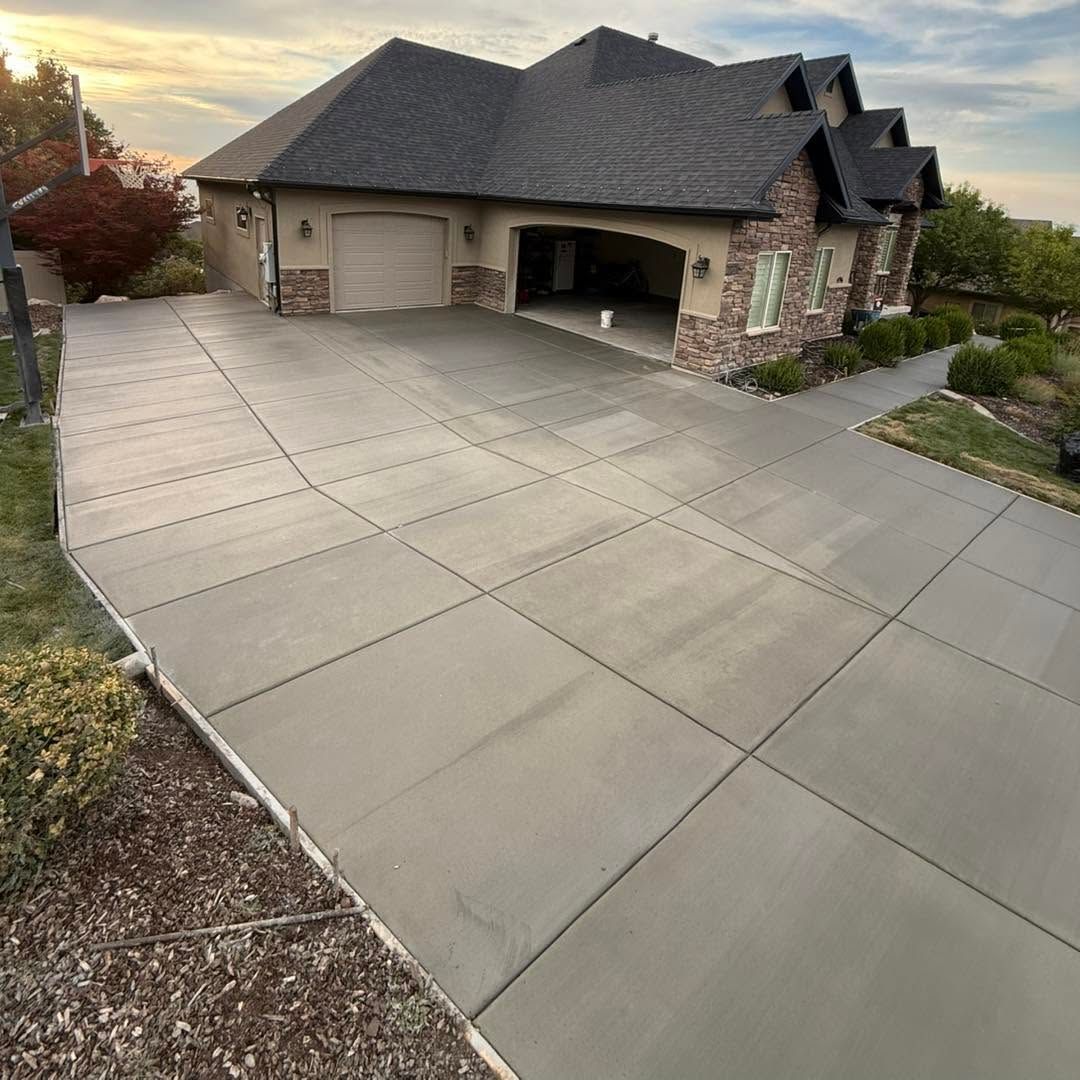
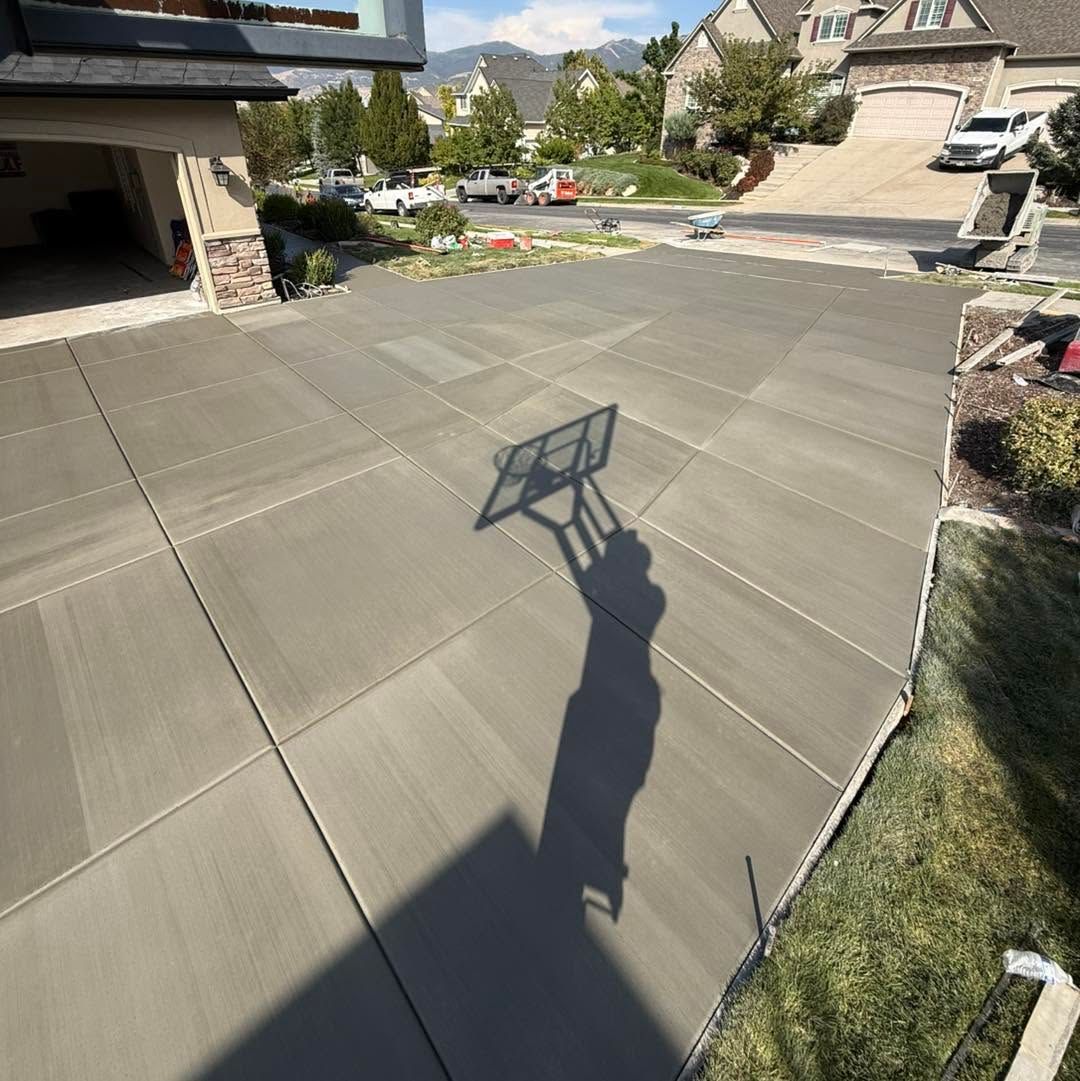
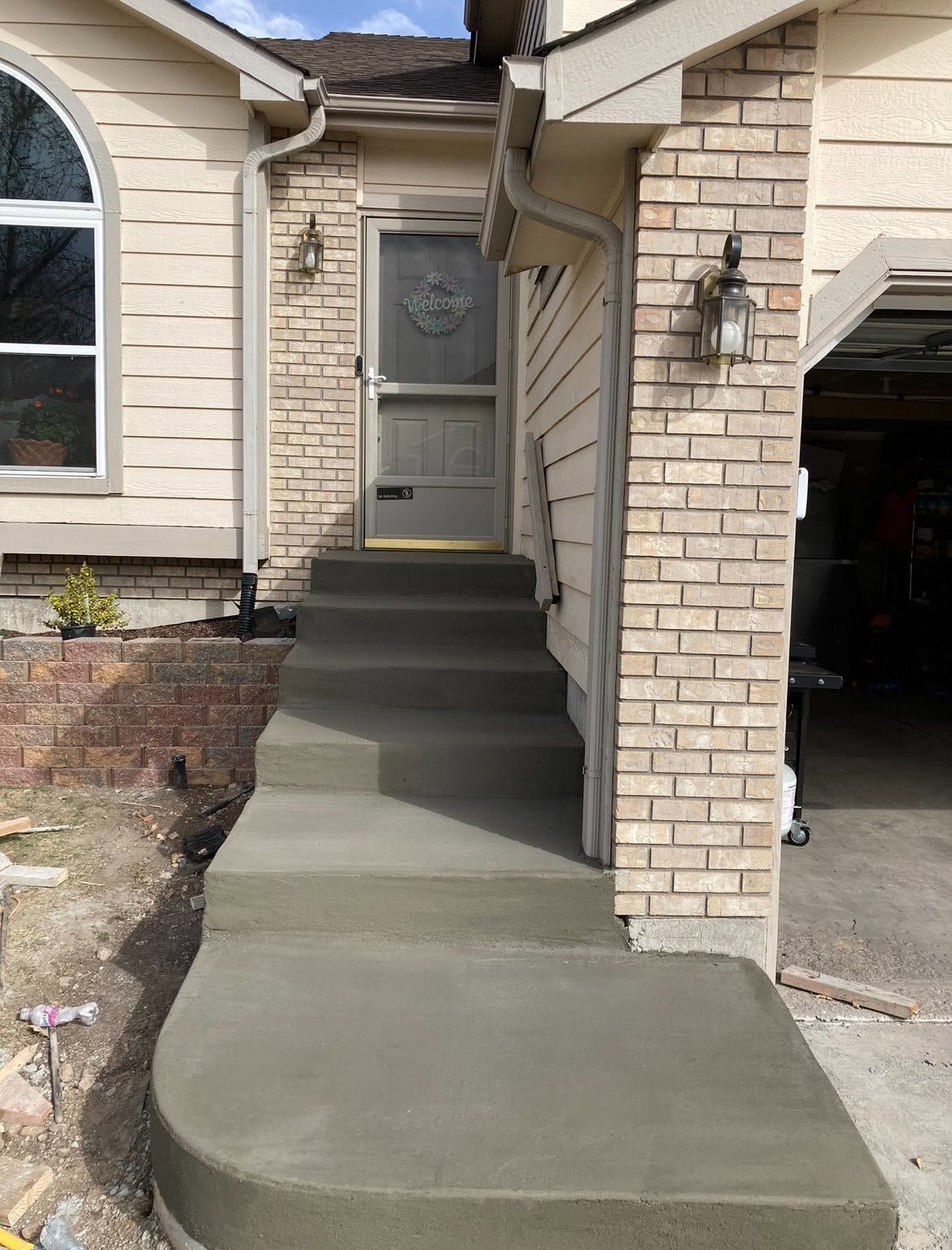
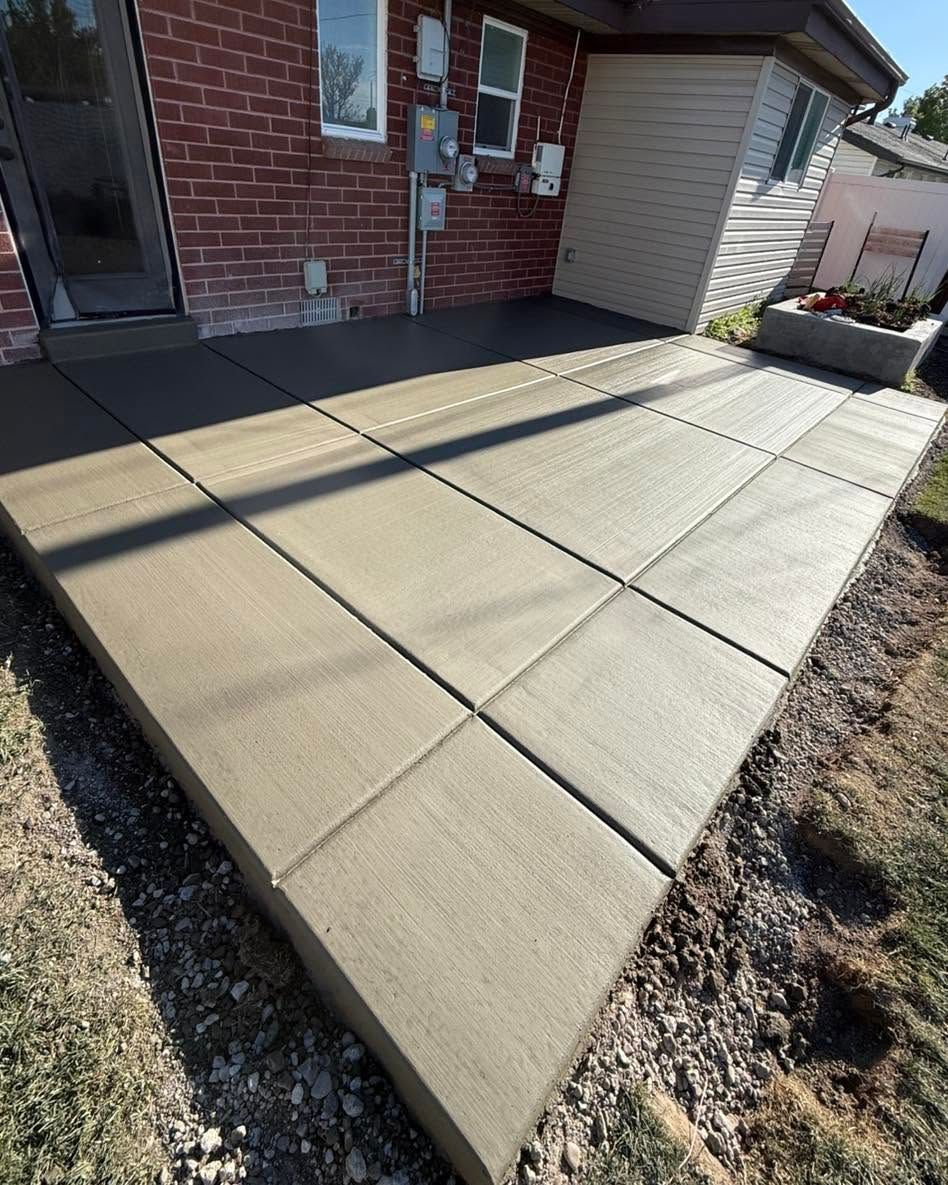
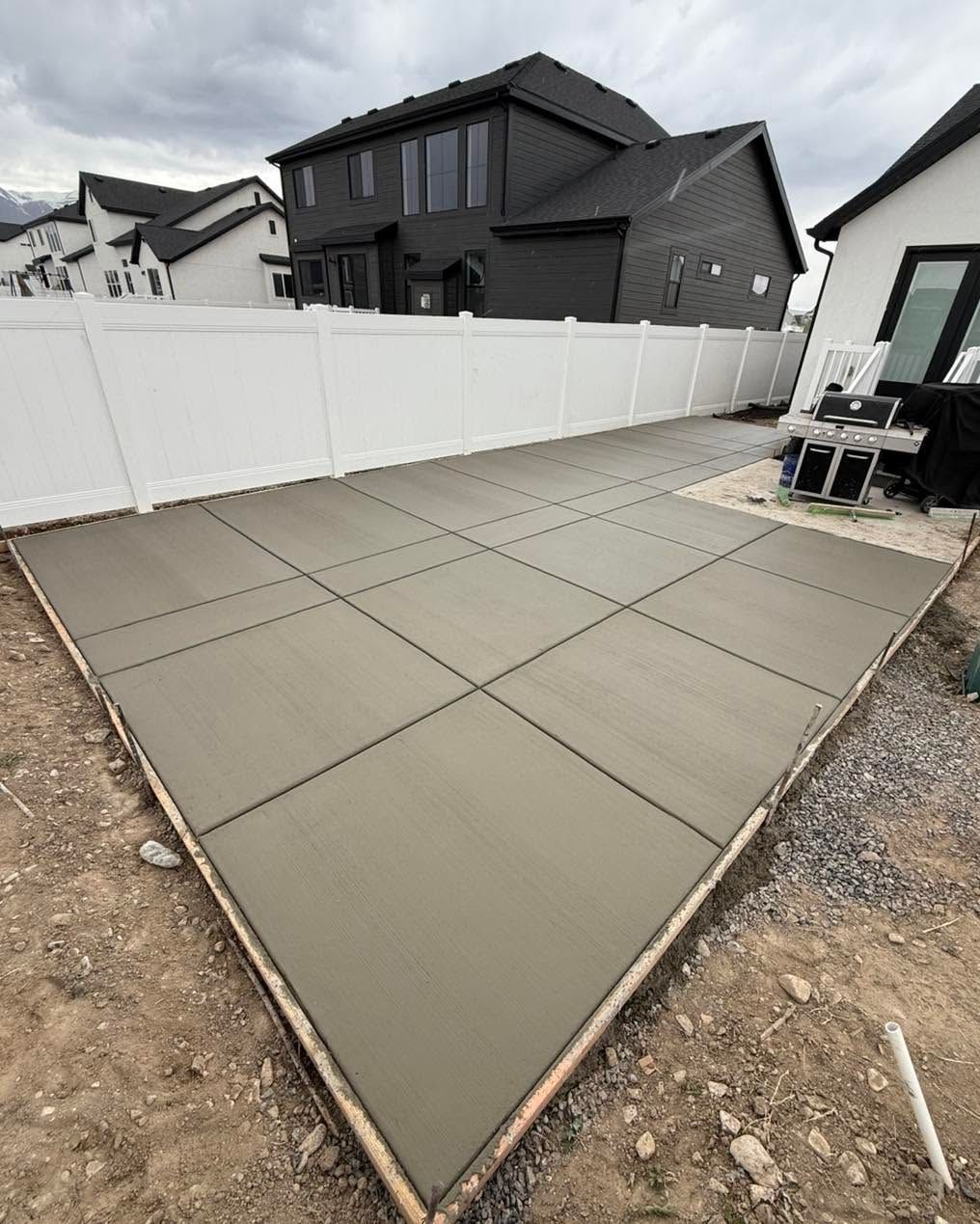
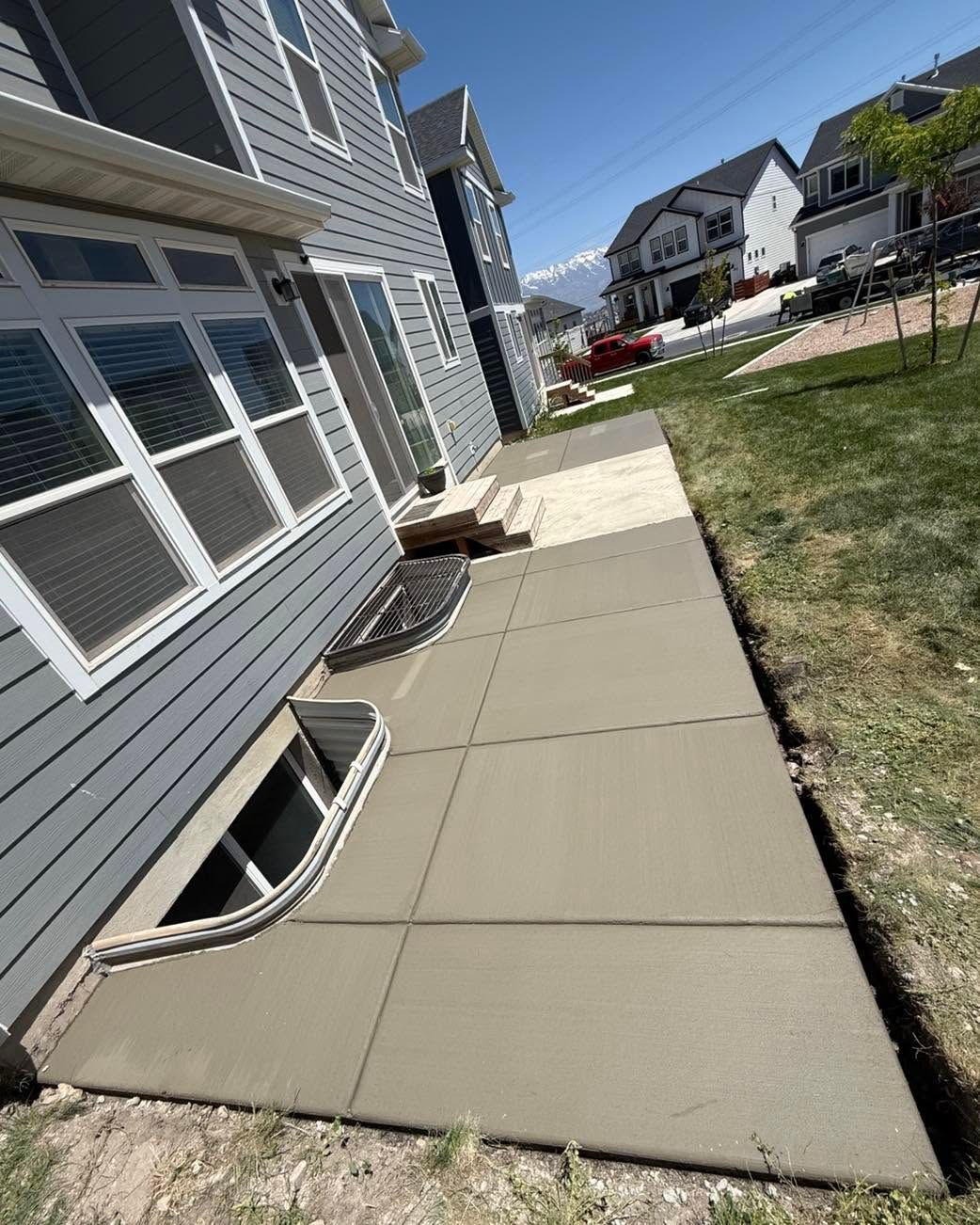
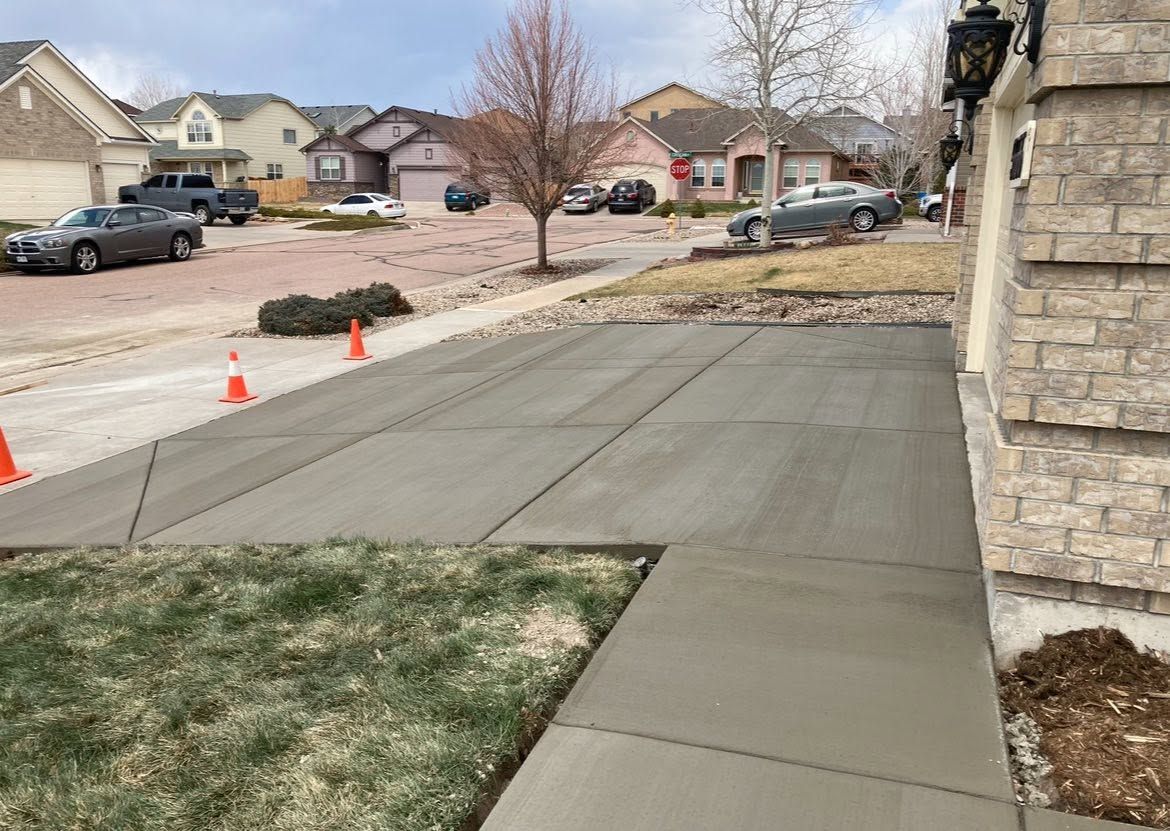
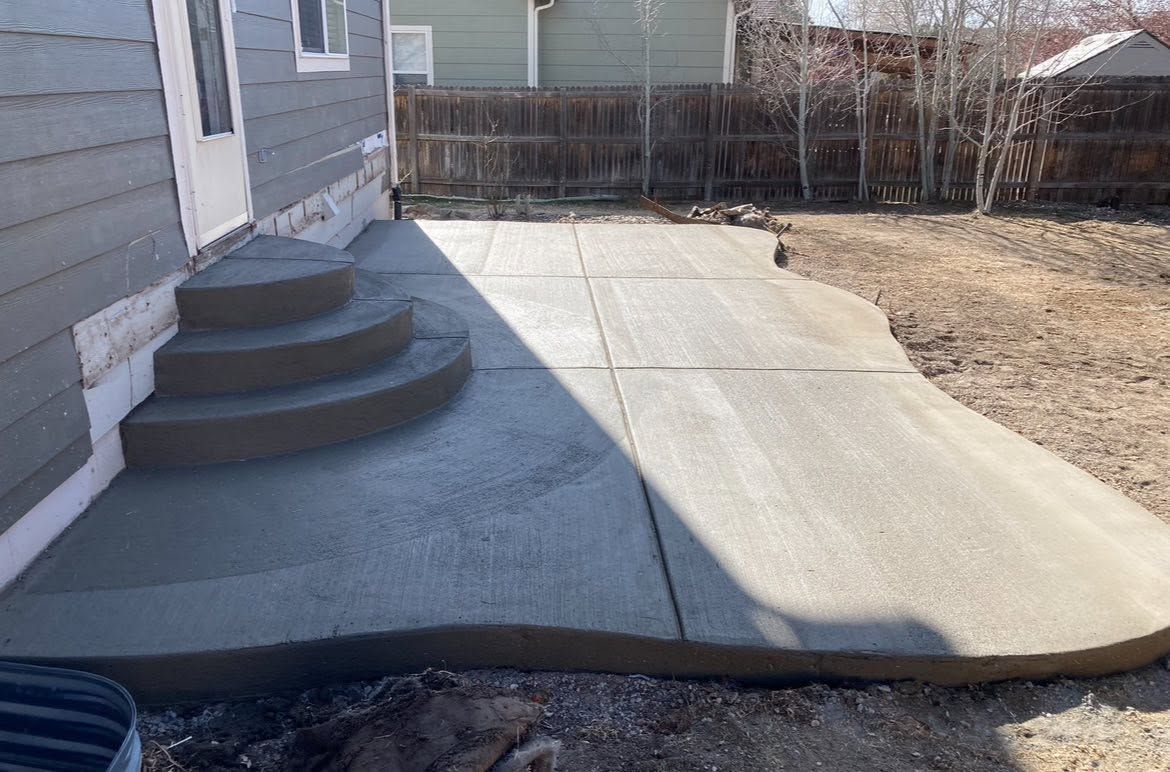
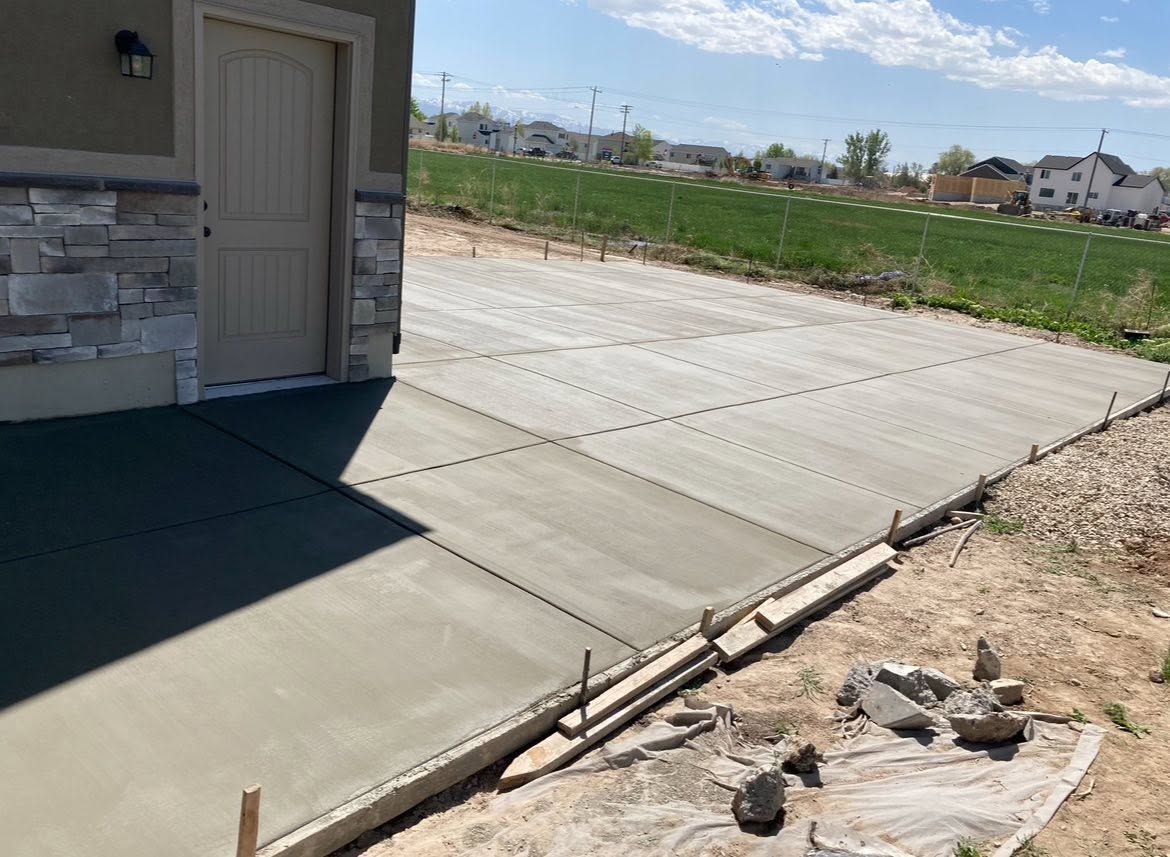
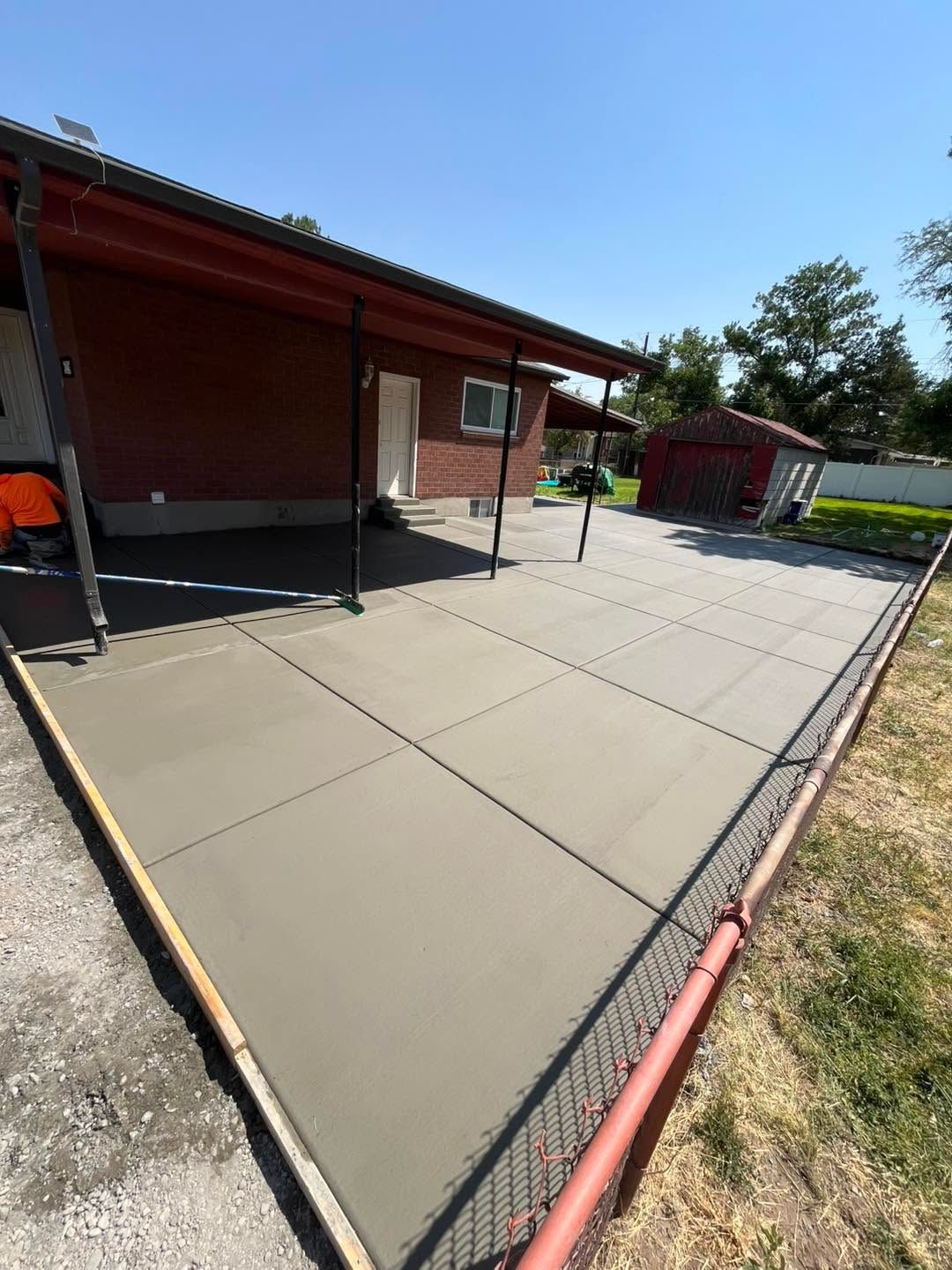
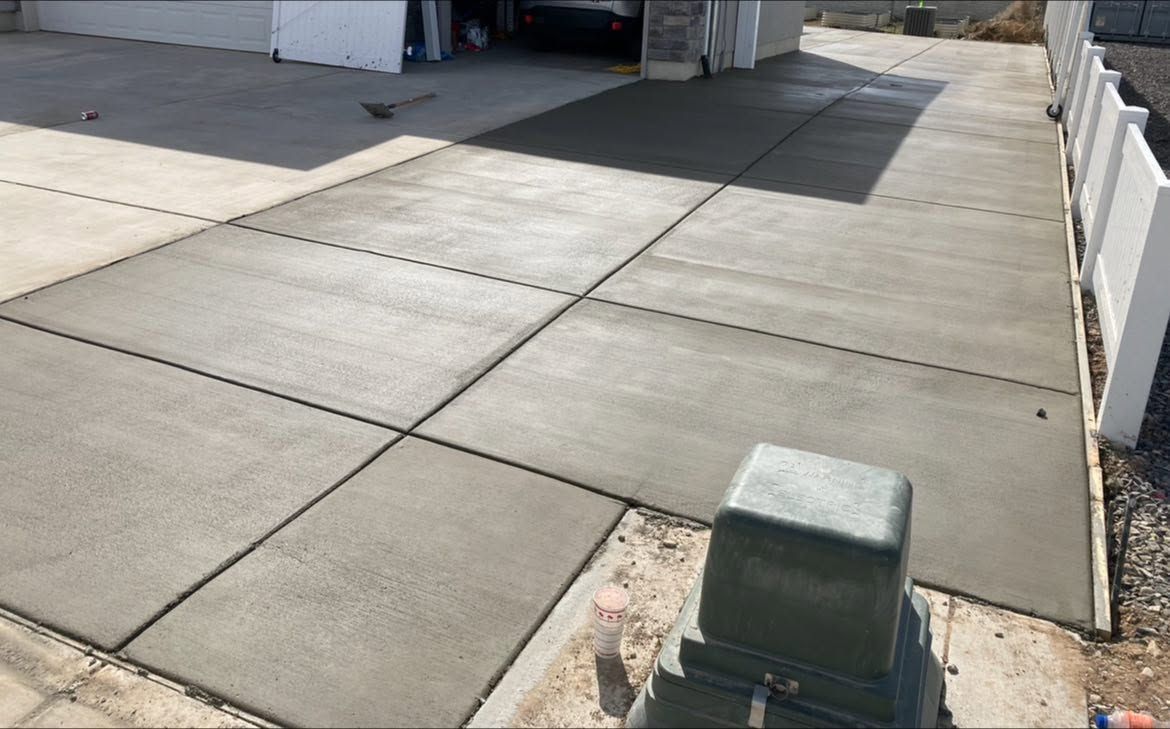
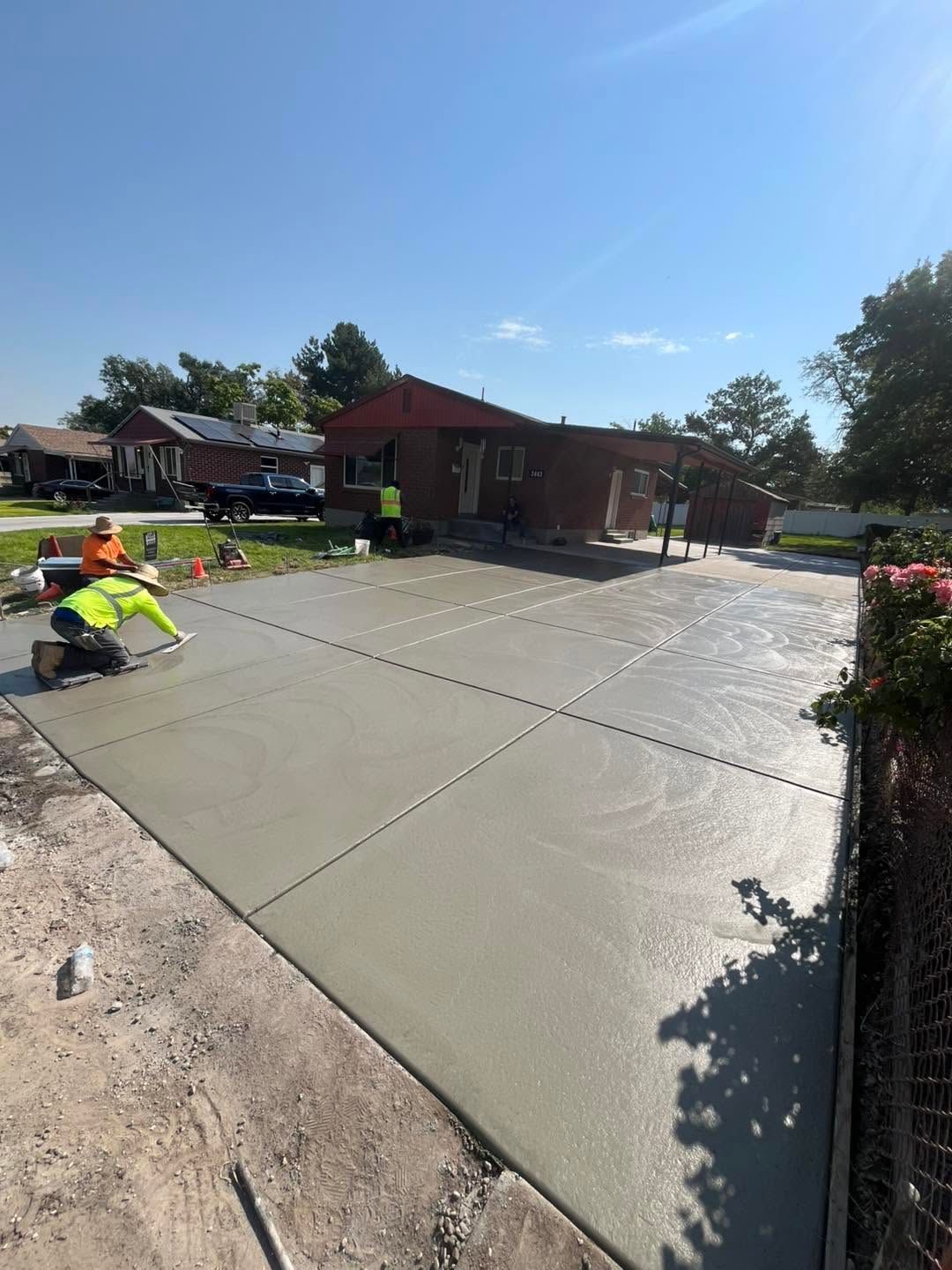
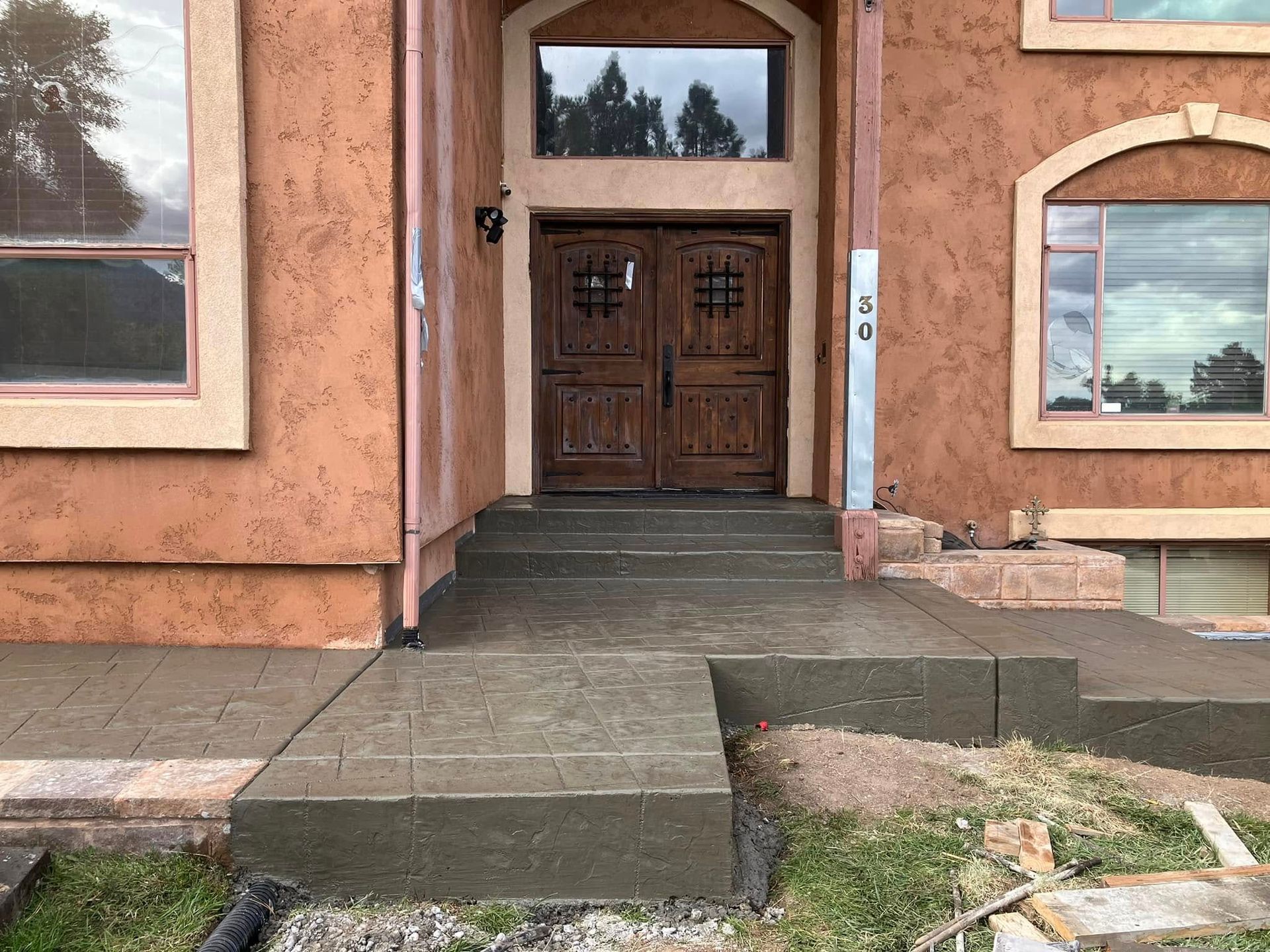
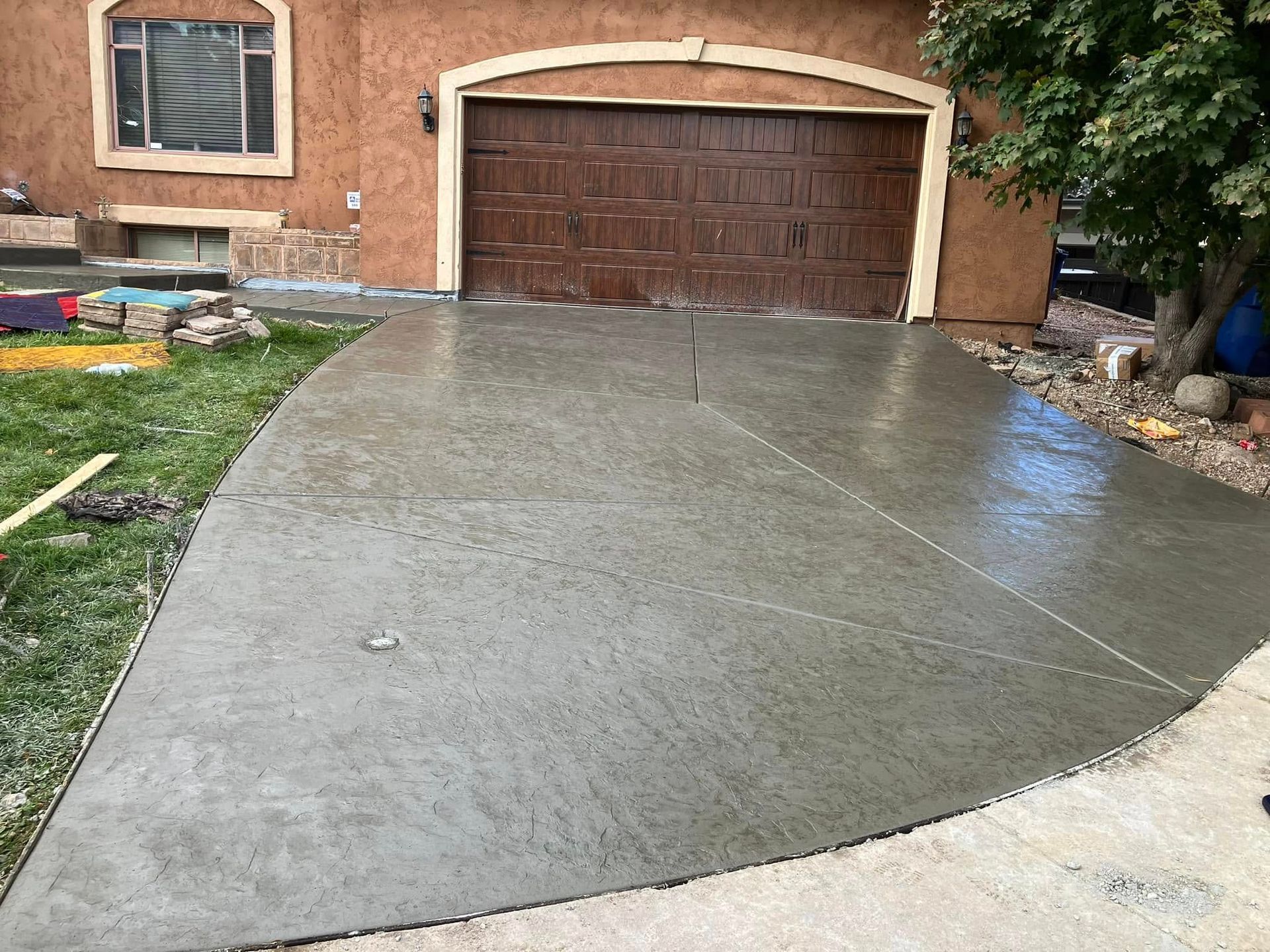
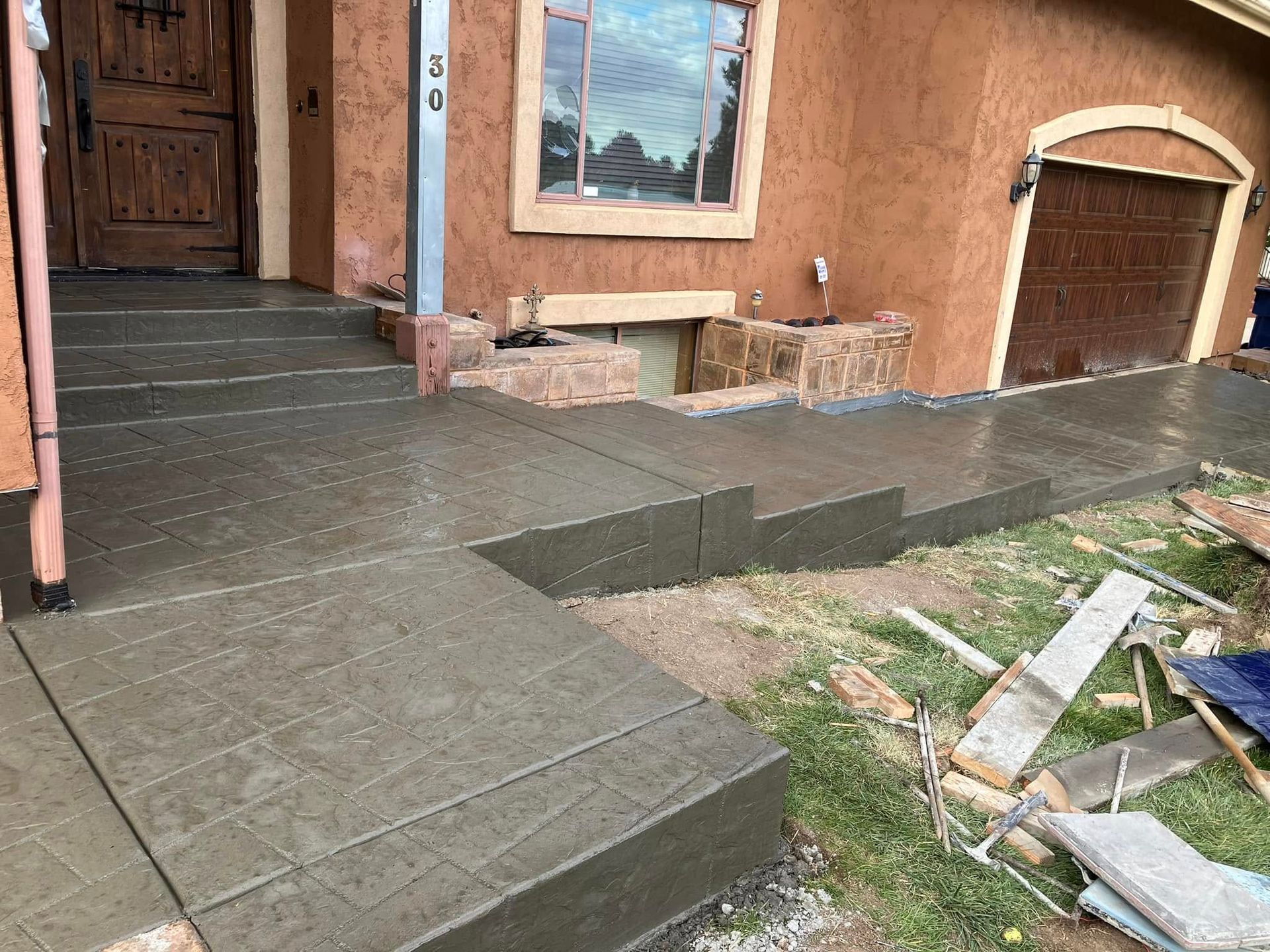
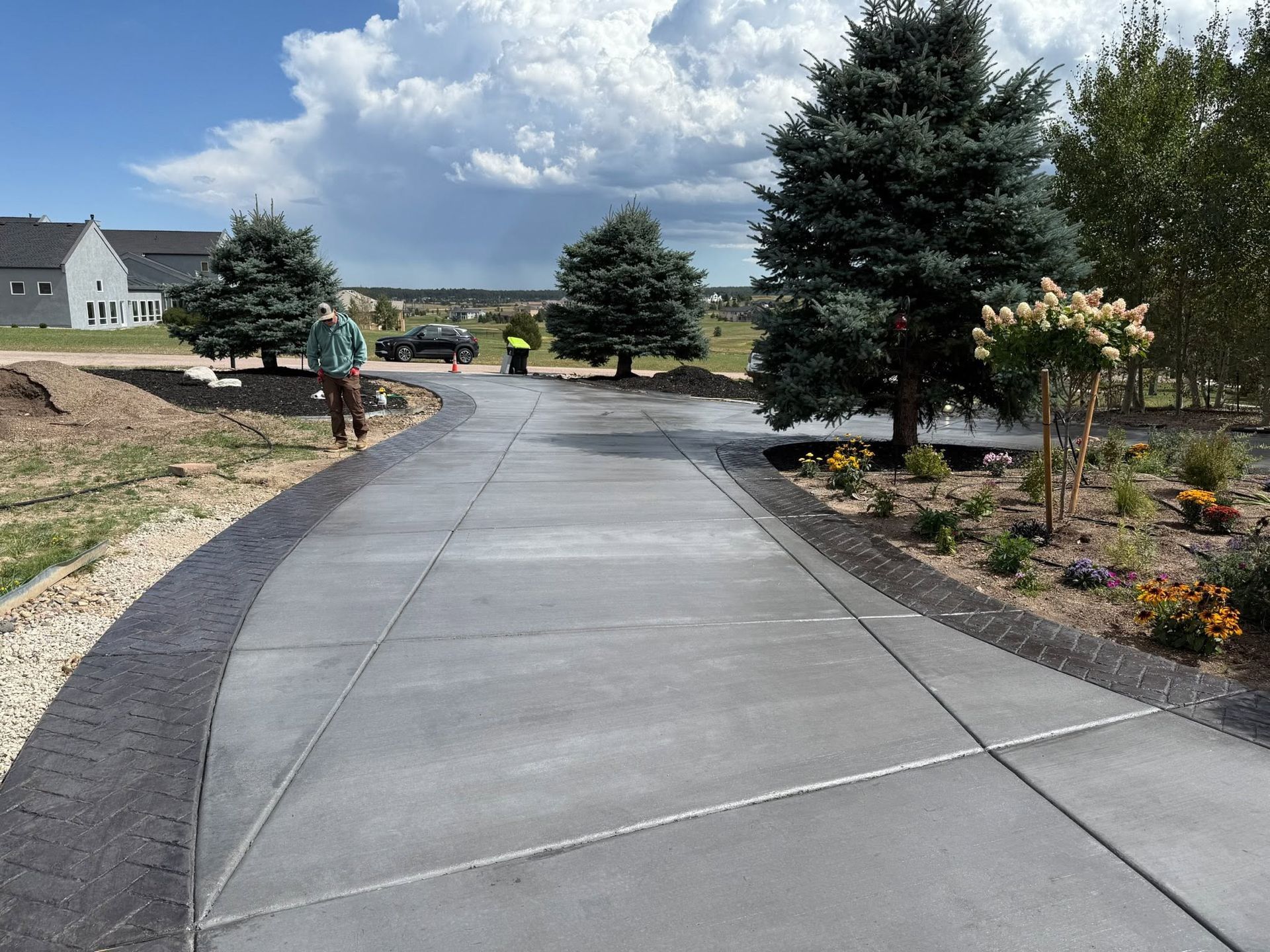
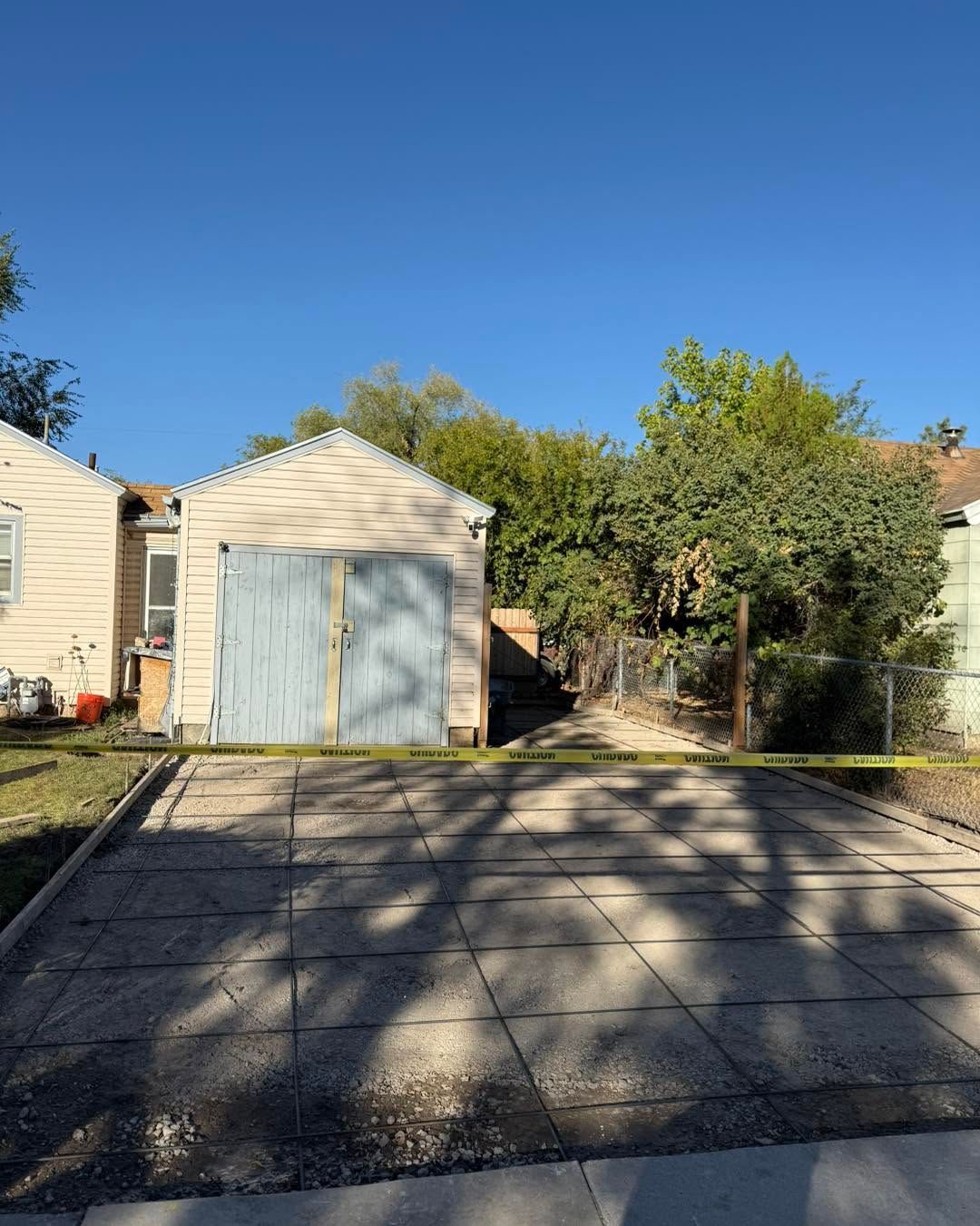
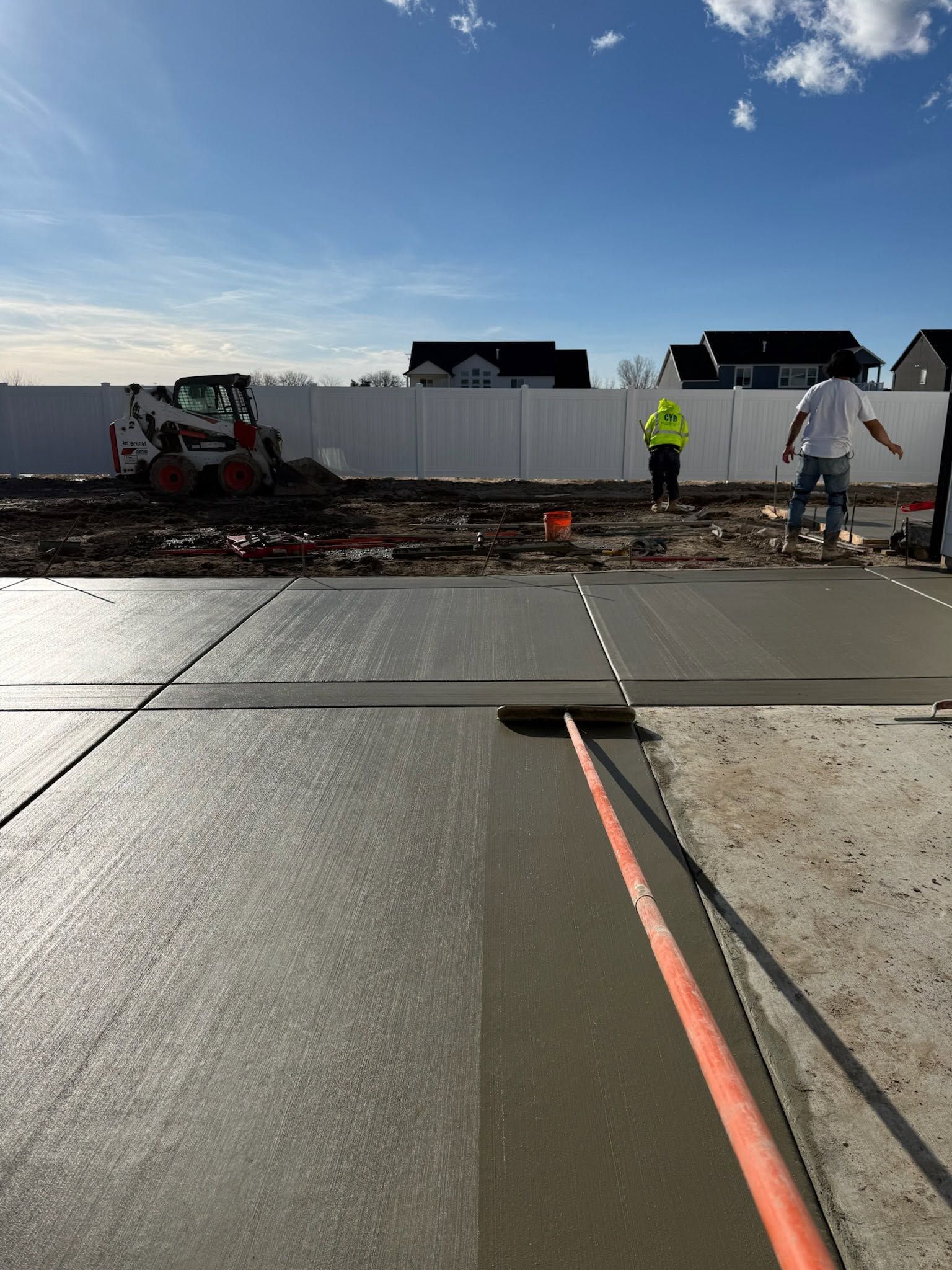
Foundation and footing work completed across Salt Lake City and the surrounding areas, on both residential builds and commercial sites. Browse the gallery, then tell us what you are planning.


Areas We Serve
Nela Concrete pours foundations and footings throughout Salt Lake County and Utah County. Click below to explore our complete service area coverage and see whether we work in your location.
FREQUENTLY ASKED QUESTIONS
Foundation work carries more technical questions than any other concrete service, and rightly so. Below are the ones builders and property owners ask us most often.
What is the difference between a footing and a foundation?
The footing is the widened base that sits directly on undisturbed soil and spreads the load of the structure across a larger area of ground. The foundation is what rises from it, whether that is a stem wall, a full basement wall, or a monolithic slab. They are poured as part of the same operation on most projects, which is why we handle them together rather than as separate services. Sizing the footing correctly is what stops the foundation above it from settling unevenly.
How long does a foundation take to pour and cure?
Excavation, forming, and steel placement typically take several days depending on the size and complexity of the structure. The pour itself is usually a single day. Forms can generally be stripped within a few days, and framing commonly begins within about a week, though this depends on the structure and on temperatures during the cure. Concrete continues gaining strength for weeks afterward. We give you the specific sequence for your project when we schedule it.
Do you work from architectural or structural plans?
Yes, and we prefer to. We review the drawings, the footing schedule, and the reinforcement specification before pricing the job, which lets us flag any conflicts between the plan and the site conditions while they are still inexpensive to resolve. If you do not yet have plans, we can tell you what level of detail you will need for permitting and inspection in your jurisdiction before you commission them.
Do you handle commercial foundation work?
Yes. Roughly twenty percent of our work is commercial, covering structural footings, equipment pads, and site concrete for builders, developers, and commercial property owners. Commercial projects are staged and scheduled differently from residential ones, with more coordination around other trades and more formal inspection points, and we plan for that from the first conversation.
Can you pour a foundation for an addition on an existing house?
Yes, and it requires more care than a new build. The new footing has to be sized and placed to match the bearing conditions of the existing foundation, and elevations must tie in exactly so the finished floor lines up. Excavating alongside an existing foundation also has to be done in a way that does not undermine it. We assess all of this during the site visit before pricing, because addition work varies enormously from one property to the next.
What kind of soil problems affect foundations in Utah?
Soil along the Wasatch Front varies considerably over short distances, from gravel and sand near the benches to finer soils with higher clay content in the valley floor. Clay soils expand and contract with moisture, which is why bearing capacity and drainage matter as much as the concrete itself. Where a geotechnical report exists we work to its recommendations. Where one does not, we assess conditions during excavation and raise anything unexpected before we proceed.
Do I need a permit for foundation work?
Almost always yes. Structural work including footings, foundations, and slabs supporting a structure requires permitting and inspection in every jurisdiction across Salt Lake County and Utah County, though the specific process and inspection points differ between cities. Inspection typically happens after reinforcement is placed and before concrete is poured.
Will you coordinate with my other trades?
Yes. Foundation work sits at the front of the schedule, so it touches excavation, plumbing, and framing directly. Under slab plumbing has to be roughed in and inspected before the pour, and the framer needs a foundation squared and level to the elevation on the drawing. We coordinate those handoffs directly rather than pouring and leaving the builder to sort out the sequence afterward.
What happens if the inspection finds a problem?
It should not get that far. We place reinforcement to the drawn specification and check depths and elevations before calling for inspection, precisely so that the inspector confirms what we already know rather than discovering something. If an inspector does call for a change, we address it before the pour rather than after, since that is the only point where correction is straightforward.
How soon can you start on a foundation?
Sooner than most, and we will tell you honestly if we cannot. New inquiries typically hear back within thirty to sixty minutes and estimates usually follow within one to two days. Actual start dates depend on the season, the current schedule, and weather, since concrete placement has real temperature limits along the Wasatch Front. If your framing date cannot be met, you will hear that upfront rather than after you have committed.
Why should I choose Nela Concrete as my concrete foundation contractor?
Because we read the plan before we price it and we pour to the number on the drawing. You deal with the owner directly, which means the person quoting the work is the person accountable for the elevations, the depths, and the schedule. We are licensed and insured, our Google rating sits at five stars, and roughly a fifth of our work is commercial, so we are used to sites with formal inspection points and multiple trades waiting on the pour.